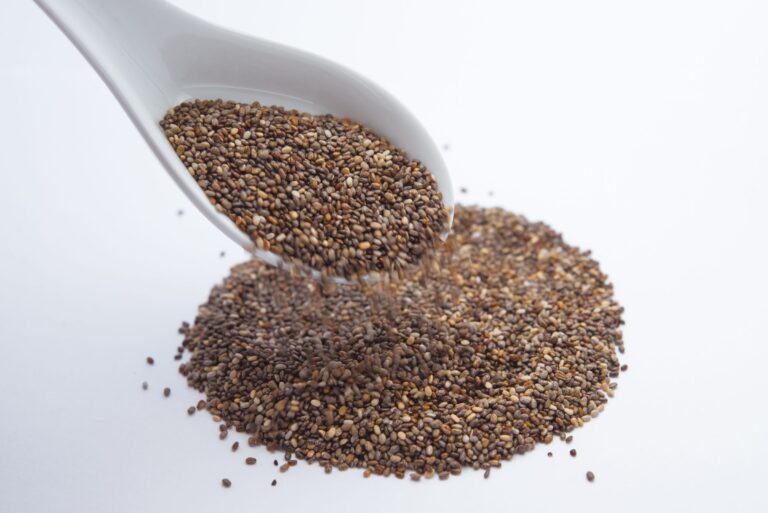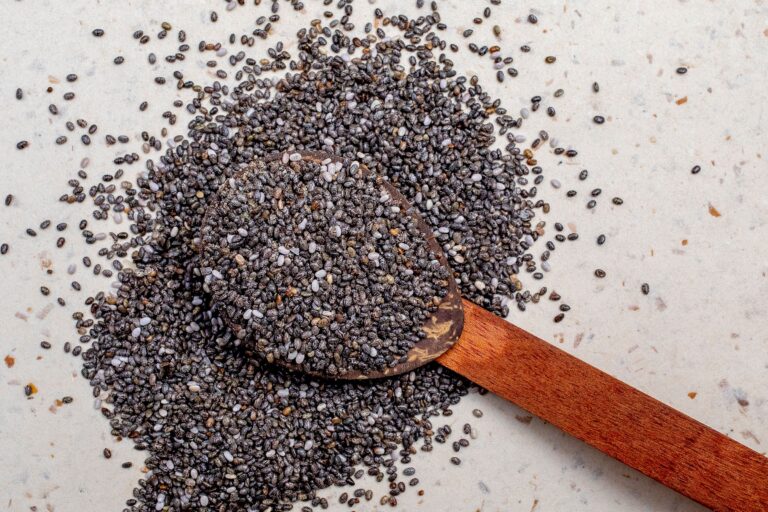

Tukh malanga (basil seeds) is a very popular addition to summer drinks across Pakistan. Many people ask about tukh malanga side effects. While it is generally safe for daily use in standard amounts, there are a few physical and digestive precautions you need to take.
Key takeaways
- Always soak tukh malanga before drinking to prevent physical blockages in the throat.
- It does not contain the high vitamin K found in basil leaves. It does not interact with blood thinners in the same way.
- The thick fiber gel can delay how quickly your body absorbs oral medicines.
- Eating too much at once can lead to bloating or gas. This is true especially if your body is not used to high fiber.
Tukh Malanga Side Effects: Can It Cause Choking?
When tukh malanga seeds meet water, they swell rapidly. They form a thick, sticky gel called mucilage. If you swallow them dry, they can absorb moisture directly from your throat. They expand before they reach your stomach. This creates a physical blockage and a serious choking hazard.
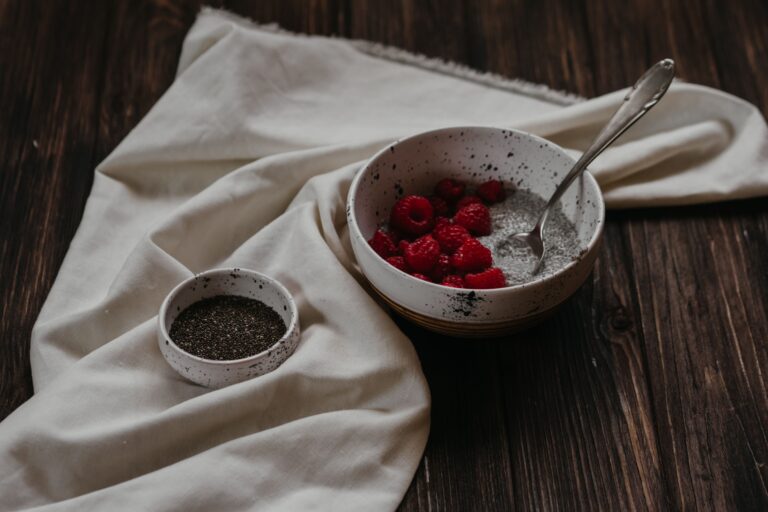
Always soak them fully in a glass of water, milk, or a local favorite like Rooh Afza. Do this before consuming them. You should give them enough time to absorb the liquid. Let them form their distinct gel coating before you drink them. If you want to know more about how to use them safely, you can read our guide on tukh malanga benefits and uses. Similar to chia seeds side effects, the most immediate risk associated with these seeds is purely mechanical, rather than toxic.
The swelling process is very fast. A small spoonful of dry seeds can absorb many times its weight in water. This makes them excellent for hydration during hot summer days. But it also means they need to finish expanding outside your body. They should never expand inside your esophagus. Once fully soaked, they slide down easily and pose no choking risk, avoiding one of the most severe tukh malanga side effects. You can also mix them into falooda or fresh fruit juices. Just ensure the gel layer is fully developed before you take your first sip.
Does Tukh Malanga Interact With Blood Thinners?
A common misconception is that tukh malanga interferes with blood-thinning medications like warfarin. While fresh basil leaves contain high vitamin K, the seeds are mostly fiber and lack significant vitamin K. Therefore, they do not carry the same strict medication warning as the leaves, meaning this is not one of the typical tukh malanga side effects.
However, the thick gel these seeds form can act as a physical barrier in your stomach. According to a recent review on dietary fiber, limited evidence suggests that consuming high amounts of viscous dietary fiber can interact with other compounds. This can delay how quickly your body absorbs them. This means if you take regular prescriptions, the thick fiber layer might slow down the entry of the medicine into your bloodstream. It is best to take your daily tablets an hour or two apart from a heavy fiber drink to avoid these tukh malanga side effects. If you are comparing it with other seeds in your pantry, see our comparison on chia seeds vs tukh malanga to understand how different fibers behave.
Dietary fiber is generally safe. But its physical properties mean you must manage when you consume it relative to your medications. Spacing out your intake ensures your medicines work exactly as intended. They can work without interference from the fiber gel. This is particularly important for medicines that need to act quickly. If you have any doubts about tukh malanga side effects, always check with a pharmacist. They can help you schedule your high fiber meals safely around your daily doses.
Can Eating Too Much Tukh Malanga Cause Digestive Issues?
Tukh malanga is packed with dietary fiber, which is excellent for gut health. However, if your body is not used to high-fiber foods, you must be careful. Drinking large amounts suddenly is one of the main tukh malanga side effects, causing noticeable digestive discomfort.
Your digestive system needs time to adapt to a sudden influx of fiber. If you consume too much tukh malanga right away, your stomach may respond poorly. You might experience bloating, excess gas, or mild cramps. The fiber draws in water, and the bacteria in your gut ferment it. This process can produce gas. Start with a small amount, such as half a teaspoon of soaked seeds in a glass of water. Give your gut a few days to adjust. You can slowly increase the amount once your body is used to the extra fiber load and minimize tukh malanga side effects.
Many people enjoy tukh malanga in a glass of lassi during hot days in Pakistan. It is a refreshing treat. Just keep the portion small if you are new to high fiber diets. Over time, your digestive system will handle the fiber much better. Slowly introducing fiber is the best way to avoid unwanted tukh malanga side effects. It allows your gut bacteria to multiply and adjust to the new food source comfortably.
How Does Fiber Affect Digestion?
Dietary fiber is an important part of a healthy diet. It helps keep your bowel movements regular. It can also support a healthy digestive tract over time. But moderation is key when adding new fiber sources. Tukh malanga provides a very concentrated dose of fiber. This makes it different from eating a whole fruit or vegetable.
When you eat an apple, the fiber is spread out. Your stomach processes it slowly. With basil seeds, you drink a large amount of fiber all at once. This sudden burst can overwhelm your digestive system. It forces your gut bacteria to work overtime. This rapid fermentation is what causes the gas and bloating, common tukh malanga side effects.
To avoid this, you should drink plenty of plain water throughout the day. Fiber needs water to move smoothly through your digestive tract. Without enough hydration, high fiber foods can actually cause constipation instead of preventing it. If you eat tukh malanga, ensure you are drinking enough fluids overall. This simple step can prevent most of the common digestive tukh malanga side effects. It keeps your stomach comfortable while you enjoy your summer drinks.
Who Should Avoid Tukh Malanga?
Pregnant women should exercise caution due to a lack of clinical safety data. According to a systematic review on herbal safety, several traditional remedies are potentially harmful during pregnancy. Without specific safety profiles for medicinal amounts of basil seeds, they should be avoided or used under supervision. Tukh malanga side effects in pregnancy are not fully known.
Pregnant women should avoid consuming large medicinal doses of these seeds. If you wish to consume them, only use them under the direct supervision of a qualified healthcare provider. For everyday food amounts in drinks, talk to your doctor. Do this before making it a regular daily habit to ensure it aligns with your dietary needs. The priority during pregnancy is always to rely on a well-studied balanced diet and avoid anything with uncertain effects.
Children should also be monitored when drinking beverages with tukh malanga. The seeds must be fully soaked to prevent choking. Serve them in small quantities to avoid adverse tukh malanga side effects. Older adults who have difficulty swallowing should also be careful. Fully soaked seeds in a thin liquid are generally safe. But thick clumps should always be avoided.
Frequently asked questions
Can I eat tukh malanga without soaking it?
No, you should never eat tukh malanga dry. The seeds expand rapidly when they touch moisture. This can cause them to swell in your throat and create a choking hazard. Always soak them fully in a liquid before consuming.
Can heart patients on blood thinners consume tukh malanga?
Yes, generally, because the seeds do not contain the high levels of vitamin K found in basil leaves. However, the high fiber content can slow down the absorption of your medications. You should consume them at least an hour apart from your daily tablets.
How much tukh malanga is safe to drink in a day?
For most people, one to two teaspoons of soaked seeds a day is well tolerated. Drinking too much can lead to bloating and stomach gas due to the sudden increase in dietary fiber. Start with a small amount and increase it gradually.
What are the main tukh malanga side effects?
The main tukh malanga side effects are the risk of choking if eaten dry, and temporary stomach bloating. They also have the potential to delay the absorption of oral medicines. Pregnant women should also exercise caution due to a lack of safety data.
About the author

Jamshaid Ibrahim, HNDNutritionist and food processing specialist
Nutritionist and food processing specialist. Built production for traditional health products at Glaxay Foods, with the food safety and packaging compliance behind it.
View full profile and articles