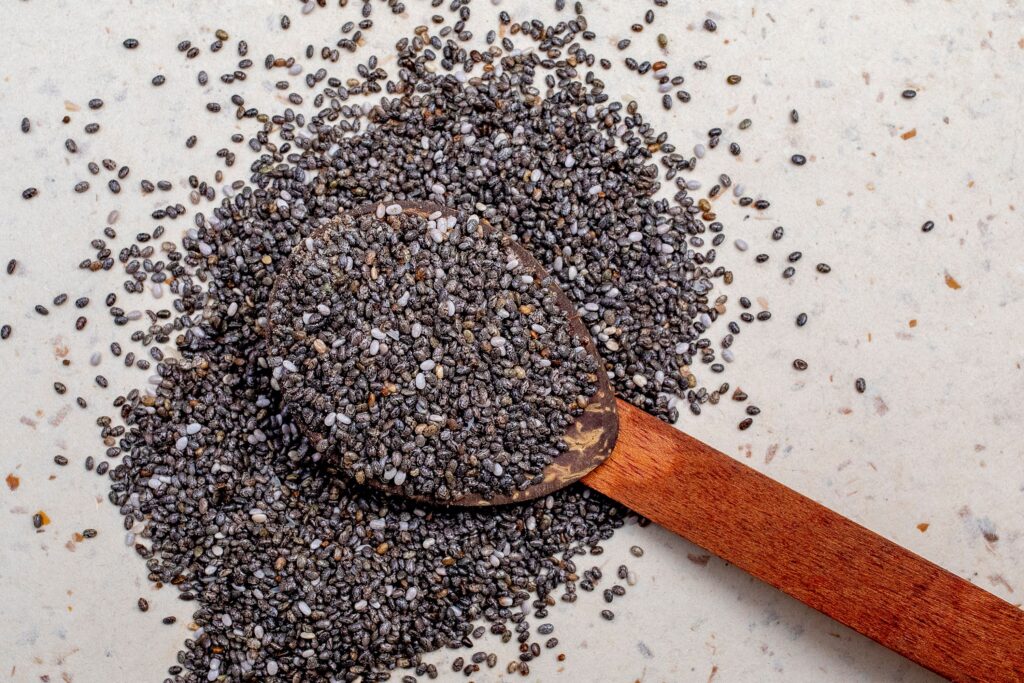
If you have diabetes, managing what you eat is a daily challenge. You might be wondering if using chia seeds for diabetes blood sugar control actually works. The answer is yes, they can help, but they are a supportive food and not a quick fix. Adding them to a balanced desi diet can steady your glucose levels over time. When you combine them with your regular meals, they make it easier to keep your numbers in check without losing the foods you enjoy. Understanding how these tiny seeds work inside your body will help you make the best use of them.
Key takeaways
- Chia seeds are rich in soluble fiber, which helps reduce blood sugar spikes.
- They are safe for people with diabetes when consumed in moderation (1 to 2 tablespoons daily).
- Soak them in water or mix into yogurt or meals; do not eat them dry.
- They support a healthy diet but do not replace diabetes medication.
Using Chia Seeds for Diabetes Blood Sugar Control
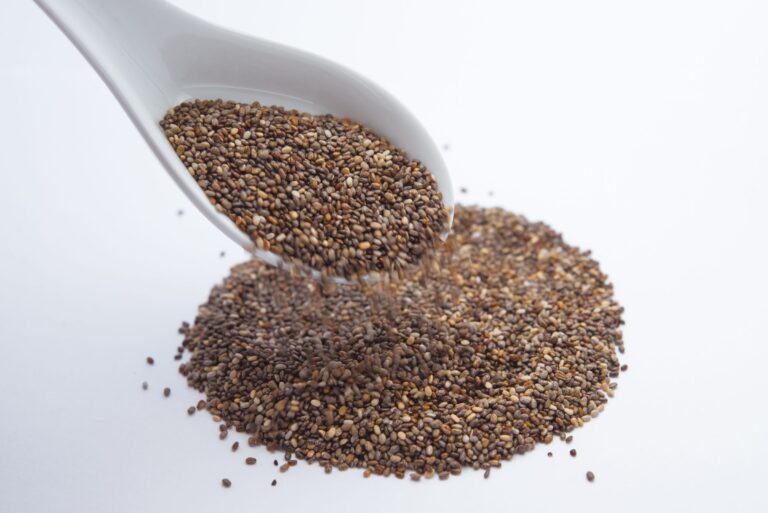
Chia seeds can help keep your glucose levels steady after a meal. When considering chia seeds for diabetes blood sugar, remember that the soluble fiber forms a gel in your stomach that slows down carbohydrate digestion and delays sugar absorption. This process gives you a more stable release of energy rather than a sudden spike.
Because they digest slowly, landmark studies show that chia seeds have a low glycemic index and do not cause rapid blood sugar spikes. When you eat high-carbohydrate meals like roti or rice, adding these seeds can soften the impact on your blood sugar. They also keep you feeling full for longer, which can help you manage your weight. Maintaining a healthy weight is a key part of managing diabetes.
Soluble fiber acts like a sponge in your digestive tract. As it absorbs water, it creates a thick consistency that traps some of the sugars from your meal. This means the sugars enter your bloodstream gradually. For someone with diabetes, this gradual release is exactly what you want to achieve after eating. It reduces the sudden demand for insulin and makes it easier for your body to process the meal. Over time, these small improvements after each meal can lead to better overall blood sugar control.
Chia Seeds vs Tukh Malanga for Diabetes
Tukh malanga (basil seeds) and chia seeds are often confused in local Pakistani markets, but they have different nutritional profiles. Tukh malanga contains soluble fiber, but chia seeds provide a unique mix of soluble fiber and omega-3 fats. Both are good for you, but they are not exactly the same thing.
If you read our guide on chia seeds in Urdu, you will see that both seeds swell in water and have a cooling effect. For people managing blood sugar, reading about chia seeds vs tukh malanga can help you decide which to buy. While both provide fiber that helps slow digestion, the omega-3 fats in chia offer extra support for heart health. This is especially helpful since diabetes increases your risk of heart problems.
You will find tukh malanga used heavily in falooda and summer drinks like rooh afza. Chia seeds can be used in similar ways, but they take a little longer to swell in water. While tukh malanga forms a gel in minutes, chia seeds might take up to twenty minutes to reach their full size. From a blood sugar perspective, both provide the fiber you need, so you can choose based on availability and price in your local grocery store. It is completely fine to use whichever one is easiest for you to find.
How to Use Chia Seeds in a Desi Diet
Evidence suggests that soaking chia seeds makes them easier to digest and avoids any risk of choking. You should never eat them completely dry. Evidence also suggests that consuming 1 to 2 tablespoons (15 to 30g) of chia seeds daily is generally safe for people with diabetes.
You can easily mix chia seeds for diabetes blood sugar support into traditional Pakistani meals without changing the taste. They work well in both sweet and savory dishes. Because they do not have a strong flavor of their own, they blend perfectly into the spices and textures of a desi diet.
| Meal | How to add chia seeds |
|---|---|
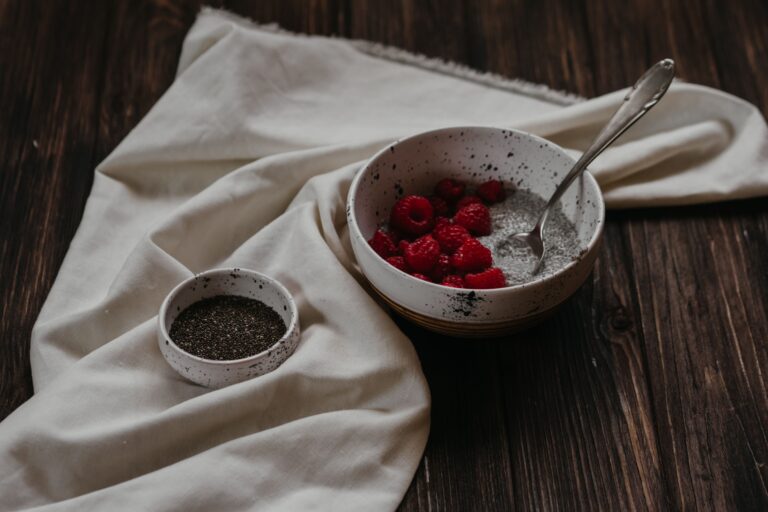
| Breakfast | Stir a spoonful into a bowl of plain dahi (yogurt) or oatmeal. |
| Lunch | Sprinkle soaked seeds over a salad of cucumbers, tomatoes, and palak (spinach). |
| Dinner | Mix them into a serving of daal just before eating. |
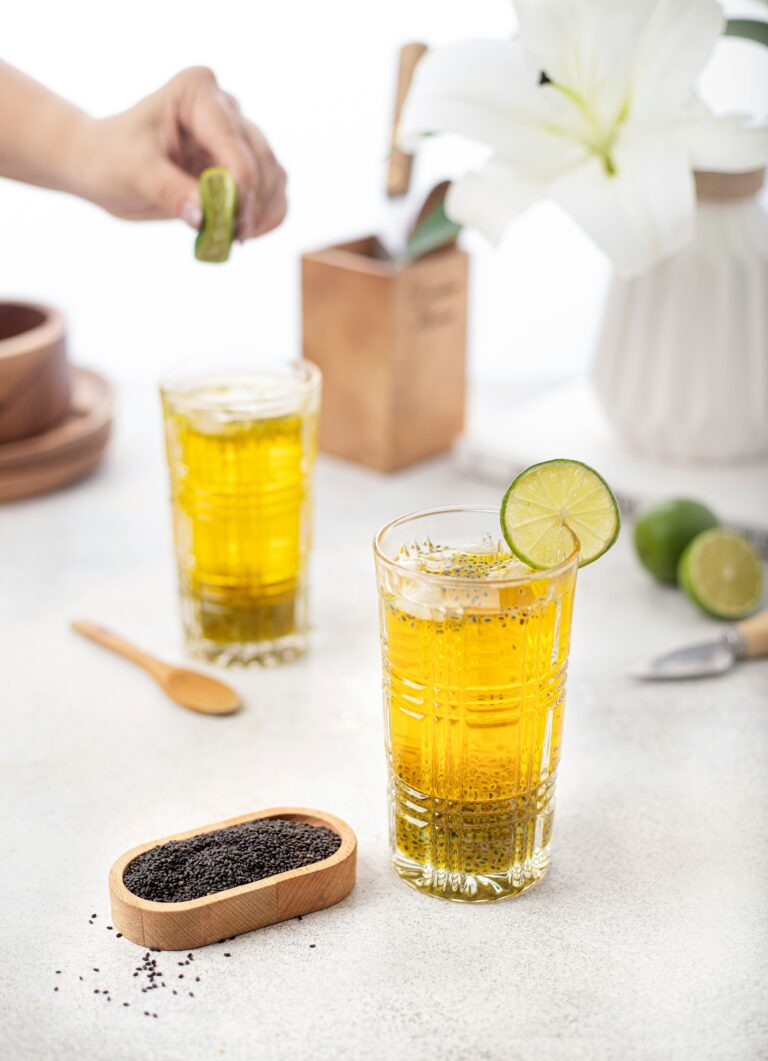
| Drinks | Add soaked seeds to homemade sugar-free lemonade (nimbu pani). |
When you add fiber to your diet, start slowly. If you have never eaten chia seeds before, begin with just half a teaspoon a day. Give your digestive system a few days to get used to the extra fiber. Once you feel comfortable, you can slowly increase the amount up to the recommended 1 to 2 tablespoons. Preparing them ahead of time is the best approach. You can soak a spoonful in half a cup of water before you start cooking your meal. By the time you sit down to eat, they will be ready to consume.
Precautions and Medication Interactions
High intake of chia seeds without enough water can cause digestive discomfort or bloating. Always drink plenty of water when you add more fiber to your diet. The seeds need water to move smoothly through your system, so keep a glass of water nearby.
Chia seeds are not a replacement for prescribed diabetes medication, as outlined in the American Diabetes Association guidelines. While chia seeds for diabetes blood sugar regulation are helpful, they will not do the job of insulin or metformin. You should continue to take your medicines exactly as your doctor instructed. Think of chia seeds as a tool in your toolkit, sitting alongside exercise and proper sleep.
If you experience severe stomach pain or sudden changes in your bowel movements after eating chia seeds, stop eating them and speak to a doctor. This is especially true if you have a history of swallowing difficulties or blockages in your digestive tract. The extra fiber is beneficial only when your body can process it without distress.
[!WARNING] Do not change or stop your medication based on this article. Always speak to your doctor or pharmacist before making major changes to your diet, especially if you take medication to manage your blood sugar.
Frequently asked questions
Can chia seeds lower blood sugar immediately?
No, chia seeds do not work instantly like a medication. They help slow down digestion and soften spikes when eaten with a meal, but they are not a quick fix.
Should I take chia seeds in water on an empty stomach?
You can, but it is not required. You can mix soaked seeds into your meals or yogurt. Soaking them first makes them easier to digest.
Are chia seeds better than tukh malanga for sugar patients?
Both are excellent sources of soluble fiber. Chia seeds offer the added benefit of omega-3 fats, which support heart health, but both can help manage glucose levels.
How do I use chia seeds for diabetes blood sugar control safely?
Soak 1 to 2 tablespoons in water or mix them into foods like yogurt or daal. Drink plenty of water throughout the day to avoid stomach discomfort, and continue taking your prescribed medications.
About the author

RD Saeed Ahmad, MSPHCo-founder and nutritionist, Nuritron
Nutritionist and public health researcher, and co-founder of Nuritron. Works in clinical and community nutrition, type 2 diabetes and One Health policy.
View full profile and articles