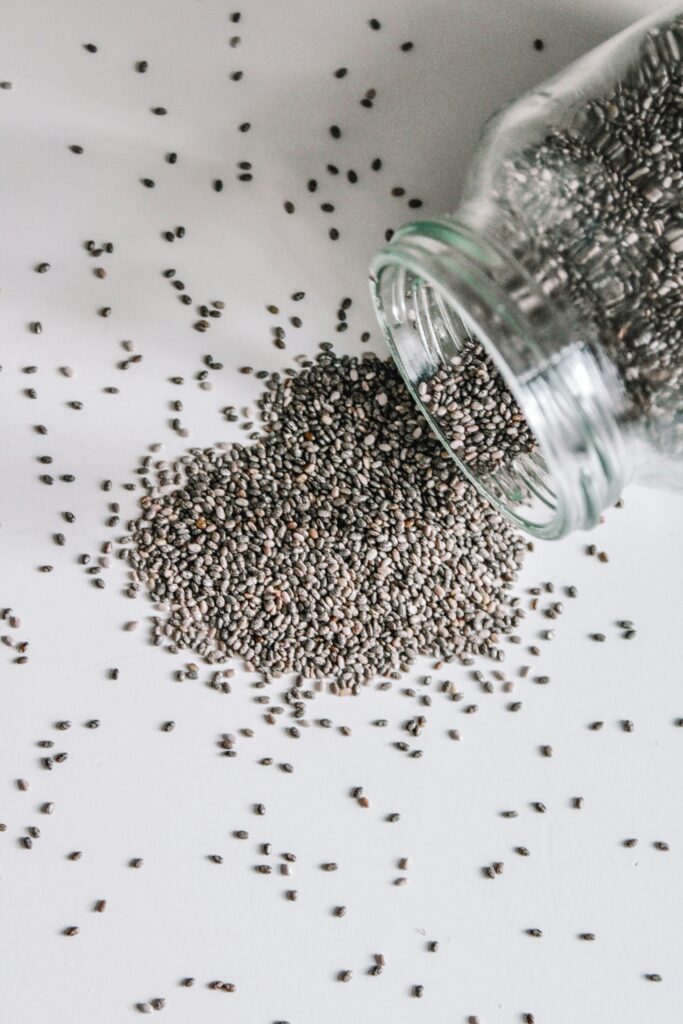
Many people add them to their routine, but you need to know about chia seeds side effects before you begin. They offer good nutrition, but eating them the wrong way or mixing them with certain medicines can cause problems. You might hear only about the benefits of chia seeds in Urdu from friends, but understanding the risks helps you use them safely and confidently.
Key takeaways
- Always soak chia seeds before eating; never eat them dry to avoid blockage.
- Introduce them slowly into your diet to prevent bloating and gas.
- Consult your doctor if you take medication for blood pressure or diabetes.
Why Chia Seeds Need Preparation
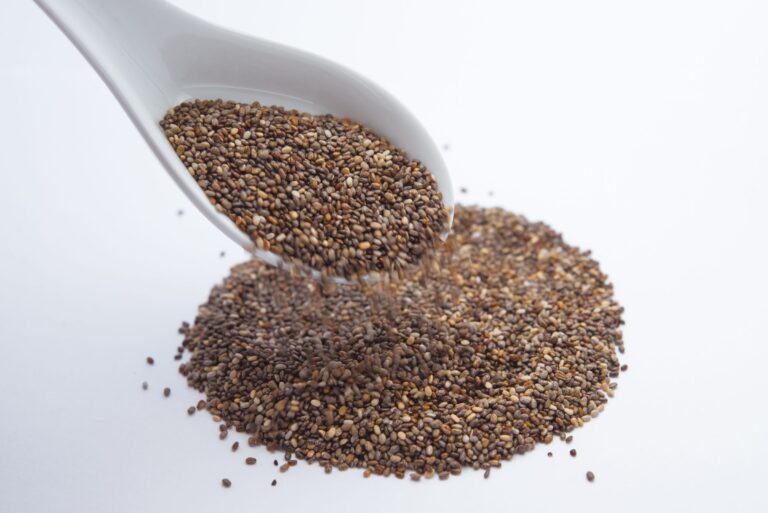
One of the most dangerous chia seeds side effects is that eating them dry without soaking can cause them to expand rapidly in your esophagus. They are highly absorbent and need liquid to soften before they reach your stomach. If you eat them dry, they start pulling moisture from your throat immediately. This makes them swell and stick together in a solid mass before you can even swallow them properly.
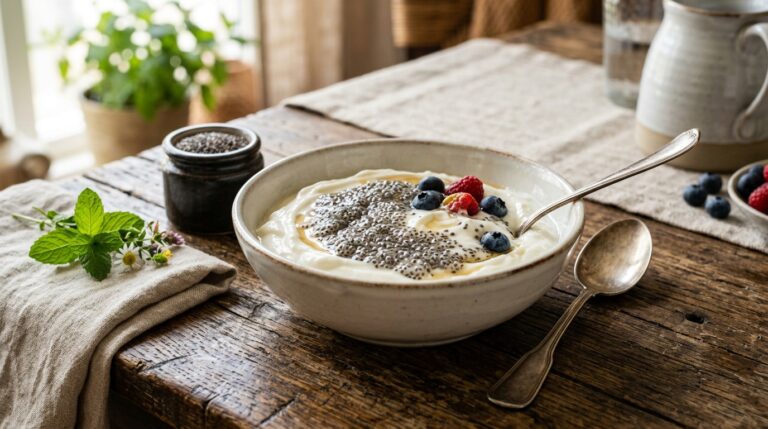
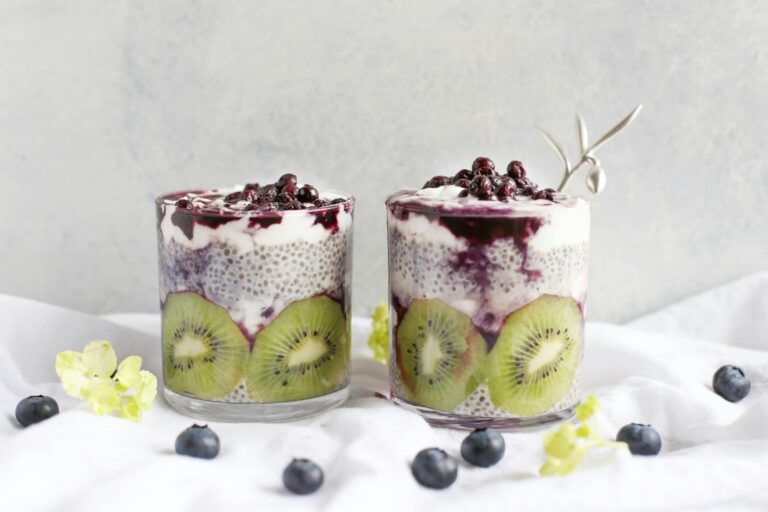
In Pakistan, we are used to soaking seeds like tukh malanga before drinking them in summer drinks like rooh afza or falooda. You must apply this exact same rule to chia seeds to prevent serious chia seeds side effects. Always soak them in water or milk for at least ten minutes before consuming them. The outer layer of the seed acts like a sponge. When it touches water, it creates a thick gel coating.
This gel makes the seed safe to swallow and easy for your stomach to break down. You can prepare a batch in the morning by mixing one spoonful into a glass of water. Leave it on the kitchen counter while you make your breakfast. By the time you are ready to drink it, the seeds will be fully hydrated and safe to consume. Never rush this step.
Digestive Issues: Bloating and Gas
Digestive chia seeds side effects are also common. Rapidly increasing dietary fiber from chia seeds can cause bloating, gas, and abdominal pain. When you suddenly add a lot of roughage to a diet that normally features plain white roti and white rice, your gut struggles to process it. The bacteria in your large intestine ferment this new fiber. This fermentation process creates trapped wind and makes your stomach feel tight and uncomfortable.
You should build up your intake over a few weeks. Start with just half a teaspoon a day. Give your digestive system time to produce the right enzymes to handle the extra workload. Once your stomach feels comfortable, you can slowly increase the amount.
Furthermore, according to NHS guidelines, adequate water intake is required when consuming high-fiber foods like chia seeds to prevent constipation. Fiber needs liquid to move smoothly through your digestive tract. Without enough water, it acts like dry cement. It can clump up and cause painful blockages in your bowel. If you eat a spoonful of soaked seeds, you must drink an extra glass of water alongside it. This keeps your digestion moving freely.
Risk of Choking and Esophageal Blockage
Chia seeds can absorb up to 10 to 12 times their weight in water, creating a choking hazard if swallowed dry. Doctors have documented severe cases where people swallowed a spoonful of dry seeds followed by a glass of water, only to have the seeds expand and block their food pipe entirely.
This type of blockage is not something you can clear simply by coughing or drinking more water. It often requires urgent medical procedures in a hospital to remove the solid mass from the throat. The seeds create a thick, sticky plug that locks firmly into place. You must never attempt to eat the seeds in their dry form. Do not sprinkle dry seeds directly onto your morning porridge or yoghurt if you plan to eat it immediately. Always mix them thoroughly into a liquid or wet food first, and wait until they form a gel-like texture. If you want a crunchy topping for your salad, use roasted pumpkin seeds or sunflower seeds instead. Leave the chia for liquid recipes.
Who Should Avoid Chia Seeds?
Due to severe chia seeds side effects, people with a history of swallowing difficulties (dysphagia) or narrowed food pipes (esophageal strictures) should avoid unsoaked chia seeds completely. The risk of the seeds swelling and getting stuck is simply too high for anyone who already struggles to swallow normally. Even when fully soaked, the thick gel texture might be hard to manage if you have throat strictures.
Additionally, individuals with active inflammatory bowel disease (IBD) may need to limit whole chia seeds during flare-ups. The rough edges of whole seeds can physically irritate an already inflamed intestinal lining. If you have active Crohn’s disease or ulcerative colitis, Crohn’s & Colitis Foundation guidelines recommend choosing lower-fiber options until your symptoms settle down. During a flare-up, your gut needs rest. Eating whole seeds forces your digestive system to work hard, which can trigger more pain and frequent bathroom visits. You can switch to very soft, easily digestible foods like plain daal and soft rice until your doctor confirms your flare-up is over.
Medication Interactions to Watch For
Another concern involves medication-related chia seeds side effects. High intake of chia seeds may potentiate the effects of anti-hypertensive medications. Studies show they can significantly lower both systolic and diastolic blood pressure, particularly at higher doses. If you already take medicine to control your blood pressure, adding high amounts of these seeds could drop your numbers too low. This can make you feel dizzy when you stand up or leave you feeling weak during the day.
If you are on blood pressure medication, you must monitor your readings closely when you start eating these seeds regularly. Speak to your doctor, as they might need to adjust your prescription over time.
Another common concern is diabetes control. Many people believe these seeds will cure high blood sugar. However, current evidence does not support the claim that chia seeds significantly lower blood sugar levels. Recent systematic reviews found they have no significant effect on fasting blood glucose or HbA1c. They are safe for people with diabetes, and they make a healthy addition to a balanced diet, but they will not replace your blood sugar medication. You must continue taking your prescribed diabetes medicine exactly as directed.
Safe Daily Limits for Chia Seeds
To avoid chia seeds side effects, a standard safe daily intake of chia seeds for adults is generally 1 to 2 tablespoons, which is roughly 15 grams. Sticking to this amount gives you the nutritional benefits, such as when using chia seeds for weight loss, without overwhelming your digestive system with sudden fiber. You can measure this easily with a normal measuring spoon from your kitchen.
Mix this amount into your morning lassi, yoghurt, or a large bottle of water. If you want to consume two tablespoons a day, split the dose. Have one tablespoon in the morning and one in the evening. This spreads the fiber load across the day and makes it much easier for your body to process. Remember that this is a maximum recommended amount for daily use. You do not need to eat this much to see benefits. Many people find that just one teaspoon a day suits their body perfectly. Listen to your stomach and adjust your portion accordingly.
Please note: Do not change or stop your medication based on this article. Always consult your doctor before making dietary changes if you take prescription medicines.
Frequently asked questions
What happens if you eat chia seeds without soaking them?
No. You must never eat them dry. They absorb liquid rapidly and can swell in your throat before they reach your stomach. This creates a severe choking hazard and can block your food pipe completely. Always soak them in water or milk for at least ten minutes before consuming them.
Can chia seeds cause bloating and gas?
They can cause bloating, gas, and stomach pain if you eat too many too quickly. They contain a high amount of fiber. If your body is not used to a high-fiber diet, a sudden increase can upset your digestive system. You can prevent this by starting with a small amount and drinking plenty of water.
Who should avoid chia seeds completely?
People with swallowing difficulties or a history of narrowed food pipes should avoid them due to the choking risk. Additionally, people with active inflammatory bowel disease like Crohn’s disease or ulcerative colitis should avoid whole seeds during flare-ups to prevent irritating their gut lining.
Can chia seeds side effects interact with my blood pressure medicine?
Yes, eating them in high amounts can lower your blood pressure further. If you take medication for high blood pressure, combining the two might cause your numbers to drop too low. You should monitor your blood pressure closely and discuss your diet with your doctor.
About the author

Jamshaid Ibrahim, HNDNutritionist and food processing specialist
Nutritionist and food processing specialist. Built production for traditional health products at Glaxay Foods, with the food safety and packaging compliance behind it.
View full profile and articlesAbout the medical reviewer

RD Saeed Ahmad, MSPHCo-founder and nutritionist, Nuritron
Nutritionist and public health researcher, and co-founder of Nuritron. Works in clinical and community nutrition, type 2 diabetes and One Health policy.
View full profile and articles