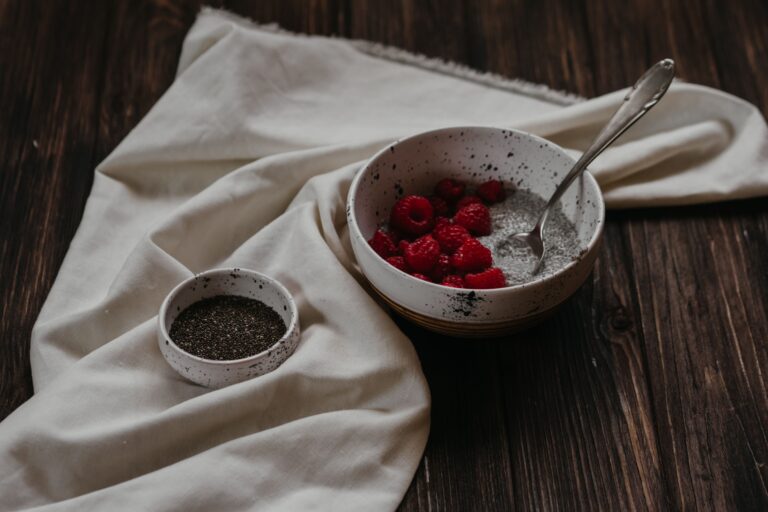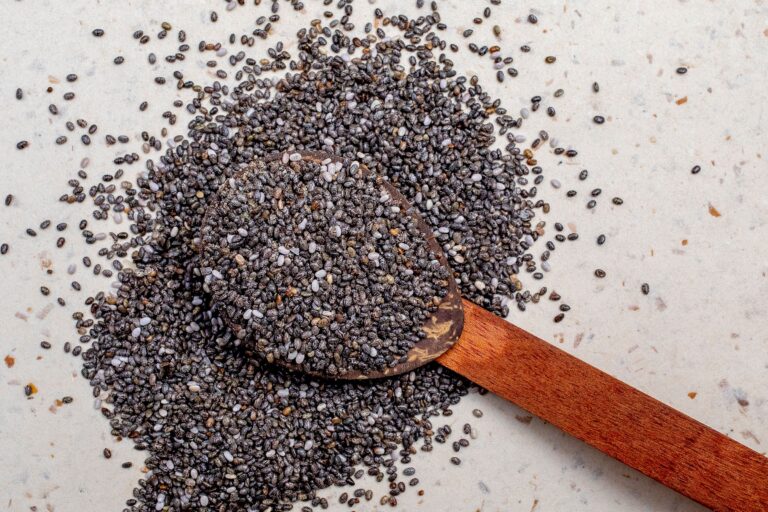
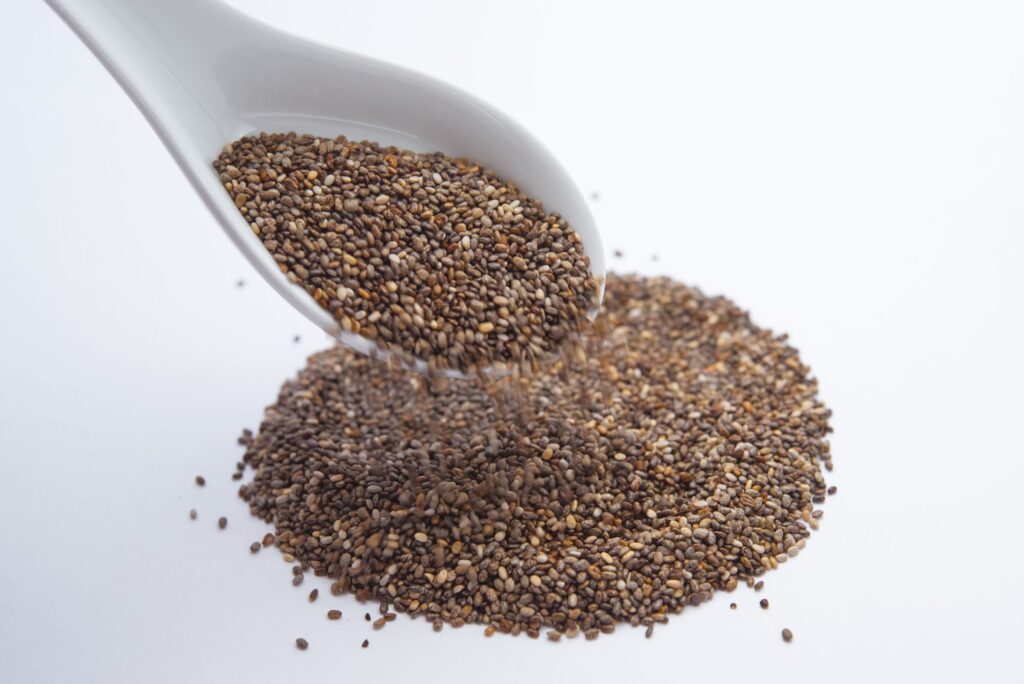
When choosing between chia vs flax seeds, many people wonder which is better for their health and daily routine. Both seeds are nutritional powerhouses packed with fibre and plant-based omega-3s, but they have distinct differences in how you prepare them, what they cost, and what they offer your body. Alsi (flax seeds) and chia seeds are from completely different plant species. This article will help you decide which one fits your daily diet, especially considering availability and traditional uses across Pakistan.
Key takeaways
- Chia and flax seeds (alsi) are both excellent sources of fibre and plant-based omega-3s.
- Flax seeds must be ground to get their full nutritional benefits, while chia seeds can be eaten whole.
- Alsi is a traditional, affordable local option, while chia is a popular imported seed best for hydration and smoothies.
Nutritional Differences
Both seeds offer remarkable health benefits, but they shine in slightly different ways. Chia and flax seeds are both high in fibre and plant-based omega-3s, but flax seeds contain more lignans.
Lignans are plant compounds that act as antioxidants, and flax seeds have an exceptionally high concentration of them. The omega-3 content in both seeds offers cardioprotective benefits, but the specific compounds in flax seeds contribute heavily to these effects. If your primary goal is to boost your intake of lignans, alsi is the stronger choice. These antioxidants are known to help protect cells from damage and support long-term health.
On the other hand, evidence suggests that chia seeds absorb a significant amount of water, forming a thick gel. This makes chia seeds excellent for hydration. When mixed with water, they expand rapidly, creating satisfying textures in drinks.
Both seeds are dense in essential vitamins and minerals. They provide magnesium, phosphorus, and calcium, which are important for maintaining strong bones and supporting nerve function. Adding a small amount of either seed to your daily routine can significantly boost your overall mineral intake.
| Nutrient/Feature | Chia Seeds | Flax Seeds (Alsi) |
|---|---|---|
| Omega-3s | High | High |
| Lignans | Low | Very High |
| Water absorption | Very High (forms gel) | Low |
| Plant species | Salvia hispanica | Linum usitatissimum |
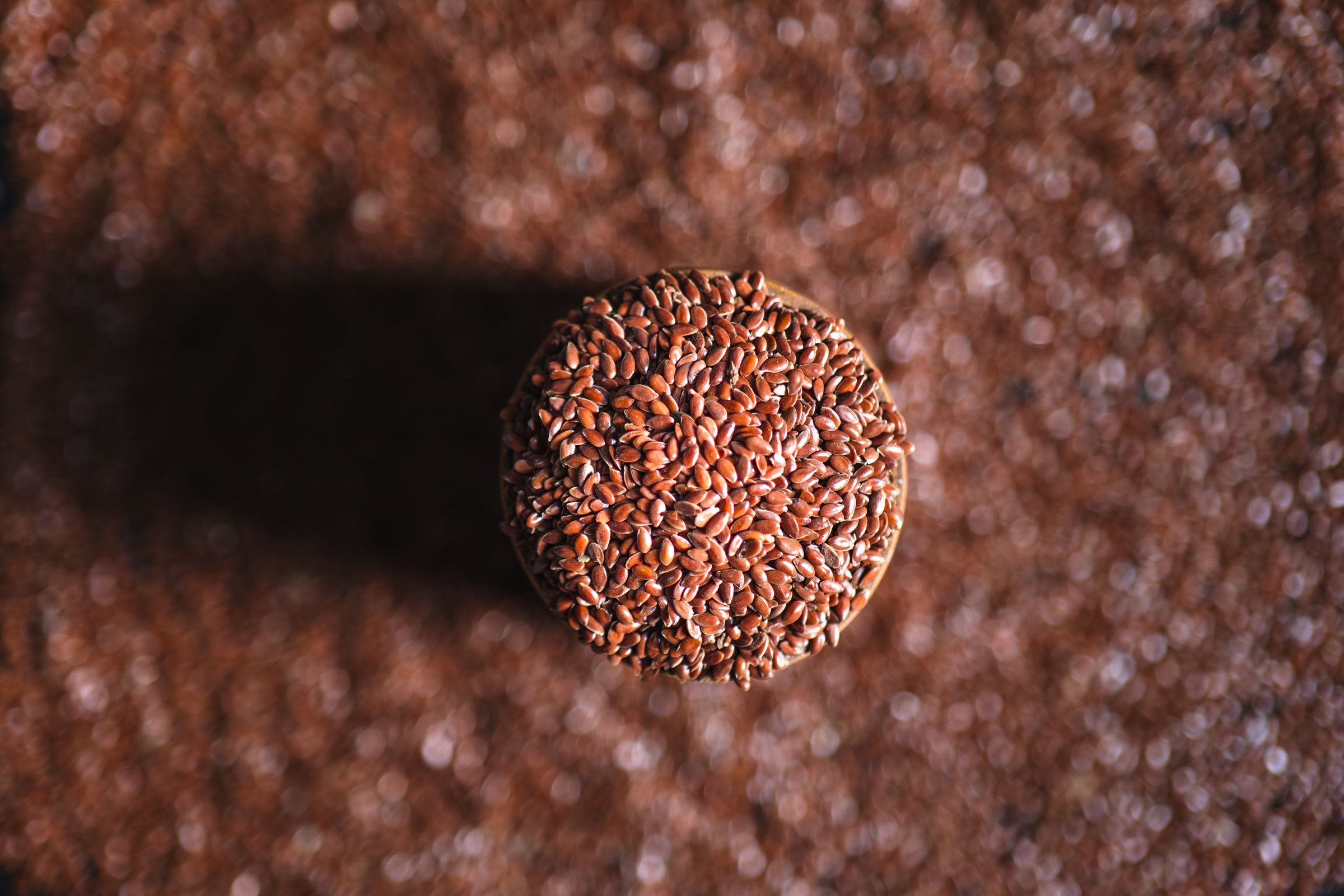
Chia vs Flax Seeds: Which Is Better for Weight Loss?
Both seeds can be very helpful if you are trying to manage your weight safely. Both seeds support weight management by increasing satiety due to their high fibre content.
When you eat high-fibre foods, they take longer to digest. This keeps you feeling full for a longer time and reduces the urge to snack between meals, which is a common challenge for many people trying to reduce their daily calorie intake. A study showed that eating chia seeds significantly lowered hunger scores and increased satiety in healthy individuals. The gel that chia seeds form in the stomach slows down the emptying process, keeping you satisfied for hours.
Similarly, flax seeds are highly effective. A trial involving constipated patients with type 2 diabetes found that consuming flax seeds significantly decreased weight and body mass index over 12 weeks. This demonstrates that incorporating just a spoonful of ground alsi into your daily routine can yield measurable results over time.
Because both seeds are very high in fibre, it is important to drink plenty of water throughout the day. Fibre needs water to move smoothly through your system. Without enough fluids, suddenly increasing your fibre intake can cause stomach discomfort or bloating.
Digestive Benefits and Gut Health
Fibre is essential for a healthy digestive system, and both seeds are fantastic sources of both soluble and insoluble fibre. Both seeds can support gut motility and relieve constipation.
In conditions related to the gastrointestinal tract, the fibre in chia seeds provides bulk to the stool, which helps it move smoothly through your system. The gel-forming ability of chia seeds also helps to soothe the digestive tract, acting almost like a gentle sweep through the intestines. You can easily stir them into a glass of lassi or mix them into a bowl of dahi for a refreshing, gut-friendly snack.
Flax seeds are equally effective, particularly for persistent digestive issues. Regular consumption of flax seeds has been shown to improve constipation symptom scores significantly. The insoluble fibre in alsi acts as a natural laxative, while the soluble fibre feeds beneficial gut bacteria. Whether you choose chia or alsi, adding them to your diet can keep your digestion regular and support overall gut health.
How to Prepare and Eat Them
The most important difference between these two seeds is how you need to prepare them before eating. Data shows that flax seeds must be ground to access their omega-3s and nutrients, whereas chia seeds can be absorbed whole.
If you eat whole flax seeds, they will likely pass through your body completely undigested, meaning you will not get any of the benefits of their omega-3 fats. Ingestion of milled flaxseed delivers significant levels of these beneficial fats to your plasma, whereas whole flaxseed does not. You can buy pre-ground flax seeds, but it is often better to buy them whole and grind them at home using a standard spice grinder. Ground alsi should be stored in an airtight container in the fridge to prevent the oils from going rancid.
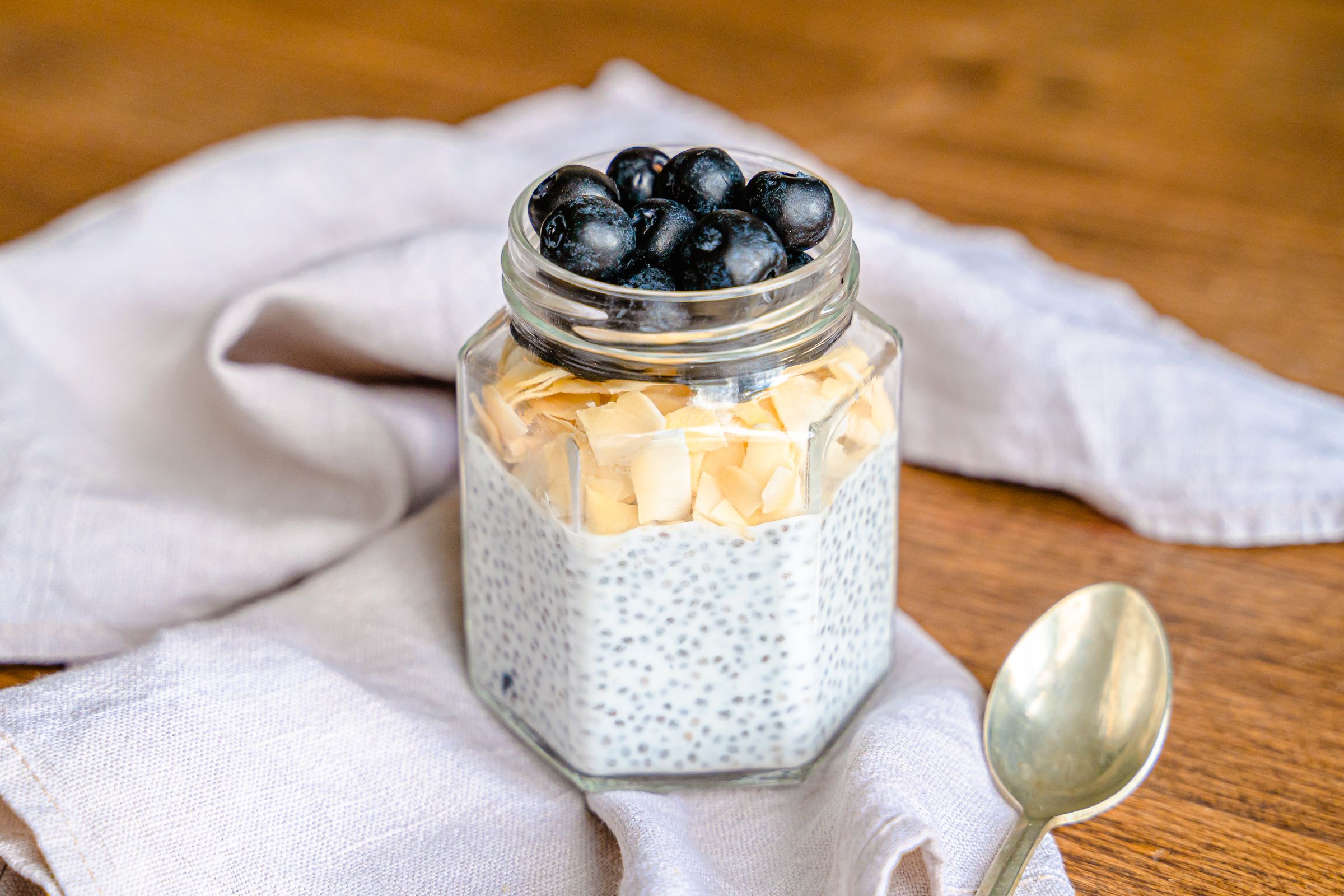
Chia seeds, on the other hand, have a softer outer shell that your body can easily break down. You can sprinkle them whole over your food, or soak them in water or milk to create a thick gel.
Here is a quick look at how you can use both in your daily meals:
- Morning hydration: Stir a tablespoon of chia seeds into a glass of water with a squeeze of lemon. Let it sit for ten minutes before drinking.
- Breakfast: Sprinkle ground alsi over a bowl of dahi, or mix it into the dough when making your morning paratha.
- Baking: You can mix ground flax seeds with a few tablespoons of water to create a “flax egg,” which is a great binder for baking.
What to Do This Week
If you are looking to add these seeds to your diet, start small. Your body needs time to adjust to the extra fibre.
Try adding one teaspoon of chia seeds to your morning glass of water for hydration. Or, if you prefer local flavours, grind a small batch of alsi and sprinkle a teaspoon over your dahi or mix it into a warm bowl of daal. Adding them to your sehri meal during fasting months is also an excellent way to maintain steady energy throughout the day. Gradually increase the amount to one tablespoon as your digestion adjusts.
Remember to drink extra water whenever you increase your fibre intake. If you experience persistent stomach discomfort, scale back the amount you are eating and consult a doctor if symptoms continue.
Price and Availability in Pakistan
In Pakistan, the cost and cultural uses of these seeds differ greatly. Evidence suggests that flax seeds (alsi) are widely grown in Pakistan and are generally more affordable than imported chia seeds.
Alsi is a deeply rooted part of local food traditions, grown extensively in the agricultural plains. Families across the country often roast alsi to make traditional dishes like panjeeri and alsi ki pinni, which are nutritious winter foods meant to provide warmth and energy. You can also mix ground alsi into atta to make high-fibre roti. Because it is grown locally, you can find alsi in almost any local spice shop or grocery store at a very low price.
Chia seeds, however, are mostly imported from South America. This makes them significantly more expensive and less accessible for the average household. They have become popular in modern diets and are often used in contemporary cafes for smoothies, overnight oats, or modern variations of the traditional falooda. While chia seeds are easy to find in urban supermarkets and online health stores, they remain a premium product compared to the highly accessible alsi.
For families looking for a budget-friendly way to boost their fibre and omega-3 intake, alsi is the clear winner. You can enjoy the same incredible health benefits without the premium price tag.
Frequently asked questions
Can I eat chia and flax seeds together?
Yes, chia and flax seeds can be safely consumed together as part of a balanced diet. Mixing them gives you the distinct benefits of both, such as the high lignan content of flax seeds and the gel-forming hydration of chia seeds.
Is alsi the same as chia seeds?
No, alsi (flax seeds) and chia seeds are from completely different plant species. While both are nutritious seeds high in omega-3s and fibre, they look different, behave differently in water, and come from completely different plants.
Which is better for omega-3?
Both seeds are excellent sources of plant-based omega-3s. Flax seeds contain slightly more, but remember that you must grind them to absorb these fats. If you prefer not to grind your seeds, chia seeds are a more convenient way to get your omega-3s.
Do I need to grind chia seeds like flax seeds?
No, you do not need to grind chia seeds. Your body can digest them whole. However, you must grind flax seeds to get their full nutritional benefits, otherwise they pass through your digestive system whole and you miss out on the healthy fats.
Can I use alsi instead of chia seeds for weight loss?
Yes, you can use alsi instead of chia seeds for weight management. Both seeds are high in fibre, which helps keep you full and reduces hunger. Since alsi is much more affordable and widely available, it is a very practical choice for daily use.
About the author

Jamshaid Ibrahim, HNDNutritionist and food processing specialist
Nutritionist and food processing specialist. Built production for traditional health products at Glaxay Foods, with the food safety and packaging compliance behind it.
View full profile and articlesAbout the medical reviewer

RD Saeed Ahmad, MSPHCo-founder and nutritionist, Nuritron
Nutritionist and public health researcher, and co-founder of Nuritron. Works in clinical and community nutrition, type 2 diabetes and One Health policy.
View full profile and articles