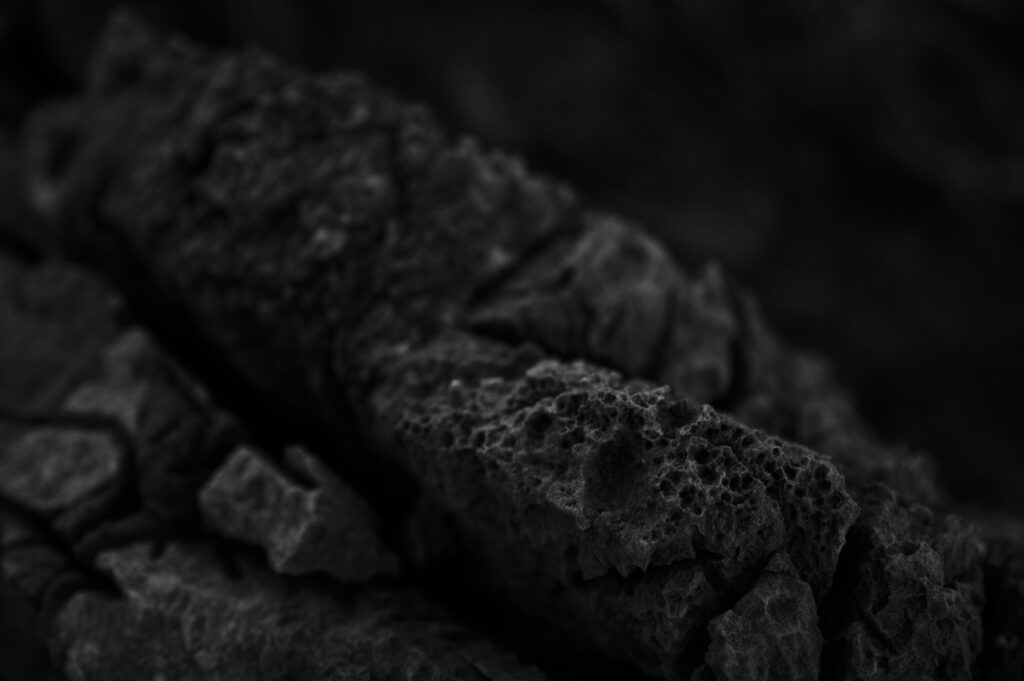
You are considering taking shilajit, or you have started taking salajeet from a local market and noticed unexpected symptoms. While many seek out shilajit benefits for energy and stamina, understanding shilajit side effects is critical because the unregulated market in Pakistan carries real risks. If you buy raw resin from a local pansari without knowing how it was purified, you could be putting heavy metals into your body.
Key takeaways
- Unpurified shilajit carries high risks of heavy metal contamination.
- Pregnant women, nursing mothers, and people with severe kidney issues must avoid it completely.
- Stop taking it and consult a doctor if you experience stomach pain, diarrhea, or unusual symptoms.
What Are the Heavy Metal Shilajit Side Effects in Unpurified Resin?
The most severe shilajit side effects stem directly from heavy metal poisoning found in raw, unpurified resin. Sourced from geological areas like Gilgit-Baltistan, this raw substance frequently contains hazardous levels of lead, arsenic, and cadmium, making proper Ayurvedic purification absolutely essential for safety before human consumption.
The biggest danger of taking shilajit in Pakistan is heavy metal poisoning from raw, unpurified resin. Geological conditions in areas like Gilgit-Baltistan mean the raw substance is often tainted with hazardous heavy metals like lead, arsenic, and cadmium.
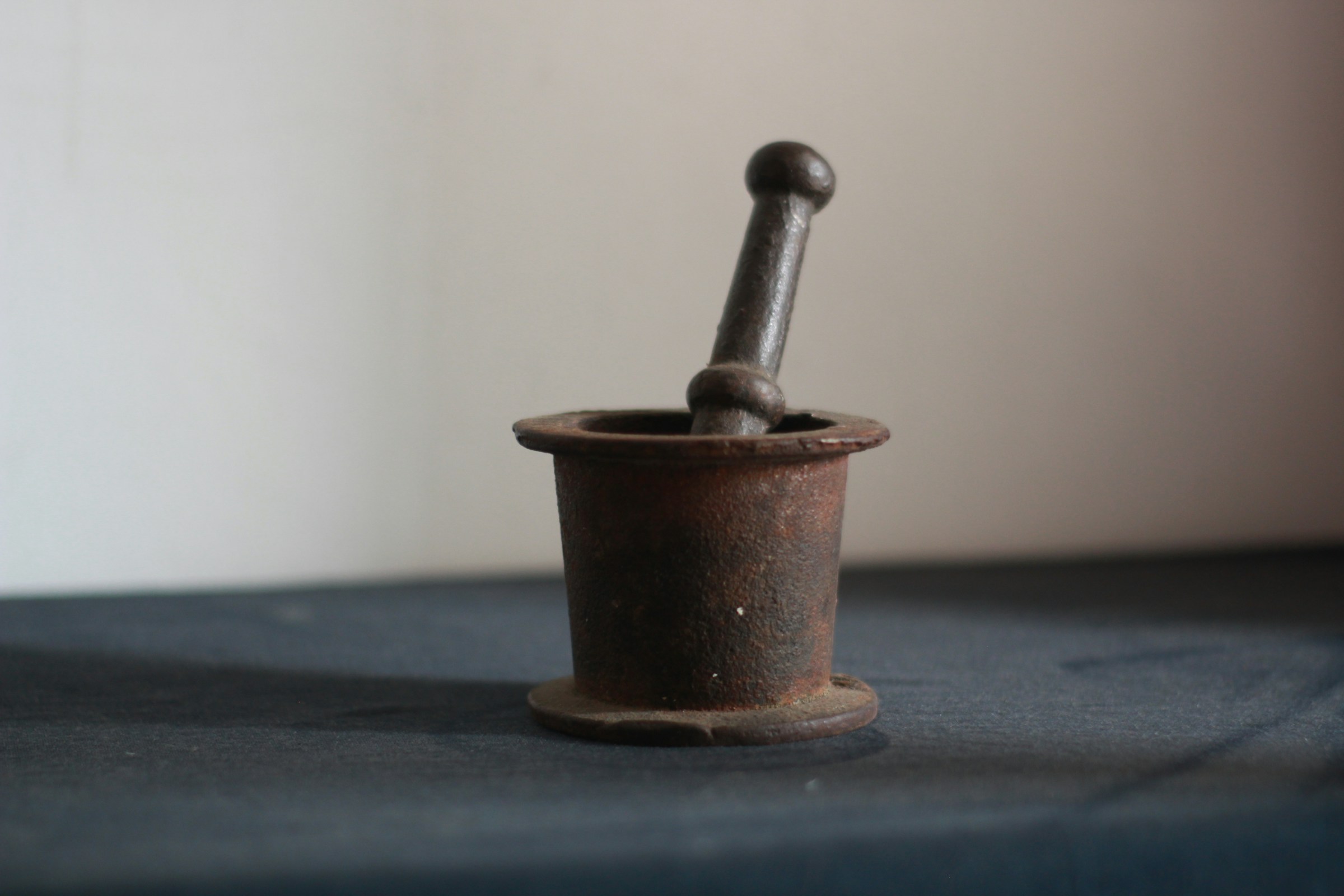
When you walk into a traditional herbal shop or visit a local hakeem in Lahore, Karachi, or Peshawar, you will often see raw salajeet sold directly from large blocks. Many buyers assume that natural means safe. This is a dangerous assumption. The intake of raw shilajit without proper processing could trigger severe health issues because of these poisonous elements.
The purification process, known in traditional Ayurvedic medicine as Shodhana, is completely necessary to make the resin safe for human consumption. Without this thorough process, the heavy metals remain active and dangerous. High proportions of heavy metals, with studies showing lead bioaccessibility up to 88 percent in the stomach and arsenic up to 82 percent, can be absorbed if the product is not properly processed. This means your body absorbs these toxic metals along with any beneficial compounds you were hoping to get.
Heavy metals build up in your tissues over time, leading to chronic health problems that can be difficult to diagnose. People often confuse the early symptoms of heavy metal exposure, such as severe fatigue, joint pain, or a metallic taste in the mouth, with the product starting to work in their system. You should never accept raw, unprocessed rock from a vendor without a verified certificate of analysis proving that the heavy metals have been completely removed.
In Pakistan, where regulatory oversight on local herbal products can be loose, the responsibility falls entirely on you to ensure what you are buying is actually purified. Buying the cheapest option in the local market is the easiest way to expose yourself to dangerous levels of heavy metals.
Who Should Completely Avoid Shilajit?
Pregnant women, breastfeeding mothers, and individuals with severe kidney disease must completely avoid shilajit. There are no clinical safety studies confirming it is safe during pregnancy, and the potential risk of heavy metal exposure or overburdening already damaged kidneys is simply too high to justify taking it.
Pregnant women and breastfeeding mothers must completely avoid shilajit. There are no safety studies confirming it is safe during pregnancy, and the risk of exposing a developing fetus to heavy metal contamination is simply too high.
Beyond pregnancy, anyone currently taking prescribed medicines needs to exercise extreme caution before adding this supplement to their daily routine. Because it may alter blood chemistry or blood sugar, consult a doctor before mixing it with antidiabetics or antihypertensives. Many adults in Pakistan rely on daily medicines to manage chronic conditions like diabetes and high blood pressure. If you take metformin, amlodipine, or any other blood pressure or diabetes medication, do not stop or change any prescribed medicine without consulting your doctor first. The risk of an unexpected drug interaction is not worth the potential benefits of the supplement.
People with severe kidney disease should also stay completely away from this supplement. The kidneys are responsible for filtering waste products from your blood. When you introduce a complex mineral compound that might contain trace amounts of heavy metals, you place a massive extra burden on your kidneys. A healthy body can usually process the trace minerals found in a properly purified high-quality resin, but damaged kidneys might struggle, leading to further complications.
If your doctor has put you on a restricted diet for kidney health, limiting things like sodium or potassium, you must treat this supplement like any other restricted food or medicine. The mineral density of the resin means it could interfere with the delicate balance your kidneys are trying to maintain. It is always better to err on the side of caution and skip the supplement entirely if your renal health is compromised.
What Are the Potential Effects on Kidneys and Liver?
Properly purified shilajit does not cause liver toxicity; in fact, animal studies suggest it may offer hepatoprotective effects. However, consuming cheap, unpurified resin forces your liver and kidneys to work extremely hard to process dangerous heavy metals, which ultimately causes severe organ stress and long-term toxicity.
Many people worry that shilajit causes liver damage, but evidence suggests the opposite when the resin is properly purified. Shilajit does not cause liver toxicity; in fact, animal studies indicate it might have hepatoprotective effects that support liver health.
The liver is your body’s primary detoxification organ, which makes people assume that taking a strong, dark, tar-like resin will overwhelm it. In studies on rats, regular administration of standard doses showed no significant adverse changes in the liver, while very high doses showed only negligible changes. These studies show that the liver can easily handle the purified resin without showing elevated enzymes or signs of severe stress.
However, this safety profile relies entirely on the product being completely pure. If you consume cheap, unpurified salajeet bought from an unregulated market, your liver has to work incredibly hard to process the heavy metals like lead and arsenic. Over time, processing heavy metals is what causes liver stress and toxicity, not the pure shilajit itself. When buying the supplement, your primary concern should be the purity of the product rather than an inherent risk to your liver from the natural humic and fulvic acids.
If you already have a diagnosed liver condition, such as fatty liver disease or hepatitis, your liver is already working harder than usual. In these cases, even properly purified supplements should only be taken after a clear discussion with your healthcare provider. Do not rely on local hearsay that the resin will fix liver issues. While animal studies show potential support, this is not a substitute for professional medical care. Always prioritize your doctor’s advice over claims made by local vendors.
How Does Shilajit Impact Blood Pressure and Heart Rate?
Clinical evaluations show that standard doses of purified shilajit do not produce significant changes in blood pressure or resting heart rate in healthy individuals. If you experience an immediate racing heart or severe blood pressure spikes, it is likely caused by dangerous adulterants mixed into the local resin.
A common myth in local markets is that shilajit significantly alters your heart rate or blood pressure immediately after taking it. Clinical evaluation in normal human subjects shows that standard doses do not produce any significant change in blood pressure or pulse rate.
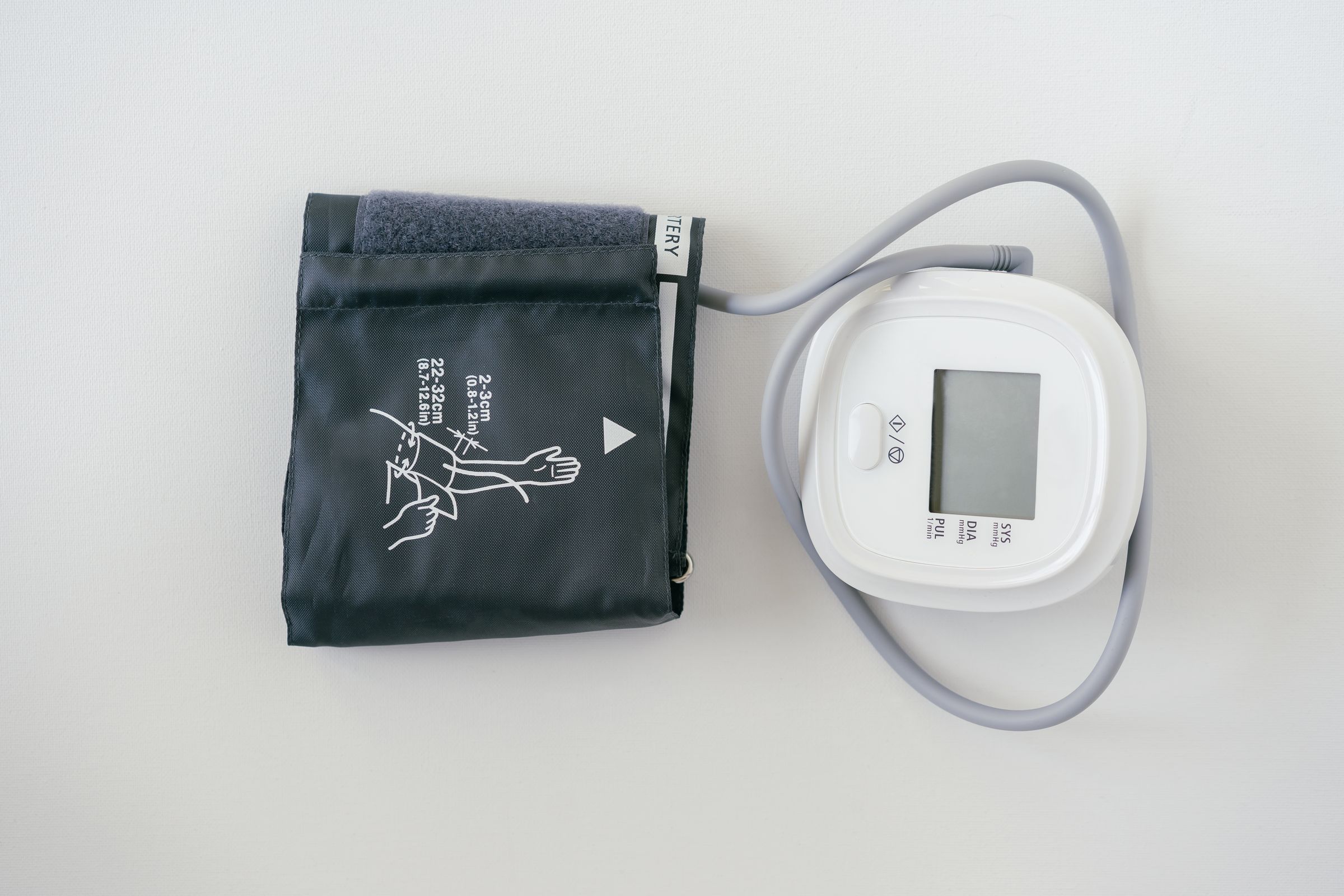
Some vendors claim the resin works by rapidly increasing blood circulation, causing a racing heart or a feeling of intense heat. The evidence shows no such immediate spike in healthy individuals. If you experience a racing heart after taking a local dose, it might be due to an adulterant mixed into the salajeet, or perhaps you consumed a very high amount of caffeine or strong tea alongside it. The pure resin is a mineral complex, not a strong stimulant. For example, taking it right after eating a heavy breakfast of paratha and then expecting an energy spike like caffeine gives is unrealistic.
You should always monitor how you feel when starting any new supplement. Keep an eye on your blood pressure if you have a history of hypertension, which is very common in Pakistan. Although clinical studies show no significant changes in healthy volunteers, individual reactions can vary widely. If you are already managing your blood pressure with lifestyle changes or prescribed drugs, you must be careful not to attribute sudden changes to the supplement without medical advice.
Again, do not stop or change any prescribed medicine without consulting your doctor. Maintaining stable blood pressure is far more important than any potential benefit from an unverified local supplement. If you notice your readings fluctuating after starting the resin, stop taking it and see if your levels stabilize.
Which Symptoms Mean You Should Stop Taking It?
You should stop taking the supplement immediately if you experience persistent stomach pain, severe diarrhea, unusual dizziness, sudden vomiting, extreme fatigue, or a lingering metallic taste in your mouth. These are not normal cleansing reactions and strongly indicate either dangerous bacterial contamination or heavy metal toxicity.
Purified shilajit shows no serious adverse events in healthy adults, and laboratory safety parameters remain within normal limits during short-term use. If you experience severe symptoms, they usually indicate heavy metal toxicity or contamination.
Stop taking the product immediately if you experience persistent stomach pain, severe diarrhea, dizziness, or vomiting. These are not normal side effects of the purified resin. In Pakistan, people sometimes assume a bad stomach means the body is cleansing itself of toxins. This is a dangerous misconception. Your body does not need to cause you severe pain or prolonged diarrhea to process a safe, natural supplement.
If your stomach is upset, it is likely reacting to an impurity, a bacterial contaminant from poor handling, or a dangerously high dose. Many people try to mix it into their morning lassi or take it with a hot roti, assuming traditional foods will protect their stomach, but this will not shield you from heavy metals.
Headaches, extreme fatigue, and a metallic taste in your mouth are other major red flags. These can be early warning signs of heavy metal exposure. If you notice these symptoms, throw the product away and speak to a healthcare professional immediately. A high-quality, properly purified resin should leave you feeling normal, perhaps with slightly more sustained energy over time, but it should never cause acute physical distress.
Taking a break from the supplement allows your body to recover and helps you confirm whether the resin was the actual cause of your symptoms. Always listen to your body and prioritize safety over finishing a jar of an unregulated product. It is never worth suffering through severe side effects just because you spent money on a local remedy. Your long-term health is vastly more important.
Frequently asked questions
Is shilajit safe for daily use?
Yes, but only if it is properly purified and tested for heavy metals. Raw or unpurified versions are dangerous for daily use because heavy metals can build up in your body over time and cause serious health issues.
Does shilajit cause stomach pain or diarrhea?
Properly processed shilajit should not cause stomach pain or diarrhea. If you experience these symptoms, it often means the product is contaminated with bacteria or heavy metals, or you are taking a very high dose.
Can women take shilajit safely?
Women can safely take purified shilajit, provided they are not pregnant or breastfeeding. Pregnant and nursing mothers must avoid it completely due to the complete lack of safety data and the risk of heavy metal exposure.
What are the most common shilajit side effects from poorly purified resin?
Taking poorly purified shilajit can lead to heavy metal poisoning. Over time, exposure to elements like lead and arsenic can cause severe organ damage, nervous system issues, and other serious long-term health problems.
About the author

RD Saeed Ahmad, MSPHCo-founder and nutritionist, Nuritron
Nutritionist and public health researcher, and co-founder of Nuritron. Works in clinical and community nutrition, type 2 diabetes and One Health policy.
View full profile and articlesAbout the reviewer

Jamshaid Ibrahim, HNDNutritionist and food processing specialist
Nutritionist and food processing specialist. Built production for traditional health products at Glaxay Foods, with the food safety and packaging compliance behind it.
View full profile and articles