
When looking up “is whey protein safe side effects,” many people worry about the safety of gym supplements. For healthy individuals, pure whey protein is entirely safe and will not damage your kidneys, but you must be careful to avoid fake products in the local market and check for medication interactions.
Key Takeaways
- Whey protein is generally safe for healthy individuals but can cause bloating if you are lactose intolerant.
- It does not damage healthy kidneys, but those with pre-existing kidney conditions must consult a doctor before using it.
- Fake supplements are a major risk in Pakistan; you should only buy from DRAP-registered or official distributors.
- Whey protein can block your body from absorbing certain antibiotics and Parkinson’s medications, so time them carefully.
Is Whey Protein Safe? Side Effects on Kidney Health
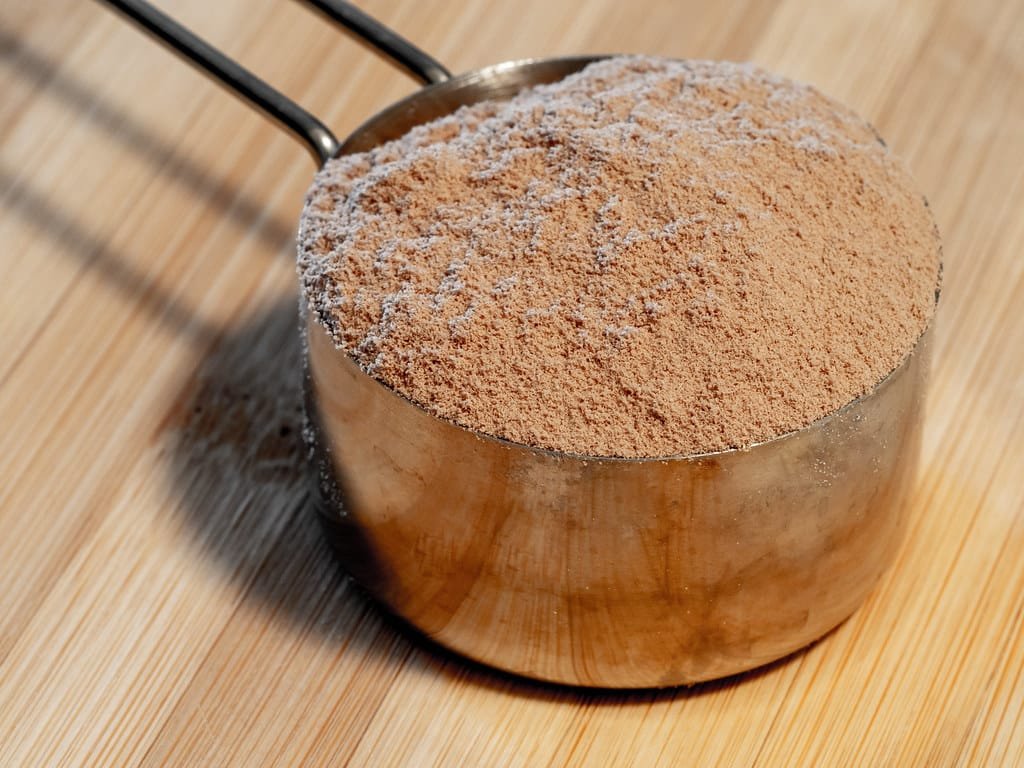
Whey protein does not harm healthy kidneys. However, if you already have chronic kidney disease, you should not take protein supplements without speaking to a doctor. Healthy kidneys can easily process a high-protein diet without any damage.
Many people worry that extra protein puts too much strain on the kidneys. You may hear from older relatives or trainers that protein powders are artificial and will eventually ruin your renal health. This is a myth. When you consume protein, your kidneys naturally increase their filtration rate to clear the waste products. Studies show that a high protein intake does not lower kidney function in healthy adults. This natural increase in filtration is a normal physiological response, not a sign of stress or injury. Another large review confirmed that even with a high-protein diet, healthy kidneys show no signs of injury or disease over time.
However, the rules change entirely if you have pre-existing kidney disease. When kidneys are already damaged, they cannot handle the extra filtration work. Clinical guidelines from the National Kidney Foundation strictly recommend a low-protein diet for people with chronic kidney disease to protect their remaining kidney function. If you have a kidney condition, you must avoid whey protein unless a nephrologist prescribes it. For everyone else, taking a scoop of whey protein after a workout is completely safe for your kidneys and acts just like eating a chicken breast or a serving of daal.
Digestive Issues: Lactose vs Isolate Explained

If you get bloated or gassy after drinking whey protein, you are likely reacting to the lactose, not the protein itself. Switching to whey protein isolate can fix this problem because it has almost all the lactose removed.
Whey protein comes from milk, which contains a natural dairy sugar called lactose. Whey protein concentrate usually contains between four and eight percent lactose by weight. If you are lactose intolerant, your body lacks the enzyme needed to break this sugar down. As a result, the lactose travels to your lower gut, where bacteria ferment it, causing stomach cramps, excessive gas, and painful bloating. Many people mistake this common dairy intolerance for a dangerous side effect of the protein powder itself.
To avoid this uncomfortable bloating, you can switch your supplement and buy whey protein isolate instead. The manufacturing process for isolate aggressively filters out the milk fat and reduces the lactose to less than one percent. Most people who are lactose intolerant can safely handle up to 12 grams of lactose in one sitting without severe symptoms. Since a standard scoop of whey isolate has less than half a gram of lactose, it is generally very well tolerated by the stomach, even for those who cannot drink a regular glass of milk.
Does Whey Protein Cause Acne or Hair Loss?
Evidence on whey protein and acne is mixed, with some gym-goers experiencing breakouts while controlled trials show little effect. The idea that whey protein causes hair loss is a myth, often confused with the effects of extreme dieting or illegal steroids.
Many teenagers and young adults notice skin breakouts when they start taking supplements. One observational study in Jordan found that young men who took whey protein had a higher chance of developing acne compared to those who did not. Dairy products contain compounds that may increase certain hormones like IGF-1, which causes your skin to produce more oil and clog pores. However, a six-month controlled trial showed no significant worsening of acne in men taking whey protein compared to a control group. The evidence remains mixed. If you notice severe breakouts on your face or shoulders, you might want to switch to a plant-based protein powder or egg white protein to see if your skin clears up.
You may also hear rumors in the gym that whey protein causes you to lose your hair or accelerates male pattern baldness. There is no proof that pure whey protein causes baldness. In many cases, hair loss in gym settings comes from extreme calorie restriction, intense physical stress, or from using unregistered supplements secretly spiked with illegal steroids. A pure, clean protein powder will not make your hair fall out.
How to Spot Fake or Contaminated Supplements in Pakistan
The Pakistani market is flooded with fake, unregistered gym supplements that may contain dangerous heavy metals. You should only buy whey protein that carries a DRAP Enlistment Number and comes from an authorized distributor.
Buying supplements from a local gym locker room or an unverified online store carries serious health risks. Counterfeiters often repackage cheap powders in branded tubs. A recent study tested dietary supplements sold in Lahore and found alarming levels of heavy metals, including cadmium, chromium, and nickel, that exceeded safe limits set by international health bodies. These metals can build up in your body over months and cause long-term health problems.
To protect consumers, the Drug Regulatory Authority of Pakistan (DRAP) requires all imported and local supplements to be registered. Legal products must display an official Enlistment Number (ELN) on the label, guaranteeing they have passed a basic safety inspection.
| How to check | What to look for |
|---|---|
| DRAP Enlistment | Look for a Form-6 or Form-7 Enlistment Number on the tub. |
| Authorized Sellers | Buy only from official brand websites or verified pharmacies. |
| Price | If the price is much cheaper than standard market rates, it is likely fake. |
| Seal and Packaging | Check for poor printing quality, spelling mistakes, or broken inner seals. |
Medication Interactions: When to Be Careful
Whey protein can block your body from absorbing certain medications, including Parkinson’s drugs and some antibiotics. You must take these medications at least two hours apart from your protein shake.
If you take prescription medication, your protein powder might interfere with how well the drug works. Whey protein is rich in large amino acids that compete with levodopa, a common medication for Parkinson’s disease, making it much harder for the drug to cross into your brain and do its job. Taking them together can trigger severe motor symptoms because the medicine is blocked from absorbing.
Whey also contains naturally occurring calcium. Calcium binds to certain antibiotics like ciprofloxacin and osteoporosis medications like alendronate while they sit in your stomach. When this happens, your body might only absorb a tiny fraction of the medicine, which could lead to a serious treatment failure or lingering infection. Always separate your whey protein shake and these medications by at least two hours.
If you are starting a new fitness routine and want to use whey protein, check your daily needs in our guide on macronutrient daily requirements to see if you even need a supplement. Sports dietitians recommend meeting your protein needs through whole foods first. Many people in Pakistan get enough protein from daily meals containing chicken, beef, roti, and daal. If you experience severe stomach pain or sudden skin changes after using a new powder, stop taking it and consult a doctor.
Frequently asked questions
Can teenagers safely take whey protein?
Whey protein is safe for active adolescents. However, sports dietitians recommend that teenagers meet their protein needs through whole foods first. A protein shake is not toxic, but it should not replace core, nutrient-dense meals like chicken, daal, and chana.
What are the common is whey protein safe side effects questions?
When people ask “is whey protein safe side effects”, they are usually concerned about kidneys and digestion. For healthy individuals, the main side effect is simply bloating if you are lactose intolerant.
How do I know if my protein powder in Pakistan is fake?
Always look for a DRAP Enlistment Number on the label and buy from authorized pharmacies. Unregistered supplements carry a high risk of heavy metal contamination.
Is whey protein safe for my kidneys?
Yes, whey protein is completely safe for healthy kidneys and does not cause damage. However, individuals with pre-existing chronic kidney disease should avoid high-protein supplements and consult their doctor.
About the author
Dr. Amna Noor, Pharm-DCommunity Pharmacist, IMA Pharmacy Plus, Rahim Yar Khan
Community pharmacist in Rahim Yar Khan and co-founder of Life-Med Consultancy, a social enterprise for chronic disease management, with a focus on patient counselling and diabetes care.
View full profile and articlesAbout the medical reviewer

RD Saeed Ahmad, MSPHCo-founder and nutritionist, Nuritron
Nutritionist and public health researcher, and co-founder of Nuritron. Works in clinical and community nutrition, type 2 diabetes and One Health policy.
View full profile and articles