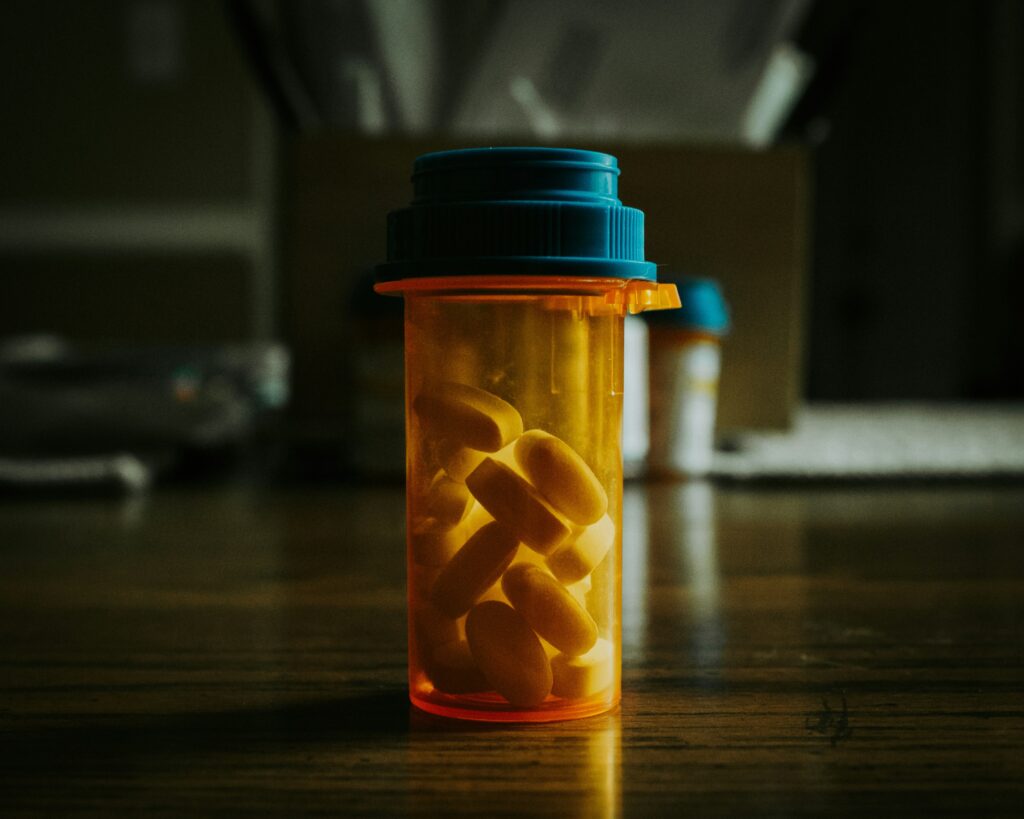
- “Natural” supplements can strongly interact with prescription drugs, either blocking them from working or dangerously increasing their side effects.
- Always disclose every supplement and herbal remedy to your doctor and pharmacist, including items bought from a local hakeem.
- Common everyday supplements like iron, calcium, and concentrated garlic extracts have documented interactions with thyroid medicines, antibiotics, and blood thinners.
Taking vitamins, minerals, and herbal extracts alongside prescription drugs is an incredibly common practice, but understanding every supplement medication interaction pakistan patients face is crucial for safety. You might pick up a jar of ashwagandha from a local hakeem shop to help with stress, or buy garlic capsules and high-dose vitamin D directly from the pharmacy counter. Because these products are readily available without a prescription, it is easy to assume they are entirely harmless.
However, mixing these products with daily medicines like metformin for diabetes, levothyroxine for your thyroid, or warfarin to thin your blood can cause unexpected and sometimes dangerous effects. When you combine powerful concentrated supplements with your prescribed treatments, you change how your body processes those drugs.
Why “Natural” Does Not Mean Safe
Many people believe that because a remedy comes from a plant or is sold as a nutrient, it cannot cause harm. This is not true. Herbal and nutritional supplements can alter how your body absorbs, breaks down, or gets rid of conventional prescription drugs. When you swallow a pill, your stomach and intestines must absorb it, and your liver must process it.
When you take a natural remedy at the same time as a prescription drug, they can compete in your digestive system. The supplement can block your medicine from being absorbed properly. This means you get a lower amount of the medicine than your doctor intended. Alternatively, the supplement might stop your liver from breaking down the prescription drug, causing the medication to build up in your system and create dangerous side effects.
Research shows that a large number of people take both herbs or supplements and prescription drugs simultaneously, often without realising the risks involved. In Pakistan, it is common to rely on traditional desi remedies alongside modern medicine. Because many patients do not mention these natural products to their doctors, these interactions often go unnoticed until a serious health problem occurs. It is crucial to view every capsule, powder, and extract as an active substance that can trigger a dangerous supplement medication interaction pakistan doctors warn about.
Common Supplement Medication Interaction Pakistan: Vitamins and Minerals
Vitamins and minerals are essential for good health, but taking them in concentrated pill form can interfere with your daily medications. Iron tablets and high-dose vitamin D are widely prescribed across the country to combat common deficiencies. These pills require careful timing and management to avoid a supplement medication interaction pakistan residents frequently experience.
| Supplement | Medication | What Can Happen |
|---|---|---|
| Iron tablets | Levothyroxine (thyroid medicine) | Iron decreases the absorption of the thyroid medicine. |
| Vitamin B12 | Metformin (diabetes medicine) | Metformin can lower your vitamin B12 levels over time. |
If you take levothyroxine for an underactive thyroid, you need to be very careful with iron supplements. Iron deficiency is extremely common, especially among women, and doctors frequently recommend iron tablets. However, strong evidence shows that taking iron supplements at the same time as levothyroxine significantly reduces how much of the thyroid medicine your body can absorb. Your thyroid condition might remain uncontrolled even if you take your medicine faithfully every single day.
If you are concerned about your nutritional levels, you can learn more about vitamin D deficiency in Pakistan.
Additionally, if you take metformin for diabetes, your doctor might monitor your vitamin B12. Because metformin can reduce vitamin B12 absorption over time, many patients take a supplement to maintain healthy nerve function. You can read more about metformin and vitamin B12 to understand this specific relationship.
Traditional Herbal Supplement Medication Interaction Pakistan
Herbal remedies like haldi (turmeric) powder from Jinnah Bazaar or concentrated garlic capsules are widely used for general health. You might add a pinch of haldi to warm milk or use fresh garlic in your daily cooking alongside traditional greens like palak, methi, and sarson ka saag.
Cooking with normal amounts of these ingredients in a regular salan or karahi is generally safe. However, taking them as highly concentrated herbal extracts acts just like taking a drug, causing a supplement medication interaction pakistan patients should avoid.
| Supplement | Medication | What Can Happen |
|---|---|---|
| Garlic extract pills | Warfarin (blood thinner) | Increases the risk of bleeding. |
| Ashwagandha | Thyroid medicines | May alter thyroid hormone levels. |
If you take blood thinners like warfarin to prevent clots, you must be extremely cautious with herbal supplements. Studies in older adults show that concentrated garlic supplements increase the risk of bleeding when combined with warfarin. If you take them together, you could experience increased bleeding from minor cuts.
Ashwagandha is another incredibly popular remedy, often bought from hakeem shops to reduce stress and boost energy. However, limited evidence from a narrative review suggests it may pose significant risks for patients with thyroid disorders. This warning comes from a general review rather than a strict clinical trial, so the exact effects are still being studied. Still, it may alter your thyroid hormone levels and impact how well your thyroid medication works.
Before trying any herbal powders, plant extracts, or fitness products, always tell your pharmacist. This rule includes items like protein powders often consumed with milk or a plain roti. If you use whey protein to build muscle, check our guide on whey protein safety in Pakistan to ensure you are choosing products that fit safely into your lifestyle.
How to Take Supplements Safely With Medications
You do not necessarily have to give up your nutritional supplements or herbal remedies, but you do need to take them correctly. The most effective way to prevent these products from clashing in your stomach is to change when you swallow your pills.
Clinical guidelines strongly recommend staggering the times you take certain supplements and your interacting medications. For example, you must maintain a proper time interval between your levothyroxine and your iron supplements. This allows your body to absorb the thyroid medicine fully before the iron enters your system. By separating them by several hours, you give your body time to process the first pill before introducing the second.
Always ask your doctor or pharmacist about the correct timing for your specific prescriptions. Bring all your supplement bottles, including herbal teas, vitamin drops, and desi remedies, to your next appointment. Your healthcare provider can help you create a safe daily schedule.