Budget meal planning in Pakistan is a practical system for feeding your family balanced, nutritious meals without exceeding your monthly household grocery budget. At Nuritron, our evidence-based food guide shows how everyday local staples provide complete daily nutrition as food prices climb across the country.
When grocery bills rise, many families assume that wholesome eating must take a back seat. Common advice often promotes expensive foreign superfoods or rigid commercial diets. Yet traditional Pakistani agriculture offers an abundance of affordable, nutrient-dense staples. Pulses, whole grains, seasonal vegetables, and farm eggs supply high-quality nutrition at a fraction of the cost of red meat or packaged foods. By aligning daily meals with World Health Organization dietary standards, you can protect your family’s health and reduce monthly kitchen expenses.
Key takeaways
- Healthy eating in Pakistan does not require expensive imported foods or daily meat. Traditional staples like pulses, eggs, whole grains, and seasonal bazaar produce provide complete daily nutrition at a fraction of the cost.
- The Pakistani budget plate model allocates half your plate to seasonal market vegetables and salads. The remaining half is split equally between affordable proteins (daal, chana, eggs, dahi) and whole grains (chakki atta).
- Cutting cooking oil and banaspati ghee from typical intakes down to 20–30 grams (1.5 to 2 tablespoons) daily cuts grocery expenses substantially while protecting heart health.
- Batch cooking staple ingredients (boiling pulses in bulk, preparing a master bhuna masala, and par-cooking chapatis) saves cooking gas, slashes kitchen time, and avoids expensive takeaway orders.
- Navigating load shedding requires dividing hot food into shallow containers, cooling it within two hours, and keeping refrigerator doors shut during blackouts.
- Shopping at wholesale grain markets (ghalla mandi) and morning vegetable bazaars (sabzi mandi) allows families to bypass retail markups and purchase fresher whole foods.
Why Healthy Eating on a Budget Feels Impossible in Pakistan
Healthy eating on a budget feels impossible in Pakistan because food inflation has raised grocery bills while popular advice promotes expensive imported foods. In reality, traditional local staples like pulses, eggs, stone-ground whole wheat, and seasonal vegetables provide complete daily nutrition at a fraction of the cost of red meat or packaged snacks.
Recent food inflation has hit Pakistani households hard. Many urban and rural families spend half or more of their total monthly income strictly on basic food. When trying to eat better, people often encounter foreign advice prescribing salmon, avocados, blueberries, and quinoa. These foods carry luxury prices and are absent from local bazaars. A single meal made from imported ingredients can exceed an average family’s entire daily grocery budget.
Faced with these high prices, many households rely on cheap, refined carbohydrates like white flour (safaid maida), polished rice, sugary chai, and hydrogenated banaspati ghee. These items supply cheap calories, but lack essential vitamins, minerals, and dietary fibre. Over time, this dietary pattern fuels rising rates of obesity, hypertension, and type 2 diabetes across Pakistan.
Nutritional health does not require elite specialty foods. The UNICEF Cost of the Diet report in Pakistan confirmed that local markets stock items capable of meeting daily nutrient requirements. The primary barrier is not physical food availability, but purchasing power and food habits. The report showed that relying on red meat and poultry creates the heaviest financial burden for Pakistani families.
Global economic modeling confirms that shifting toward plant-forward diets lowers food costs compared to meat-heavy patterns. A modeling study across 150 countries published in The Lancet Planetary Health found that healthy plant-rich diets were up to 22% to 34% cheaper than typical diets in upper-middle and high-income regions. In lower-middle-income countries, plant-forward diets based on whole grains and legumes were substantially less costly than Western meat-based diets. Across higher-income regions, meat accounted for 32% to 34% of total food costs, representing the single largest grocery expense.
Eating a Balanced Diet on a Tight Budget in Pakistan
Eating a balanced diet on a tight budget in Pakistan means replacing high-cost red meat with affordable plant proteins, choosing stone-ground chakki flour, and buying seasonal bazaar produce. This combination satisfies international nutritional benchmarks for complete protein, dietary fibre, and essential micronutrients without straining your monthly household finances.
A balanced diet supplies the right proportion of nutrients to support daily energy and metabolic health. Global guidelines from the World Health Organization recommend that 45% to 75% of daily energy come from unrefined carbohydrates, particularly whole grains, vegetables, and pulses. Dietary fat should supply 15% to 30% of total calories, while daily dietary fibre intake should reach at least 25 grams for everyone older than 10 years. You can review our guide on macronutrient daily requirements to calculate your individual needs.
Meeting these targets economically requires choosing foods with high nutrient efficiency. In local butcher shops, beef and mutton cost 1,200 to 2,400 rupees per kilogram. In contrast, dried pulses like daal chana, daal masoor, and white lobia cost 280 to 450 rupees per kilogram. Farm eggs provide another economical source of high biological value protein. One egg delivers roughly 6 grams of protein for around 30 rupees, providing absorbable protein at a much lower cost than chicken or beef.
Plant proteins also supply rich dietary fibre, which animal meat lacks entirely. A systematic review and meta-analysis of 185 prospective studies and 58 clinical trials published in The Lancet examined carbohydrate and fibre quality. The analysis showed that consuming 25 to 29 grams of dietary fibre daily was linked to a 15% to 30% decrease in all-cause mortality, cardiovascular disease, stroke, and type 2 diabetes.
| Food Staple | Primary Nutrients | Fibre (per 100g raw) | Protein (per 100g raw) | Practical Kitchen Role |
|---|---|---|---|---|
| Daal Chana | Complex carbs, plant protein | 15–18g | 20–22g | Economical, high satiety, long shelf life in dry pantry |
| Daal Masoor | Plant protein, iron, folate | 10–12g | 24–25g | Cooks quickly without pressure cooker for weeknight curries |
| White Lobia | Soluble fibre, plant protein | 10–13g | 21–23g | Hearty texture in salan, supports steady blood glucose |
| Farm Eggs | High biological value protein | 0g | 12–13g (6g/egg) | Versatile, fast cooking, affordable animal protein |
| 100% Chakki Atta | Complex carbs, B vitamins | 10–12g | 11–12g | Four times the fibre of maida, contains bran and germ |
| Seasonal Palak & Methi | Vitamin A, vitamin C, potassium | 3–4g (fresh) | 2–3g | Inexpensive in winter bazaars, rich in minerals |
| Homemade Plain Dahi | Probiotics, calcium, protein | 0g | 3–4g | Affordable digestive support when set at home from milk |
The Pakistani Budget Plate: Prioritising Whole Grains, Pulses, and Seasonal Sabzi
The affordable Pakistani budget plate divides every meal into three functional sections. Fill half your plate with seasonal market vegetables and fresh salads, one quarter with plant protein like daal or eggs, and one quarter with unrefined whole grains like stone-ground chakki roti. This simple framework delivers balanced nutrition effortlessly.
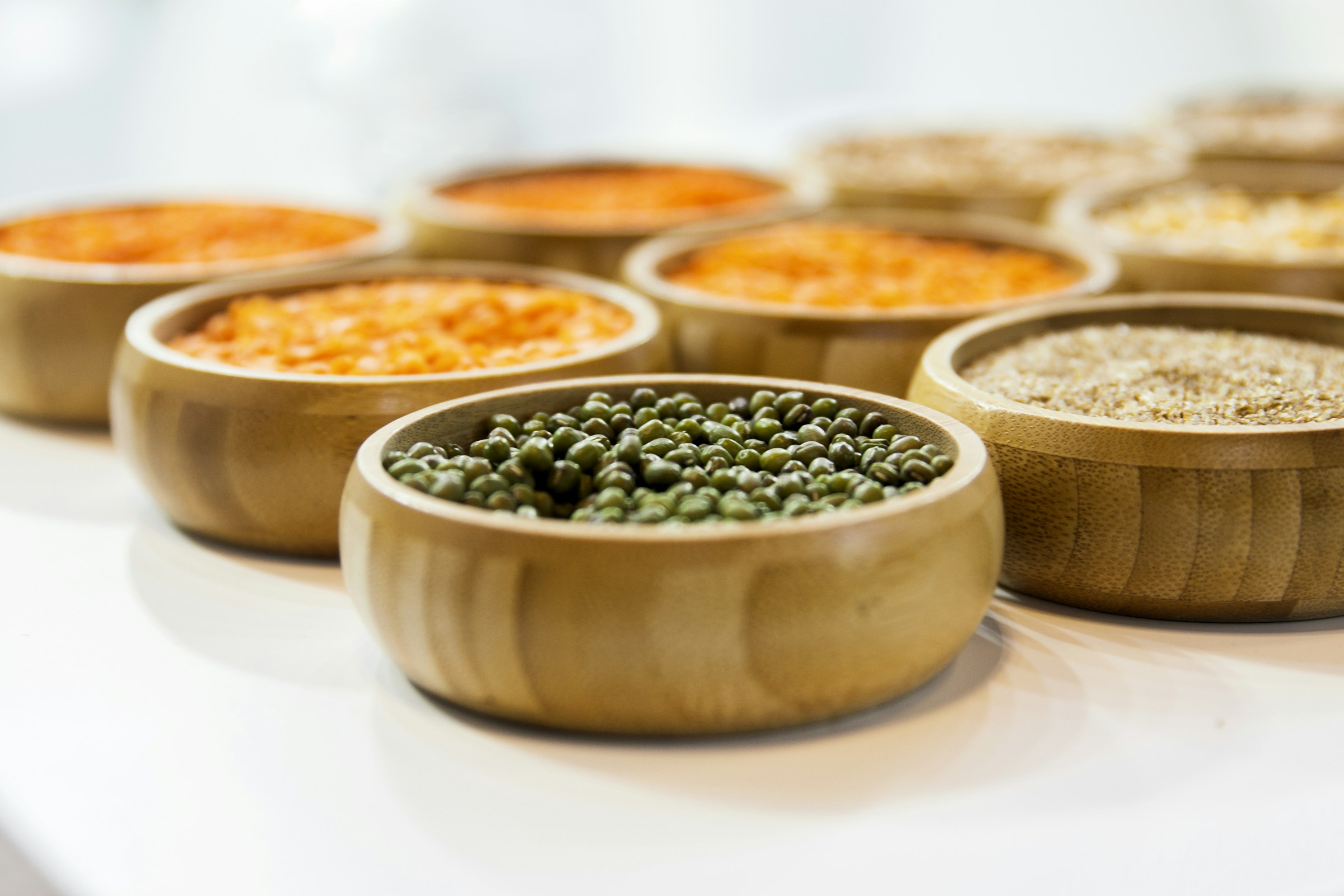
Traditional Pakistani meals often tilt heavily toward refined starches and oily gravies. A typical dinner might feature three white flour rotis or a mound of polished rice, accompanied by oily salan with very few vegetables. This unbalanced pattern delivers surplus refined starch and saturated fat, but little protective fibre. For practical visual portioning, read our guide on what a balanced diet actually looks like on a Pakistani plate.
To build a healthier plate on a budget, allocate half your plate to seasonal vegetables. This includes cooked sabzi (such as bhindi, tori, or gobi) paired with fresh kachumber salad made from cucumbers, tomatoes, and onions. World Health Organization guidelines recommend eating at least 400 grams of fruits and vegetables daily. An extensive meta-analysis of 95 prospective cohort studies published in the International Journal of Epidemiology evaluated vegetable and fruit intake. The study found that eating 400 to 800 grams of produce daily was associated with significant reductions in stroke, heart disease, and all-cause mortality. Green leafy vegetables like palak and methi showed especially strong protective links.
Dedicate one quarter of your plate to wholesome protein like daal or eggs. Many people worry that plant proteins are incomplete because individual plant foods lack optimal ratios of certain amino acids. Nutritional evidence suggests that this concern is largely overstated.
Evidence indicates that traditional legumes, nuts, and seeds are sufficient to achieve full protein adequacy in adults. Combining cereal grains with legumes is a time-tested feature of traditional diets. Whole-wheat flour is rich in sulfur amino acids like methionine, but low in lysine. Legumes are rich in lysine, but modest in methionine. When you eat whole-wheat chakki roti with daal or chana, the foods complement each other to supply a complete essential amino acid profile comparable to animal meat. Explore our guide on the best local protein foods in Pakistan beyond meat for more options.
Fill the remaining quarter of your plate with unrefined whole grains like 100% stone-ground chakki atta. Reynolds and colleagues confirmed that replacing refined grains with whole grains significantly lowers body weight, blood pressure, and cholesterol. Consult our breakdown of high-fibre Pakistani foods to compare grain options.
Safety considerations are vital for specific health conditions. If you take prescription medication for diabetes or blood pressure, do not change or stop your medication without speaking to your doctor first. If you have advanced chronic kidney disease, speak to your doctor or kidney specialist before increasing your intake of high-potassium pulses and leafy greens. If you have type 2 diabetes and take insulin or sulfonylurea tablets, maintain consistent carbohydrate portions across meals and coordinate changes with your doctor to avoid hypoglycaemia.
The Cooking Oil Reality: How Cutting Oil and Tari Saves Money and Protects Your Heart
Cutting cooking oil saves substantial grocery money and protects cardiovascular health by eliminating surplus calories and harmful industrial trans fats. Traditional Pakistani curries often use excessive oil and banaspati ghee. Reducing daily intake to 1.5 to 2 tablespoons per person preserves traditional handi aroma while dramatically lowering dietary heart disease risks.
In many Pakistani kitchens, a curry is considered incomplete unless a thick red layer of oil (tari) floats on top. This practice drains household finances. Cooking oil and banaspati ghee represent one of the costliest items on the grocery list. A five-litre tin costs thousands of rupees, and families often consume 10 to 12 litres each month.
Cooking oil provides roughly 126 calories per single level tablespoon (14 grams). Pouring half a cup of oil into a family handi adds hundreds of unnecessary calories per portion. Furthermore, many families use partially hydrogenated banaspati ghee because it costs less than liquid oil.
Medical literature documents the serious cardiovascular risks of banaspati ghee. A study in The Journal of Clinical Hypertension showed that Pakistan has high consumption of trans-fatty acids, driven largely by partially hydrogenated vanaspati ghee. The World Health Organization recommends that total dietary fat remain below 30% of daily calories, saturated fat remain under 10%, and industrial trans fats be eliminated entirely. Learn more about avoiding harmful hydrogenated fats in our guide on trans fat and banaspati in Pakistan.
The benefits of reducing solid fats are well documented. A Cochrane systematic review of 15 randomized controlled trials with 56,675 participants confirmed that reducing dietary saturated fat reduces combined cardiovascular events by 17%. Replacing saturated fat with polyunsaturated plant oils or complex carbohydrates leads to meaningful cardiovascular protection.
You can halve your oil expenses without losing authentic desi taste. Measure cooking oil with a spoon instead of pouring freely. Aim for 1.5 to 2 tablespoons per adult daily. When cooking your masala base, sauté onions and spices in two tablespoons of oil. When the spices begin to stick, add two tablespoons of water rather than more oil. The steam deglazes the pan and browns onions evenly without floating grease.
Budget Meal Planning in Pakistan: A Practical 7-Day Breakfast, Lunch, and Dinner Plan
A practical 7-day Pakistani budget meal plan relies on versatile pantry staples, planned dinner leftovers for next-day lunches, and balanced plate proportions. By alternating between diverse pulses, seasonal vegetables, eggs, and occasional poultry, your family enjoys varied, satisfying, and culturally authentic meals every day while keeping food expenditure strictly controlled.
Most online meal plans fail because they require cooking three separate recipes from scratch each day. In everyday Pakistani households, dinner leftovers naturally become the next day’s lunch. This planned leftover rhythm cuts cooking gas consumption, halves preparation time, and eliminates expensive takeaway meals.
This 7-day template provides complete macronutrient balance, adequate protein, generous fibre, and essential micronutrients using affordable local bazaar ingredients.. For broader menu ideas and healthy weight management, explore our guide on evidence-based weight loss and balanced meal planning in Pakistan.
| Day | Breakfast (Nashta) | Lunch (Dopahar ka Khana) | Dinner (Raat ka Khana) | Evening Snack & Chai |
|---|---|---|---|---|
| Monday | 1 boiled egg, 1 small chakki roti, sliced cucumber and tomato | Leftover Sunday daal chana, 1 chakki roti, kachumber salad | Seasonal aloo palak (1 tbsp oil), 1 cup boiled rice, homemade dahi | 1 cup milk chai (no added sugar), roasted black chana |
| Tuesday | Homemade dahi with 1 cup cooked wheat dalia, pinch of cinnamon | Leftover aloo palak, 1 medium chakki roti | Daal masoor with zeera tadka (1 tsp oil), 1 chakki roti, raw onion | 1 local seasonal fruit (amrood or kinnow), green tea |
| Wednesday | Besan cheela (chickpea flour pancake with onions and tomatoes) | Leftover daal masoor, 1 cup parboiled rice, kachumber salad | Bhindi sabzi (okra sautéed with onions and tomatoes), 1 chakki roti, 1 boiled egg | 1 cup milk chai (sugar-free), 1 plain whole-wheat rusk |
| Thursday | 1 egg sunny-side-up (1 tsp oil), 1 medium chakki roti, radish slices | Leftover bhindi sabzi, 1 chakki roti, small cup plain dahi | White lobia salan (black-eyed peas in gravy), 1 chakki roti, fresh salad | Handful roasted unsalted peanuts, 1 cup green tea |
| Friday | 1 cup spiced dalia with peas and carrots, 1 hard-boiled egg | Leftover white lobia salan, 1 cup boiled rice, fresh mint chutney | Chicken and vegetable mixed curry (bone-in chicken with tori), 1 chakki roti | 1 cup milk chai, roasted chana |
| Saturday | Anda bhurji (scrambled egg with chopped onion and tomato), 1 chakki roti | Leftover chicken and vegetable curry, 1 chakki roti, salad | Kaala chana salan (black chickpeas in gravy), 1 chakki roti, onion rings | 1 local seasonal fruit (guava or apple), lemon water |
| Sunday | 1 plain chakki paratha (brushed with 1 tsp oil), 1 boiled egg, dahi | Leftover kaala chana, 1 cup brown or parboiled rice, salad | Mixed vegetable daal (daal moong with cabbage and spinach), 1 chakki roti | 1 cup milk chai, roasted black chana |
Meal Prep on a Pakistani Budget: Save Time and Eat Better
Meal prep on a Pakistani budget saves cooking gas and kitchen time through strategic batch cooking of base ingredients. Pressure-cooking dried chickpeas and lentils, simmering a master bhuna masala gravy base, and par-cooking chapatis allows you to assemble nutritious desi dinners in fifteen minutes while preventing impulse spending on takeaway foods.
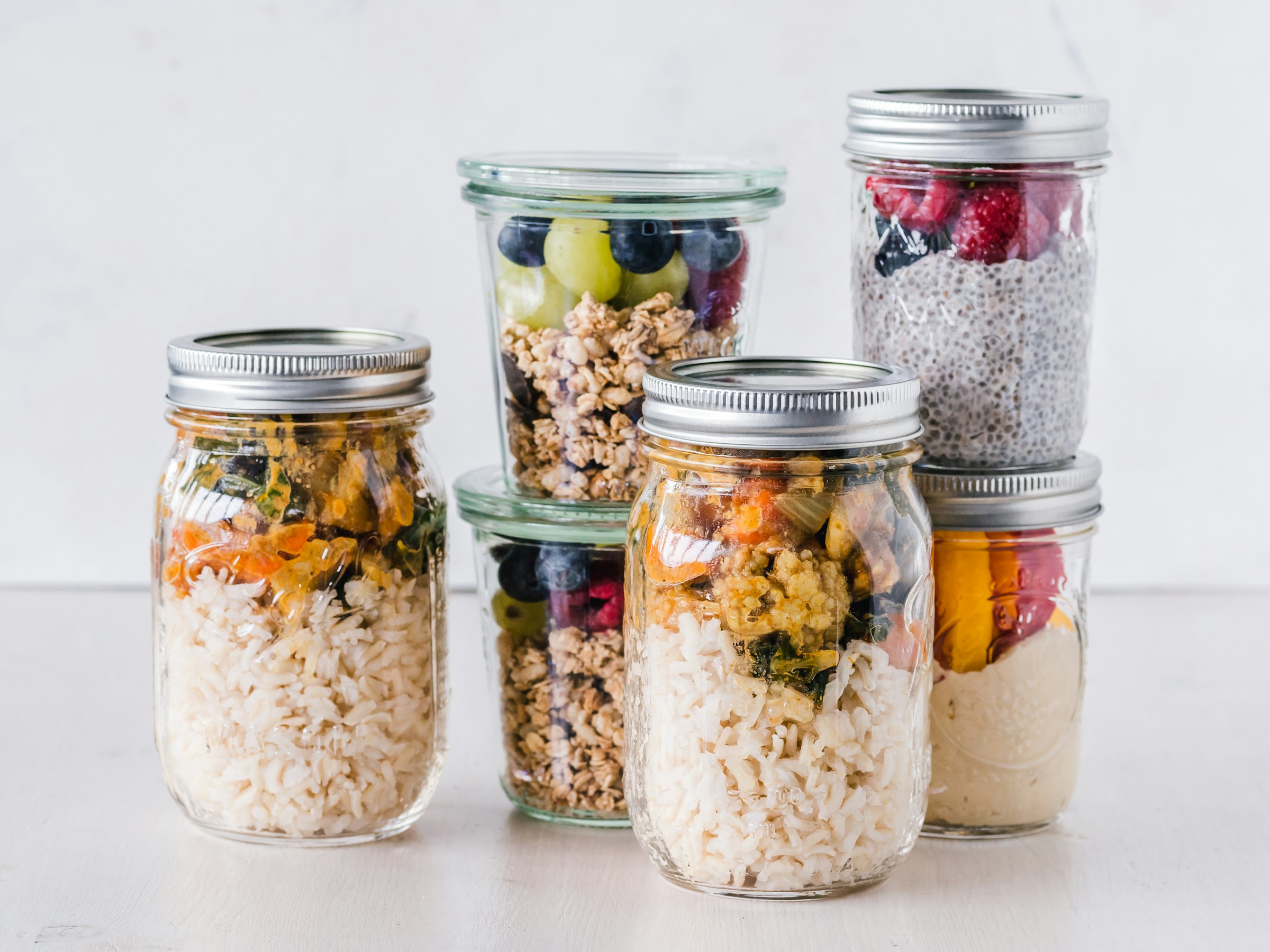
Foreign meal prep guides rarely suit Pakistani home kitchens. Desi cuisine relies on fresh curries, warm rotis, and aromatic spices. The solution for Pakistani kitchens is component prep: preparing foundational ingredients in advance rather than cooking finished dishes days ahead.
Limited observational evidence suggests that structured meal planning is positively associated with better diet quality and greater food variety. In an observational study of 40,554 adults published in the International Journal of Behavioral Nutrition and Physical Activity, researchers evaluated dietary habits. Individuals who planned meals were more likely to adhere to nutritional guidelines and eat varied foods. Female meal planners had lower odds of obesity. Because this was an observational study, it shows a positive dietary association rather than direct randomized causal proof. However, having prepped components ready consistently removes the friction of cooking after a tiring workday.
A weekend batch prep routine takes about 90 minutes. Start by boiling one kilogram of dried kaala chana or white chickpeas in your pressure cooker. Drain the tender chickpeas, cool them rapidly, and divide them into sealed freezer containers. During the week, you can add them to salads, stir them into rice, or simmer them in curry in under ten minutes.
Next, cook a bulk bhuna masala base. Brown one kilogram of sliced onions in four tablespoons of vegetable oil. Add ginger, garlic, tomatoes, and ground spices, simmering until a fragrant paste forms. Store this gravy base in small glass jars. On busy weeknights, a scoop of this paste combined with boiled lentils, eggs, or vegetables creates a fresh curry in minutes without chopping onions.
| Prep Component | Desi Kitchen Method | Storage Method | Shelf Life | Quick Weeknight Meal |
|---|---|---|---|---|
| Boiled Chana & Lobia | Soak overnight; pressure cook 20 mins; cool rapidly | Sealed freezer bags | 3–4 weeks (frozen) | Instant chana chaat or quick chana salan |
| Master Bhuna Masala | Brown onions, ginger, garlic, tomatoes, and spices in oil | Glass jar in fridge or portioned in freezer | 5 days (fridge) / 1 month (freezer) | Add to boiled eggs, sautéed vegetables, or lentils |
| Washed & Chopped Sabzi | Wash palak, methi, or tori; dry on cloth; chop finely | Airtight container lined with paper towel | 3–4 days (fridge) | Fast morning omelette or quick vegetable bhujia |
| Cleaned Salad Greens | Wash cucumbers, radishes, carrots; store unpeeled | Perforated produce bag in crisper | 5–7 days (fridge) | Crisp daily kachumber salad |
| Homemade Dahi Batch | Boil 1 litre milk; cool to lukewarm; stir in culture; set warm | Covered ceramic or glass bowl in fridge | 5–6 days (fridge) | Nutrient-dense digestive side dish or snack |
Freezing Rotis and Cooked Daal: Food Safety During Load Shedding and Summer Heat
Freezing rotis and cooked daal during Pakistani summers requires strict food safety protocols to counter electrical load shedding. Dividing hot food into shallow containers, cooling it within two hours, keeping refrigerator doors closed during outages, and par-cooking chapatis before freezing preserves food safety, moist texture, and starch stability without bacterial spoilage.
Food safety is critical when batch cooking in Pakistan. Summer temperatures often exceed 40°C, accelerating bacterial growth. World Health Organization guidelines emphasize the danger zone between 5°C and 60°C (41°F to 140°F). Pathogenic bacteria multiply rapidly within this range. Leaving a hot pot of daal or curry on the kitchen counter for three or four hours allows bacteria like Bacillus cereus or Clostridium perfringens to multiply and produce heat-stable toxins.
Guidelines recommend that perishable cooked food never sit at room temperature for more than two hours. In hot Pakistani summers, chill food within one hour. Never put a deep, steaming pot directly into the refrigerator. A deep pot traps heat in its centre, warming the appliance and spoiling neighbouring food. Divide hot curries into shallow containers that cool quickly before refrigerating or freezing.
Managing electrical load shedding requires discipline. An unopened refrigerator keeps food cold for about four hours during a power cut. A full, unopened freezer maintains safe temperatures for 24 to 48 hours. Keep appliance doors closed during load shedding. If an outage exceeds four hours and internal refrigerator temperatures rise above 10°C (50°F) for more than two hours, discard perishable cooked meat, dairy, or lentils to prevent foodborne illness.
Freezing rotis in advance saves significant time, but fully cooked frozen chapatis often turn brittle upon reheating. Starch molecules undergo retrogradation during cooling, forming a rigid crystal structure that causes staling. A cereal processing study in Foods demonstrated that partial baking (par-baking) reduces retrogradation. Par-cooked breads showed 19.4% less crumb hardening and 8.6% better cohesiveness after frozen storage and reheating compared to fully baked equivalents.
To par-cook rotis, cook rolled dough on a medium-hot tawa for only 15 to 20 seconds per side until small white blisters appear without browning. Cool the par-cooked rotis completely on a clean cloth, stack them with wax paper between layers, and seal them in an airtight freezer bag. When ready to eat, place a frozen chapati directly onto a hot tawa. It puffs with steam, producing a soft, moist roti.
Cold storage also provides metabolic benefits. A clinical trial in Frontiers in Nutrition evaluated wheat flatbreads under different storage temperatures. Cooking and storing chapatis at 4°C significantly increased resistant starch compared to freshly cooked breads. This cold storage lowered the glycaemic index of the chapatis down to 43 while increasing insoluble dietary fibre. Storing par-cooked rotis cold preserves texture while supporting smoother blood sugar control..
Smart Sabzi Mandi and Bazaars: Grocery Strategies That Cut Your Monthly Bill
Smart shopping at morning sabzi mandis and wholesale grain markets (ghalla mandi) reduces monthly grocery bills by bypassing middleman markups. Purchasing whole spices, pulses, and unrefined grains in bulk, while selecting peak-season vegetables twice weekly, provides an economical way to meet guideline targets for daily vegetable intake and protective nutrients.
Where you buy food in Pakistan strongly influences your monthly grocery budget. Shopping at supermarkets or corner kiosks incurs high retail markups. Small shopkeepers add transport margins and storage overheads to every kilogram. In contrast, purchasing staples from primary wholesale markets unlocks major savings.
Visit your local ghalla mandi (wholesale grain bazaar) every two or three months. Buy 10 to 20 kilograms of whole-grain chakki wheat alongside 2 to 3 kilograms of core pulses (daal chana, masoor, moong, lobia). Buying dry staples in bulk from wholesale distributors saves 20% to 35% compared to small retail packets. Store grains in dry tin containers with tight lids, adding dried neem leaves to deter pantry insects naturally.
For fresh produce, visit your local morning sabzi mandi once or twice a week. Mandi vendors receive fresh crates from farms before sunrise, offering produce at wholesale rates. Buying directly from crates ensures fresher vegetables that last longer in your refrigerator crisper drawer.
Choosing peak-season vegetables provides the highest nutritional value for the lowest cost. Out-of-season produce is grown in greenhouses or transported from distant cold-storage facilities, carrying higher prices and reduced vitamin concentrations. In contrast, peak-season vegetables are harvested at their nutritional peak and flood the market, lowering prices.
During winter (November to February), cruciferous and leafy vegetables like palak, sarson, methi, and gobi are abundant and cheap. A generous bunch of fresh spinach often costs only 30 to 50 rupees. Studies show that regular intake of leafy greens and cruciferous vegetables is strongly associated with reduced cardiovascular disease and all-cause mortality. In summer (May to August), choose seasonal gourds like tori, tinda, karela, and bhindi. These summer vegetables supply hydration, potassium, and soluble fibre at modest prices.
Finally, eliminate grocery budget leaks. Packaged potato crisps, biscuits, and sugary drinks add zero nutritional value while inflating grocery bills. Replacing packaged snacks with a jar of roasted black chana saves hundreds of rupees weekly while supplying protein and fibre. Buying whole spices in bulk and grinding them at home costs far less than commercial spice mixes and delivers cleaner, unadulterated flavours.
Frequently asked questions
Is it really possible to eat a healthy, balanced diet on a tight budget in Pakistan?
Yes, it is entirely possible. Wholesome nutrition does not require expensive imported foods or daily meat. Traditional Pakistani staples provide complete protein, protective dietary fibre, and essential micronutrients. Lentils, chickpeas, stone-ground chakki flour, farm eggs, homemade dahi, and seasonal vegetables cost a fraction of red meat or packaged snacks.
What are the cheapest healthy protein sources available in Pakistani markets?
The most affordable protein sources in Pakistani markets are dried pulses (daal chana, daal masoor, daal moong, and white lobia) and farm eggs. Combining these legumes with whole-wheat chakki roti creates complete essential amino acid profiles comparable to meat. Homemade plain dahi set from local milk also provides budget-friendly protein, calcium, and gut-friendly probiotics.
How much cooking oil should a Pakistani family use each month to stay healthy and save money?
A healthy and economical target is 1.5 to 2 level tablespoons of cooking oil per adult daily, which equals roughly 700 to 900 millilitres per person each month. For a family of four, three to four litres of healthy liquid vegetable oil (such as canola, sunflower, or mustard oil) per month is plenty. Completely eliminate partially hydrogenated banaspati ghee to cut saturated and trans fats.
Are seasonal local sabzis as nutritious as expensive imported vegetables like broccoli?
Yes, local seasonal vegetables are often more nutritious than imported produce. Freshly harvested winter greens like palak and methi provide abundant provitamin A carotenoids, vitamin C, potassium, and folate. Local cruciferous vegetables like gobi deliver comparable protective compounds to broccoli. Seasonal produce travels shorter distances, retaining higher vitamin concentrations while costing significantly less.
How can I safely meal prep and freeze cooked daal or keema with regular load shedding?
Cool cooked daal or curries rapidly by dividing them into shallow containers within two hours of cooking. In hot summers, transfer them to the refrigerator or freezer within one hour. An unopened refrigerator keeps food cold for about four hours during load shedding, while a full freezer stays frozen for 24 to 48 hours. Keep appliance doors firmly shut during blackouts, and discard any perishable food held above 10 degrees Celsius for more than two hours.
Can you freeze Pakistani whole-wheat rotis without them turning hard and dry?
Yes, you can freeze whole-wheat rotis successfully by par-cooking them. Cook your rolled chapati on a hot tawa for only 15 to 20 seconds per side until the dough sets without browning. Cool the par-cooked rotis completely, stack them with wax paper between each layer, and seal them in an airtight freezer bag. Reheat them directly on a hot tawa to enjoy soft, steaming chapatis that retain moisture.
How does budget meal planning reduce grocery bills for a Pakistani household?
Budget meal planning reduces grocery bills by organising meals around versatile, affordable staples, eliminating food spoilage, and curbing impulse purchases. Planning weekly dinners allows you to buy pulses and whole grains in bulk at wholesale markets, repurpose dinner leftovers into next-day lunches, and avoid expensive last-minute takeaway orders or processed convenience foods.
About the author

RD Saeed Ahmad, MSPHCo-founder and nutritionist, Nuritron
Nutritionist and public health researcher, and co-founder of Nuritron. Works in clinical and community nutrition, type 2 diabetes and One Health policy.
View full profile and articles