Finding clear guidance on pregnancy supplements Pakistan health authorities recommend can feel overwhelming when pharmacy shelves are filled with costly imported formulas. Evidence shows that most expectant mothers in Pakistan only require routine daily folic acid and iron, with calcium added when dietary intake is low. Many commercial products promise complete protection, but expensive imported brands rarely provide clinical advantages over affordable, locally registered options. Learning which nutrients are genuinely necessary helps you protect your developing baby without wasting money on unproven marketing claims.
Key takeaways
- Folic acid and iron are the two most strongly evidence-backed pregnancy supplements in Pakistan, where maternal anaemia affects over 40 percent of women.
- Calcium supplementation helps support healthy blood pressure and reduce pre-eclampsia risks in communities with low dietary dairy intake.
- Traditional non-dairy foods such as sesame seeds (til), mustard greens (sarson), and chickpeas (kala chana) provide valuable dietary calcium.
- Black tea tannins in doodh patti chai and supplemental calcium bind iron in your gut, so you must separate them by at least two hours.
- If iron tablets cause severe nausea or constipation, speak with your doctor about alternate-day dosing or taking tablets with meals.
- Unprescribed high-dose multivitamins and megadoses of preformed vitamin A can harm fetal development and must be avoided.
- Always consult your obstetrician to tailor your supplement schedule to your specific blood tests and medical history.
Pregnancy Supplements Pakistan: Which Ones Are Backed by Evidence?
Only two supplements are universally recommended for every expectant mother in Pakistan: daily folic acid and daily iron. If your diet is low in dairy, international guidelines also recommend daily calcium. Multi-ingredient prenatal multivitamins can offer modest benefits, but expensive imported brands are rarely necessary for an uncomplicated pregnancy.
Public health organizations, including the World Health Organization (WHO), prioritize daily folic acid and iron supplementation for all pregnant women. [C1, C2] Systematic reviews confirm that periconceptional folic acid reduces neural tube defects by roughly 69 percent. Routine oral iron supplementation reduces maternal anaemia at term by over 50 percent. It also lowers the likelihood of low infant birth weight. In regions where dietary calcium intake is low, daily calcium supplementation is advised to support maternal vascular health.
Many mothers wonder whether expensive multi-micronutrient supplements (MMS) are superior to simple iron and folic acid tablets. Evidence suggests that multi-micronutrient formulas lead to a modest reduction in low birth weight and small-for-gestational-age infants in lower-income settings. A Cochrane review found that multi-micronutrient supplementation reduced low birth weight by about 12 percent compared to iron and folic acid alone. However, the review observed no significant difference in overall perinatal mortality. In Pakistan, locally manufactured tablets registered with the Drug Regulatory Authority of Pakistan (DRAP) provide reliable protection. Learning what a balanced pregnancy diet looks like on Nuritron helps you build a strong food foundation alongside these essentials.
| Supplement | Clinical Objective | Evidence Strength | Guideline Recommendation | Pakistani Context & Considerations |
|---|---|---|---|---|
| Folic Acid | Protection against embryonic neural tube defects. | STRONG (Multiple Cochrane reviews and guidelines).. | Recommended universally for all women planning pregnancy through week 12.. | Essential because local chakki flour is rarely fortified and cooking heat degrades food folates. |
| Iron | Reduction of maternal anaemia and low birth weight. | STRONG (Systematic reviews and WHO guidelines).. | Recommended daily (30 to 60 milligrams of elemental iron). | Vital because over 40 percent of local reproductive-age women are anaemic. |
| Calcium | Support vascular tone and lower pre-eclampsia risk. | STRONG (WHO guidelines; Cochrane notes modest effect).. | Recommended daily (1.5 to 2.0 grams) in low dietary calcium populations. | Crucial for women who avoid milk; must be spaced apart from iron and chai. |
| Multiple Micronutrients (MMS) | Modest reduction in small-for-gestational-age births. | MODERATE (Cochrane review shows growth benefit but no survival change). | Optional alternative to iron-folate alone in resource-limited settings. | Useful if dietary variety is poor, but standard iron-folate remains the clinical priority. |
Folic Acid in Early Pregnancy: Timing, Neural Tube Defects, and Dosages
Folic acid protects your developing baby from severe brain and spinal defects, known as neural tube defects. Because the neural tube closes within the first 28 days after conception, you should ideally start taking folic acid at least one to three months before becoming pregnant, continuing through the first trimester.
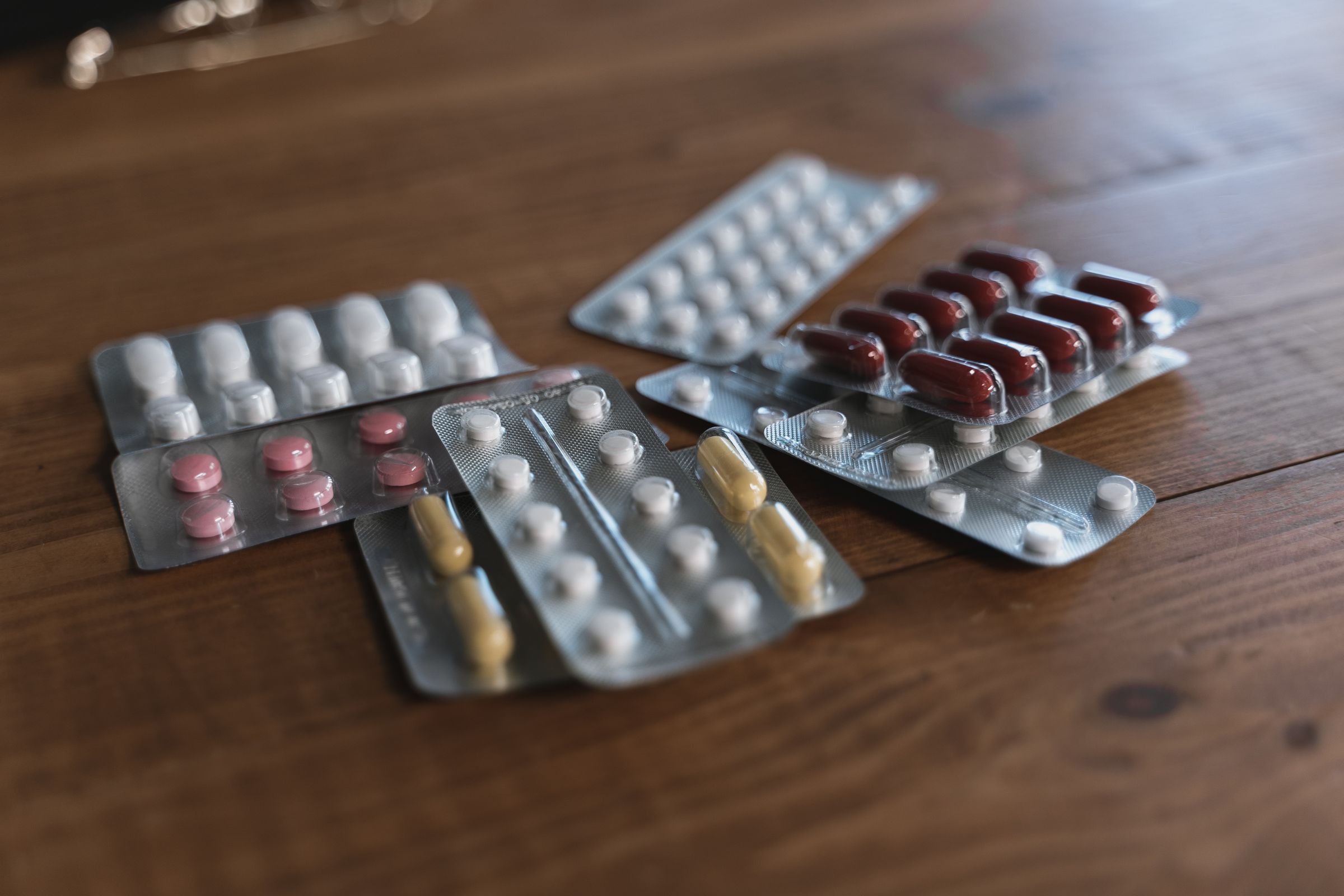
During the third and fourth weeks after fertilization, embryonic tissue folds inward to form the neural tube. This structure develops into the baby’s brain, skull, and spinal cord. If maternal folate levels are insufficient during this critical period, the neural tube fails to close properly.. This failure causes conditions such as spina bifida or anencephaly.
Systematic reviews show that periconceptional folic acid supplementation reduces neural tube defects by 69 percent. It also cuts recurrence risk by 66 percent. International guidelines recommend starting supplementation at least three months before conception at a standard daily dose of 400 micrograms (0.4 milligrams). [C1, C4] In Pakistan, many pregnancies are unplanned. Women rarely confirm pregnancy until several weeks have elapsed, after neural tube closure has finished. Public health authorities therefore recommend daily folic acid for all women who could become pregnant..
Certain medical profiles require a higher daily dose of folic acid.. NICE guidelines advise women with pre-existing diabetes planning a pregnancy to use 5 milligrams of folic acid daily until 12 weeks of gestation. Women taking anti-epileptic medications also require higher doses under medical supervision. The same applies to women with a prior neural tube defect pregnancy. For details on how supplements interact with daily medications, explore our guide on supplement and medication interactions in Pakistan.
Iron and Folate in Pakistan: Why Local Women Face High Deficiency Risks
More than 40 percent of women of reproductive age in Pakistan live with anaemia, making iron deficiency a national public health crisis. During pregnancy, your blood volume expands significantly to nourish the placenta and fetus. Routine daily iron and folic acid tablets replenish depleted maternal stores and lower the risk of low infant birth weight.
The National Nutrition Survey 2018 found that 42.7 percent of women of reproductive age in Pakistan suffer from anaemia. Over half of children under five are also affected. The WHO classifies any prevalence at or above 40 percent as a severe public health problem.. Maternal anaemia rates in Pakistan remain high due to low dietary intake and closely spaced pregnancies.
When a woman enters pregnancy with depleted iron reserves, maternal blood changes worsen the shortfall. Blood plasma volume expands by up to 50 percent to support uterine circulation. If red blood cell production falls behind, maternal anaemia worsens. A Cochrane review of 57 trials confirmed that daily iron and folic acid reduces maternal anaemia at term from 25.5 percent to 12.1 percent. Women taking iron were also 16 percent less likely to deliver low birth weight infants.
Dietary improvements alone cannot restore depleted maternal iron stores during pregnancy. The WHO recommends daily oral supplementation with 30 to 60 milligrams of elemental iron and 400 micrograms of folic acid for all pregnant women. For guidance on symptoms and dietary enhancers, explore our review of iron deficiency anaemia in Pakistan.
Managing Iron Side Effects: Nausea, Constipation, and Dosing Strategies
Iron tablets frequently cause uncomfortable side effects, including nausea, heartburn, constipation, and dark stools. You can improve tolerability by taking your tablet with a light evening meal or asking your obstetrician about alternate-day dosing. Taking iron every other day maintains comparable blood absorption while significantly reducing stomach distress.
Digestive discomfort is the primary reason expectant mothers stop taking iron supplements. High amounts of unabsorbed elemental iron irritate the stomach lining and slow bowel motility. When nausea or constipation leads a mother to quit her tablets, her anaemia risk rises.. [C2, C6]
Pharmacological research provides a practical answer: alternate-day dosing.. Ingesting an iron tablet triggers a spike in hepcidin, a hormone that regulates iron balance. This spike lasts roughly 24 hours and temporarily limits further iron absorption. Swallowing another pill the next morning leads to lower absorption and more stomach irritation. Human studies show fractional iron absorption is 40 to 50 percent higher on alternate days.
A 2025 systematic review of 11 trials confirmed that alternate-day iron dosing matches daily dosing for raising hemoglobin and ferritin. Alternate-day dosing also improved tolerability and reduced unpleasant metallic taste. For extra bowel regularity, dietary fiber can help, as discussed in our guide on chia seeds in pregnancy. Never adjust your schedule without speaking to your doctor first.
Calcium Requirements in Pregnancy: Why It Matters Beyond Bone Health
Calcium supports your baby’s growing skeleton while protecting maternal blood pressure regulation during pregnancy. In communities where dairy intake is low, international public health guidelines recommend supplemental calcium to reduce the risk of pre-eclampsia. However, recent clinical trial reviews suggest that the protective effect against pre-eclampsia may be more modest than previously reported.
A developing fetus gathers approximately 30 grams of calcium by term. Most of this mineral transfer occurs during the third trimester for fetal bone hardening. If dietary calcium is insufficient, your body withdraws calcium from your bones. Calcium ions also help regulate maternal blood vessel tone and blood pressure..
In populations with low dietary calcium intake, the WHO recommends daily calcium supplementation (1.5 to 2.0 grams elemental calcium) to lower pre-eclampsia risk. Pre-eclampsia causes elevated blood pressure and remains a major maternal hazard across South Asia.
Recent trials provide a more cautious perspective. An updated 2025 Cochrane review of 10 trials showed that when small studies were removed, calcium supplementation resulted in little to no difference in pre-eclampsia compared to placebo. Low-dose calcium showed similar outcomes to high-dose regimens in women with low dietary intake. While calcium remains vital for skeletal health, supplements alone may not prevent hypertensive complications. Expectant mothers should meet their daily calcium needs through combined dietary sources and doctor-recommended supplements.
Non-Dairy Calcium Sources for Pregnant Women in Pakistan
If you are lactose intolerant, dislike milk, or cannot afford multiple daily glasses of dairy, traditional Pakistani foods offer valuable calcium. White sesame seeds (til), mustard greens (sarson), fenugreek (methi), chickpeas (chana), and fortified whole-wheat atta provide plant-based calcium, provided you prepare them properly to overcome natural absorption blockers.
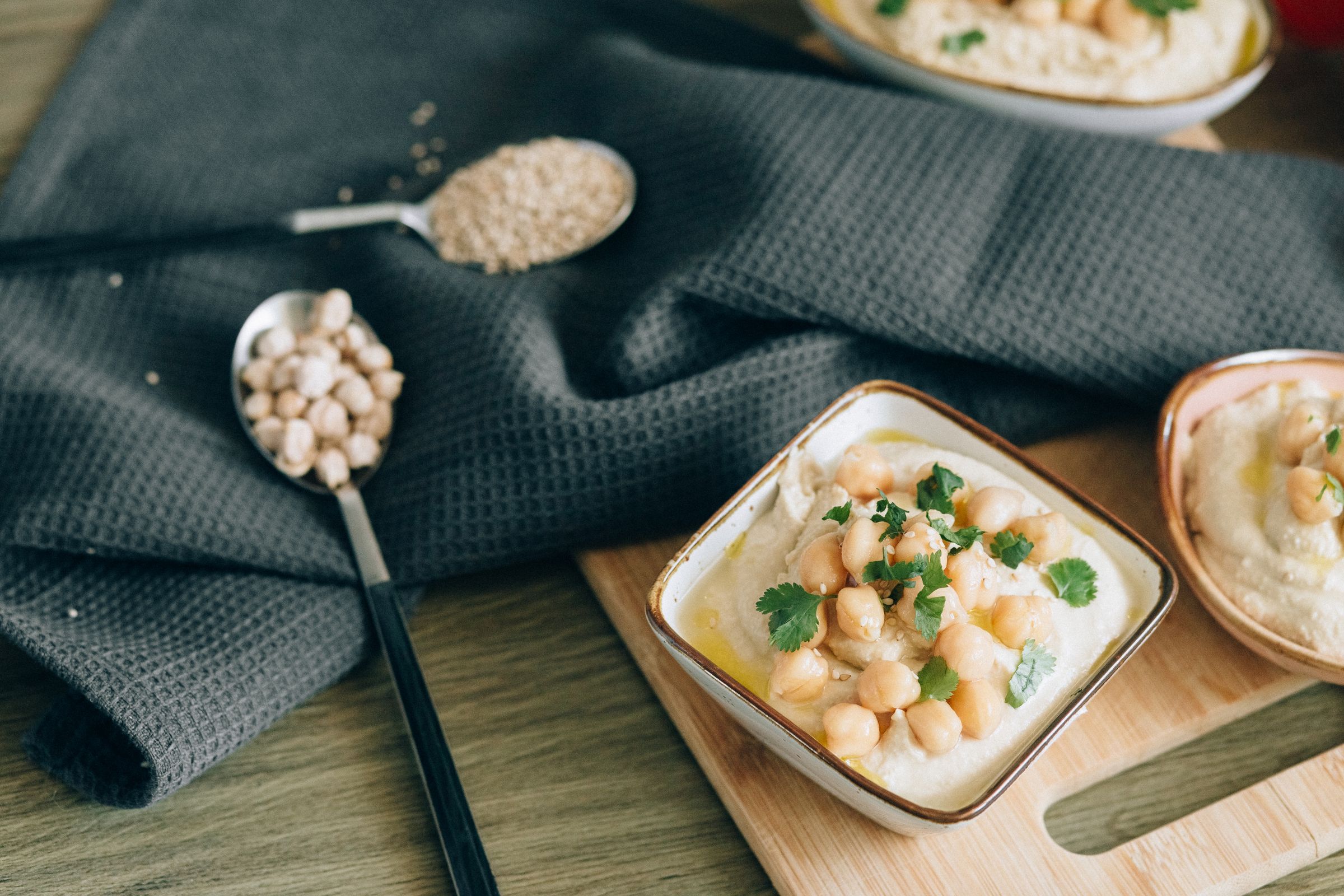
Many Pakistani women experience digestive issues when drinking cow or buffalo milk. Local plant staples provide generous mineral quantities. According to the Indian Food Composition Tables (IFCT 2017), whole white sesame seeds (til) deliver 1283 to 1450 milligrams of calcium per 100 grams of raw portion.
Dark winter greens also supply helpful mineral amounts. Fenugreek leaves (methi) provide 274 milligrams of calcium per 100 grams. Mustard greens (sarson saag) supply 155 milligrams per 100 grams. Legumes like brown chickpeas (kala chana) and split green gram (moong dal) contain 105 milligrams and 75 milligrams per 100 grams. Whole-wheat chakki atta adds 30 to 48 milligrams per 100 grams across daily rotis.
Bioavailability requires careful attention. Oxalates and phytates bind to minerals in your digestive tract and reduce absorption. Spinach (palak) contains 73 milligrams of calcium per 100 grams, but high oxalates block most of it. In contrast, sarson and sesame seeds provide superior mineral availability. Soaking chickpeas overnight, simmering greens thoroughly, and toasting sesame seeds helps lower phytate levels. Calcium absorption also depends on adequate vitamin D, making it wise to monitor for vitamin D deficiency in Pakistan.
| Desi Food Item (Urdu / English) | Calcium per 100g (Raw Portion). | Serving & Cooking Tips | Bioavailability & Absorption Factors |
|---|---|---|---|
| White Sesame Seeds (Til) | 1283 to 1450 milligrams. | Toast lightly; blend into chutneys or sprinkle over warm rotis. | High mineral density; light roasting breaks down outer seed coats to assist absorption. |
| Fenugreek Leaves (Methi) | 274 milligrams. | Cook as aloo methi or knead into whole-wheat paratha dough. | Low oxalate content compared to spinach; fair absorption when cooked with oil. |
| Mustard Greens (Sarson Saag) | 155 milligrams. | Simmer fresh seasonal saag with garlic, ginger, and green chilies. | Favorable bioavailability due to low oxalate levels; outstanding non-dairy source. |
| Brown Chickpeas (Kala Chana) | 105 milligrams. | Prepare boiled chana chaat with lemon juice and fresh herbs. | Contains phytates; soaking for 8 to 12 hours before boiling improves mineral release. |
| Split Green Gram (Moong Dal) | 75 milligrams. | Serve warm moong dal alongside freshly made whole-wheat roti. | Easy to digest; thorough soaking and simmering boost nutrient availability. |
| Spinach (Palak) | 73 milligrams. | Prepare palak paneer or palak gosht with mild seasonings. | High oxalates bind calcium and limit uptake; better prized for dietary folates. |
| Whole-Wheat Atta (Chakki Atta) | 30 to 48 milligrams. | Consume 2 to 3 freshly rolled rotis across regular daily meals. | Traditional dough resting and fermentation help reduce bran phytates. |
The Timing Clash: Why You Must Never Take Iron, Calcium, and Chai Together
Swallowing your iron tablet alongside a calcium supplement or a cup of hot doodh patti chai dramatically impairs iron absorption. Black tea tannins reduce iron uptake by up to 90 percent, while calcium competes directly for intestinal transport pathways. You should separate iron from calcium and tea by at least two hours.
A regular morning habit in Pakistani homes includes a paratha with hot doodh patti chai, often accompanied by prenatal vitamins. This combination causes severe nutrient interference.. Black tea contains polyphenols and tannins that bind to iron salts, creating insoluble compounds that your gut cannot absorb.
Human trials show that drinking black tea with an iron-containing meal lowers iron absorption by 79 to 94 percent compared to water. Adding milk does not fix this problem; milk tea reduces iron uptake just as sharply as plain tea.
Supplemental calcium creates another absorption hurdle. A meta-analysis confirmed that taking calcium with iron lowers short-term iron absorption by about 5.5 percent. Higher calcium intake also correlates with lower ferritin stores over time. Both minerals share the same intestinal transporter, so excess calcium crowds out iron.
The same meta-analysis noted that occasional overlap does not permanently deplete long-term hemoglobin in healthy adults. Even so, spacing supplements is sensible: consume your iron tablet in the afternoon or evening with water, and take calcium with breakfast or bedtime, separated by at least two hours from iron and tea.. [C6, C9]
Supplements to Avoid or Question During Pregnancy
Expectant mothers should avoid high-potency general multivitamins, unverified herbal concoctions, and megadoses of preformed vitamin A (retinol). Consuming more than 10,000 international units daily of supplemental vitamin A in early pregnancy significantly increases the risk of severe facial, cranial, and cardiac birth defects.
In Pakistan, relatives often gift pregnant women popular adult multivitamins (such as Surbex-Z or imported fitness formulas). However, unguided multivitamin use poses real health risks.. Adult multivitamins are designed for non-pregnant individuals and can supply excess fat-soluble vitamins that overload maternal organs.
The biggest concern involves preformed vitamin A, known as retinol. Plant beta-carotene from carrots or greens is safe because your body regulates its conversion. In contrast, preformed retinol crosses the placenta in active forms.. A landmark study in the New England Journal of Medicine observed 22,748 pregnant women and determined that daily supplemental retinol above 10,000 international units was teratogenic. Infants exposed to these levels had a 4.8-fold higher rate of cranial-neural-crest defects, including facial clefts and heart malformations. Roughly 1 in 57 babies exposed to these doses developed an attributable defect.
The WHO advises against routine vitamin A supplementation in pregnancy, restricting it to areas with severe deficiency to protect vision. Pakistani mothers should also avoid unstandardized herbal concoctions or desi totkay, which may contain heavy metals. Always check labels to ensure vitamin A is absent or restricted to safe beta-carotene..
When to Consult Your Obstetrician Before Starting Any Supplement
You should never start, modify, or stop pregnancy supplements without professional medical guidance based on your baseline blood work. Individual health factors such as thalassemia trait, thyroid disease, or kidney conditions alter your nutritional requirements and safety thresholds, making personalized clinical care essential for you and your baby.
If you have been prescribed iron, calcium, or other supplements by your obstetrician, do not change your dose, stop taking them, or switch brands without consulting your healthcare provider first. Every pregnancy presents unique biochemical needs that require careful laboratory monitoring rather than guesswork.
Specific health conditions common in Pakistan require customized supplement plans:
- Thalassemia Minor: Pakistan has a high prevalence of beta-thalassemia trait. Women with thalassemia minor often show small red blood cells on blood tests, which mimics iron deficiency. Taking unmonitored iron pills without evaluating serum ferritin can cause dangerous iron accumulation in organs. Your doctor should check ferritin and hemoglobin electrophoresis before starting iron.
- Hypothyroidism and Levothyroxine: Expectant mothers taking levothyroxine for thyroid care must be cautious. Supplemental iron and calcium bind levothyroxine in your stomach and reduce its absorption. This leaves your baby vulnerable to uncontrolled maternal thyroid levels. Always separate thyroid medicine from iron and calcium supplements by at least four hours.
- Kidney Disease or Kidney Stones: If you have kidney disease or a history of calcium kidney stones, unmonitored calcium and vitamin D can trigger stone recurrence. Your obstetrician and nephrologist should work together to monitor your urine and blood mineral levels.
Attend regular antenatal visits to review laboratory results and supplement tolerance. If your pills cause discomfort, your doctor can safely adjust the formulation to support your health and your baby’s growth.
Frequently asked questions
Which pregnancy supplements Pakistan doctors consider essential for every mother?
Health authorities and international guidelines recommend routine daily folic acid and iron for every pregnant woman in Pakistan. Folic acid is vital in early pregnancy to support neural tube development, while iron reduces maternal anaemia risk and low birth weight in a country where over 40 percent of reproductive-age women are anaemic. Daily calcium is also recommended if your dietary intake of milk and dairy is low.
Why do Pakistani doctors prescribe iron tablets if they cause nausea and constipation?
Doctors prescribe iron because maternal anaemia is widespread across Pakistan and carries serious risks for both mother and child, including maternal exhaustion, preterm delivery, and low birth weight. Iron pills frequently irritate the stomach lining and slow digestion. However, you can often manage these side effects by taking the tablet with a light evening meal or asking your doctor about alternate-day dosing rather than stopping the supplement.
Can I take my iron and calcium tablets at the same time with my morning cup of chai?
No, you should never take iron and calcium together or swallow either tablet with chai. Black tea contains concentrated tannins that reduce iron absorption by up to 90 percent, and calcium competes directly with iron for absorption in the intestines. Always separate your iron tablet from calcium supplements and cups of tea by at least two hours.
What can I eat to get enough calcium during pregnancy if I cannot drink milk?
If you cannot tolerate or afford dairy milk, you can obtain calcium from traditional Pakistani plant foods. Excellent non-dairy options include white sesame seeds (til), mustard greens (sarson saag), fenugreek (methi), chickpeas (kala chana), split green gram (moong dal), and whole-wheat chakki atta. Soaking pulses before cooking and lightly toasting sesame seeds helps lower natural phytates and improve mineral absorption.
Is it safe to take general multivitamins like Surbex-Z or imported prenatal brands without a prescription?
No, you should avoid taking unprescribed general adult multivitamins or unverified imported prenatal supplements. General multivitamins are not formulated for pregnancy and may contain excessive amounts of minerals or preformed vitamin A (retinol). High doses of supplemental vitamin A taken during early pregnancy can cause severe congenital heart and facial defects. Only take prenatal vitamins explicitly approved by your obstetrician.
How early should a woman in Pakistan start taking folic acid?
You should ideally begin taking daily folic acid at least one to three months before trying to conceive. Your baby’s neural tube closes within the first 28 days following fertilization, usually before a woman even realizes she is pregnant. Starting folic acid before conception ensures protective levels circulate in your blood during this critical developmental window.
About the author

RD Saeed Ahmad, MSPHCo-founder and nutritionist, Nuritron
Nutritionist and public health researcher, and co-founder of Nuritron. Works in clinical and community nutrition, type 2 diabetes and One Health policy.
View full profile and articles