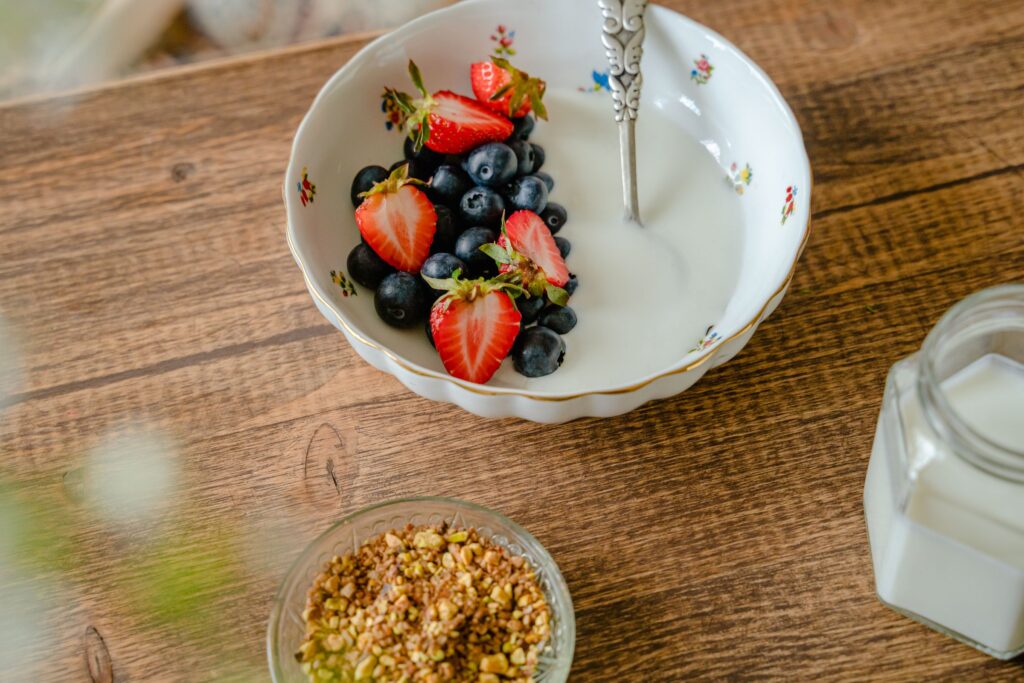
Managing bone health and osteoporosis in Pakistan has become an urgent health priority for aging adults and their families. While thinning bones are often dismissed as normal aging, evidence shows that targeted nutrition and physical activity can protect your bone strength and keep you active. In Pakistani households, weakness of the bones (haddiyon ki kamzori) is often addressed with home remedies like bone broth or sweetened milk tea. However, protecting your skeleton requires understanding the real nutritional drivers of bone loss. This practical guide explains the dietary steps, local foods, and medical evaluations needed to safeguard your bones across every stage of life.
Key takeaways
- Osteoporosis affects one in five postmenopausal women in Pakistan, while low bone density impacts more than half of older adults.
- Average daily calcium intake among Pakistani adults is roughly 346 milligrams, supplying less than half of the recommended daily intake.
- Unleavened roti and strong tea contain natural compounds that bind calcium in the gut, reducing mineral absorption.
- Over half of tested adults in Pakistan have low vitamin D, which blocks active calcium absorption.
- Desi staples including dahi, whole milk, sesame seeds (til), and leafy greens like sarson and palak offer bioavailable calcium at affordable prices.
- Protecting the bone matrix requires adequate daily protein alongside regular weight-bearing movement to stimulate bone mineral density.
The Hidden Epidemic of Osteoporosis in Pakistan: Understanding Bone Loss
Osteoporosis in Pakistan is a silent epidemic that weakens the skeletal system, causing bones to become porous and prone to fractures. Unlike temporary aches, bone loss develops without warning until a minor fall leads to a broken wrist, spine, or hip. Understanding your bone density status is the first step toward protecting against long-term disability.
In Pakistani culture, bodily aches and stooping posture in elders are frequently brushed aside as haddiyon ki kamzori, an assumed inevitable part of growing old. Clinically, bone strength is defined by bone mineral density, measured through a score known as a T-score. A score between -1.0 and -2.5 signals osteopenia, an intermediate state of thinning bone tissue. When the T-score drops to -2.5 or lower, the condition is classified as osteoporosis. At this stage, bones lose their internal scaffolding, becoming brittle and fragile.
The scale of this condition across Pakistan is substantial. The national clinical practice guideline for postmenopausal osteoporosis reports that osteoporosis affects one in every five postmenopausal women across the country. Furthermore, large-scale empirical studies demonstrate that compromised bone density begins earlier in life than previously recognized. In a study of 1,205 Pakistani females aged 20 to 80 years, researchers discovered that 29.8% had osteopenia and 27.2% had osteoporosis. Only 43% of the women evaluated had normal bone density. The likelihood of having low bone mineral density was significantly higher among less educated and illiterate women, pointing to gaps in nutritional awareness and healthcare access.
Rural communities face an even heavier burden. A nutritional study investigating 140 rural postmenopausal women in Khyber Pakhtunkhwa documented that 42% had ultrasound scores indicative of osteopenia and 29% had scores indicating osteoporosis. In total, 71% of the rural women evaluated lived with subnormal bone strength. Hormonal changes after menopause, repeated pregnancies with short intervals, prolonged breastfeeding, and low lifetime calcium intake combine to erode skeletal reserves. Recognizing that low bone density is a manageable condition allows families to take practical, protective dietary action.
Calcium Deficiency in Pakistan: Why Bones Break and What to Eat
Severe dietary calcium deficiency leaves bones brittle across Pakistan because typical daily intake covers less than half of adult physiological needs. When food supplies insufficient calcium, your body withdraws stored minerals directly from your skeleton to maintain essential heart and nerve function. This continuous mineral drain thins bones and accelerates fracture risk..
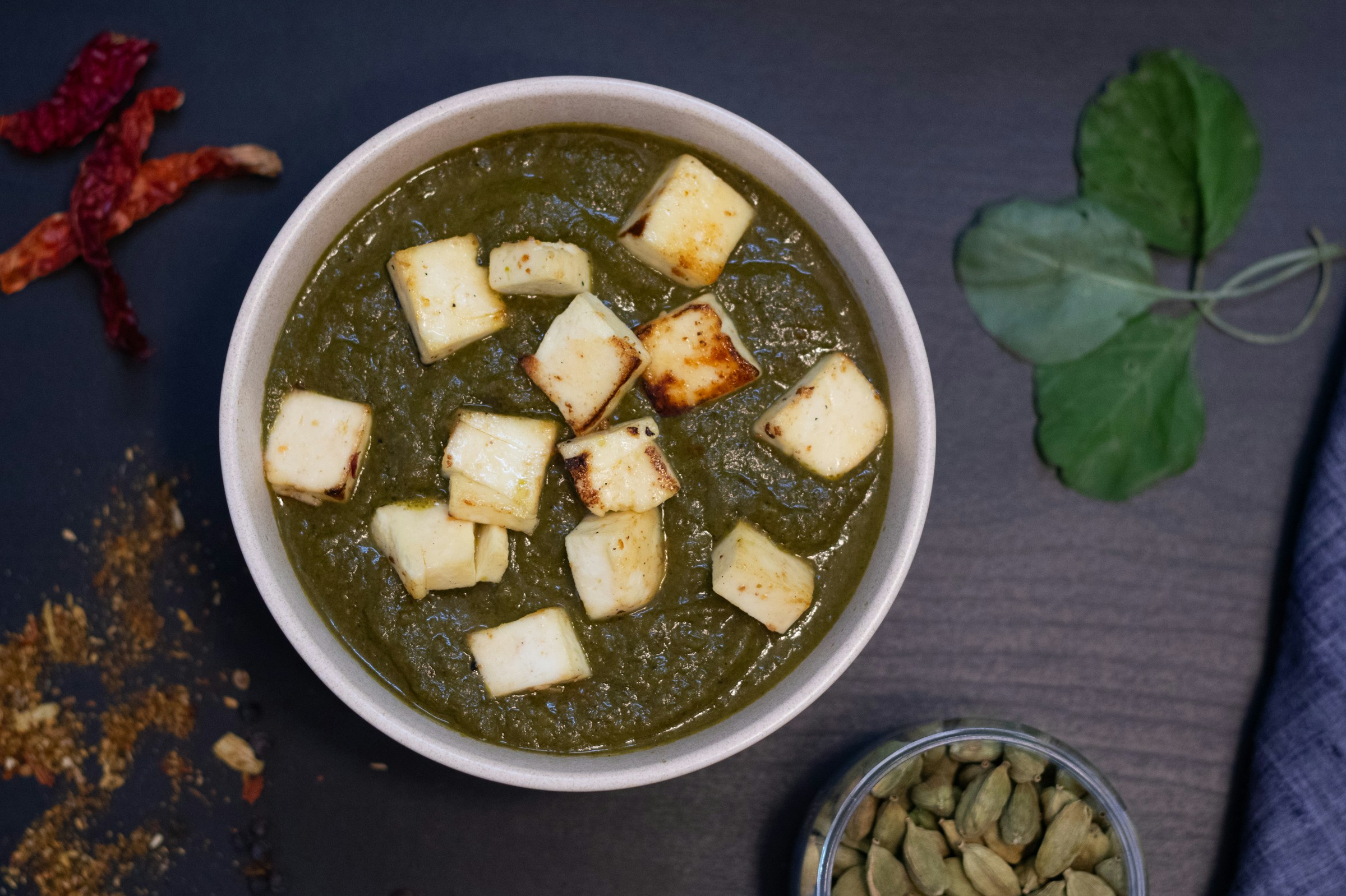
Calcium is the primary structural mineral in human bone, giving the skeleton its hardness and strength. International dietary reference standards recommend that adults consume between 1,000 and 1,300 milligrams of calcium every day to maintain mineral balance. However, consumption figures in Pakistan reveal a stark shortfall. Nutritional research in rural Pakistan recorded an average daily calcium intake of only 346 milligrams per day among postmenopausal women, covering less than half of their minimum daily requirement.
This local deficit mirrors a wider regional pattern across South Asia. A comprehensive global review of adult dietary calcium intake spanning 74 countries demonstrated that national averages across most Asian nations fall below 500 milligrams per day. In contrast, adults in Northern European countries routinely achieve intakes exceeding 1,000 milligrams daily. The review emphasized that dietary calcium intake is consistently lower among women than men, placing South Asian women at heightened risk of bone deterioration. Increasing daily calcium intake by 400 to 500 milligrams in low- and middle-income nations could dramatically narrow this global divide and deliver meaningful skeletal protection.
The biological consequence of chronic calcium deprivation is immediate and severe. Your body strictly regulates the amount of calcium circulating in your bloodstream because calcium ions control muscle contraction, nerve signaling, and cardiac rhythm. When dietary intake falls short, blood calcium drops. In response, your parathyroid glands produce elevated levels of parathyroid hormone, a medical condition known as secondary hyperparathyroidism.
Parathyroid hormone commands specialized bone cells called osteoclasts to dissolve bone tissue and release calcium into the bloodstream. A clinical study examining 1,202 older adults established that patients with secondary hyperparathyroidism had significantly lower hip bone mineral density compared to those with balanced hormone levels. Higher parathyroid hormone levels were independently associated with reduced bone mass at the hip, accelerating bone loss year after year.
| Bone Mineral Status | T-Score Range | Skeletal Condition | Daily Calcium Objective |
|---|---|---|---|
| Normal Bone Density | -1.0 or higher | Dense bone matrix with balanced mineral turnover | 1,000 milligrams daily through balanced whole foods |
| Osteopenia | Between -1.0 and -2.5 | Mild to moderate thinning of internal bone trabeculae | 1,000 to 1,200 milligrams daily with mineral optimization |
| Osteoporosis | -2.5 or lower | Severe architectural porousness and high fracture vulnerability | 1,200 milligrams daily under physician and clinical guidance |
The Bioavailability Barrier: Why Roti Phytates and Chai Steal Calcium
Pakistani staple eating habits create a bioavailability barrier that stops your digestive tract from absorbing dietary calcium. Unleavened whole-wheat roti contains phytic acid that binds minerals in the gut, while tannins in doodh patti chai interfere with mineral uptake. Adjusting cooking techniques and tea timing restores natural calcium absorption..
Total mineral content on a nutrition label does not equal the amount your body actually absorbs. In human nutrition, bioavailability refers to the fraction of an ingested nutrient that enters the bloodstream and becomes available for physiological use. Algorithmic modeling of global dietary data indicates that humans absorb an average of approximately 30.7% of the calcium present in food. However, this absorption rate drops significantly when meals are heavy in plant-derived inhibitors such as phytic acid and oxalic acid. The greatest shortfalls between crude calcium intake and bioavailable calcium occur in regions like South Asia and Africa, where diets depend predominantly on unrefined cereal grains and legumes.
In Pakistan, whole-wheat flatbread (roti or chapatti) baked from stone-ground chakki atta forms the backbone of every meal. While whole wheat provides valuable complex carbohydrates, the outer bran layer is concentrated in phytic acid. Phytic acid functions as a powerful mineral chelator. It carries a strong negative charge that rapidly binds positively charged calcium ions in the stomach and small intestine, forming insoluble calcium-phytate complexes. Because humans lack the enzyme phytase in their digestive tracts, these bound complexes pass unabsorbed into the stool. In traditional cooking, roti dough is mixed with water and cooked almost immediately on a tava without yeast fermentation, leaving the phytic acid intact and active.
Drinking strong tea compounds this absorption barrier. Most Pakistani adults drink two to four cups of doodh patti chai daily, frequently consumed alongside breakfast or directly after lunch and dinner. Black tea leaves are rich in polyphenolic compounds, specifically tannins and catechins. These polyphenols bind to dietary calcium in the gut, further blunting intestinal absorption. While doodh patti contains a splash of milk, the modest amount of calcium it provides does not offset the inhibitory effect of the tannins on the entire meal.
Simple culinary adjustments help overcome these dietary barriers. Allowing kneaded whole-wheat dough to rest in a covered bowl for two to four hours before baking activates natural grain enzymes that break down phytic acid. Preparing traditional khameeri roti with natural yeast fermentation creates an acidic dough that breaks down phytate bonds effectively. You should also enjoy your tea at least 60 to 90 minutes away from main meals rather than washing down food with chai. Furthermore, eating diverse foods from our guide to high-fibre Pakistani foods supports healthy digestion and overall nutrient absorption.
The Calcium-Vitamin D Partnership: Why Food Alone Falls Short
Calcium cannot strengthen your skeleton without adequate vitamin D because this essential hormone regulates active intestinal mineral absorption. In Pakistan, high rates of vitamin D deficiency prevent the gut from absorbing calcium from daily meals. Correcting low vitamin D levels is necessary to make dietary calcium effective for your bones..
The relationship between calcium and vitamin D is a biological partnership. Calcium moves across the intestinal lining through two distinct pathways. When calcium intake is high, passive diffusion occurs across intestinal cells. However, when calcium intake is low or moderate, as is typical across Pakistan, your body relies almost entirely on active transport. Active transport requires calcitriol, the active hormonal form of vitamin D. Calcitriol stimulates the synthesis of calcium-transport proteins, such as calbindin, which actively pull calcium across the gut wall into circulation. Without sufficient vitamin D, your intestines absorb as little as 10% to 15% of the calcium you consume.
Despite living in a nation blessed with abundant year-round sunshine, Pakistanis experience extraordinarily high rates of vitamin D deficiency. A five-year study from Aga Khan University Hospital analyzed serum 25-hydroxyvitamin D levels across 201,625 adult individuals from across Pakistan. The findings revealed a median circulating level of only 17.2 ng/mL. Overall, 25.7% of the tested population were clinically deficient with levels below 20 ng/mL. An additional 33% were severely deficient with levels below 12 ng/mL. In total, over 58% of tested Pakistani adults lacked adequate circulating vitamin D to support normal mineral metabolism.
This biological deficit directly impacts bone integrity. Epidemiological investigations in Pakistani women confirm that bone quantitative ultrasound scores correlate significantly with circulating vitamin D concentrations after controlling for age. Several factors explain why sunshine does not translate into adequate vitamin D status in Pakistan. South Asian skin tones contain higher levels of melanin, which acts as a natural sun filter and slows synthesis. Traditional clothing, including long shirts, dupattas, and abayas, covers most skin surfaces, preventing direct ultraviolet B light exposure. Urban smog and indoor lifestyles further limit sunlight contact.
Because food sources of vitamin D are scarce, clinical guidelines emphasize targeted management. The Pakistani clinical practice guideline for postmenopausal osteoporosis recommends higher daily intakes of 2,000 to 4,000 international units of vitamin D for older individuals, those with malabsorption, or individuals with obesity. Lower amounts are often suboptimal in local clinical practice. The guideline stresses that vitamin D optimization should be complemented by baseline laboratory testing of both vitamin D and calcium levels. Read our detailed analysis of vitamin D deficiency in Pakistan to understand testing thresholds and safe replenishment strategies.
Best Pakistani Foods for Strong Bones: A Practical Desi Calcium Guide
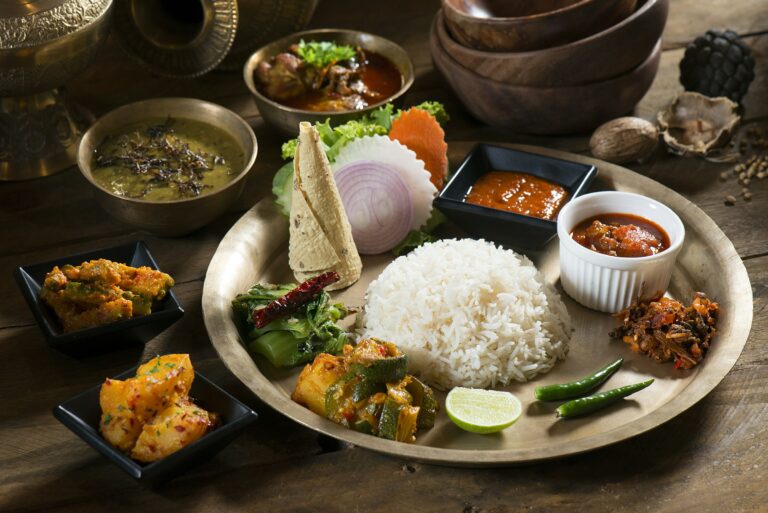
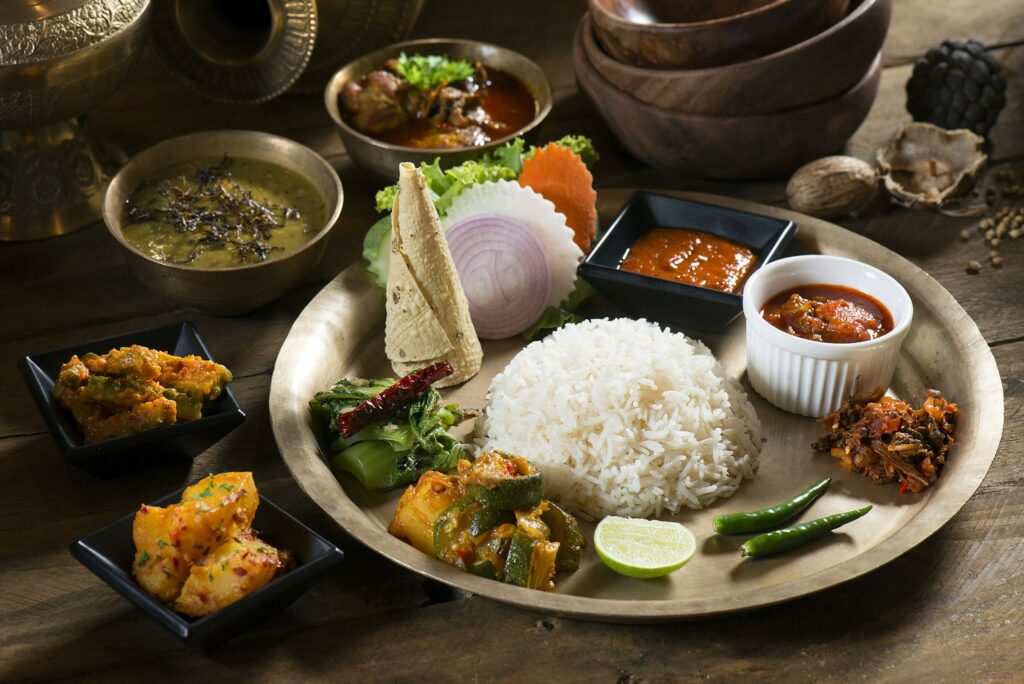
Meeting your daily calcium target is entirely possible using affordable Pakistani whole foods without purchasing imported supplements. Combining traditional dairy products like dahi and milk with calcium-dense sesame seeds (til), small whole fish, and cooked dark leafy greens delivers bioavailable minerals that protect skeletal health across the lifespan.
Many families believe that obtaining enough calcium requires expensive imported groceries like fortified almond milk, chia seeds, or canned Atlantic salmon. In reality, traditional Pakistani markets (mandis) and local milk shops (gawala shops) offer some of the richest and most affordable calcium sources available. Dairy products represent the most bioavailable foundation for bone nutrition. Standard cow or buffalo milk and fresh whole-milk yogurt (dahi) provide between 100 and 180 milligrams of calcium per 100 grams. A standard 250-gram bowl of fresh dahi delivers approximately 300 to 350 milligrams of elemental calcium. Furthermore, lactic acid produced during milk fermentation lowers intestinal pH, enhancing calcium solubility and gut absorption.
Beyond liquid milk and yogurt, traditional dairy delicacies supply concentrated minerals. Hard and semi-hard cheeses can provide up to 1,000 milligrams of calcium per 100 grams. Homemade desi paneer, prepared by curdling boiling milk with lemon juice or vinegar, concentrates milk solids into a protein- and mineral-rich block. A 100-gram serving of paneer delivers roughly 400 milligrams of calcium, making it a valuable addition to vegetable gravies and flatbread fillings.
Plant foods also supply impressive mineral concentrations. Seeds and nuts represent exceptionally dense reservoirs of calcium, with almonds, sesame seeds (til), and chia seeds providing between 250 and 600 milligrams of calcium per 100 grams. In particular, white and black sesame seeds (til) are a traditional powerhouse in Pakistani winter foods. A single tablespoon (roughly 10 grams) of whole sesame seeds provides nearly 90 milligrams of calcium. Incorporating lightly toasted til into dough, sprinkling seeds over vegetable curries, or eating traditional til ke laddoo made with unrefined jaggery (gur) boosts daily mineral intake significantly.
Green leafy vegetables (sabzi) provide essential micronutrients alongside calcium. Cooked dark greens such as mustard greens (sarson ka saag), spinach (palak), fenugreek (methi), and turnip greens provide between 100 and 150 milligrams of calcium per 100 grams. While spinach contains oxalates that reduce mineral uptake, mustard greens and turnip greens have lower oxalate contents, yielding superior bioavailability. Small freshwater and marine fish eaten whole with their soft bones, such as small river fish or sardines, offer another outstanding source of bioavailable calcium paired with natural vitamin D.
| Desi Food Source | Standard Serving Size | Calcium Content (Approximate) | Preparation & Kitchen Tip |
|---|---|---|---|
| Fresh Dahi (Yogurt) | 1 medium bowl (250g) | 300–350 milligrams | Eat plain at breakfast or whip into salted cumin raita |
| Whole Buffalo/Cow Milk | 1 standard glass (250ml) | 280–320 milligrams | Warm with green cardamom; drink separately from meals |
| Desi Paneer | 100 grams | 380–420 milligrams | Cube into vegetable curries or lightly pan-fry with spices |
| Sesame Seeds (Til) | 2 tablespoons (20g) | 160–180 milligrams | Lightly roast and sprinkle on rotis, daal, or morning oats |
| Sarson ka Saag (Cooked) | 1 cup cooked (180g) | 180–220 milligrams | Simmer thoroughly and pair with a teaspoon of desi butter |
| Palak or Methi (Cooked) | 1 cup cooked (180g) | 140–160 milligrams | Cook with tomatoes and ginger; combine with soft paneer |
| Small Whole Fish | 100 grams (cooked) | 250–300 milligrams | Prepare in mild tomato gravy, chewing the soft, tender bones |
| Almonds (Badam) | Handful (28g / ~23 nuts) | 70–80 milligrams | Soak overnight, peel skin, and enjoy with morning breakfast |
Meeting a target of 1,000 milligrams daily is practical on a desi meal plan:
- Breakfast: One bowl of fresh dahi (300 milligrams) with soaked almonds (75 milligrams).
- Lunch: One cup of cooked sarson ka saag or palak paneer (250 milligrams) paired with well-rested chakki roti.
- Snack: One tablespoon of roasted sesame seeds or a piece of til rewri (90 milligrams).
- Bedtime: One warm cup of whole milk spiced with cardamom (280 milligrams).
- Total intake: Approximately 995 to 1,000 milligrams of natural dietary calcium.
Beyond Calcium: How Protein and Minerals Build the Bone Matrix
Bone is living tissue composed of a flexible collagen protein matrix reinforced with mineral crystals. Consuming adequate dietary protein is essential for bone density because amino acids stimulate growth factors that support bone remodeling. Pairing healthy protein with calcium intake reduces bone loss and preserves physical strength.
A common misconception in Pakistan is that bone consists entirely of inert calcium chalk. In reality, roughly half of bone volume is made of protein, primarily type I collagen. This collagen scaffolding provides tensile strength and elasticity, preventing bones from shattering under impact, while calcium phosphate crystals provide stiffness. Without an intact collagen foundation, bones become brittle regardless of how much mineral is deposited.
Dietary protein plays a direct role in maintaining this structural matrix. An expert consensus endorsed by the International Osteoporosis Foundation and the European Society for Clinical and Economic Aspects of Osteoporosis confirms that higher protein intake is beneficial for adult bone health. For older individuals with low bone density, consuming at or above 0.8 to 1.2 grams of protein per kilogram of body weight daily protects bone mineral density. It slows the rate of bone loss and significantly reduces hip fracture risk, provided that dietary calcium intake is adequate.
Clinical trials demonstrate that dietary protein stimulates the production of insulin-like growth factor 1 (IGF-1), a hormone that promotes bone formation, enhances muscle mass, and aids calcium absorption in the gut. Simultaneously, higher protein intake suppresses excess parathyroid hormone, curbing osteoclastic bone breakdown. The international consensus panel firmly dismissed the outdated hypothesis that dietary protein creates an acid load that leaches minerals from bones. Insufficient protein intake represents a far greater threat to aging bones than protein excess.
Pakistani households can easily incorporate high-quality protein through affordable local staples. Pairing plant lentils with animal proteins creates a balanced amino acid profile:
- Eggs: Whole boiled or poached eggs provide high-leucine protein and essential fat-soluble nutrients.
- Pulses and legumes: Moong daal, masoor daal, black chana, and lobia provide plant protein and prebiotic fibre.
- White and red meat: Stewed chicken, mutton, or beef mince (qeema) cooked tender in traditional curries supplies amino acids and bioavailable zinc.
- Bone broth (yakhni): Simmering chicken or mutton bones with ginger, garlic, and whole spices produces a comforting broth that provides collagen peptides and fluid.
Explore our dedicated guide on the best local protein foods in Pakistan and review your baseline macronutrient daily requirements to determine appropriate protein targets for your body weight. For families caring for aging relatives, our comprehensive resource on nutrition for older adults in Pakistan offers tailored advice on texture modifications and appetite support.
Weight-Bearing Movement and Fall Prevention for Fragile Bones
Dietary nutrients provide the raw materials for bone, but physical movement provides the mechanical signal that prompts bones to rebuild. Weight-bearing exercises and resistance training stimulate bone remodeling, improve balance, and strengthen supportive muscles. Regular physical activity significantly lowers fracture risk by helping older adults maintain stability.

Bone tissue adapts dynamically to the physical stresses placed upon it, a biological principle known as Wolff’s law. When muscles pull against bone during exercise, mechanical strain deforms the bone matrix on a microscopic level. Specialized bone cells called osteocytes detect this deformation and initiate bone remodeling, signaling osteoblasts to lay down fresh mineralized tissue. Without regular mechanical loading, bones receive no stimulus to maintain density, prompting rapid mineral loss.
The clinical power of progressive resistance training for fragile bones was demonstrated in the landmark LIFTMOR randomized controlled trial published in the Journal of Bone and Mineral Research. The trial evaluated 101 postmenopausal women with osteopenia and osteoporosis, comparing an eight-month program of high-intensity resistance and impact training against a home-based low-intensity exercise program. The resistance training group achieved superior improvements in lumbar spine bone mineral density, gaining 2.9% bone mass compared to a 1.2% loss in the control group.
Furthermore, women in the resistance training program showed positive gains in femoral neck bone density (+0.3% versus -1.9% in controls) and increased femoral neck cortical bone thickness by 13.6% compared to 6.3% in controls. The exercise protocol also produced dramatic enhancements across all functional performance and balance tests with high compliance and an exceptional safety record. These findings confirm that even thinning bones can respond favorably to progressive, structured loading.
Pakistani adults can safely introduce weight-bearing physical activity into daily routines at home:
- Brisk walking: Walking for 30 minutes daily in a courtyard, neighborhood park, or flat roof terrace loads the hip and spine.
- Chair rises: Practicing sitting down and standing up from a sturdy dining chair without using your hands strengthens the quadriceps, glutes, and hips.
- Wall push-ups: Standing an arm’s length from a solid wall and performing slow push-ups loads the wrists, forearms, and shoulders.
- Heel-to-toe balance: Standing near a wall or counter and balancing heel-to-toe or standing on one foot improves neurological stability and coordination.
Because most osteoporotic fractures result from a fall, home safety modifications are crucial in multi-generational Pakistani houses. Secure loose floor rugs (kaleens) with anti-slip backing. Install bright night lights along hallways between bedrooms and bathrooms. Place sturdy grab bars inside wet bathrooms, and ensure older relatives wear supportive, non-slip footwear rather than smooth-soled slippers.
Supplements Versus Food: When to Get a Bone Scan and See a Doctor
Relying on unmonitored over-the-counter calcium pills carries potential health risks without guaranteeing fracture prevention, making a food-first nutritional approach the safest baseline strategy. When bone loss is suspected, a dual-energy X-ray absorptiometry scan provides an accurate bone density measurement, enabling a physician to recommend targeted, medically supervised therapy..
In Pakistani cities, medical stores readily sell over-the-counter calcium tablets and high-dose effervescent drinks. Many people purchase these products without clinical oversight, assuming more calcium is always better. However, clinical evidence cautions against unmonitored routine supplementation in healthy community-dwelling adults. The US Preventive Services Task Force evaluated 11 randomized trials encompassing 51,419 participants. The task force evaluated daily supplementation with 1,000 milligrams or less of calcium and 400 international units or less of vitamin D. It found no benefit for primary fracture prevention in postmenopausal women living in the community.
Crucially, the task force documented that unmonitored calcium supplementation significantly increases the incidence of kidney stones. When a large bolus of calcium carbonate is swallowed in pill form, it causes a rapid, transient spike in blood calcium concentrations, filtering through the kidneys and raising urinary calcium saturation. In contrast, dietary calcium from dahi, milk, paneer, and greens is digested slowly over several hours alongside proteins, fats, and water, avoiding sharp blood spikes. High-dose calcium pills also frequently trigger uncomfortable digestive symptoms, including constipation, bloating, acid rebound, and abdominal cramps.
If you are taking prescription medicines for bone density or other chronic conditions, do not change or stop your medicine without consulting your doctor. Individuals with chronic kidney disease, a history of kidney stones, or hypercalcemia must avoid over-the-counter calcium supplements unless specifically prescribed and monitored by a nephrologist or endocrinologist.
When should an adult in Pakistan seek a formal medical evaluation? A dual-energy X-ray absorptiometry (DEXA) scan of the hip and lumbar spine is the international gold standard for measuring bone mineral density. A DEXA scan is quick, non-invasive, and uses a very low dose of radiation to evaluate bone mass accurately. Clinical guidelines recommend obtaining a medical evaluation and considering a DEXA scan under the following circumstances:
- All women aged 65 and older, and men aged 70 and older, regardless of prior symptoms.
- Postmenopausal women under 65 who have clinical risk factors, including early menopause (before age 45), low body weight, or a maternal history of hip fracture.
- Anyone who has experienced a fragility fracture, which is a broken bone occurring after a minor bump or fall from standing height.
- Adults who have lost more than three centimeters (over one inch) of standing height, which often signals silent vertebral compression fractures.
- Patients who have taken oral glucocorticoid steroids (such as prednisolone or dexamethasone) continuously for three months or longer.
Consult an endocrinologist, rheumatologist, or orthopedist if you or an elderly relative meet these criteria. Your physician can order a DEXA scan alongside blood tests for serum calcium, phosphate, alkaline phosphatase, creatinine, and 25-hydroxyvitamin D. If osteoporosis is diagnosed, modern prescription treatments, including bisphosphonates, can strengthen bone architecture and sharply reduce fracture risk when paired with a solid nutritional foundation.
Frequently asked questions
What is the difference between haddiyon ki kamzori, osteopenia, and osteoporosis?
Haddiyon ki kamzori is a general Urdu phrase meaning bone weakness. In clinical medicine, bone density is measured on a standardized scale called a T-score. A normal T-score is -1.0 or higher. Osteopenia represents mild to moderate bone thinning with a T-score between -1.0 and -2.5. Osteoporosis represents severe structural bone loss with a T-score of -2.5 or lower. At this stage, bones become porous and fragile, creating a high risk of fractures from minor bumps or falls.
Why is osteoporosis in Pakistan so common among postmenopausal women?
Osteoporosis in Pakistan affects one in five postmenopausal women due to a combination of hormonal and nutritional factors. After menopause, the sharp drop in protective estrogen levels accelerates bone mineral resorption. In Pakistan, this natural transition occurs alongside a lifetime of low dietary calcium intake, widespread vitamin D deficiency, multiple pregnancies without mineral repletion, and limited weight-bearing physical activity, leaving bones vulnerable to progressive thinning.
Why is calcium deficiency so severe in Pakistan despite high dairy consumption?
Although Pakistan ranks among the leading milk-producing nations, average adult calcium intake remains low at roughly 346 milligrams daily. In many households, milk is consumed primarily as doodh patti chai, where small milk portions provide minimal calcium while tea tannins block mineral uptake. Furthermore, heavy reliance on unleavened whole-wheat roti supplies phytic acid that binds calcium in the digestive tract. Unequal dietary distribution within families and widespread vitamin D deficiency further prevent the body from absorbing and retaining dietary calcium.
How can I get enough calcium if I am lactose intolerant or avoid milk?
Individuals who cannot tolerate milk have multiple nutritious alternatives in Pakistani cuisine. Fresh dahi (yogurt) is naturally fermented, containing lower levels of lactose that many people digest comfortably. You can also obtain significant calcium from homemade desi paneer, sesame seeds (til), soaked almonds, cooked mustard greens (sarson), cooked spinach (palak), and small whole fish eaten with their soft, edible bones.
Does drinking doodh patti chai with meals stop calcium absorption?
Drinking doodh patti chai directly with meals impairs mineral uptake. Black tea leaves contain polyphenols and tannins that bind dietary calcium in the digestive tract, forming insoluble compounds that pass out of the body unabsorbed. Furthermore, the small splash of milk in doodh patti does not provide adequate calcium. To protect mineral absorption, drink tea at least one hour before or after your main meals.
Why is vitamin D necessary if I already consume calcium-rich foods?
Vitamin D functions as a biological key that activates active calcium transport across the intestinal wall. Without sufficient circulating vitamin D, your digestive system absorbs only a small fraction of the calcium present in your meals, regardless of how much milk or dahi you consume. Correcting vitamin D deficiency is essential to allow your body to use dietary calcium for bone strengthening.
Are over-the-counter calcium tablets safe for daily use without a doctor’s advice?
Taking unmonitored over-the-counter calcium tablets is not recommended for healthy adults. High-dose calcium supplements can increase the risk of kidney stones, cause persistent constipation, and trigger stomach cramps. Getting your calcium from natural whole foods is safer and more effective. Supplements should only be used when recommended by a physician following a blood test and bone density evaluation.
About the author

RD Saeed Ahmad, MSPHCo-founder and nutritionist, Nuritron
Nutritionist and public health researcher, and co-founder of Nuritron. Works in clinical and community nutrition, type 2 diabetes and One Health policy.
View full profile and articles