If you are exploring tukh malanga benefits and uses, you likely know this seed well. It is a star in your cold glass of Rooh Afza, a sweet sherbet, or a colourful bowl of falooda. These traditional drinks use the seed to help you beat the intense summer heat. But beyond its popular role in Pakistani recipes, these tiny black seeds offer notable health benefits. Nutritional science shows that adding them to your routine can do much more than just cool you down.
Key takeaways
- Tukh malanga and chia seeds come from completely different plants and have distinct properties.
- The seeds are exceptionally rich in soluble fiber. This helps your digestive system and may improve blood sugar control.
- You must soak the seeds in water before eating them to form their distinct, protective gel layer.
- Drink plenty of water when consuming them. This helps you avoid common digestive side effects like bloating.
What Is Tukh Malanga?
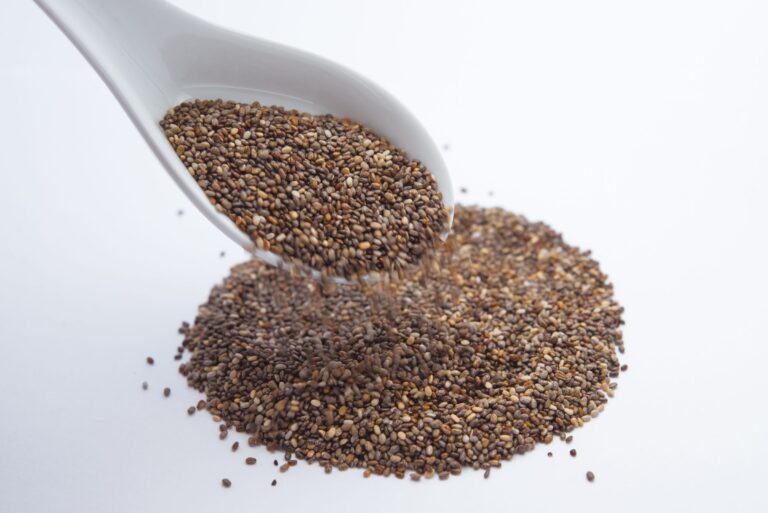
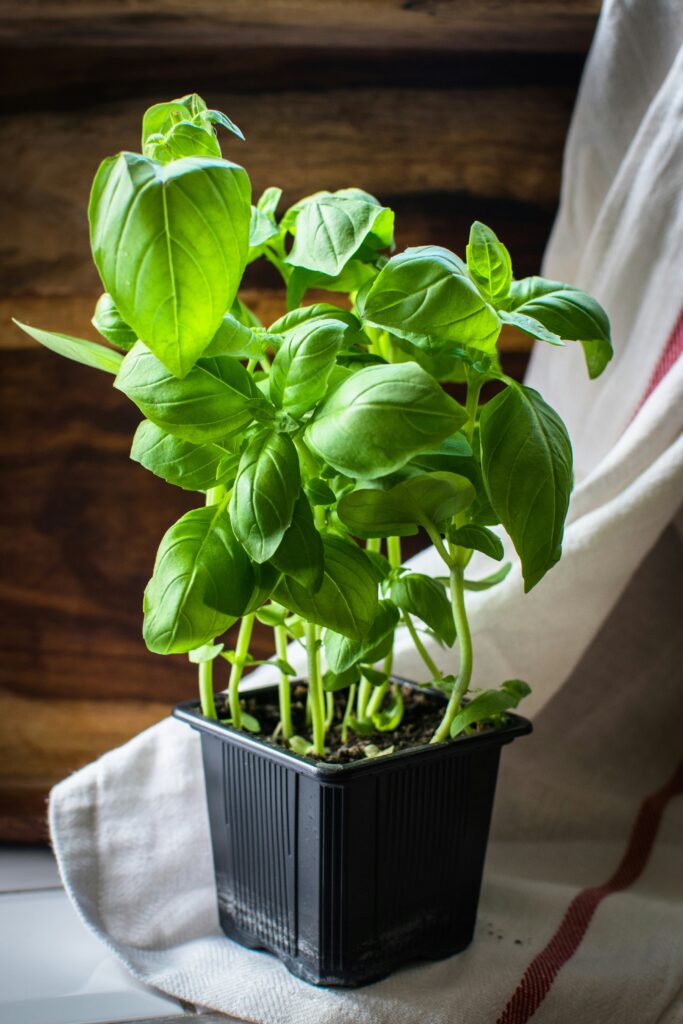
Tukh malanga is the local name for the seeds of the sweet basil plant (Ocimum basilicum). To fully appreciate tukh malanga benefits and uses, you should know they are tiny, black, tear-shaped seeds that look quite ordinary when dry. However, they swell rapidly when you put them in water.
Limited evidence from laboratory studies suggests that their dried outer layer creates a strong physical network that traps water, forming a thick, jelly-like layer called mucilage. This is the familiar grey cooling gel you see floating in traditional summer drinks across Pakistan. The gel not only changes the texture of your drink but also holds onto important nutrients.
You might easily confuse them with chia seeds, but they are botanically distinct. Tukh malanga comes from the basil plant, while chia seeds (Salvia hispanica) come from a different plant family entirely. They also differ in shape, color, and how quickly they absorb water. Basil seeds swell almost instantly, whereas chia seeds take much longer to form a gel.
For a deeper dive into how these two seeds compare, read our complete guide on healthy diet planning.
Nutritional Profile of Basil Seeds
Basil seeds pack a concentrated dose of essential nutrients into a very small serving size. While standard local food composition data is often limited, evidence suggests they are a highly valuable source of dietary fiber, important minerals, and plant-based compounds, which is key to understanding tukh malanga benefits and uses.
According to food science reviews focusing on seed mucilage, the swollen outer layer of these seeds is made of complex carbohydrates like xylan and pectin. This dense structure is what makes them so incredibly rich in soluble fiber. The fiber content is the main reason these seeds are so beneficial for your daily diet.
Because they swell so much when hydrated, you only need to consume a small amount. Adding just one or two tablespoons to your daily lemonade provides a meaningful boost of fiber and minerals without adding heavy calories. They are a simple way to increase your daily fiber intake, especially during the hot months when you already drink plenty of fluids.
Health Benefits Supported by Evidence
When discussing tukh malanga benefits and uses, the main health advantages come directly from its high fiber content and unique plant compounds. When you consume the seeds regularly, they can support your body in several specific ways, especially in digestive health and blood sugar regulation.
Supports healthy digestion
The thick gel that forms around soaked tukh malanga is an excellent source of soluble dietary fiber. When you consume this viscous fiber, it helps keep your digestive system moving smoothly. Scientific reviews confirm that highly fermentable fibers, like those found in seed mucilage, consistently support healthy digestion and can help relieve uncomfortable constipation. By adding necessary bulk and moisture to your stool, these seeds make it much easier for your body to process food naturally and comfortably.
Helps manage blood sugar levels
If you are actively watching your glucose levels, these swollen seeds can be a very helpful addition to your diet. The same thick gel that aids your digestion also slows down how quickly your stomach empties after a meal. Reviews of clinical studies show that viscous soluble fibers consistently improve post-meal blood sugar levels in adults. They slow the rapid absorption of carbohydrates into your bloodstream. This helps prevent sharp, sudden spikes in your blood glucose after you eat a meal or drink a sugary summer beverage.
Provides antioxidant compounds
Tukh malanga contains specific plant compounds that may help protect your body’s cells from daily damage. Limited evidence from test-tube studies suggests that different varieties of sweet basil seeds contain phenols and flavonoids that act as powerful antioxidants. Another laboratory review notes that extracts from these specific seeds show strong antioxidant and antimicrobial properties. However, you should note that these are strictly laboratory findings. We do not yet know exactly how effectively these compounds work inside the human body when you eat the whole seeds.
How to Use Tukh Malanga (Recipes & Drinks)
Preparing tukh malanga is a very simple process, but exploring tukh malanga benefits and uses correctly is essential to get the benefits safely. You should never eat the seeds completely dry, as they can stick in your throat and cause discomfort.
Evidence from food science reviews suggests that the seeds need adequate water to hydrate fully and form their protective polysaccharide gel before you consume them. To prepare them properly, soak one tablespoon of dry seeds in about half a cup of plain, room-temperature water. They will swell up and develop their familiar grey gel coating very quickly, usually within 15 to 20 minutes.
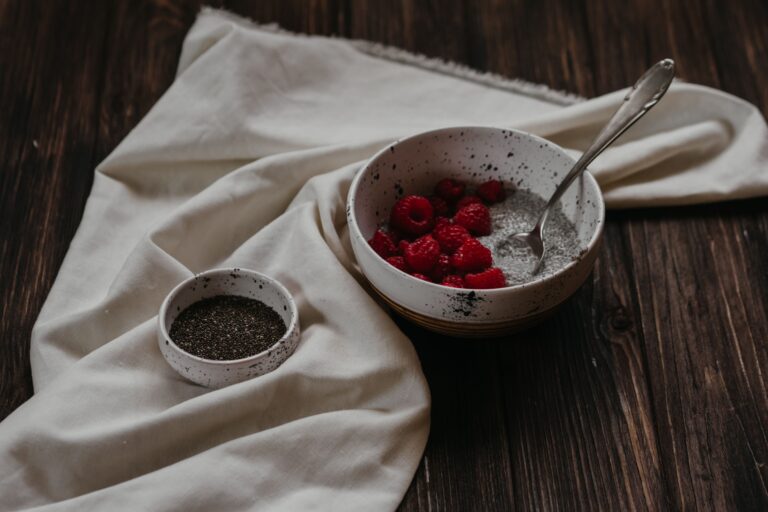
Once they are fully soaked and swollen, you can stir them into your daily glass of lemonade, plain water, or cold milk. They add a pleasant, slightly chewy texture to traditional desserts like sweet falooda. They are also a classic, refreshing addition to Rooh Afza during the intense summer heat. You can even stir them into a bowl of yogurt or a fruit smoothie for an extra boost of daily fiber.
Precautions and Side Effects
While tukh malanga is generally safe for most people, its exceptionally high fiber content means you need to be careful with how much you consume at one time to avoid [tukh malanga side effects](https://nuritron.com/tukh-malanga-side-effects/). Eating too much without adequate hydration can cause digestive distress, so moderation is strictly advised.
When you increase your dietary fiber intake quickly, your natural gut bacteria ferment that new fiber. Evidence suggests that this sudden microbial fermentation can cause uncomfortable gas and abdominal bloating. To avoid this temporary discomfort, you should start with a small amount, such as just one teaspoon a day. You must also make sure to drink plenty of extra plain water throughout the day.
If you want to learn more about how highly fibrous seeds can affect your digestion, you can review our general wellness tips.
There are also general dietary precautions you should keep in mind. We do not yet know the exact safe upper limit for daily consumption, so you should use them in moderation as part of a varied, balanced diet. If you take blood-thinning medications, you should always speak to your doctor before adding large amounts of any new seeds or green vegetables, like palak or methi, to your regular diet. Their high Vitamin K content may interact with your prescribed medicine.
Please note: This article is for educational purposes only. Do not change or stop your medication based on this article. Always speak to your doctor if you have concerns about your digestion or blood sugar control.
Frequently asked questions
What are the main tukh malanga benefits and uses?
The primary tukh malanga benefits and uses involve its high soluble fiber content, which aids digestion, helps manage blood sugar levels, and serves as a traditional cooling ingredient in summer drinks.
Is tukh malanga the same as chia seeds?
No. Tukh malanga comes from the sweet basil plant (Ocimum basilicum), while chia seeds come from a completely different plant species (Salvia hispanica). They look different when dry, absorb water at completely different speeds, and have slightly different nutritional profiles.
Can I consume tukh malanga every day?
Yes, you can eat them daily in moderate amounts. While there is no strict daily limit proven by science, sticking to one or two tablespoons a day is a sensible way to enjoy their digestive benefits without consuming too much fiber at once.
Does tukh malanga help in weight loss?
The seeds contain high amounts of soluble fiber. For more details on how this works, see our guide on [tukh malanga for weight loss](https://nuritron.com/tukh-malanga-for-weight-loss/). This thick fiber swells in your stomach and can help you feel full for longer, which might gently reduce your overall calorie intake throughout the day. However, no single food will cause you to lose weight on its own without other diet changes.
What happens if we drink tukh malanga daily?
Drinking it daily can improve your regular digestion and help manage your post-meal blood sugar levels thanks to the high soluble fiber content. Just remember to drink plenty of extra plain water alongside them to prevent uncomfortable bloating.
How to eat tukh malanga safely?
You should always soak the seeds in plenty of water for at least 15 minutes before consuming them. Never eat them dry. Once they form a thick gel, you can easily mix them into water, milk, lemonade, or traditional cooling desserts.
About the author

Jamshaid Ibrahim, HNDNutritionist and food processing specialist
Nutritionist and food processing specialist. Built production for traditional health products at Glaxay Foods, with the food safety and packaging compliance behind it.
View full profile and articlesAbout the medical reviewer

RD Saeed Ahmad, MSPHCo-founder and nutritionist, Nuritron
Nutritionist and public health researcher, and co-founder of Nuritron. Works in clinical and community nutrition, type 2 diabetes and One Health policy.
View full profile and articles