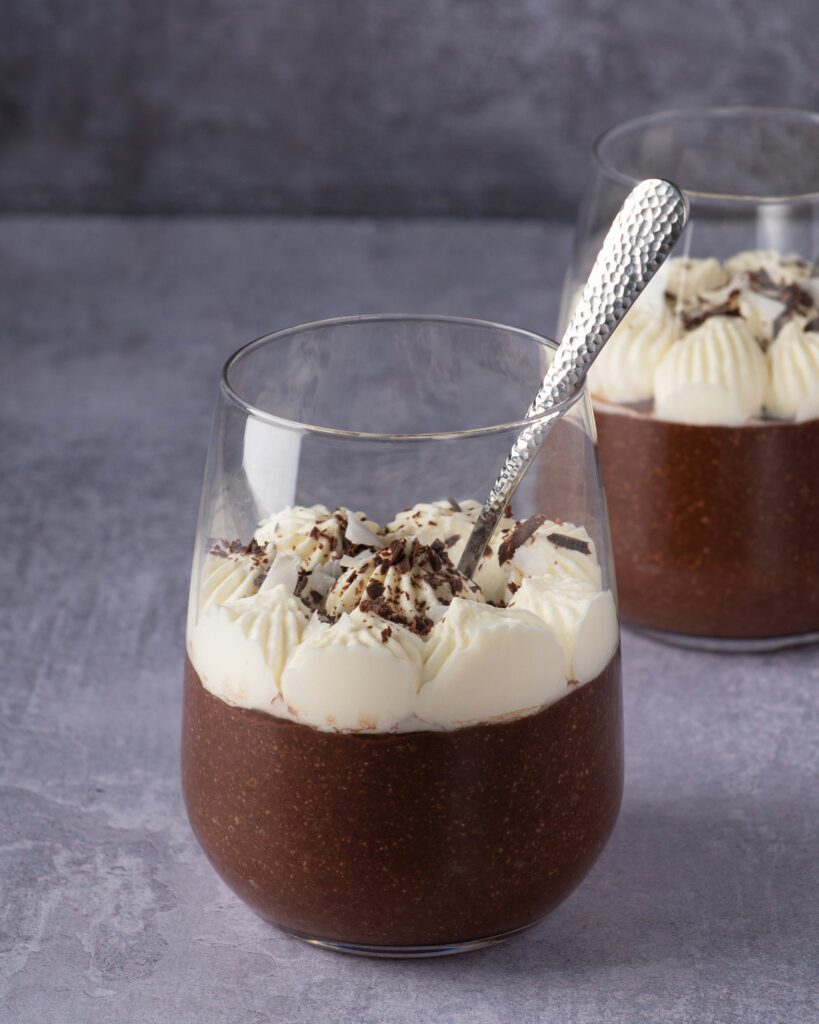
Many women wonder: are chia seeds in pregnancy safe for their growing baby? You can safely eat chia seeds while pregnant, provided you soak them first and consume them in standard food portions.
Key takeaways
- To keep chia seeds in pregnancy safe, you must soak them, but they are highly nutritious and for managing PCOS when soaked and eaten in moderation.
- They provide essential fiber, plant-based Omega-3s, and protein that support digestion and blood sugar regulation.
- Always soak them before consumption to avoid choking, and drink plenty of water to prevent digestive discomfort.
- Consult your doctor before making major dietary changes, especially if you are taking medication for blood sugar or blood pressure.
Benefits of Chia Seeds During Pregnancy
Direct Answer: Chia seeds offer a compact source of important nutrients that support maternal health during pregnancy. They provide fibre to help alleviate constipation and plant-based Omega-3 fatty acids that may support general health and fetal development when added to your diet.
Pregnancy brings many changes to your body, and your nutritional needs increase. Chia seeds offer a compact source of important nutrients that support maternal health.
Constipation is a common complaint for pregnant women due to hormonal shifts and iron supplements. Fibre plays a central role in keeping your digestive system moving. Chia seeds are a good source of fibre, which helps alleviate pregnancy-related constipation. Eating enough fibre makes your stools softer and easier to pass, which is a key reason why eating chia seeds in pregnancy safe amounts is helpful. Increasing your fibre intake should happen gradually to prevent stomach upset. You also need to drink plenty of fluids, because fibre absorbs water and inadequate fluid can make constipation worse. For more details, see the NHS fibre guidelines.
Your baby needs healthy fats to support early brain and eye development as they grow. Evidence suggests that plant-based Omega-3 fatty acids in chia seeds support general health and fetal development. Adding Omega-3 to your diet during pregnancy may lower the risk of preterm birth, making chia seeds in pregnancy safe for development. While chia seeds contain alpha-linolenic acid (a type of Omega-3), your body converts only a small amount of this into the active forms your baby uses. They remain a helpful addition to a varied and balanced diet.
Are Chia Seeds Safe for PCOS?
Direct Answer: Current evidence does not support the idea that chia seeds directly balance hormones or act as a treatment for PCOS. However, they are a highly nutritious, high-fibre food choice that can support overall digestive wellness when eaten as part of a balanced diet.
Many women with polycystic ovary syndrome (PCOS) wonder if the chia seeds in pregnancy safe guidelines apply to them. Because chia seeds contain protein and fibre, they are often recommended for blood sugar control. However, current evidence does not support the claim that chia seeds significantly stabilize blood sugar or improve insulin sensitivity. Trials show that eating chia seeds has no meaningful effect on fasting blood glucose or insulin levels over time.
Inflammation is another concern for women managing PCOS. Some sources suggest that seeds can balance your hormones directly. Chia seeds may reduce some inflammatory markers (like CRP), but there is not enough evidence to say this directly improves hormonal balance. They are a healthy food choice that supports overall wellbeing, and eating chia seeds in pregnancy safe amounts is part of a balanced diet.
Potential Risks and Side Effects
Direct Answer: The primary risks of eating chia seeds include choking hazards if consumed dry and digestive discomfort if eaten in large amounts without enough water. You must always soak chia seeds before eating them to allow them to fully expand safely outside your body.
While they are highly nutritious, to keep chia seeds in pregnancy safe, you must prepare them correctly.
Consuming dry chia seeds poses a choking hazard; they must be soaked. These seeds absorb fluid very quickly and can expand up to 12 times their size. If you swallow them dry, they can expand inside your throat and cause a severe blockage. Always mix them into liquid and wait for them to swell to ensure keeping chia seeds in pregnancy safe.
Because they contain high amounts of fibre, excessive consumption of chia seeds without adequate water can lead to digestive discomfort. Eating too much fibre too quickly often causes bloating and gas. Start with a small amount and drink water to keep chia seeds in pregnancy safe for your digestion.
For more information on possible adverse reactions, read our guide on chia seeds side effects.
How to Safely Include Chia Seeds in Your Diet
Direct Answer: To safely include chia seeds in your diet, limit your intake to standard food portions of 1 to 2 tablespoons per day. Always soak them fully in liquid like water or milk, and drink plenty of fluids throughout the day to support digestion.
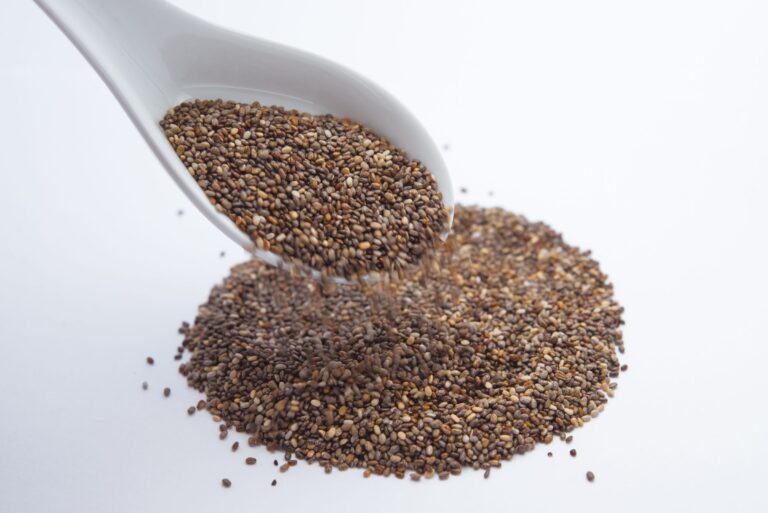
In Pakistan, it is easy to confuse chia seeds with sweet basil seeds. For a detailed comparison, see our article on chia seeds vs tukh malanga. While tukh malanga is small, black, and tear-shaped, chia seeds are slightly larger, oval, and come in mixed shades of grey, brown, and black. For more local context, you can explore chia seeds in Urdu.
Following standard dietary portions is how you keep chia seeds in pregnancy safe. The EFSA guidelines also recommend these amounts. You do not need to eat large amounts to get their nutritional benefits. About 15 grams a day is plenty for most people. Adding this small amount to your daily routine can provide a steady source of nutrients without overwhelming your digestive system.
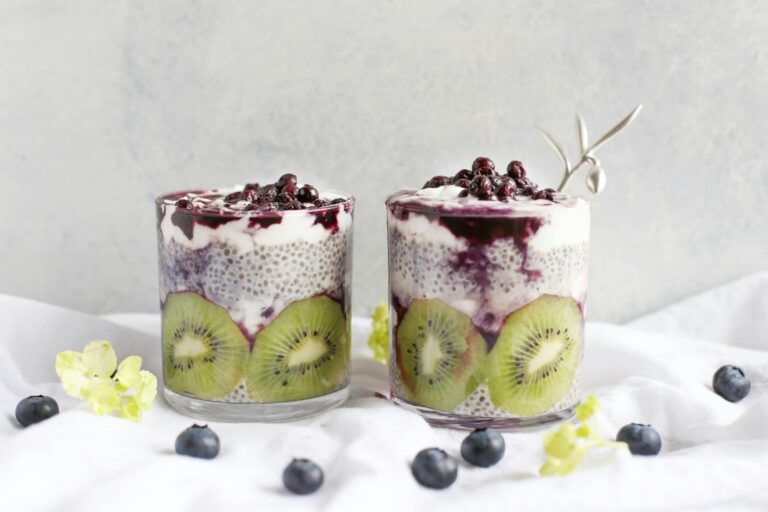
You can easily add soaked chia seeds to your daily meals to boost their nutritional profile. Mix them into a morning glass of milk, stir them into a bowl of fresh yoghurt, or blend them into a fruit smoothie. They also work exceptionally well when stirred into traditional local drinks like plain lassi or a mild Rooh Afza, provided you keep the added sugar low. You can even sprinkle soaked chia seeds over cooked green vegetables like palak, methi, or sarson saag just before serving to add texture. Experimenting with different recipes can make it enjoyable to eat them regularly.
When to Consult a Doctor
Direct Answer: You should consult your doctor before adding chia seeds to your diet if you take medication for blood sugar or blood pressure. Chia seeds can lower blood pressure, which may cause complications if you are already on antihypertensive drugs.
Food can influence how your body handles certain conditions. Individuals on medication for blood sugar or blood pressure should monitor intake due to potential interactions. Studies show chia seeds can lower both systolic and diastolic blood pressure. If you take medication for hypertension, eating large amounts of chia seeds could cause your blood pressure to drop too low.
Always speak to your healthcare provider before adding new supplements or making significant changes to your diet, especially if you have a medical condition.