
If you are exploring tukh malanga for weight loss as a natural way to manage your appetite, you have likely heard that it can help. Many local blogs claim that drinking basil seed water will melt away belly fat overnight. The reality is more practical. Tukh malanga does not magically burn fat, but it provides a significant amount of soluble fiber that expands in your stomach. When you combine this fiber with a balanced diet, it can help you feel full and eat fewer calories throughout the day. This guide explains how to use these seeds safely and effectively as part of your weight management routine.
Key takeaways
- Tukh malanga provides high amounts of soluble fiber which expands in water to form a gel.
- Consuming this fiber before meals can promote a feeling of fullness and help manage appetite.
- Basil seeds are not a magic fat-loss cure and must be part of a calorie-controlled diet.
- Always soak the seeds in water before consuming to prevent choking and digestive blockages.
Does Tukh Malanga Actually Help With Weight Loss?
Tukh malanga alone will not cause you to lose weight. There is no evidence that basil seeds independently melt fat or directly reduce your body mass index. Instead, their benefit comes from how their fiber content supports your overall eating habits.
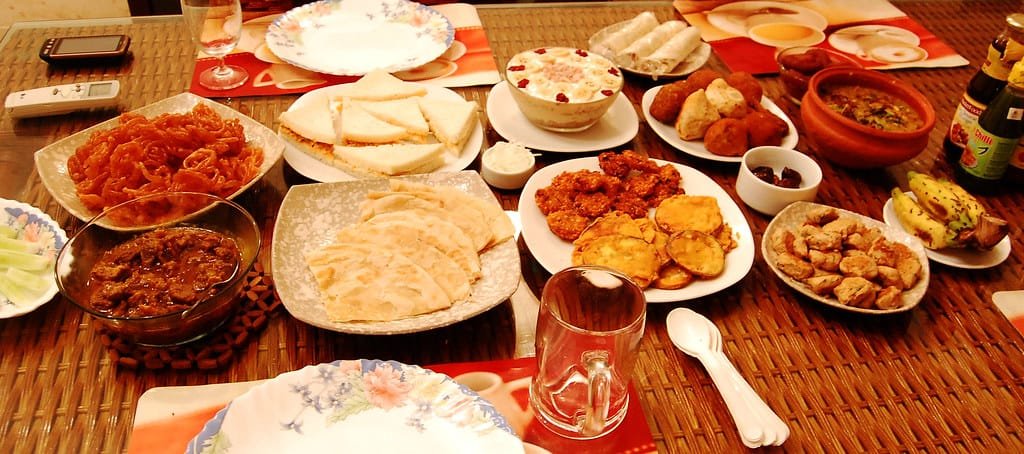
When people try to lose weight, hunger is often the biggest challenge. A calorie deficit is necessary for weight loss, which means eating fewer calories than your body uses. Cutting back on portions of roti, chawal, or rich salans can leave you feeling empty and lead to snacking between meals. This is where tukh malanga plays a supporting role. By providing a source of dietary fiber that expands in your stomach, these seeds help you feel satisfied on smaller portions of food. They do not increase your metabolism or burn existing belly fat. If you are comparing different seeds for this purpose, you can read our comparison of chia seeds vs tukh malanga.
Many people confuse the feeling of lightness after improving their digestion with direct fat loss. Basil seeds support digestion and can reduce bloating when used correctly, but true weight loss requires consistent dietary changes. If you drink tukh malanga water but still consume heavy meals and sugary drinks, you will not see a change on the scale. To get the benefits, you must use the seeds as a tool to control your appetite while eating a balanced diet of fresh local vegetables like palak and tori, lean proteins, and whole grains. You can explore more about their overall impact in our guide on tukh malanga benefits and uses.
How Fiber and Expansion Promote Fullness
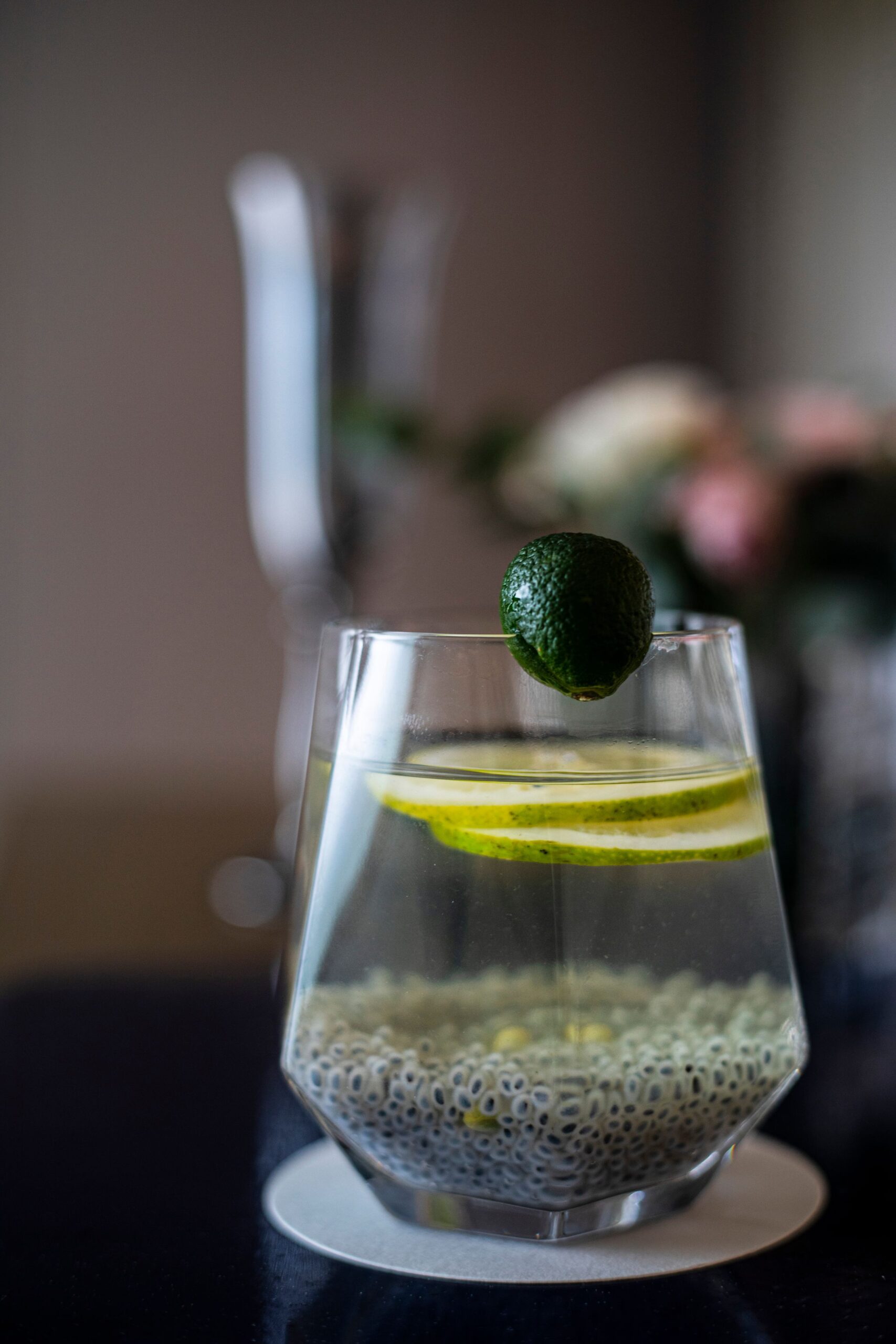
The physical properties of basil seeds make them highly effective for appetite management. When you soak these seeds in water, they absorb the liquid and develop a thick, gel-like outer layer.
This expansion happens because basil seeds contain a specific type of soluble fiber called mucilage. In vitro studies show that dried basil seed mucilage has a strong ability to hydrate and swell, reaching more than 26 times its original size when exposed to water over several hours. This physical swelling creates a porous network that traps water. When you consume the soaked seeds, this gel takes up physical space in your stomach. The presence of this bulky, viscous mass triggers stretch receptors in your stomach wall, which send signals to your brain indicating that you are full.
Evidence suggests that consuming viscous fibers can help reduce overall appetite ratings. A review of human intervention studies observed that acute intake of viscous, gel-forming fibers frequently results in reduced appetite compared to non-viscous fibers. Because the human body cannot digest soluble fiber, the gel moves slowly through your digestive tract. This slow movement delays stomach emptying, which helps keep you feeling satisfied for a longer period after a meal.
This mechanism is entirely physical. The fiber does not interact with fat cells or alter your hormones in a way that directly burns fat. It simply provides a mechanical barrier to overeating. If you struggle with portion control during lunch or find yourself reaching for snacks in the late afternoon, introducing a source of expanding fiber before your meal can help you manage those cravings naturally.
The Nutritional Profile of Basil Seeds
Understanding the nutritional value of tukh malanga helps explain why it is a useful addition to a balanced diet. While the exact nutrient breakdown can vary slightly based on the growing region, these seeds are primarily valued for their fiber content.
Limited evidence and general food composition data suggest that a standard serving of basil seeds provides a significant amount of dietary carbohydrates, mostly in the form of indigestible fiber. Because the body does not break down this fiber for energy, the net calorie impact of a serving is relatively low. This makes the seeds an excellent tool for adding volume to your meals without adding excessive calories.
| Nutrient | Approximate Amount per 1 Tablespoon (13g) |
|---|---|
| Calories | 60 |
| Total Carbohydrates | 7g |
| Dietary Fiber | 7g |
| Protein | 2g |
| Fat | 2.5g |
Note: Values are approximate based on general botanical composition. Always check specific product packaging if available.
Beyond fiber, basil seeds offer small amounts of essential minerals. They contain calcium, which is important for bone health, and iron, which supports healthy blood circulation. They also provide some plant-based omega-3 fatty acids, though in smaller amounts than [chia seeds](https://nuritron.com/chia-vs-flax-seeds). If you want to learn more about alternative seeds, you can review how to use chia seeds for weight loss. The combination of fiber, healthy fats, and a modest amount of protein means that tukh malanga provides sustained energy rather than the quick spike and crash you get from sugary snacks.
How to Use Tukh Malanga for Weight Management
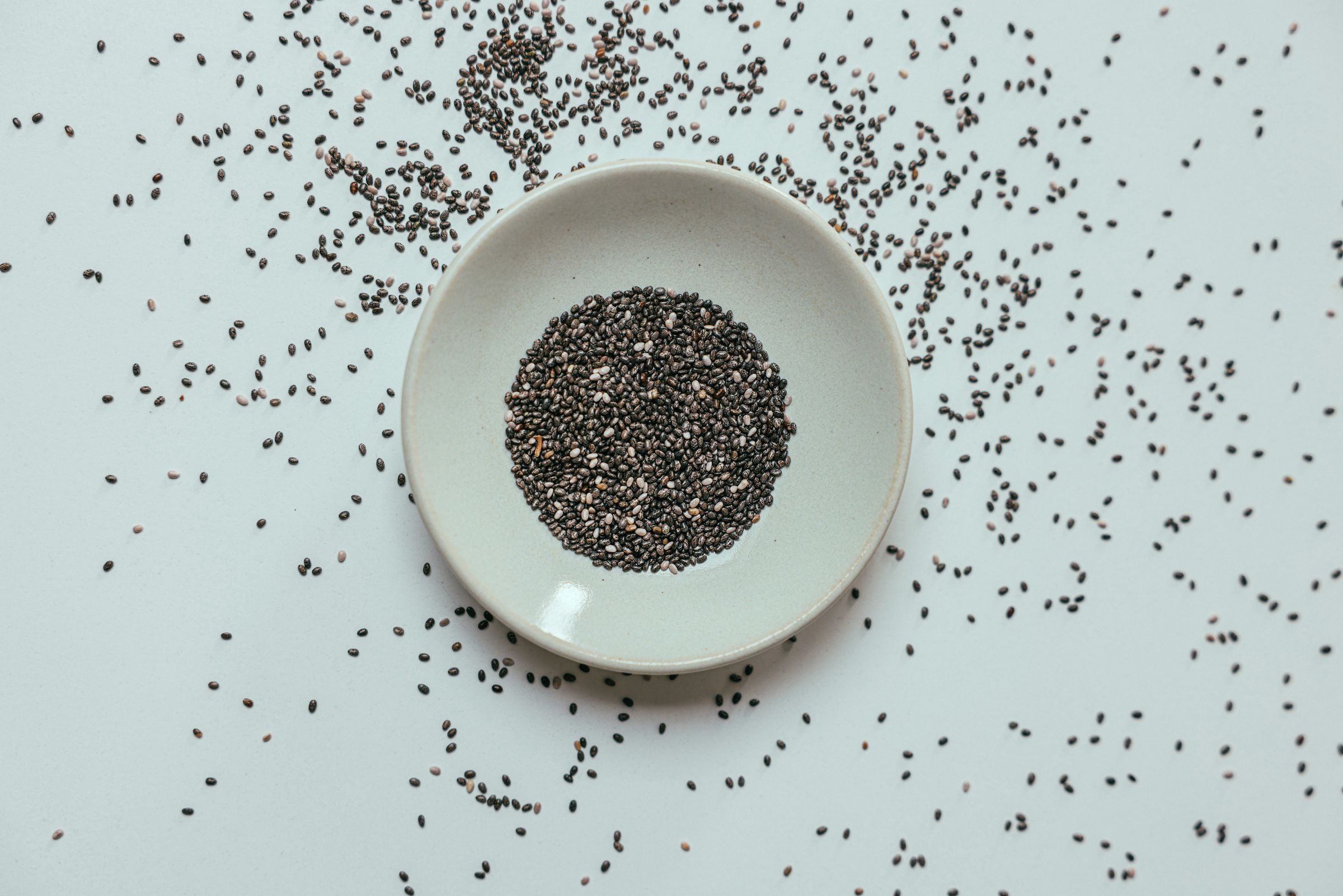
Adding basil seeds to your daily routine is simple, but preparation and timing matter if your goal is weight management. The most important rule is that you must always soak the seeds before consuming them.
The recommended method is to mix one to two tablespoons of tukh malanga with at least one full glass of water. Let the mixture sit for 15 to 30 minutes until the seeds have fully expanded and formed their characteristic greyish gel. Evidence suggests that proper soaking is essential for safety, as the seeds expand rapidly when exposed to moisture.
Timing is crucial for appetite control. To get the maximum benefit from their filling properties, drink your soaked tukh malanga water about 30 minutes before a main meal. This gives the fiber time to settle in your stomach, helping you eat a smaller portion of salan and roti when you sit down for lunch or dinner. During Ramadan, consuming soaked seeds with your sehri can help you feel more satisfied throughout the fasting hours, while having them at iftar can prevent you from overeating after a long day of fasting.
You can easily incorporate soaked basil seeds into traditional Pakistani drinks. Adding them to fresh nimbu pani (lemon water) without added sugar creates a refreshing, low-calorie beverage that supports your hydration and fiber goals. You can also mix them into plain yogurt (dahi) or a sugar-free lassi.
However, be careful of how you consume them outside of the home. Tukh malanga is a staple ingredient in falooda and sweet sherbets, but these drinks are often loaded with sugar and high-calorie syrups. Consuming the seeds in a sugary falooda will completely undermine your weight management efforts. Always pair the seeds with water, clear broths, or unsweetened dairy to keep the calorie count low.
Safety, Side Effects, and Who Should Avoid It
While tukh malanga is generally safe for most people, the physical properties of the seeds require careful handling, and certain populations should exercise caution.
The most significant risk comes from consuming the seeds dry. Evidence suggests that eating unsoaked gel-forming seeds and chasing them with water can cause severe esophageal impaction. In a documented case report involving chia seeds, which expand similarly to basil seeds, a person who consumed them dry followed by water experienced complete blockage of their esophagus because the seeds rapidly absorbed the liquid and expanded into a solid mass before reaching the stomach. You must always allow the seeds to fully expand in a glass or bowl of liquid before you attempt to swallow them. The choking hazard is real, especially for young children, older adults, or anyone who has difficulty swallowing.
Digestive issues are another common concern. Limited evidence from general fiber research indicates that sudden increases in dietary fiber can cause temporary gastrointestinal distress, including severe bloating, stomach cramps, and gas. If your current diet is low in fiber, do not start by drinking multiple tablespoons of basil seeds a day. Begin with just half a teaspoon of soaked seeds once a day and gradually increase the amount over several weeks. This gives your digestive system time to adjust. You must also drink plenty of plain water throughout the day. Fiber needs water to move smoothly through your digestive tract; without enough hydration, increasing your fiber intake can lead to constipation.
Finally, consider how basil seeds might interact with existing health conditions or medications. Limited evidence suggests that basil contains high levels of vitamin K, which plays a role in blood clotting. If you take blood-thinning medications like warfarin, do not change or stop your medication without talking to your doctor first. Sudden changes in your vitamin K intake can interfere with your treatment, so you should maintain a consistent intake and consult a healthcare professional before making basil seeds a daily habit. Furthermore, if you take any oral medications, the thick gel formed by the seeds could potentially slow down the absorption of your medicine. It is best to consume the seeds at least an hour apart from any medication.
Frequently asked questions
When is the best time to drink tukh malanga for weight loss?
The most effective time to drink soaked basil seeds is about 30 minutes before your largest meals. Consuming the expanded fiber before lunch or dinner allows the seeds to take up space in your stomach, which helps you feel full faster and makes it easier to control your portion sizes during the meal.
Can I consume tukh malanga without soaking it?
No. You must never eat basil seeds dry. Because they absorb water and expand rapidly, consuming them dry can cause them to swell in your throat or esophagus before they reach your stomach. This creates a severe choking hazard and can cause dangerous physical blockages.
Does tukh malanga reduce belly fat specifically?
Basil seeds do not target or reduce belly fat. Spot reduction of fat in specific areas is a myth. The seeds help with overall weight management by providing filling fiber that makes it easier to maintain a calorie deficit, which eventually leads to gradual fat loss across your entire body.
How much tukh malanga should I use daily?
If you are new to high-fiber foods, start with half a teaspoon of soaked seeds per day to avoid bloating and gas. Over a few weeks, you can gradually increase this amount to one or two tablespoons daily, ensuring you drink plenty of extra water to help the fiber move through your digestive system.
Can I drink tukh malanga water every day?
Yes, you can safely drink soaked basil seed water every day as part of a balanced diet. Daily consumption helps maintain steady fiber intake, which supports regular digestion and consistent appetite control. However, you should monitor your body’s response and ensure you are not relying on it to replace meals or healthy whole foods. Always stay well-hydrated to support the extra daily fiber.
About the author

RD Saeed Ahmad, MSPHCo-founder and nutritionist, Nuritron
Nutritionist and public health researcher, and co-founder of Nuritron. Works in clinical and community nutrition, type 2 diabetes and One Health policy.
View full profile and articlesAbout the reviewer

Jamshaid Ibrahim, HNDNutritionist and food processing specialist
Nutritionist and food processing specialist. Built production for traditional health products at Glaxay Foods, with the food safety and packaging compliance behind it.
View full profile and articles