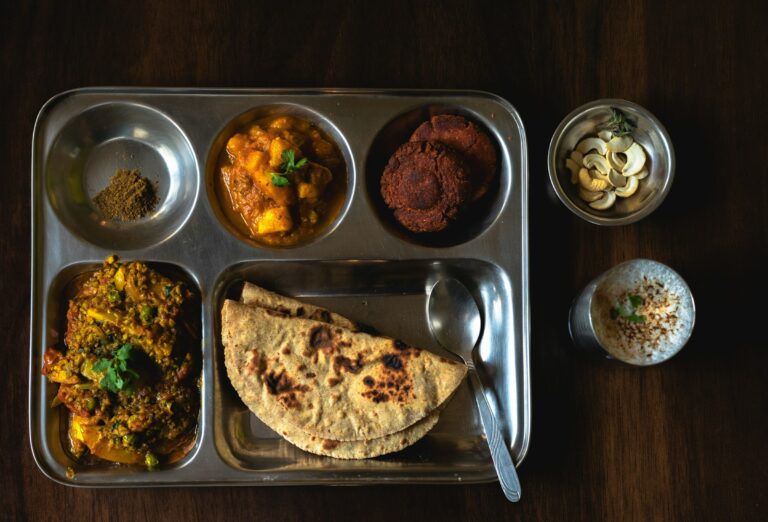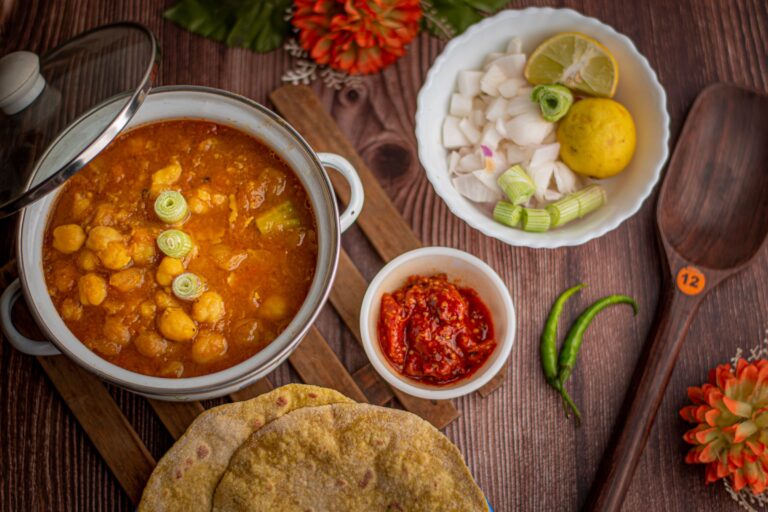
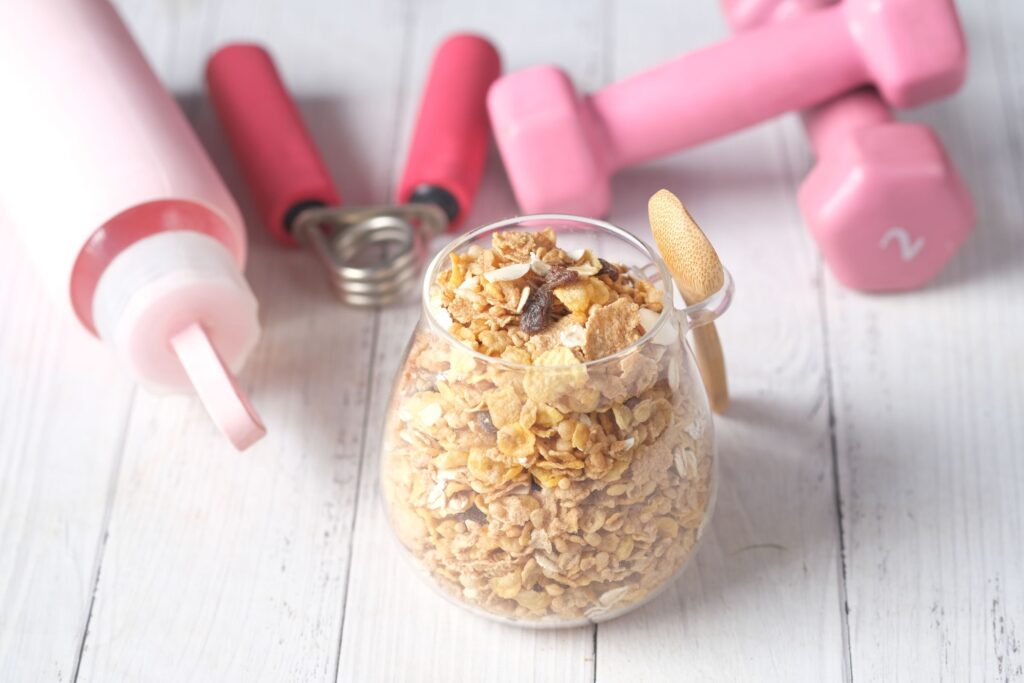
Building an effective gym diet plan in Pakistan does not require imported supplements, foreign meal plans, or unseasoned boiled chicken. Creating a sustainable gym diet plan Pakistan lifters can maintain starts in your local kitchen. Sports nutrition consensus confirms that active lifters can satisfy all muscle-building targets using affordable whole foods. Everyday staples like whole eggs, chicken, beef, dahi, and lentils provide complete nutrition for any disciplined gym diet plan. When paired with smart meal timing, these foods fuel intense workouts and build muscle on a normal household budget.
Key takeaways
- You do not need expensive imported supplements or foreign diets to build muscle. Affordable Pakistani staples provide complete nutrition when structured into a disciplined gym diet plan.
- Resistance-trained individuals need approximately 1.4 to 2.0 grams of protein per kilogram of body weight daily. Distributing this across 3 to 5 meals containing 20 to 40 grams each maximizes muscle repair.
- Whole eggs, chicken breast, lean beef, paneer, dahi, and paired legumes supply complete essential amino acids and leucine for muscular growth on a desi gym diet plan.
- Carbohydrates from whole-wheat roti, rice, and oats fuel training intensity and replenish muscle glycogen. A modest surplus of 250 to 500 calories supports clean muscle gains without excess fat.
- Navigating the shared family kitchen does not require separate cooking. Skim surface oil (tari) from curries, choose lean meat portions, and add boiled eggs, dahi, or fresh salads to keep your diet plan on track.
- Maintaining consistent hydration (3 to 4 liters daily) and replacing electrolytes preserves strength and helps avoid heat exhaustion in Pakistan’s warm climate.
The Foundations of Sports Nutrition: Caloric Balance and Macronutrients
Building lean muscle requires balancing total caloric intake with structured macronutrients inside your gym diet plan. You need protein for tissue repair, carbohydrates for training energy, and healthy fats for hormone production. Evidence suggests establishing a modest caloric surplus of roughly 250 to 500 calories per day supports muscle hypertrophy while limiting unnecessary body fat accumulation.
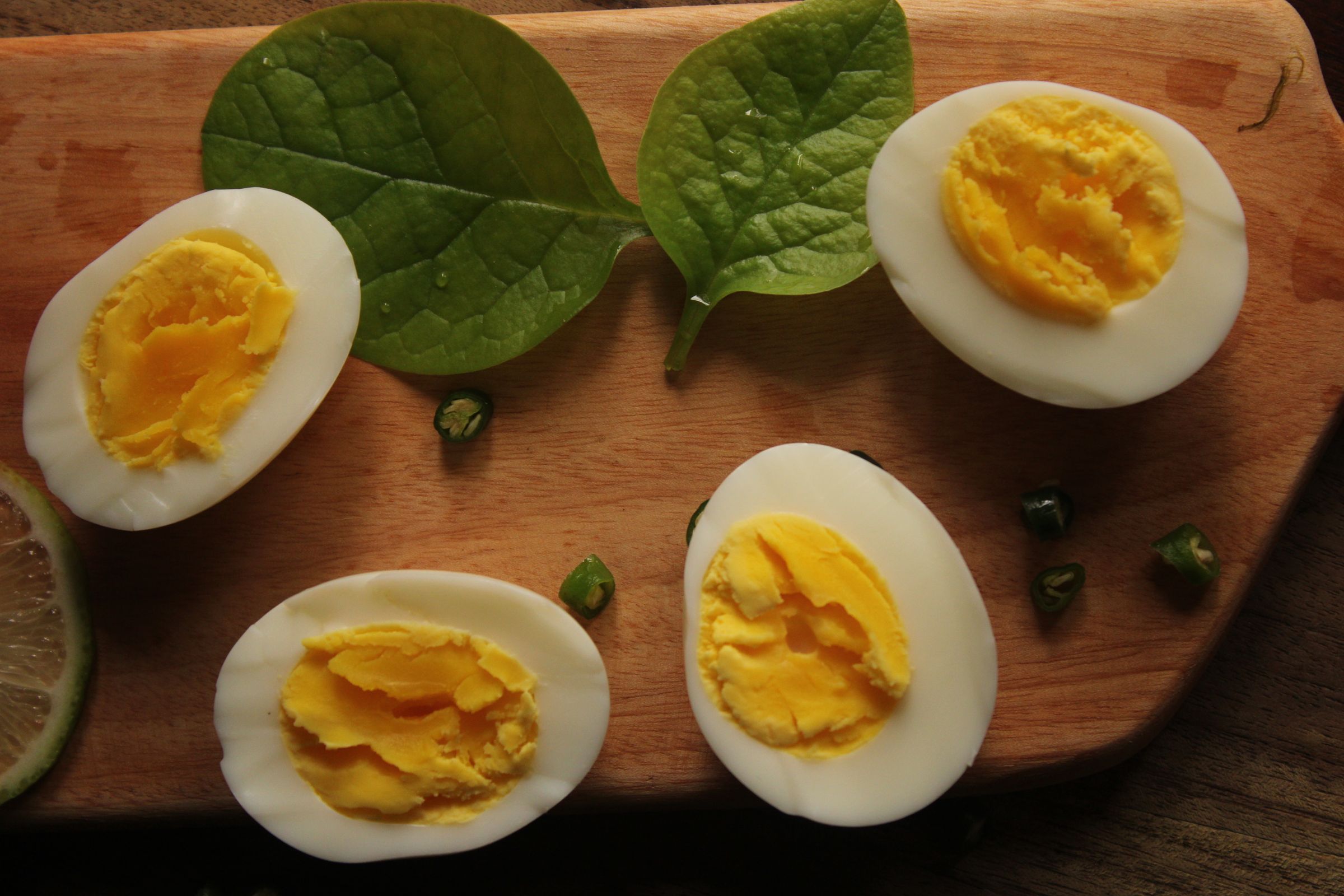
Many Pakistani gym-goers make the mistake of dirty bulking when starting a muscle building diet plan. They consume large plates of oily biryani, parathas, and fried samosas to gain weight quickly. This habit usually leads to rapid fat gain around the waistline rather than quality muscle. Evidence suggests that weight-stable lifters benefit most from a conservative energy surplus of 1,500 to 2,000 kJ daily in their gym diet plan. This equals roughly 350 to 500 extra calories per day. This moderate surplus optimizes muscle protein synthesis while keeping body fat gain low on a clean gym diet plan.
Your training experience also influences how your body handles extra calories across your gym diet plan. In lifting beginners or individuals carrying excess body fat, muscle growth and fat loss can happen at the same time. This can occur at maintenance calories or during a slight caloric deficit within a tailored diet plan. Fitness professionals call this process body recomposition. However, studies indicate that intermediate and advanced lifters require a steady, controlled surplus in their gym diet plan to build new lean muscle.
Three core macronutrient groups determine your daily results on any gym diet plan.
- Protein: supplies essential amino acids to rebuild torn muscle fibers. Aim for 1.4 to 2.0 grams per kilogram of body weight daily.
- Carbohydrates: provide primary fuel for high-intensity lifting. They replenish depleted muscle glycogen stores after tough workouts to keep your gym diet plan effective.
- Dietary fats: support hormone production and joint health. Keep fats at 20 to 30 percent of total calories while minimizing saturated fats from vanaspati and ghee.
For a detailed breakdown of daily proportions tailored to your body weight, consult our guide on macronutrient daily requirements to refine your gym diet plan.
Protein Targets for Muscle Building: How Much Do You Actually Need?
To maximize muscle growth, resistance-trained individuals following a gym diet plan need approximately 1.4 to 2.0 grams of protein per kilogram of body weight daily. This requirement is higher than the sedentary baseline of 0.8 grams per kilogram. Distributing this protein across 3 to 5 meals throughout the day triggers optimal muscle repair in any athletic diet plan.
Standard national guidelines recommend 0.8 grams of protein per kilogram of body weight daily for general health. While this baseline protects against deficiency in inactive individuals, it does not support hard training on a gym diet plan. Heavy lifting breaks down muscle fibers and increases amino acid requirements. Joint position guidelines from the ACSM and ISSN recommend 1.2 to 2.0 grams per kilogram daily for athletic populations structuring a high-performance diet plan.
A systematic review and meta-analysis of 49 resistance training studies by Morton and colleagues examined 1,863 participants. The researchers confirmed that higher protein intake significantly increased strength and muscle size across a structured gym diet plan. Muscle mass gains plateaued at a total daily intake of roughly 1.62 grams per kilogram. Intakes above this level gave no extra muscle growth for most lifters, though the upper confidence limit reached 2.2 grams per kilogram.
Meal distribution matters just as much as your daily total when organizing your gym diet plan. Consuming 20 to 40 grams of high-quality protein per meal stimulates muscle protein synthesis efficiently. This equals about 0.25 to 0.40 grams per kilogram per feeding in your diet plan. Eating balanced meals every 3 to 4 hours works much better than eating all your protein in one giant dinner. Schoenfeld and Aragon showed that eating 0.40 grams per kilogram per meal across four meals achieves the optimal 1.6 grams per kilogram target easily within an athletic diet plan. Each feeding should also provide roughly 0.7 to 3 grams of the amino acid leucine to trigger muscle protein synthesis on your gym diet plan.
These higher protein recommendations are intended for individuals with normal kidney function following a muscle-building diet plan. If you have pre-existing chronic kidney disease or impaired renal function, high-protein intakes place additional filtration strain on your kidneys. In this situation, always consult your doctor or clinical dietitian before increasing your daily protein intake or adopting a high-protein gym diet plan.
The following table translates these scientific targets into practical daily quantities for your gym diet plan.
| Body Weight | Sedentary Baseline (0.8 g/kg) | Active Gym Range (1.4–2.0 g/kg) | Per-Meal Target (4 Meals) | Pakistani Whole Food Equivalent |
|---|---|---|---|---|
| 60 kg (132 lbs) | 48 g/day | 84–120 g/day | 21–30 g/meal | 3 whole eggs + 1 cup dahi (curd). |
| 70 kg (154 lbs) | 56 g/day | 98–140 g/day | 25–35 g/meal | 120 g cooked chicken breast salan. |
| 80 kg (176 lbs) | 64 g/day | 112–160 g/day | 28–40 g/meal | 130 g lean beef mince or paneer. |
| 90 kg (198 lbs) | 72 g/day | 126–180 g/day | 32–45 g/meal | 150 g chicken breast + 1 whole egg. |
Building Muscle With Pakistani Foods: High-Protein Desi Staples
Building lean muscle in Pakistan is entirely achievable using everyday bazaar staples like whole eggs, broiler chicken, lean beef, paneer, and dahi in your gym diet plan. These local foods deliver complete amino acid profiles and rich leucine content. They eliminate the need to spend large sums of money on imported commercial protein powders.
Commercial supplement shops across Pakistan tell young lifters that an effective gym diet plan requires imported whey protein. Imported tubs often cost Rs 15,000 to Rs 30,000 per month. This cost places a heavy financial burden on students and families. However, sports nutrition consensus confirms that active individuals can satisfy all daily protein needs through whole foods alone in a sensible gym diet plan. Whole foods also supply vital minerals, vitamins, and healthy fats that powders lack. For a detailed safety analysis of commercial powders, see our report on whey protein safety in Pakistan.
Many local gym trainers also urge lifters to throw away egg yolks and eat only boiled whites as part of their gym diet plan. Science proves this advice is wasteful and incorrect. In a clinical trial, van Vliet and colleagues compared whole eggs against egg whites in resistance-trained young men. Both groups received the same amount of protein. Eating whole eggs stimulated post-exercise muscle protein synthesis significantly more than egg whites alone. The nutrients and lipids in the yolk boost the muscle-building response. Whole eggs remain one of the best bodybuilding foods in Pakistan to include in your daily gym diet plan.
The Indian Food Composition Tables (IFCT 2017) confirm the high protein value of local staples for any desi gym diet plan.
- Whole hen eggs: deliver roughly 13.3 grams of protein and 13.3 grams of fat per 100 grams. One large egg provides about 6.5 grams of complete protein.
- Broiler chicken breast: provides 21.8 grams of protein and only 3.2 grams of fat per 100 grams raw. It is an ideal lean meat for curries, kebabs, and tikkas within your gym diet plan.
- Lean beef: supplies 22.6 grams of protein and 3.8 grams of fat per 100 grams raw. It also provides rich amounts of bioavailable iron and zinc.
- Desi paneer: delivers 18.9 grams of protein per 100 grams. This cottage cheese is an exceptional choice for a vegetarian gym diet plan.
- Fresh dahi (yogurt): provides 3.1 to 4.3 grams of protein per 100 grams. It offers easy-to-digest dairy protein and beneficial probiotics to support your daily diet plan.
- Lentils and chickpeas (daal and chana): raw pulses contain 19 to 25 grams of protein per 100 grams. Cooked pulses absorb water and provide 7 to 9 grams of protein per 100 grams. Pairing lentils with whole-wheat roti or rice creates complementary proteins that supply all essential amino acids in a vegetarian gym diet plan.
| Food Item | Typical Portion | Protein (g) | Fat (g) | Gym Kitchen Role | Key Evidence |
|---|---|---|---|---|---|
| Whole Hen Eggs | 3 large eggs (~150 g) | ~19.5 g | ~19.5 g | Complete protein with rich yolk nutrients | van Vliet 2017.; IFCT 2017. |
| Broiler Chicken Breast | 150 g raw (~120 g cooked) | ~32.7 g | ~4.8 g | High-density lean protein for salan or grill | IFCT 2017.; ISSN 2017. |
| Lean Beef (Keema/Boti) | 150 g raw (~120 g cooked) | ~33.9 g | ~5.7 g | Dense protein packed with iron and zinc | IFCT 2017.; ISSN 2017. |
| Desi Paneer | 100 g fresh | ~18.9 g | ~21.4 g | Vegetarian muscle-building staple | IFCT 2017.; ISSN 2017. |
| Homemade Dahi (Yogurt) | 1 large bowl (250 g) | ~8.5–10.5 g | ~8.0–10.0 g | Probiotic dairy for snacks and smoothies | IFCT 2017.; ISSN 2017. |
| Safaid Chana (Chickpeas) | 1 cup cooked (150 g) | ~12.0–13.5 g | ~3.5 g | High-fiber pre-workout or midday snack | IFCT 2017.; ISSN 2017. |
| Cooked Daal (Moong/Masoor) | 1 medium bowl (200 g) | ~14.0–16.0 g | ~4.0 g | Affordable staple; pair with wheat roti | IFCT 2017.; ISSN 2017. |
For additional affordable non-meat options to diversify your gym diet plan, read our guide on the best local protein foods in Pakistan beyond meat.
Fuelling Your Training: Carbohydrates, Glycogen, and Desi Carbs
Carbohydrates are your muscles’ primary fuel for high-intensity weight training and must form a central pillar of your gym diet plan. Eating enough dietary carbohydrates maintains blood glucose and replenishes intramuscular glycogen stores depleted during intense lifting sessions. Restrictive low-carbohydrate diets compromise workout stamina, increase fatigue, and limit your ability to train with progressive overload on any diet plan.
Many Pakistani lifters try extreme zero-carbohydrate or ketogenic diets while attempting to build muscle on a gym diet plan. However, ACSM consensus guidelines emphasize that carbohydrates are essential for athletic performance and recovery. Heavy lifting relies heavily on anaerobic glycolysis. This pathway breaks down muscle glycogen quickly to produce energy for lifting heavy weights. When glycogen stores run low, training volume drops and muscle breakdown increases.
Position stands from the ISSN show that eating carbohydrates with protein around workouts improves glycogen resynthesis in any athletic diet plan. This combination also reduces muscle damage and supports long-term strength gains in your gym diet plan.
Pakistani cuisine offers several affordable, high-quality carbohydrate staples to build into your gym diet plan.
- Whole-wheat chakki roti: made from 100 percent stone-ground whole wheat. It provides complex starch, fiber, and B vitamins for steady energy across your gym diet plan.
- Basmati rice: an easily digested starch that refills muscle glycogen quickly without causing stomach discomfort.
- Jau ka daliya (rolled oats): an affordable whole grain with beta-glucan fiber. It makes an excellent breakfast cooked in milk to fuel your daily gym diet plan.
- Boiled potatoes and sweet potatoes (shakarkandi): packed with potassium, easily digested starches, and minerals that support muscle contraction.
- Seasonal fruits like bananas (kela) and dates (khajoor): provide fast-acting natural sugars for quick pre-workout energy in a practical diet plan.
Gym Diet Plan Pakistan Framework for Muscle Building: Practical Desi Meals
A successful gym diet plan in Pakistan structures familiar home-cooked foods into consistent, nutrient-dense meals. By providing 20 to 40 grams of protein every 3 to 4 hours alongside wholesome carbohydrates, this framework supports steady muscle hypertrophy without demanding expensive specialty items. Evidence suggests combining this with a 250 to 500 calorie surplus promotes clean muscle gains in your gym diet plan.
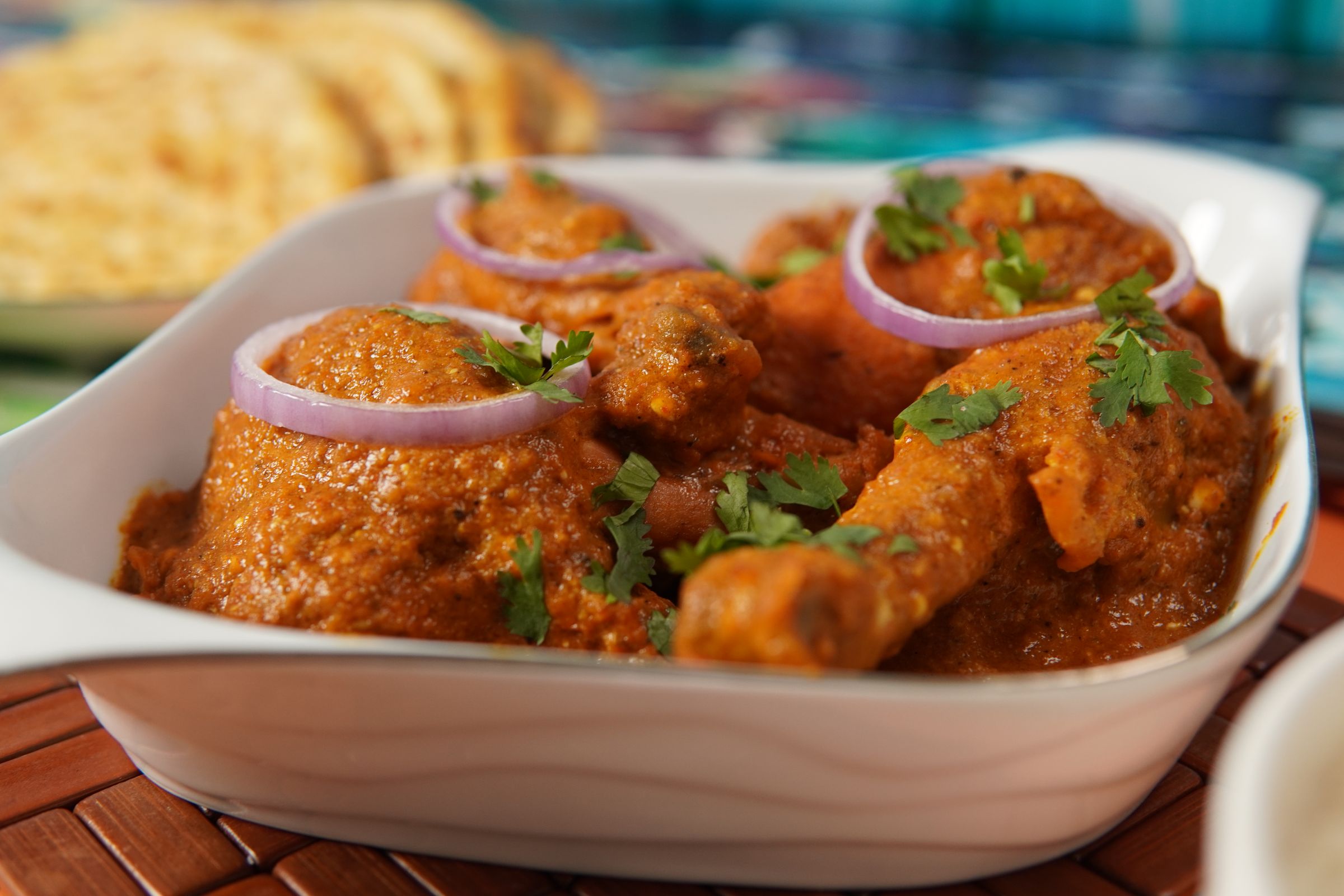
Many lifters struggle with rigid Western meal plans that do not fit local culture. Demanding multiple containers of plain chicken and broccoli rarely works in a Pakistani home. These plans cause kitchen friction and lead people to quit their gym diet plan. In contrast, using everyday Pakistani staples allows you to hit your targets while enjoying family food on a realistic diet plan.
The following meal framework shows how a 70 kg lifter can reach 125 to 135 grams of daily protein on an affordable gym diet plan. This provides roughly 1.8 to 1.9 grams per kilogram. The plan supplies about 2,400 to 2,600 total calories. Evidence suggests this intake creates the conservative surplus needed to fuel muscle building without unwanted abdominal fat gain in a clean gym diet plan.
| Meal Timing | Local Pakistani Meal Combination | Estimated Protein (g) | Nutritional Purpose |
|---|---|---|---|
| Breakfast / Nashata (8:00 AM) | 3 whole eggs (boiled or cooked with 1 teaspoon oil), 1 medium whole-wheat chakki roti, 1 cup unsweetened chai with low-fat milk | ~25–28 g | High-biological-value protein to end the overnight fast; complex carbs for daytime focus. |
| Mid-Morning Snack (11:30 AM) | 1 cup boiled safaid chana chaat with lemon, cucumber, and onion, or 1 bowl dahi (150 g) with 1 banana | ~12–14 g | Sustained energy release; gut-friendly probiotics and dietary fiber. |
| Lunch / Dopahar ka Khana (2:00 PM) | 150 g chicken breast salan (surface oil skimmed off), 1.5 medium chakki rotis, large bowl fresh kachumber salad | ~35–38 g | Dense lean protein and complex carbs to fuel afternoon physical activity. |
| Pre-Workout / Post-Workout (5:30 PM) | 2 whole boiled eggs, 1 glass low-fat milk (250 ml), 1 seasonal fruit (banana or apple) | ~20–22 g | Fast amino acid delivery and simple carbohydrates to initiate recovery. |
| Dinner / Raat ka Khana (8:30 PM) | 1 medium bowl mixed daal (chana or masoor) or lean beef keema, 1 chakki roti, 1 bowl dahi raita with mint | ~26–30 g | Steady overnight amino acid supply; complete essential amino acid profile. |
This structured routine distributes protein evenly across the day. It delivers 20 to 40 grams of protein at each meal, satisfying the leucine trigger every 3 to 4 hours to keep your gym diet plan working at maximum efficiency.
Navigating the Family Handi: How to Modify Desi Curries and Salan
You do not need to cook separate meals or cause friction in a joint family kitchen to achieve your fitness goals on a gym diet plan. Making simple culinary adjustments, such as skimming the floating oil layer from curries and selecting lean meat cuts, dramatically reduces excess calories without sacrificing protein.
The family handi issue is a major reason why local lifters give up on following a gym diet plan. Demanding separate boiled meals frustrates family members and wastes food. Fortunately, traditional Pakistani meat curries contain top-quality animal protein that supports muscle repair in a desi gym diet plan. Dishes like chicken salan, mutton qorma, and beef karahi are naturally nutritious. The main problem is the heavy layer of floating oil or ghee called tari.
Data from the IFCT 2017 database shows that cooking oils and ghee contain nearly 100 grams of fat and 900 calories per 100 grams. An unskimmed bowl of curry can easily carry 300 to 400 extra calories of pure fat, disrupting your gym diet plan. Skimming just one tablespoon (15 ml) of floating surface oil (tari) removes about 135 calories of pure fat without losing any meat protein.
WHO dietary guidelines recommend trimming visible fat from meat cuts in any health-focused diet plan. They also advise replacing saturated fats like ghee with unsaturated vegetable oils and avoiding deep-frying.
Use these four simple rules when eating from the family pot to keep your gym diet plan on track.
- Skim the surface oil: Use a large spoon to remove the floating tari from your portion before eating.
- Choose lean meat pieces: Pick meaty chicken breast or boneless beef cuts instead of wings, skin, or fatty pieces.
- Control gravy portions: Enjoy the tomato, onion, and garlic flavors, but avoid soaking your roti in deep pools of oily gravy.
- Add protein to sabzi days: Everyday vegetable dishes like aloo palak or bhindi have lower protein. Add two boiled whole eggs or a bowl of dahi to hit your 25 to 30 gram target on your gym diet plan.
To learn how to portion your plate accurately within your gym diet plan, explore our visual guide on what a balanced diet actually looks like on a Pakistani plate.
Nutrient Timing: What to Eat Before and After Your Workout
Consuming a balanced meal containing carbohydrates and high-quality protein within 1 to 2 hours before exercising and within 2 hours after your session optimizes workout stamina and accelerates muscle recovery in your gym diet plan. These peri-workout meals provide sustained energy for lifting and deliver amino acids to initiate muscle repair.
Many gym-goers panic about the 30-minute anabolic window when planning their gym diet plan. They believe that missing an immediate post-workout shake ruins their progress. ISSN position stands show that the post-exercise window is much wider. When you eat a solid mixed meal 1 to 2 hours before training, amino acids and glucose stay in your bloodstream during and after your session.
Consuming 20 to 40 grams of quality protein within 2 hours after lifting stimulates muscle protein synthesis effectively in any workout diet plan. This window gives you plenty of time to travel home and enjoy a real meal.
Smart pre-workout options for your gym diet plan (1 to 2 hours before training):
- 1 medium banana with 1 cup low-fat dahi: supplies fast carbohydrates and light dairy protein.
- 1 boiled egg with 1 slice of whole-wheat toast: gives steady energy without stomach heaviness.
- A small bowl of jau ka daliya (oats) cooked in milk: provides complex carbs for hard training sessions within your daily diet plan.
Smart post-workout options for your gym diet plan (within 2 hours after training):
- 3 whole boiled eggs with 1 whole-wheat chakki roti: provides 25 grams of complete protein and carbs to refill glycogen.
- 120 grams of chicken breast salan with basmati rice: delivers over 30 grams of lean protein and easy-to-digest starches.
- 1 glass of milk (250 ml) with 100 grams of desi paneer: supplies rich casein and whey proteins for long-lasting muscle repair in your gym diet plan.
Spacing your meals every 3 to 4 hours supports continuous muscle remodeling more effectively than cramming all your daily protein into one large meal within your gym diet plan.
Hydration and Heat: Training Safely in Pakistan’s Climate
Training in Pakistan’s intense summer heat requires proactive hydration alongside your gym diet plan to preserve muscular strength and avoid heat exhaustion. Maintaining a consistent daily fluid intake of 3 to 4 liters and replacing lost sodium during heavy sweating helps limit fluid loss to under 2 percent of body mass.
ACSM and ISSN guidelines emphasize that losing over 2 percent of body weight through sweat reduces muscular endurance, strength, and mental focus during gym workouts. Many local gyms lack central air conditioning, and power cuts during summer are common. In hot, humid gyms, sweat rates can reach 1 to 2 liters per hour during intense workouts.
Sports scientists emphasize three hydration habits to support your gym diet plan: start your workout well hydrated, sip fluids steadily during exercise, and replace fluid losses before your next session.
Sweating removes vital electrolytes like sodium and potassium. Drinking large amounts of plain water without replacing sodium can cause muscle cramps, headaches, and low blood sodium.
Follow these simple hydration tips to protect your health while following a gym diet plan in local conditions.
- Drink 3 to 4 liters of water daily, sipping regularly across the day to support your gym diet plan.
- Make an easy home electrolyte drink: mix 500 ml of water with the juice of half a lemon and a pinch of pink salt (namak). This drink replaces lost minerals without added sugar.
- Avoid commercial energy drinks and sweet rose syrups like rooh afza before workouts. Their high sugar content can cause energy crashes and worsen dehydration.
- Weigh yourself before and after tough summer workouts. Drink about 500 ml of fluid for every 0.5 kg of sweat lost.
If you take prescription medication or manage a pre-existing medical condition such as chronic kidney disease or diabetes, do not change or stop your medicine without consulting your doctor first. For healthy individuals, combining regular hydration with a nutritious desi gym diet plan builds lasting strength and athletic performance.
Frequently asked questions
How much protein do I actually need for a gym diet plan in Pakistan?
To maximize muscle growth and recovery on a gym diet plan, resistance-trained individuals need approximately 1.4 to 2.0 grams of protein per kilogram of body weight daily. For a 70 kg lifter, this equals roughly 100 to 140 grams of protein per day. Eating more than 1.6 to 2.0 grams per kilogram shows no additional muscle-building benefit for most lifters following a structured diet plan. Dividing this total into 3 to 5 meals containing 20 to 40 grams of protein each stimulates muscle protein synthesis most effectively.
Can you build muscle eating only Pakistani desi food without whey protein?
Yes. Commercial whey protein powders are convenient, but they are not required to build a muscular physique on a desi gym diet plan. Natural Pakistani foods like whole eggs, broiler chicken, lean beef, paneer, dahi, and legumes provide complete amino acid profiles and high leucine content. Whole foods also supply essential micronutrients, healthy fats, and minerals that isolated protein powders lack. You can achieve excellent muscle growth following a whole-food gym diet plan based on home-cooked Pakistani meals.
What should I eat before and after a gym workout using local Pakistani foods?
Before your workout (1 to 2 hours prior), your gym diet plan should provide easily digestible carbohydrates paired with moderate protein. Good choices include 1 banana with a small cup of dahi, or 1 boiled egg with whole-wheat toast. After your workout (within 2 hours), eat a complete meal containing 20 to 35 grams of protein and complex carbohydrates to support your gym diet plan. Excellent options include 3 whole boiled eggs with a whole-wheat chakki roti, or chicken breast salan with basmati rice.
How can I maintain an effective gym diet plan Pakistan routine while eating family meals?
You do not need separate meals to stick to an effective gym diet plan Pakistan routine. When your family prepares chicken, beef, or mutton salan, use a spoon to skim the floating layer of oil (tari) off your bowl. This removes roughly 135 calories of pure fat per tablespoon, keeping your gym diet plan clean. Choose lean meat pieces like chicken breast or boneless chunks. If the family cooks a low-protein vegetable dish, add two boiled eggs or a bowl of homemade dahi to your plate to maintain your gym diet plan targets.
What is a clean bulking calorie surplus for gaining muscle without excess belly fat?
A clean bulking surplus for your gym diet plan involves eating approximately 250 to 500 calories above your daily maintenance level. This conservative surplus provides the energy required to synthesize new muscle tissue while minimizing unwanted fat accumulation around your abdomen on a bulking diet plan. Aggressive dirty bulking with fried snacks, parathas, and sweet drinks leads primarily to fat gain rather than faster muscle growth.
Are daal and chana enough protein for bodybuilding on a vegetarian desi diet?
Daal and chana are nutritious plant protein sources for a vegetarian gym diet plan, providing about 7 to 9 grams of protein per 100 grams cooked. However, legumes have lower concentrations of certain essential amino acids and leucine compared to animal foods. Vegetarian lifters should combine lentils and chickpeas with whole-wheat roti or rice to create a complete amino acid profile in their diet plan. You should also include high-protein dairy options like paneer and dahi to hit your 20 to 40 gram per-meal target on a vegetarian gym diet plan.
Should I avoid eating egg yolks when trying to build muscle in Pakistan?
No. Discarding egg yolks is an outdated gym practice that has no place in an evidence-based gym diet plan. Clinical trials demonstrate that eating whole eggs stimulates post-workout muscle protein synthesis significantly more than eating egg whites alone with matched protein content. The yolk contains healthy fats, fat-soluble vitamins, and minerals that enhance muscle repair. Healthy individuals can safely enjoy 2 to 3 whole eggs daily as part of a balanced gym diet plan.
About the author

Jamshaid Ibrahim, HNDNutritionist and food processing specialist
Nutritionist and food processing specialist. Built production for traditional health products at Glaxay Foods, with the food safety and packaging compliance behind it.
View full profile and articles