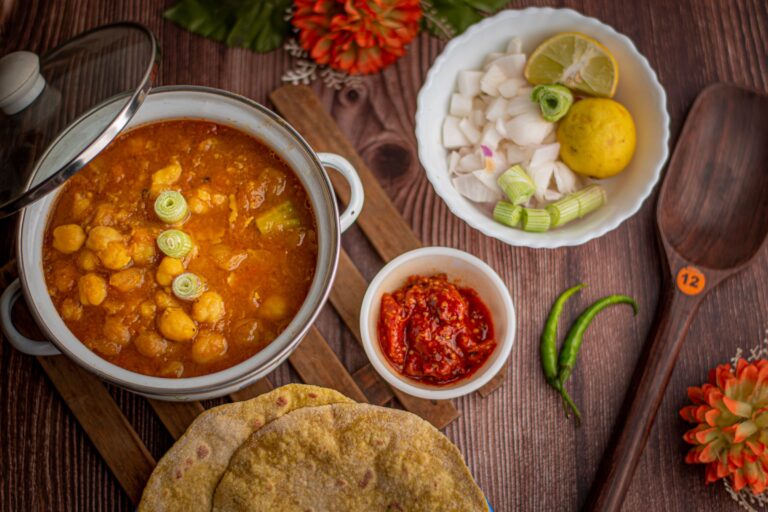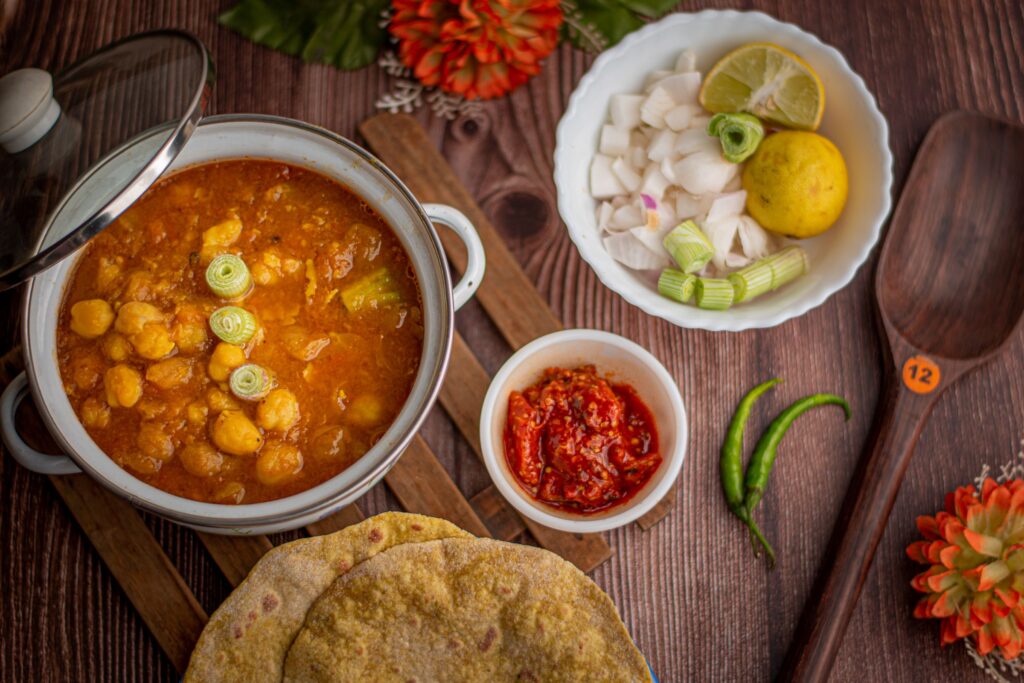
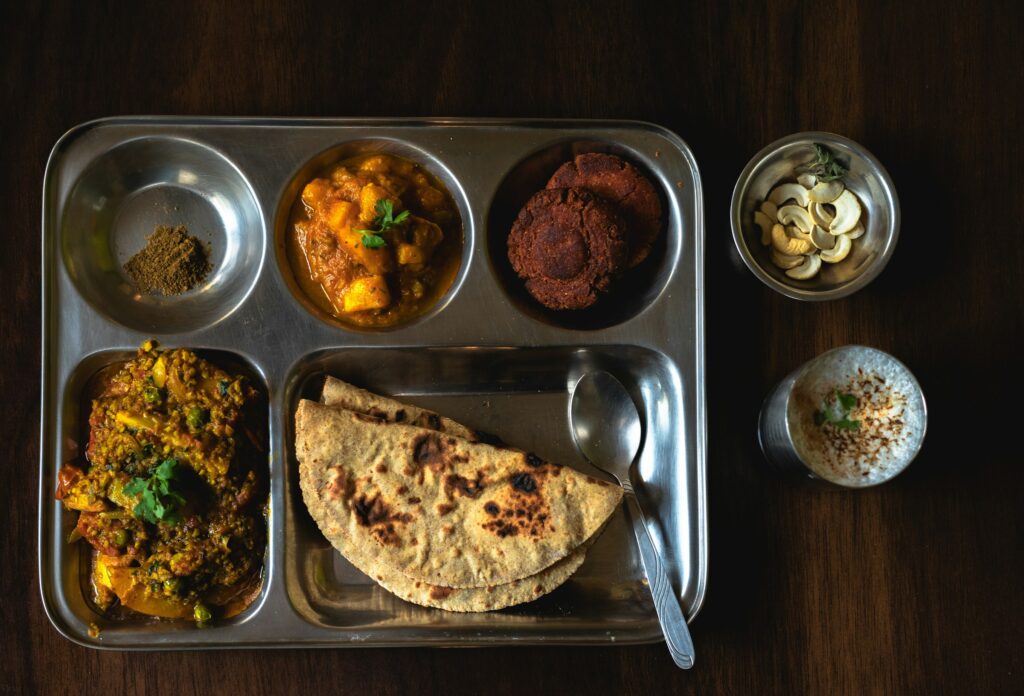
A healthy meal plan Pakistan focuses on balancing everyday cultural staples. You dedicate half your plate to seasonal vegetables, choose stone-ground whole grains, and moderate cooking oil. You can eat roti, daal, and traditional curries every day while supporting your energy, digestion, and metabolic health without crash dieting or purchasing expensive imported foods.
For most Pakistani households, food is the centrepiece of family life, hospitality, and daily comfort. Yet modern dietary patterns have drifted toward heavily refined carbohydrates like safaid maida rotis and polished white basmati rice. These are frequently paired with swimming layers of cooking oil (tari) and sugary chai. Aligning your daily meals with the Pakistan Dietary Guidelines and World Health Organization standards restores balanced nutrition without separating you from the family dining table.
Key takeaways
- Healthy eating in Pakistan does not require giving up roti, daal, or traditional curries. It is achieved by balancing plate proportions, controlling cooking oils, and choosing unrefined staples.
- A balanced Pakistani plate allocates half the dish to seasonal vegetables and salads. The remaining half is split equally between quality protein and unrefined grains like stone-ground chakki roti.
- Limiting added cooking oil to 1.5 to 2 level tablespoons daily and skimming floating surface oil (tari) eliminates surplus calories without sacrificing traditional flavour.
- The 7-day meal plan uses affordable market staples and smart batch cooking. Boiling pulses in advance and using dinner leftovers for lunch makes healthy eating realistic.
- Eating from a shared family pot does not require separate cooking. Simply prioritize solid meat and vegetable pieces over oily gravy, and complement your plate with kachumber salad and plain dahi.
- Eliminating added refined sugar from daily milk chai and replacing packaged snacks with roasted chana, seasonal whole fruit, or namkeen lassi effortlessly protects metabolic health.
Why Most Pakistani Meal Plans Fail and What Healthy Eating Actually Means
Most Pakistani meal plans fail because they copy Western diets with unaffordable ingredients or impose extreme starvation diets. Sustainable healthy eating means reshaping traditional Pakistani meals around unrefined whole grains, plant pulses, fresh vegetables, and controlled cooking fats. This approach nourishes your body without abandoning your cultural heritage.
When people in Pakistan decide to improve their health, they usually encounter two unhelpful extremes. The first extreme comes from foreign fitness websites that prescribe kale, blueberries, quinoa, and salmon. These items are rarely available in local sabzi mandis and cost an entire week’s grocery budget.
The second extreme is the restrictive hospital diet sheet. These crash diets prescribe 1000 to 1200 calories per day, forbid roti completely, and mandate boiled unseasoned meat. Understandably, most people abandon these harsh routines within four or five days due to constant hunger and physical exhaustion. You can explore why crash diets fail and what evidence-based weight loss actually looks like to understand the metabolic rebound that follows starvation protocols.
Real nutritional health is built on consistency and food quality, not deprivation. According to the World Health Organization, a balanced diet provides 45% to 60% of daily energy from complex carbohydrates. It also supplies 15% to 20% from protein and 20% to 30% from healthy fats. Meeting your daily nutrient needs also requires consuming at least 25 to 30 grams of naturally occurring dietary fibre from whole plant foods. You can review our detailed breakdown of macronutrient daily requirements to calculate your individual energy needs.
A landmark systematic review and meta-analysis published in The Lancet examined 185 prospective cohort studies and 58 clinical trials. Adults consuming 25 to 29 grams of fibre daily had a 15% to 30% drop in all-cause mortality and heart disease. The meta-analysis also documented lower rates of stroke and type 2 diabetes. Traditional Pakistani staples like stone-ground whole wheat, chickpeas, lentils, and seasonal vegetables provide all the dietary fibre and micronutrients necessary to achieve these protective health targets..
The Healthy Pakistani Plate: Balancing Roti, Rice, Salan, and Sabzi
The balanced Pakistani plate divides your thali into three clear sections. Dedicate half the plate to seasonal vegetables and fresh salads. Split the remaining half equally between protein foods like lentils or chicken and unrefined whole grains like stone-ground chakki roti.
Traditional Pakistani dining habits often tilt heavily toward refined starches. A typical household meal often features several white flour naans or a large mound of polished basmati rice. This is usually paired with oily meat curry and barely a spoonful of vegetables. This distribution floods your bloodstream with rapidly digestible starch while shortchanging your body on essential vitamins, minerals, and digestive fibre. For a deeper look at visual portioning, read our guide on what a balanced diet actually looks like on a Pakistani plate.
You do not need to eliminate carbohydrates to achieve metabolic wellness. Instead, focus on the structural quality of your grains. Switching from factory-milled white flour (maida or fine atta) to stone-ground 100% whole-wheat chakki atta preserves the nutrient-rich bran and wheat germ. Chakki atta delivers nearly four times more dietary fibre than refined white flour, slowing down digestive breakdown and providing sustained morning energy.
Clinical trials highlight the distinct metabolic advantages of consuming whole grains over polished cereals. A 2024 systematic review and meta-analysis of 37 randomized controlled trials and 10 prospective cohorts evaluated the effects of whole grains on glycaemic parameters. The findings indicated that consuming 50 grams of whole grains daily was associated with a 24% reduction in the risk of type 2 diabetes. In controlled trials, whole grains significantly lowered fasting blood glucose and improved insulin resistance markers. Choosing stone-ground chakki atta, whole barley (jau), and parboiled or unpolished brown rice provides steady glucose control without abandoning your staple foods.. You can find comprehensive food comparisons in our guide to high-fibre Pakistani foods.
| Plate Section | Target Proportion | Recommended Desi Foods | Health and Metabolic Contribution |
|---|---|---|---|
| Half Plate (50%) | Protective Vegetables & Salads | Palak, bhindi, tori, tinda, karela, gobi, kachumber (cucumber, tomato, onion, radish) | Supplies potassium, folate, vitamin C, and insoluble fibre to promote satiety and blunt glucose spikes |
| Quarter Plate (25%) | Quality Protein | Daal (moong, masoor, mash, chana), lobia, boiled eggs, skinless chicken, river fish, plain dahi | Delivers essential amino acids for muscle maintenance, tissue repair, and prolonged fullness |
| Quarter Plate (25%) | Unrefined Whole Grains | 1 medium stone-ground chakki roti, barley (jau) chapati, or 1 small cup of brown or parboiled rice | Provides complex carbohydrates, B-complex vitamins, and soluble fibre for sustained physical energy |
Local Whole Food Foundations: What to Stock in a Healthy Pakistani Kitchen
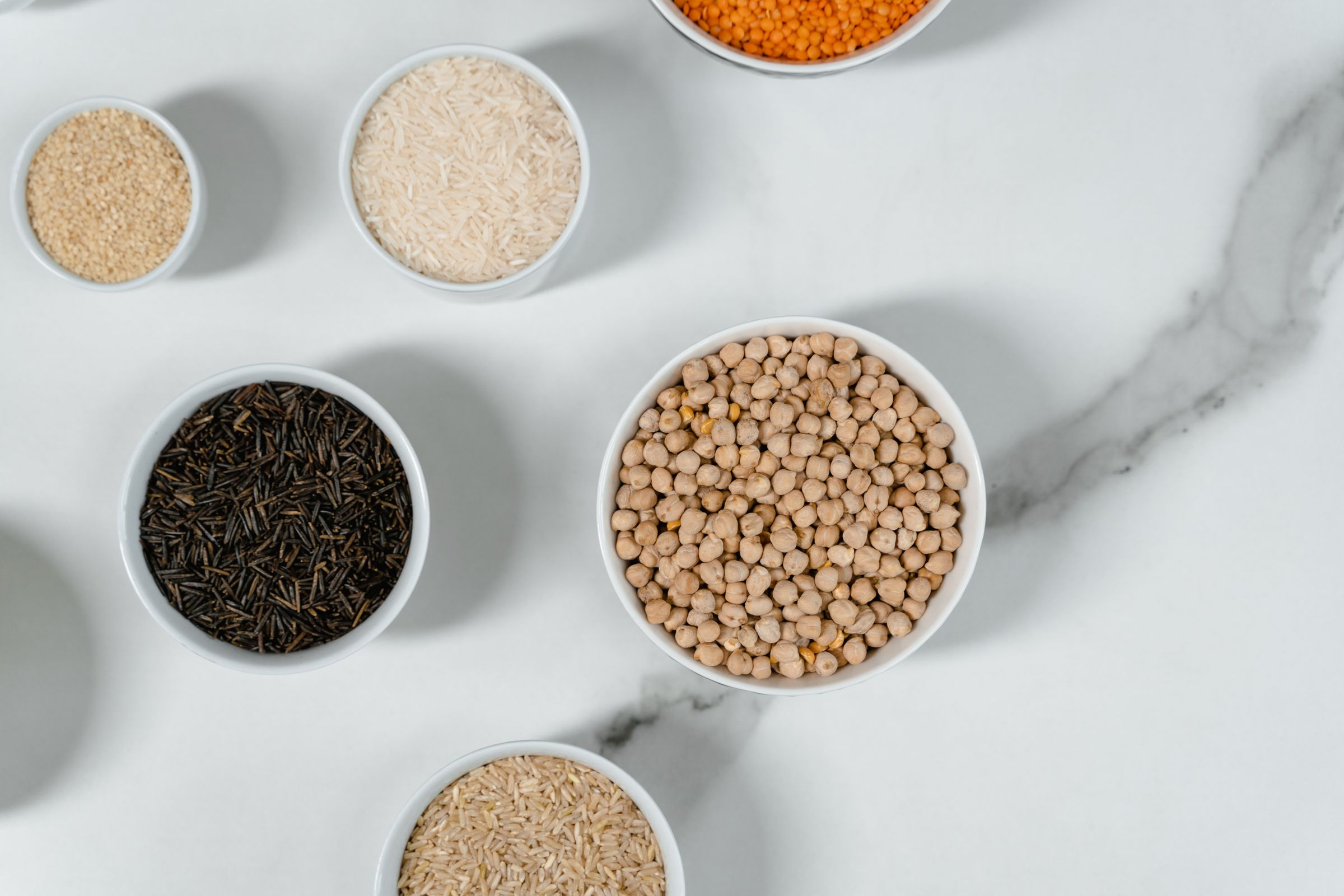
Stocking a healthy Pakistani kitchen relies on economical whole foods from your local sabzi mandi. Essential staples include stone-ground chakki atta, diverse pulses (moong, masoor, chana, lobia), seasonal vegetables, plain dahi, eggs, and non-hydrogenated cooking oils. These traditional foods supply complete daily nutrition without commercial supplements.
You do not need to buy imported specialty goods to build a nutrient-dense kitchen pantry. Traditional Pakistani agriculture produces an impressive variety of wholesome, affordable ingredients that meet every standard of modern nutritional science. The foundation begins with legumes and whole pulses. Pakistanis have consumed daal for centuries, yet modern urban households often view lentils merely as a side dish rather than a primary protein powerhouse.
Nutritional evidence indicates that plant-based proteins satisfy human physiological needs efficiently. A comprehensive review on dietary protein quality and amino acid composition confirmed that traditional legumes, nuts, and seeds easily achieve protein adequacy in adult diets. While individual plant proteins may have lower amounts of specific amino acids, combining cereal grains with legumes creates complete amino acid complementation. Cereal grains like whole wheat are rich in sulfur amino acids like methionine but low in lysine. Legumes like lentils and chickpeas are rich in lysine but modest in methionine. When you eat whole-wheat chakki roti alongside daal or chana salan, the two plant foods complement each other to deliver a complete essential amino acid profile.
Combining these plant staples with moderate servings of affordable animal proteins (eggs, homemade dahi, chicken, and local fish) satisfies adult daily protein requirements of 0.8 to 1.2 grams per kilogram of body weight.. For expanded guidance on economical protein shopping, explore our detailed guide on the best local protein foods in Pakistan beyond meat.
Fresh market produce forms the second essential foundation. Global guidelines from the World Health Organization recommend consuming at least 400 grams of fruits and vegetables every day, which translates to roughly 3 to 4 standard servings. An extensive dose-response meta-analysis of 95 prospective cohort studies published in the International Journal of Epidemiology evaluated fruit and vegetable intake across adult populations. The study demonstrated that consuming 400 to 800 grams of fruits and vegetables daily was associated with significant reductions in coronary heart disease, stroke, cardiovascular mortality, and all-cause mortality. Leafy green vegetables like palak, sarson, and methi, alongside cruciferous vegetables like gobi and local fruits like amrood and kinnow, demonstrated especially strong protective associations.
| Food Category | Local Pakistani Staples | Nutritional Contribution | Kitchen Buying and Storage Advice |
|---|---|---|---|
| Whole Grains | 100% stone-ground chakki atta, whole barley (jau), parboiled basmati rice | Complex starch, magnesium, iron, insoluble and soluble dietary fibre | Purchase directly from a local chakki mill; store in a dry, airtight tin to prevent weevils |
| Plant Legumes | Desi chana, lobia, daal moong, masoor, and mash sabut | Plant protein, prebiotic starch, folate, potassium, iron | Buy whole unhulled pulses for maximum fibre; store in cool glass jars away from direct sunlight |
| Lean Proteins | Fresh farm eggs, homemade plain dahi, skinless bone-in chicken, seasonal river fish | High biological value protein, calcium, vitamin B12, phosphorus | Set dahi at home using low-fat milk; freeze portioned chicken pieces in airtight freezer bags |
| Seasonal Sabzi | Palak, methi, bhindi, tori, karela, gobi, tinda, baingan | Folate, vitamin C, provitamin A carotenoids, potassium | Shop twice weekly at the morning sabzi mandi for peak freshness; wash and dry greens before chilling |
| Fresh Orchard Fruit | Amrood (guava), kinnow, apples, seasonal watermelon, papaya | Vitamin C, soluble pectin fibre, diverse plant polyphenols | Choose firm, local seasonal fruits rather than expensive out-of-season cold-storage imports |
| Healthy Fats | Mustard oil (sarson ka tel), sunflower oil, canola oil, unrefined olive oil | Monounsaturated and polyunsaturated fatty acids, vitamin E | Store culinary oils in dark bottles away from stove heat to protect delicate fatty acids from oxidation |
The Cooking Oil Reality: How to Fix Desi Salan Without Sacrificing Flavour
Fixing traditional desi salan requires limiting added cooking oil to 1.5 to 2 level tablespoons per person daily and replacing banaspati ghee with liquid plant oils. Sautéing onions and spices in measured oil and skimming floating surface oil cuts excess calories while preserving authentic aroma and taste.
The single greatest source of surplus calories and cardiovascular strain in Pakistani home cooking is excessive culinary fat. In many traditional kitchens, a salan is considered properly cooked only when a thick, glistening red layer of oil (tari) floats across the surface of the handi. Cooking oil is remarkably calorie-dense: one level tablespoon supplies approximately 14 grams of pure fat and roughly 126 calories. When a cook pours half a cup to a full cup of cooking oil into an everyday family curry, each serving absorbs 300 to 500 surplus calories from fat alone.
Even more harmful is the widespread reliance on hydrogenated banaspati ghee. A public health review found Pakistan faces one of the highest dietary trans-fat intakes globally. This risk is driven primarily by partially hydrogenated banaspati ghee and commercial bakery fats. The World Health Organization recommends that industrially produced trans fats be eliminated from human diets, and that saturated fat intake be limited to less than 10% of total daily calories.
A Cochrane systematic review of 15 randomized controlled trials comprising 56,675 participants confirmed that reducing dietary saturated fat reduces combined cardiovascular events by 17%. The Cochrane analysis noted that the greatest health gains occur when saturated fats are replaced with polyunsaturated plant oils. Replacing solid banaspati ghee with heart-healthy liquid oils like cold-pressed mustard oil (sarson ka tel), sunflower oil, or canola oil protects your arteries while keeping family curries rich and aromatic..
To reduce the energy density of your meals, measure your cooking oil with a spoon rather than pouring freely from the bottle. A healthy target is 1.5 to 2 level tablespoons of cooking oil per adult for the entire day. You can build intense desi flavour by thoroughly caramelizing onions with ginger, garlic, tomatoes, cumin, turmeric, and coriander powder using minimal oil. If the spices begin to stick to the pan, add one or two tablespoons of water rather than pouring in more oil.
Manipulating meal energy density produces substantial caloric savings without leaving you hungry. A systematic review and meta-analysis of 38 randomized controlled trials published in the European Journal of Nutrition examined the effects of dietary energy density on human caloric intake. The analysis demonstrated that reducing meal energy density lowered daily energy intake by an average of 223 calories while maintaining overall food volume and subjective fullness. By simply skimming the floating surface oil from your salan and increasing the proportion of tomatoes and vegetables, you reduce the curry’s caloric density by 20% to 35% without altering its authentic spice profile.
The 7-Day Healthy Pakistani Meal Plan: Complete Breakfast, Lunch, and Dinner Menu
This realistic 7-day meal plan uses everyday Pakistani family meals, planned leftovers, and balanced plate proportions. It provides steady energy through complex carbohydrates, plant and lean animal proteins, and generous seasonal vegetables. This makes healthy eating practical and delicious for the entire household without separate cooking routines.
Most online diet plans are impractical because they expect you to cook three separate bespoke recipes every single day. In an everyday Pakistani home, dinner leftovers naturally become the next day’s lunch. This 7-day template honors that practical rhythm. It balances meat dishes with nutritious vegetarian pulse meals, keeps preparation straightforward, and uses ingredients available in every neighbourhood bazaar.
If you have pre-existing metabolic conditions like diabetes and take insulin or sulfonylurea tablets, coordinate your meal timings and carbohydrate portions with your physician to prevent hypoglycaemia. You can explore structured diabetic carbohydrate distribution in our focused resource on a day’s meal plan for type 2 diabetes using Pakistani foods.
| Day | Breakfast (Nashta) | Lunch (Dopahar ka Khana) | Dinner (Raat ka Khana) | Evening Snack & Chai |
|---|---|---|---|---|
| Monday | 1 medium chakki roti, 1 boiled or scrambled egg cooked in 1 tsp oil, 1 cup unsweetened milk chai | Leftover chicken salan (solid pieces), 1 chakki roti, large kachumber salad (cucumber, tomato, onion) | Daal masoor with zeera tadka (1 tsp oil), half cup parboiled rice, steamed bhindi sabzi, plain dahi | 1 small cup roasted chickpeas (bhuna chana), green tea with lemon |
| Tuesday | 1 small bowl warm barley porridge (talbina) cooked with low-fat milk and 4 crushed almonds | Leftover daal masoor, 1 medium chakki roti, fresh cucumber slices and mint raita | Palak chicken cooked with tomatoes and spices, 1 medium chakki roti, fresh tomato-onion salad | 1 medium fresh guava (amrood) with black salt, unsweetened cardamom chai |
| Wednesday | 2 whole-wheat vegetable besan cheela (pancakes) or 1 egg omelette with 1 whole-wheat toast | Leftover palak chicken, 1 medium chakki roti, large bowl of shredded cabbage and carrot salad | Desi chana salan (brown chickpeas in light curry), 1 medium chakki roti, sliced beetroot and dahi | 1 cup namkeen lassi (diluted dahi with roasted cumin and water) |
| Thursday | 1 medium chakki roti with 2 tbsp homemade dahi and 1 soft boiled egg, 1 cup unsweetened chai | Leftover desi chana salan, half cup parboiled basmati rice, chopped cucumber kachumber | Mixed seasonal sabzi (gobi, peas, carrots) with minimal oil, 1 medium chakki roti, grilled chicken boti | 1 small apple sliced with a handful of roasted peanuts |
| Friday | 1 cup plain homemade dahi with half sliced banana and 1 tbsp roasted flaxseeds, 1 boiled egg | Leftover mixed sabzi, 1 medium chakki roti, 1 cup fresh green salad with lemon juice | Pan-seared seasonal river fish marinated in turmeric and ajwain, 1 chakki roti, tori sabzi, mint raita | 1 cup spiced unsweetened ginger chai, roasted makhana (foxnuts) |
| Saturday | 1 small whole-wheat stuffed methi or mooli roti prepared without surface butter, 1 poached egg | Leftover fish and tori sabzi, 1 medium chakki roti, large bowl of fresh garden salad | Daal moong and palak salan, 1 medium chakki roti, skinless chicken shami kabab pan-fried in 1 tsp oil | 1 fresh seasonal kinnow or orange, 1 cup green tea |
| Sunday | Sunday Family Nashta: 1 small crisp whole-wheat paratha cooked with 1 tsp oil, 2 egg vegetable omelette | Sunday Family Pulao: 1 small bowl chicken yakhni pulao with lean chicken breast, large kachumber, mint dahi | Light chicken shorba with bottle gourd (lauki), 1 medium chakki roti, fresh tomato-cucumber salad | 1 small cup roasted bhuna chana, 1 cup unsweetened milk chai |
Surviving the Family Pot: How to Eat Healthy From the Shared Handi
You can eat healthy from the shared family handi without cooking separate dishes. Select solid pieces of meat and vegetables with minimal gravy. Gently skim floating surface oil, keep your roti dry, and add fresh kachumber salad and plain dahi to your plate.
In Pakistani joint families and busy households, cooking a separate “diet meal” for one person is practically impossible and causes domestic stress. Family elders and in-laws often resist dietary changes, viewing plain or boiled food as hospital fare. Fortunately, you do not need to cook separate meals to protect your health. You can enjoy the communal meal by applying simple culinary strategies at the dining table.
The secret lies in understanding how calories distribute within a traditional handi. When mutton, chicken, or vegetables cook in a curry, the protein and micronutrients remain inside the solid pieces, while the added cooking oil floats freely in the liquid gravy (tari). Food composition physics confirms that culinary fats separate to the surface during simmering. By using a slotted serving spoon to select solid pieces of meat and vegetables while letting excess oily liquid drain back into the pot, you immediately eliminate hundreds of empty calories.
Adopt these practical dining habits when eating from the shared family handi.
- Skim the Surface Oil: Before serving the family meal, take a wide metal spoon and gently skim the floating red layer of oil off the top of the handi. Removing just two tablespoons of surface tari eliminates over 250 surplus calories from the pot without altering the taste of the spices, onions, or meat.
- Moderate the Salan Gravy: Treat the oily curry gravy as a seasoning rather than a soup. Take two or three tablespoons of gravy to moisten your food, rather than drowning your entire plate in oily liquid.
- Keep Your Roti Dry: Traditional households often brush glistening spoonfuls of desi ghee or butter onto fresh chapatis before placing them in the hotpot. Politely request your roti plain and dry (phulka). A dry whole-wheat roti supplies approximately 120 wholesome calories, whereas a ghee-smeared flatbread easily reaches 200 to 250 calories.
- Build a Salad Wall: Before spooning any curry onto your plate, cover half your dish with crunchy kachumber salad made from diced cucumbers, tomatoes, radishes, and onions seasoned with fresh lemon juice. This vegetable foundation guarantees adequate dietary fibre and physically limits the plate space available for oily gravy..
- Incorporate Plain Homemade Dahi: Keep a bowl of fresh, unsweetened dahi on the dining table. Mixing a spoonful of dahi into spicy curries mellows the heat, adds beneficial dairy probiotics, and delivers extra protein without adding refined fat.
Practical Meal Prep and Batch Cooking for Busy Pakistani Households
Practical meal prep in Pakistan adapts to warm weather and load shedding through smart batch cooking. Boiling legumes in advance, freezing them in portioned bags, and preparing ginger-garlic paste cuts weekday cooking time to under 30 minutes while reducing reliance on commercial takeaways.
International meal preparation guides assume large double-door refrigerators, automatic dishwashers, and continuous electrical power. In Pakistan, home cooks face intense summer kitchen heat, limited freezer capacity, and rolling electricity load shedding. Attempting to cook seven days of complete meals on Sunday frequently leads to sour, spoiled food when the power goes out.
Evidence indicates that organizing your weekly meals provides meaningful lifestyle and metabolic benefits. A large observational cohort study of 40,554 adult participants published in the International Journal of Behavioral Nutrition and Physical Activity evaluated habitual meal planning behaviours. The researchers observed that individuals who regularly planned their meals demonstrated significantly higher dietary variety and greater adherence to nutritional guidelines. Meal planning was also associated with lower odds of obesity in both women and men. However, because this was an observational study, these findings show an encouraging positive association rather than direct clinical causation.
To make meal planning work within Pakistani kitchen realities, focus on preparing versatile cooking components rather than fully assembled dishes:
- Batch-Boil Hardy Pulses: On Sunday, soak and pressure-cook one kilogram of brown chickpeas (desi chana) or black-eyed peas (lobia) with salt and cumin. Drain the cooked pulses, divide them into four small freezer bags, and store them in your freezer. On busy weeknights, you can thaw one bag and assemble a wholesome chana chaat or quick tomato-chana salan in under 15 minutes.
- Prepare Aromatic Paste Bases: Blend fresh garlic and ginger in bulk once every two weeks. Stir in half a teaspoon of salt and one teaspoon of mustard oil before placing the paste into a clean glass jar. The salt and oil act as natural preservatives, keeping the paste fresh and green even during brief electricity outages.
- Wash and Dry Leafy Greens Carefully: Moisture is the primary cause of vegetable rot during power cuts. When you bring palak, methi, or fresh coriander home from the mandi, wash the leaves thoroughly in cold water to remove soil. Spread them across a clean cotton cloth until completely dry before storing them in airtight plastic containers lined with paper towels. Properly dried greens stay crisp for five to seven days in the refrigerator.
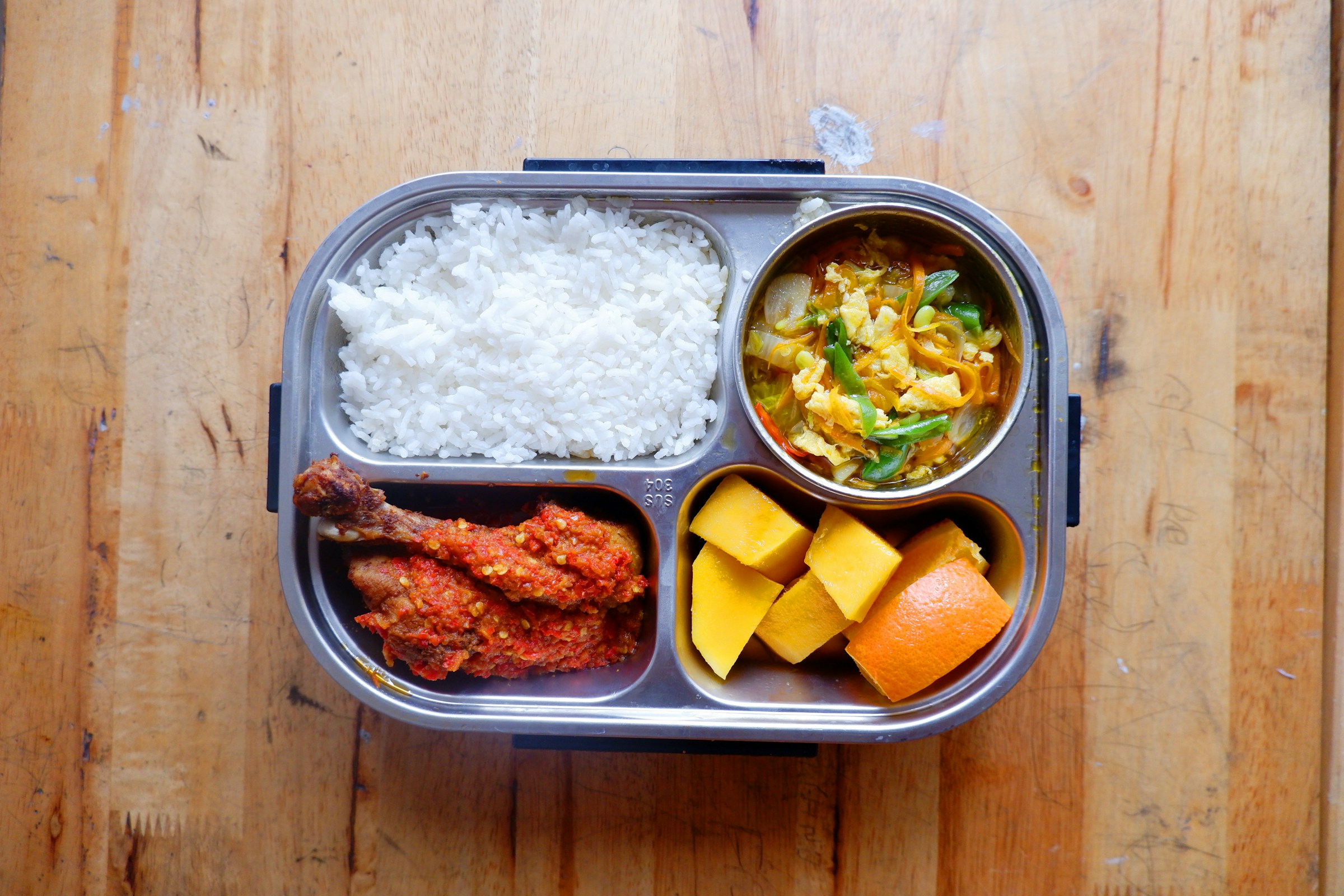
- Utilize Strategic Dinner Leftovers: Never cook a single-serving meal for lunch. When preparing evening curries like daal, chicken salan, or mixed sabzi, make enough for two additional servings. Pack the leftover portion into a lunchbox for work the next morning to avoid high-calorie canteen food, samosas, and commercial biryani takeaways.
Smart Snacking, Chai Habits, and Daily Hydration
Smart snacking in Pakistan means replacing biscuits, samosas, and bakery rusks with nutrient-dense local whole foods like roasted chana, seasonal fruit, and plain dahi. Enjoying unsweetened milk chai and drinking clean water or namkeen lassi limits liquid sugar spikes and supports steady metabolic health.
In urban Pakistani life, between-meal snacking is a major source of hidden sugars and unhealthy fats. The late afternoon “shaam ki chai” often features bakery biscuits, cake rusks, oily pakoras, and samosas. These ultra-processed bakery items combine refined maida, industrial trans fats, and excess sugar, causing sharp blood glucose spikes followed by sluggish evening fatigue.
Even more significant is the national habit of drinking heavily sweetened tea. The average Pakistani adult drinks three to four cups of strong milk tea (doodh patti) every day, adding two or three teaspoons of refined white sugar to each mug. Consuming four cups of tea with two teaspoons of sugar adds 32 grams of free sugar and roughly 130 liquid calories daily before accounting for food.
The World Health Organization recommends limiting free sugars to less than 10% of total daily calories. Reducing intake below 5% (roughly 25 grams daily) provides extra protection against weight gain. A comprehensive scientific review published in Nature Reviews Endocrinology examined the role of sugary drinks and liquid calories in cardiometabolic disease. The authors highlighted robust epidemiological and clinical trial evidence proving that habitual consumption of sugar-sweetened beverages leads to weight gain, visceral fat accumulation, type 2 diabetes, and cardiovascular complications. Liquid sugars are absorbed rapidly by the gut without triggering natural brain satiety signals, making it easy to consume hundreds of surplus calories without feeling full.
Retrain your palate to enjoy the natural, comforting flavour of brewed tea leaves and milk without added white sugar.
- Step Down Added Sugar Gradually: If you currently add two teaspoons of sugar per cup, reduce to one teaspoon for one week, then half a teaspoon the following week, before eliminating added sugar entirely. Within two weeks, your taste receptors adapt, and heavily sweetened tea will taste unpleasantly cloying.
- Enhance Chai with Natural Desi Aromatics: Add crushed green cardamom (choti elaichi), a small cinnamon stick (darchini), crushed cloves (laung), or fresh grated ginger (adrak) while brewing your tea. These spices impart natural warmth and fragrant sweetness without any refined carbohydrates.
- Choose Whole-Food Desi Snacks: When hunger strikes between meals, pick wholesome desi foods. Great options include roasted brown chickpeas (bhuna chana), a whole fresh guava with chaat masala, or a boiled egg.
- Hydrate with Plain Water and Namkeen Lassi: During warm months, quench your thirst with cool filtered water. Traditional namkeen lassi made from diluted dahi, water, roasted cumin, and black salt is another great choice. Avoid commercial bottled sodas, sweetened squashes, and processed fruit juices that load your liver with liquid fructose.
Budget-Friendly Grocery Strategies for Healthy Pakistani Eating
Eating healthy in Pakistan is often cheaper than consuming processed foods when you prioritize local agricultural produce. Purchasing seasonal sabzi from wholesale mandis, buying dry legumes in bulk, choosing whole chicken over boneless cuts, and avoiding imported specialty items drastically lowers your weekly grocery expenses.
A common myth in Pakistan is that eating well is an expensive luxury reserved for affluent families. This misconception arises when people equate healthy eating with imported specialty goods like chia seeds, almond flour, olive oil dressings, and packaged cereals. When you anchor your grocery list around local agricultural staples, an unrefined whole-food diet is significantly more economical than buying fast food, bakery items, and processed snacks.
| High-Cost or Low-Nutrient Grocery Item | Economical High-Nutrient Local Alternative | Estimated Weekly Household Saving | Nutritional and Health Advantage |
|---|---|---|---|
| Packaged breakfast cereals, bakery rusks, and white sandwich bread | Stone-ground whole-wheat chakki atta and whole barley (jau) | Rs. 800–1,200 | Supplies 3 to 4 times more dietary fibre, zero added sugars, and sustained morning satiety |
| Commercial boneless chicken breasts and expensive mutton cuts | Whole chicken cut into small pieces, fresh farm eggs, and liver (kaleji) | Rs. 1,500–2,500 | Whole chicken and bone-in cuts provide nourishing minerals; eggs supply high-quality protein at a fraction of red meat prices |
| Commercial cooking fats and hydrogenated banaspati ghee tins | Measured cold-pressed mustard oil (sarson ka tel) and sunflower oil | Rs. 500–900 | Eliminates industrial trans fats, cuts overall fat volume by 50%, and lowers cardiovascular risk |
| Imported fruits (cold-storage apples, kiwis, and grapes) | Local seasonal fruits (amrood, kinnow, melon, and local bananas) | Rs. 1,000–1,800 | Delivers superior vitamin C and dietary fibre with peak seasonal freshness and no preservative coatings |
| Packaged afternoon snacks (potato crisps, bakery biscuits, and samosas) | Roasted chickpeas (bhuna chana), roasted peanuts, and homemade dahi | Rs. 600–1,000 | Replaces harmful trans fats and refined sugar with plant protein, calcium, and complex fibre |
Applying practical shopping strategies keeps your household food budget under control:
- Shop at the Local Mandi Early: Supermarkets and neighbourhood retail pushcarts markup fresh produce by 30% to 50%. Visiting your nearest wholesale sabzi mandi once a week early in the morning provides superior freshness at rock-bottom prices.
- Buy Pulses in Bulk: Whole pulses like chana, lobia, and daal have a shelf life of several months when stored in dry airtight containers. Purchasing five-kilogram bags from wholesale grain markets costs substantially less per kilogram than buying small half-kilogram plastic pouches at retail stores.
- Embrace Whole Chicken: Boneless chicken fillets carry a steep commercial premium. Buying a whole chicken and having the local butcher cut it into 16 to 18 pieces gives you lean breast meat for quick meals and bone-in pieces that create rich, flavourful curries and broths.
If you have advanced chronic kidney disease or heart failure requiring potassium, sodium, or fluid restrictions, speak with your clinical dietitian or nephrologist before increasing your intake of high-potassium pulses and green leafy vegetables. If you take prescription medication for blood pressure or diabetes, do not change or stop your medication without speaking to your doctor first.
Building a healthy lifestyle in Pakistan does not require complex meal charts or expensive ingredients. By reshaping your daily plate, moderating cooking oils, prioritizing seasonal sabzi and whole grains, and enjoying everyday family meals mindfully, you create sustainable metabolic wellness for your entire household.
Frequently asked questions
Can I eat roti and rice every day on a healthy meal plan in Pakistan?
Yes, you can eat roti and rice daily while following a healthy meal plan. The key is choosing unrefined whole grains and balancing your portion sizes. Opt for stone-ground 100% whole-wheat chakki atta instead of refined maida or fine flour, and choose parboiled or brown rice over polished white varieties. Limit your grain portion to one quarter of your plate. This equals one medium roti or one small cup of cooked rice. Balance it with equal portions of protein like daal or chicken and generous seasonal vegetables.
How much cooking oil should be used per person in a healthy Pakistani household?
A healthy target for an adult is 1.5 to 2 level tablespoons (roughly 20 to 30 grams) of added cooking oil per day across all meals. In traditional Pakistani kitchens, cooks often pour freehand, adding two to four times this amount. Measure your oil with a spoon when making handi dishes, and replace hydrogenated banaspati ghee with liquid plant oils like mustard, sunflower, or canola oil to protect cardiovascular health.
How can I eat healthy when my family cooks oily curries and refuses separate meals?
You do not need to cook separate meals from your family. Use a slotted spoon to select solid pieces of meat and vegetables while letting excess oily gravy drain back into the pot. Gently skim the floating surface oil (tari) off the top of the handi before serving. Ask for your roti dry without added ghee, and fill half your plate with fresh cucumber and tomato kachumber salad and plain dahi.
What are the best healthy snacks in Pakistan to eat between meals?
The best local snacks between meals are whole foods rich in protein and dietary fibre. Great choices include roasted chickpeas (bhuna chana), a fresh guava (amrood) with black salt, or a boiled egg. You can also enjoy a small bowl of plain homemade dahi or roasted peanuts. These foods provide steady energy without the refined sugars and trans fats found in commercial bakery biscuits and samosas.
Is it possible to eat a healthy balanced diet on a tight grocery budget in Pakistan?
Yes, eating a healthy balanced diet in Pakistan is often cheaper than eating processed convenience foods. Traditional plant staples like lentils, chickpeas, black-eyed peas, seasonal market vegetables, stone-ground chakki atta, and farm eggs provide complete nutrition at a fraction of the cost of red meat or imported packaged health products. Buying seasonal produce from local wholesale mandis and purchasing pulses in bulk keeps grocery expenses very affordable.
How can I prep meals in advance when load shedding and kitchen heat are daily problems?
To handle warm weather and power cuts, focus on prepping versatile base ingredients rather than fully cooked dishes. Pressure-cook a batch of chickpeas or lentils, drain them, and freeze them in small portioned bags. Make a two-week batch of ginger-garlic paste with a pinch of salt and a teaspoon of oil to prevent spoilage. Always dry washed leafy greens completely before refrigerating, and cook double portions of dinner to use as lunch the next day.
Can I still drink milk chai every day while following a healthy Pakistani meal plan?
Yes, you can enjoy your daily cups of milk tea while following a healthy meal plan. The main issue with traditional chai is the heavy amount of added white sugar. Gradually reduce the sugar you add until you can enjoy your tea unsweetened, and brew with spices like green cardamom, cinnamon, and fresh ginger for natural aroma and flavour. Avoid commercial sweetened creamers and condensed milks.
What makes a healthy meal plan Pakistan families can sustain long term?
It avoids rigid starvation rules and unfamiliar foreign recipes. Instead, it fills half your plate with seasonal vegetables, chooses stone-ground grains, moderates cooking oil, and uses the common family handi. A sustainable plan respects traditional culinary culture, uses affordable local ingredients, and fits standard family cooking habits.
About the author

RD Saeed Ahmad, MSPHCo-founder and nutritionist, Nuritron
Nutritionist and public health researcher, and co-founder of Nuritron. Works in clinical and community nutrition, type 2 diabetes and One Health policy.
View full profile and articles