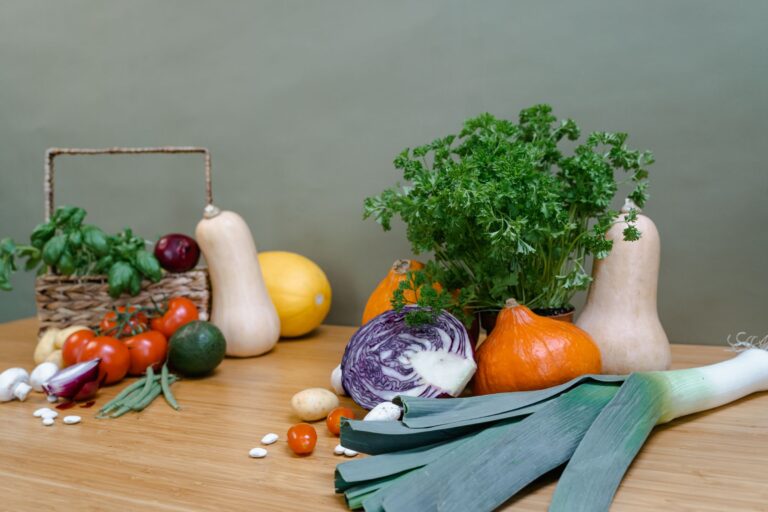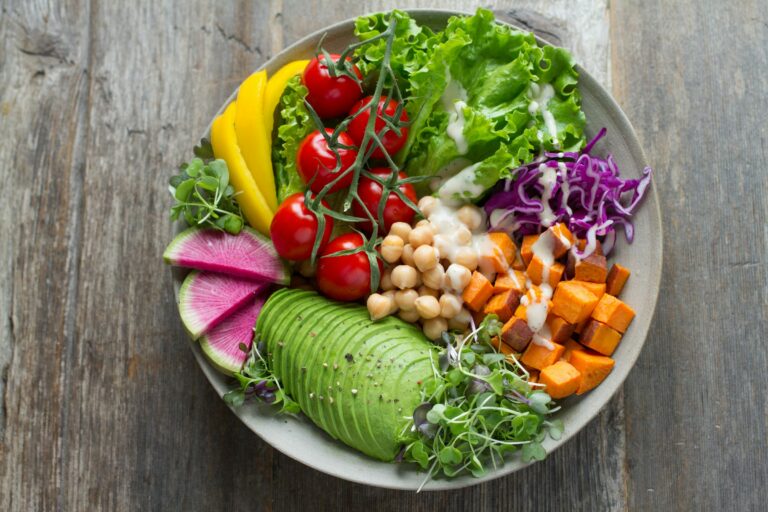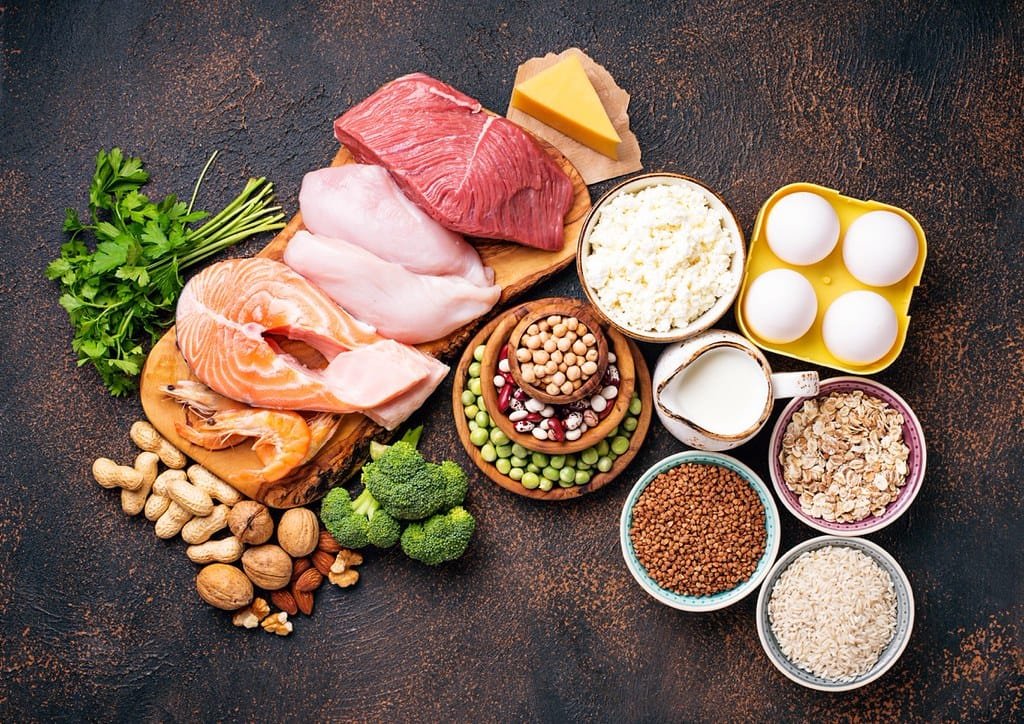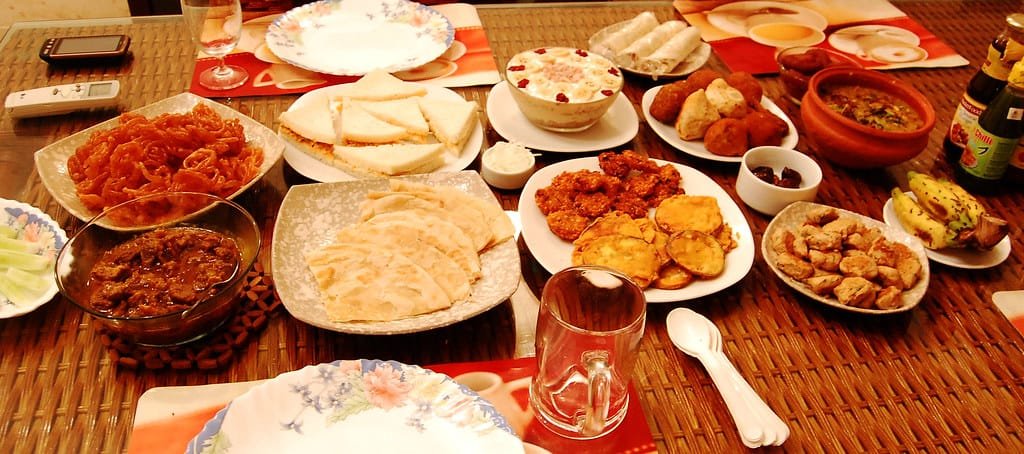
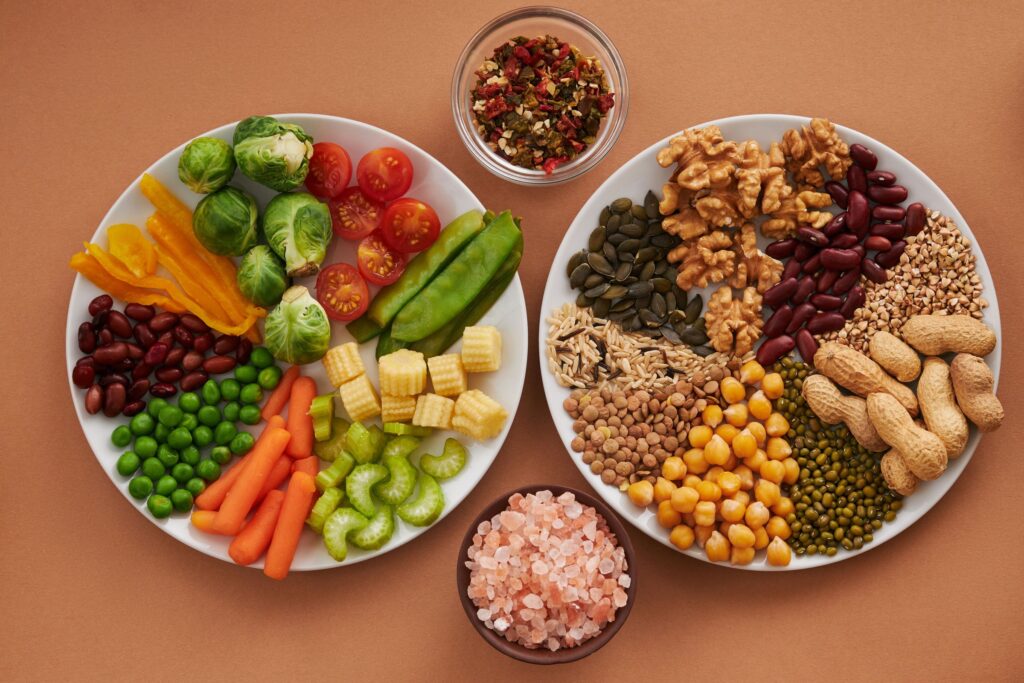
A proper hepatitis diet pakistan guide helps patients and families choose everyday foods that protect liver function and prevent malnutrition. Managing viral hepatitis does not mean starving on unseasoned boiled rice or relying on dangerous roadside drinks. Instead, evidence-based liver nutrition provides steady daily energy, preserves vital muscle mass, and ensures strict hygiene while allowing you to enjoy familiar, nourishing home cooking.
Key takeaways
- Viral hepatitis places substantial metabolic stress on your liver, meaning an evidence-based diet supports cellular regeneration and energy balance but does not replace medical antiviral therapy.
- Eliminating protein like daal, eggs, and lean meat during hepatitis accelerates muscle loss (sarcopenia); patients without hepatic encephalopathy need 1.2–1.5 grams of protein per kilogram of body weight daily.
- Forcing patients to eat oil-free, unseasoned boiled food causes severe appetite loss and caloric deficit; moderate healthy cooking oils and culinary turmeric (haldi) are safe and do not raise bilirubin.
- Roadside sugarcane juice (gannay ka ras) does not cure jaundice; contaminated ice, untreated water, and unwashed crushers make it a major vehicle for spreading waterborne Hepatitis A and E.
- Waterborne hepatitis viruses (HAV and HEV) require strict domestic hygiene; boil municipal drinking water at a rolling boil for 1 to 3 minutes and wash fresh produce thoroughly.
- Unregulated hakeemi medicines, roadside tonics, and heavy-metal preparations (kushtay) carry high risks of toxic drug-induced liver injury on an already inflamed liver.
How Viral Hepatitis Impacts Liver Function and Metabolism
Viral hepatitis causes acute or chronic inflammation that directly impairs the liver’s ability to store glycogen, synthesize proteins, process fats, and manage micronutrients. Because an inflamed liver burns through energy stores rapidly and struggles to regulate blood sugar, consistent daily calories and protein are essential to prevent dangerous muscle wasting and malnutrition.
Your liver serves as the central metabolic engine of your body. In health, it stores glucose as glycogen to maintain steady blood sugar between meals. It also synthesizes crucial blood proteins like albumin and clotting factors, produces bile to digest fats, and processes nutrients.
When hepatitis viruses invade hepatocytes, the immune response triggers widespread cellular inflammation. This inflammatory damage depletes glycogen storage rapidly. Without steady calories, your body begins breaking down its own skeletal muscle tissue for fuel.
The European Association for the Study of the Liver (EASL) guidelines highlight malnutrition as a frequent complication in chronic liver disease. Malnutrition increases the risk of ascites, infection, and hepatic encephalopathy. To maintain metabolic balance, hepatologists benchmark optimal energy intake at 30–35 kcal per kilogram of body weight daily.
In addition, liver inflammation impairs the handling of key micronutrients, including vitamin D, zinc, and thiamine. With viral hepatitis affecting millions of people across rural and periurban Pakistan., supporting hepatic metabolism through adequate daily nutrition is essential.
Acute vs Chronic Hepatitis: Different Viruses, Different Nutritional Goals
Nutritional priorities differ fundamentally between acute waterborne viral hepatitis (A and E) and chronic bloodborne viral hepatitis (B and C). Acute infection prioritizes hydration, caloric density, and small meals to overcome intense nausea, whereas chronic hepatitis requires steady protein-energy balance to protect muscle mass, manage metabolic health, and slow liver fibrosis progression..
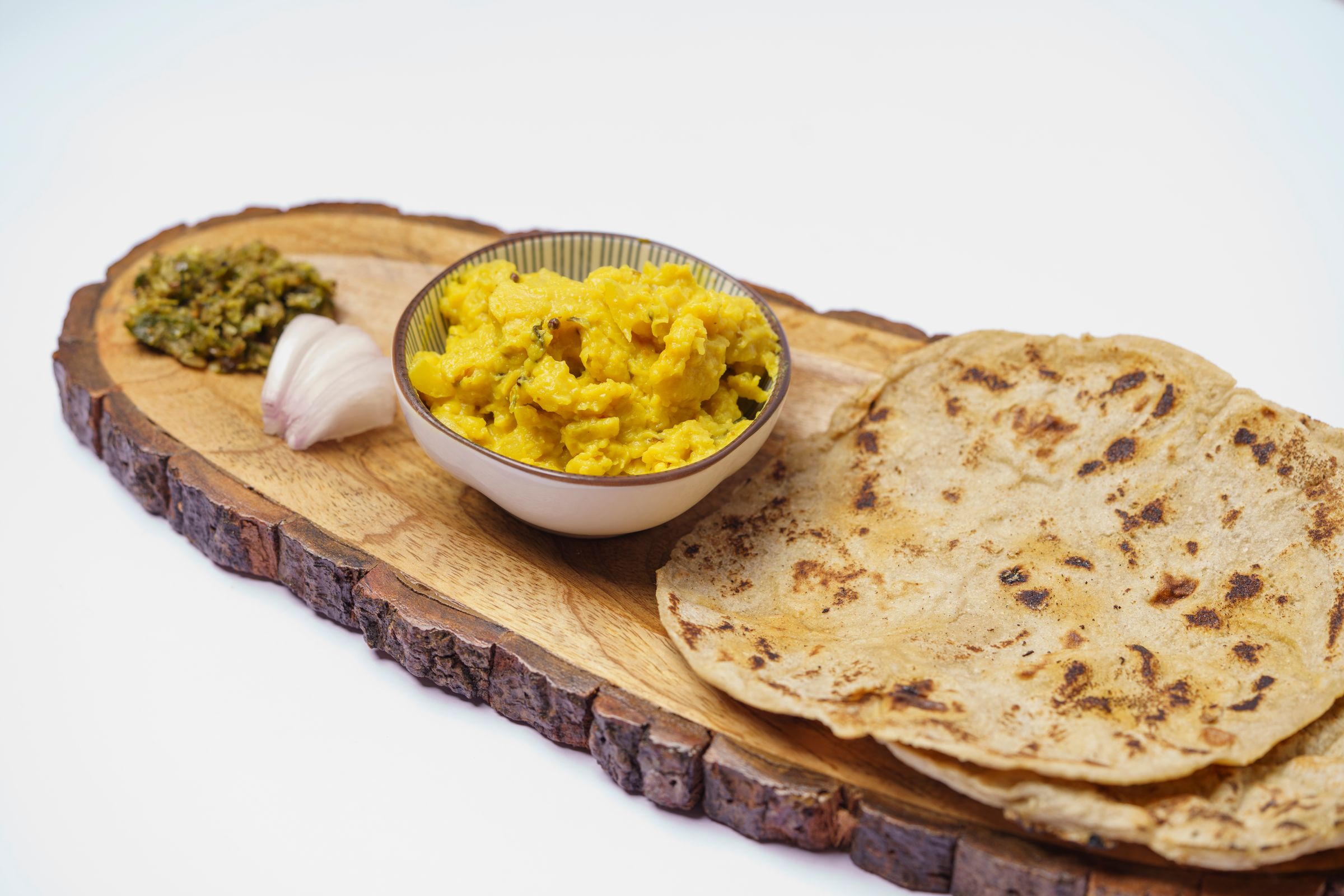
Acute viral hepatitis is caused by Hepatitis A (HAV) and Hepatitis E (HEV). Both spread through contaminated water or unhygienic food. Symptoms appear rapidly, including jaundice (yarkan), dark urine, and intense nausea. The primary clinical goal is maintaining hydration and caloric intake through small, frequent meals until the immune system clears the virus..
Chronic viral hepatitis is caused by Hepatitis B (HBV) and Hepatitis C (HCV). These bloodborne viruses persist for decades, causing low-grade inflammation and progressive fibrosis. Pakistan contributes nearly 18 percent of global Hepatitis C cases. Recent screening in Sindh revealed an anti-HCV positivity rate of 17.1 percent and a viraemic rate of 7.7 percent.
In chronic hepatitis, nutrition must preserve muscle mass and reduce the risk of concurrent metabolic dysfunction-associated steatotic liver disease (MASLD). If you have been diagnosed with Hepatitis B or C, diet supports overall liver health but does not eliminate the virus or cure infection. Do not stop or change your prescribed antiviral medication without direct instruction from your hepatologist. Learn more about structuring daily meals in our guide on a balanced Pakistani diet plate.
The Protein Restriction Myth: Why Starving Your Liver Worsens Recovery
Eliminating dietary protein like lentils, poultry, fish, and eggs during viral hepatitis is a dangerous misconception that accelerates severe muscle wasting (sarcopenia) and worsens clinical outcomes. International clinical hepatology guidelines confirm that non-encephalopathic liver patients require 1.2–1.5 grams of protein per kilogram of body weight daily to support liver regeneration and maintain nitrogen balance..
In Pakistan, families often ban meat, poultry, eggs, and daal, believing they cause internal “heat” (garmi). Patients are forced onto plain boiled rice or watery daliya. This well-intentioned practice causes severe harm.
Your liver needs amino acids to rebuild damaged cells, produce albumin, and maintain immunity. When dietary protein is withheld, the body strips amino acids from skeletal muscles. This rapid loss of muscle mass is known as sarcopenia.
A meta-analysis in Frontiers in Nutrition evaluated 15 liver cohorts and confirmed that sarcopenia significantly increases mortality. Muscle depletion doubled overall mortality risk (hazard ratio 2.06), while psoas muscle wasting tripled mortality risk (hazard ratio 3.19).
Both ESPEN guidelines and modern clinical reviews state that protein restriction is contraindicated in liver disease.. Even in stable hepatic encephalopathy, restricting protein harms muscle stores without improving brain function.. Non-encephalopathic patients should consume 1.2–1.5 grams of protein per kilogram daily..
In advanced liver disease, cirrhosis, or episodes of confusion (hepatic encephalopathy), protein intake, fluid limits, and sodium must be managed under direct supervision of a gastroenterologist or clinical dietitian. To find digestible, budget-friendly proteins, read our guide on local protein foods in Pakistan beyond meat.
The Boiled Food Fallacy: Turmeric, Healthy Fats, and Desi Cooking
Forcing hepatitis patients to eat exclusively fat-free, unseasoned boiled food (ubla hua khana) causes severe appetite loss, caloric deficit, and fat-soluble vitamin malabsorption. Mild home cooking with moderate unsaturated oils and culinary turmeric (haldi) is safe, appetizing, and physiologically beneficial, as dietary curcumin does not raise bilirubin or aggravate jaundice.. [C4, C5]
Preparing completely unseasoned, oil-free food destroys patient appetite. Hepatitis already triggers nausea; tasteless food leads directly to caloric deficit and weight loss. Dietary fats are necessary to absorb vitamins A, D, E, and K.. Moderate unsaturated oils, like mustard oil (sarson ka tel) or olive oil, support bile flow and provide calories. However, avoid deep-fried foods and industrial trans-fats found in banaspati ghee. Learn why banaspati ghee harms the liver in our guide on trans-fats in banaspati ghee in Pakistan.
Many Pakistani families also ban turmeric (haldi), believing its yellow color worsens jaundice. This is a folk superstition. Jaundice is caused by elevated bilirubin, not dietary pigments.
Clinical trials show that curcumin, found in turmeric, exerts protective liver effects. A meta-analysis in the Journal of Diabetes & Metabolic Disorders showed curcumin significantly reduced AST by 2.74 IU/L and GGT by 2.35 IU/L, without elevating bilirubin. Another network meta-analysis of 131 trials found curcumin significantly improved liver stiffness (mean difference -0.76). Normal culinary amounts of haldi in daily cooking are completely safe..
| Cooking Aspect | Traditional Pakistani Myth | Clinical Biological Reality | Evidence-Based Kitchen Practice |
|---|---|---|---|
| Seasoning and Spices | All spices burn the liver and must be stopped. | Mild culinary spices improve appetite and salivary flow. | Use mild cumin (zeera), coriander (dhaniya), garlic, ginger, and black pepper. Avoid fiery red chilies. |
| Culinary Turmeric (Haldi) | Yellow turmeric increases yellow jaundice pigments in blood. | Dietary curcumin does not raise bilirubin; it lowers liver enzymes and liver stiffness.. | Add 1/4 to 1/2 teaspoon of ground turmeric to cooked vegetables and lentils. |
| Cooking Fat and Oils | All fat damages the liver; food must be 100% boiled. | Fat-free diets cause caloric deficit and block fat-soluble vitamin absorption.. | Use 1 to 2 tablespoons of unsaturated oil (mustard, olive, or sunflower oil) per dish. Avoid banaspati ghee. |
| Food Consistency | Patients must only eat watery gruel or sago dana. | Monotonous gruel causes severe caloric deficits and micronutrient malnutrition.. [C1, C4] | Serve soft whole wheat roti, khichdi, mildly seasoned soft sabzi, and fresh dahi. |
Roadside Sugarcane Juice and Jaundice: Exposing a Dangerous Practice
Drinking roadside sugarcane juice (gannay ka ras) or street sherbets does not cool or heal an inflamed liver; instead, it presents an extreme risk of acquiring waterborne Hepatitis A and E. Street vendors in Pakistan frequently use untreated municipal water, contaminated commercial ice, and unwashed extraction machinery that transmit enteric pathogens directly into the drink..
In Pakistani cities, many believe drinking roadside sugarcane juice cleanses liver “heat” (garmi) and flushes out jaundice. Families often stop at street stalls when a relative appears jaundiced. This practice is dangerous.
Sugarcane juice is concentrated sucrose and fructose. High simple sugars stimulate hepatic lipogenesis, increasing liver fat storage without aiding viral clearance. For patients with prediabetes or diabetes, it causes steep glucose spikes.
The biggest threat is severe microbial contamination. Street carts operate near dusty roads with open flies and no running water. Crushing machinery is rarely washed.
Furthermore, street vendors use commercial block ice to chill drinks. A geospatial study of commercial ice in Karachi published in Heliyon analyzed ice blocks across all districts. The researchers revealed that commercial ice was made from untreated tap water and groundwater. The ice contained heavy metals (lead, nickel, zinc, iron, chromium, and arsenic) exceeding World Health Organization limits, making it unsafe for consumption.
A South Asian meta-analysis reported Hepatitis E seroprevalence at 23.8 percent overall, 41.2 percent in pregnant women, and 41.8 percent in patients with liver disease. For pregnant women, waterborne Hepatitis E carries a severe risk of acute liver failure. Expectant mothers must strictly avoid all roadside drinks and drink only boiled water. Consuming street beverages risks acute viral superinfection and sudden liver deterioration.
Water Safety and Kitchen Hygiene: Stopping Fecal-Oral Infection in Pakistan
Stopping waterborne hepatitis viruses (Hepatitis A and Hepatitis E) requires rigorous household water treatment and strict kitchen hygiene. Because municipal tap water in Pakistan frequently contains sewage cross-contamination, boiling drinking water at a rolling boil for 1 to 3 minutes and washing utensils thoroughly destroys viral particles and stops fecal-oral transmission...
Hepatitis A and E spread through the fecal-oral route. In Pakistan, underground drinking water pipes often run beside leaky sewage lines. Low water pressure sucks sewage into municipal water supplies. Drinking untreated tap water remains a primary cause of hepatitis outbreaks.
Cloth strainers and simple sediment filters do not stop hepatitis viruses. Thermal boiling is the most effective household purification method. A review in Environmental Science & Technology evaluating 396 studies confirmed that thermal boiling achieves high log-reduction values against enteric viral pathogens.
Bring drinking water to a rolling boil for at least 1 to 3 minutes. Store boiled water in clean, covered containers with narrow spouts. Never dip unwashed hands or cups into shared coolers, which causes secondary contamination.
Domestic food hygiene is equally important. A meta-analysis in BMJ Global Health showed standalone domestic food hygiene practices reduced diarrheal disease transmission by 51 percent (risk ratio 0.49). Practice these essential kitchen steps:
- Wash hands with soap and water for 20 seconds before preparing meals or eating..
- Wash salad vegetables in cooled boiled water before cutting..
- Peel raw fruits thoroughly before eating.
- Keep raw poultry and meat away from chopping boards used for cooked foods..
- Wash dishcloths daily, as damp cloths harbor bacteria..
Herbal Tonics, Kushtay, and Hepatotoxicity: What Never to Take
Unregulated indigenous herbal tonics, roadside liver syrups, and calcined metallic powders (kushtay) pose severe risks of toxic drug-induced liver injury and acute liver failure. An inflamed liver has reduced capacity to detoxify complex botanical alkaloids and heavy metals, making unprescribed alternative remedies a leading trigger of rapid clinical deterioration in Pakistan..
Anxiety surrounding hepatitis diagnoses often drives patients toward informal practitioners. Quacks advertise fast herbal remedies, roadside syrups (like sharbat-e-unab), and secret powders.
A review on quackery in Pakistan published in the Annals of Medicine & Surgery documented that informal practitioners present a major public health threat. Unqualified vendors frequently prescribe toxic botanical concoctions and metallic ash powders known as kushtay. These preparations often contain concentrated lead, mercury, or arsenic that trigger severe organ failure.
Herbal mixtures frequently cause toxic liver injury. A meta-analysis in the Journal of Ethnopharmacology evaluated 643 patients with confirmed herb-induced liver injury. Multi-herb mixtures carried significantly higher risks of severe hepatocellular damage and cholestasis than single-herb preparations. They caused abnormal total bilirubin, elevated liver enzymes, and impaired blood clotting.
An inflamed liver cannot clear foreign botanical toxins efficiently. Taking unverified remedies often triggers acute-on-chronic liver failure.. Never consume unlabeled herbal syrups, powders, or kushtay.
Building a Practical Hepatitis Diet Pakistan Plate: Everyday Meal Choices
A liver-supportive hepatitis diet in Pakistan combines whole wheat rotis, easily digestible gourds (lauki, tori, kaddu), high-quality proteins (daal, eggs, lean chicken), and homemade dahi, while strictly avoiding banaspati ghee and refined sugars. This balanced pattern provides steady energy, maintains muscle mass, and protects against concurrent metabolic liver steatosis..
Chronic Hepatitis B and C patients face high risks of concurrent metabolic dysfunction-associated steatotic liver disease (MASLD). EASL-EASD-EASO clinical practice guidelines stress that eliminating industrial trans-fats and reducing refined sugars are vital to stop fat buildup in the liver.
Build your everyday plate with these practical choices:
- Whole grains: Choose whole wheat chakki rotis, khichdi, or brown rice. Complex carbohydrates replenish liver glycogen stores smoothly.. Avoid refined bakery naans and sugary biscuits.
- Digestible sabzis: Eat hydrating gourds like bottle gourd (lauki), ridge gourd (tori), and pumpkin (kaddu).. Season mildly with cumin, garlic, ginger, and haldi. [C5, C9].
- Lean protein: Include cooked moong daal, masoor daal, boiled egg whites, skinless chicken stew, or steamed fish to meet the 1.2–1.5 g/kg/day target.. [C3, C9].
- Probiotic dahi: Fresh plain yogurt supports gut barrier health, reducing bacterial toxins entering the liver..
- Late-evening snack: EASL guidelines recommend a small complex carbohydrate snack before bed, such as a small whole wheat roti or warm milk with oats.. [C1, C9]. This protects against overnight fasting muscle catabolism.. [C1, C9].
| Meal Time | Traditional Harmful Choice | Recommended Liver-Supportive Pakistani Plate | Clinical Rationale for Liver Recovery |
|---|---|---|---|
| Breakfast (Nashta) | Paratha fried in banaspati ghee with sugary chai, or skipping food entirely. | One whole wheat chakki roti with one boiled egg, 2 tablespoons of homemade dahi, and unsweetened tea. | Delivers high-quality protein, complex carbohydrates for glycogen, and zero industrial trans-fats.. [C3, C9]. |
| Lunch (Dopahar ka Khana) | Bland boiled white rice without protein, or oily restaurant salan. | One whole wheat roti or one cup of moong daal khichdi, soft lauki or tori sabzi, and fresh dahi. | Provides digestible calories, anti-inflammatory curcumin, dietary fiber, and probiotic support.. [C5, C9]. |
| Afternoon Snack | Roadside sugarcane juice (gannay ka ras) or fried samosas and pakoras. | A small bowl of sliced fresh fruit (papaya or apple) with clean boiled water. | Offers clean hydration and antioxidants without enteric pathogen risk or sugar spikes.. [C6, C7]. |
| Dinner (Raat ka Khana) | Completely oil-free boiled daliya mush, or heavy mutton karahi. | One whole wheat roti with lightly seasoned skinless chicken stew (yakhni) or masoor daal, and steamed kaddu sabzi. | Supplies 1.2–1.5 g/kg/day protein for overnight repair without metabolic overload.. [C3, C9]. |
| Late-Evening Snack | No food after 8 PM, causing 12 hours of overnight catabolism. | One small whole wheat roti with a tablespoon of daal, or half a cup of warm low-fat milk. | Guards against overnight fasting catabolism and preserves skeletal muscle mass per EASL guidelines.. [C1, C9]. |
If you develop deepening jaundice, dark urine, leg swelling, abdominal distension, or confusion, consult a hepatologist immediately. For more evidence-based Pakistani dietary guides, explore Nuritron.
Frequently asked questions
Can a person following a hepatitis diet pakistan safely eat daal, chicken, and eggs?
Yes. Patients with viral hepatitis should eat daal, skinless chicken, and eggs as part of their regular meals. Protein restriction during hepatitis is a harmful myth that leads to severe muscle wasting (sarcopenia) and doubles mortality risk. The liver needs dietary amino acids to regenerate damaged cells and maintain immune defenses. Non-encephalopathic patients require 1.2 to 1.5 grams of protein per kilogram of body weight daily. Unless a specialist confirms severe hepatic encephalopathy, protein foods should never be eliminated from your diet.
Does drinking sugarcane juice (gannay ka ras) cure jaundice and liver heat?
No. Sugarcane juice does not cure jaundice, remove liver heat, or clear hepatitis viruses. Street sugarcane juice in Pakistan is an acute transmission vehicle for waterborne Hepatitis A and Hepatitis E due to unwashed rollers, open roadside dust, and commercial ice made from untreated water. Research shows commercial ice in Pakistani cities carries heavy metals and fecal contaminants. Drinking street juice when already battling hepatitis creates a severe risk of secondary infection or liver failure.
Should you completely avoid haldi (turmeric) and cooking oil if you have hepatitis or jaundice?
No. Eliminating turmeric based on the belief that its yellow color worsens jaundice is a folk superstition. Curcumin, the active compound in turmeric, possesses anti-inflammatory properties that reduce liver enzymes (ALT, AST, GGT) and improve liver stiffness without raising bilirubin. Furthermore, an exclusively fat-free boiled diet causes calorie malnutrition and blocks the absorption of fat-soluble vitamins (A, D, E, K). Mild home cooking with 1 to 2 tablespoons of healthy unsaturated oil and a pinch of turmeric is safe and beneficial.
How does the diet for Hepatitis A and E differ from Hepatitis B and C?
Hepatitis A and E are acute waterborne infections where the primary goals are maintaining hydration, preventing dehydration, and eating small, frequent meals to overcome acute nausea until the body clears the virus. In contrast, Hepatitis B and C are chronic bloodborne infections requiring a long-term nutritional framework to protect lean muscle mass, prevent fatty liver disease (MASLD), and slow fibrosis progression. Chronic hepatitis patients must balance protein and calories while continuing prescribed antiviral medications.
Can herbal tonics, desi totkay, or hakeemi medicine cure Hepatitis B or C?
No. Indigenous herbal remedies, roadside tonics, and metallic preparations (kushtay) cannot cure Hepatitis B or C and carry severe risks of drug-induced liver injury. An inflamed liver cannot easily detoxify complex plant alkaloids or heavy metals. Clinical research indicates that multi-herb mixtures and unregistered powders are leading causes of toxic liver necrosis and acute-on-chronic liver failure in Pakistan. Only prescribed medical antiviral therapies eliminate or control Hepatitis B and C viruses.
How long must drinking water be boiled in Pakistan to kill hepatitis viruses?
To kill enterically transmitted hepatitis viruses (HAV and HEV), municipal drinking water must be brought to a rolling boil for at least 1 to 3 minutes. Basic cloth strainers and home sediment filters do not remove microscopic viruses. Once boiled, store the water in clean, covered containers with narrow spouts to prevent secondary contamination from dirty cups or unwashed fingers. Always wash raw salad vegetables in boiled or purified water before eating.
About the author

RD Saeed Ahmad, MSPHCo-founder and nutritionist, Nuritron
Nutritionist and public health researcher, and co-founder of Nuritron. Works in clinical and community nutrition, type 2 diabetes and One Health policy.
View full profile and articles