
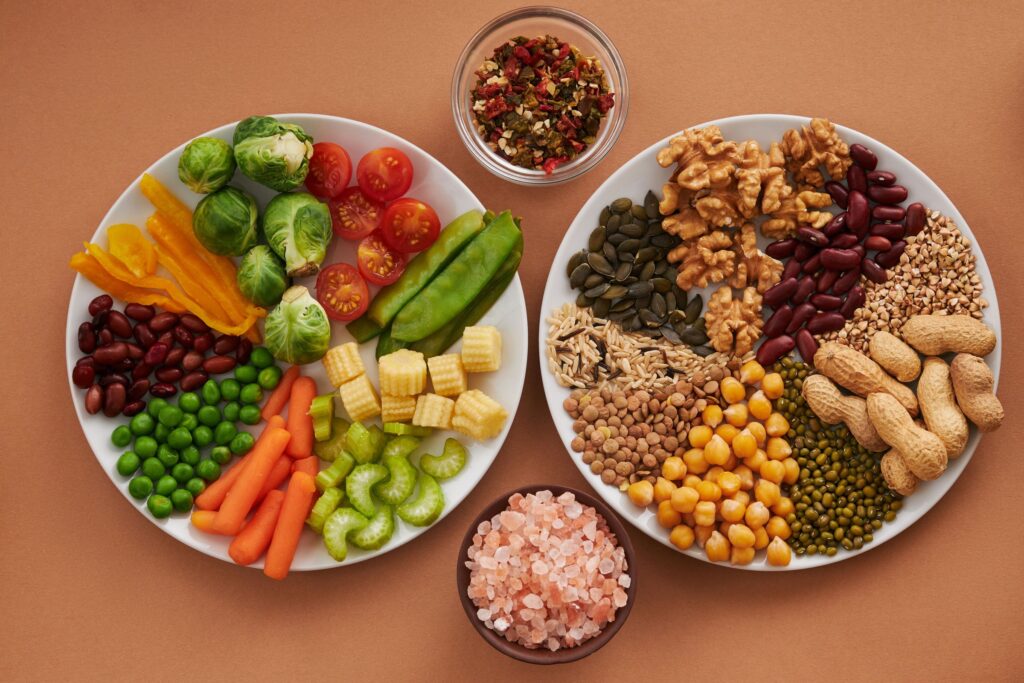
Hepatitis Diet Pakistan: Practical Foods That Help Your Liver and What Causes Harm
Hepatitis diet Pakistan: discover 7 safe everyday foods that protect your liver, prevent muscle loss, and avoid dangerous roadside drink contamination.
What to eat for diabetes, heart health, high blood pressure, high cholesterol, PCOS and other long-term conditions. Each guide is built around Pakistani food and fasting practices, explains how diet works alongside your medicines, and is reviewed before it is published. Always discuss changes with your doctor.
Hepatitis diet Pakistan: discover 7 safe everyday foods that protect your liver, prevent muscle loss, and avoid dangerous roadside drink contamination.
A kidney disease diet in Pakistan is an evidence-based nutritional framework designed to balance sodium, potassium, phosphorus, and protein to
When you are diagnosed with hypertension, finding a blood pressure diet that works with Pakistani food can feel overwhelming. At
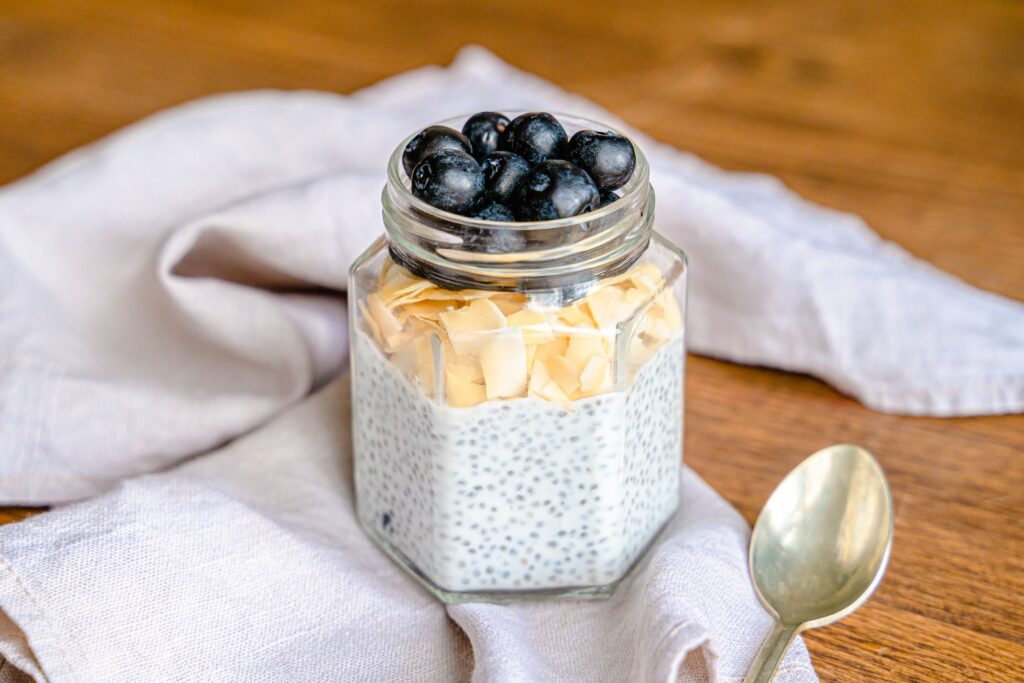
Many women in Pakistan search for chia seeds skin benefits after seeing social media influencers praise them for glowing skin

If you are exploring tukh malanga for weight loss as a natural way to manage your appetite, you have likely
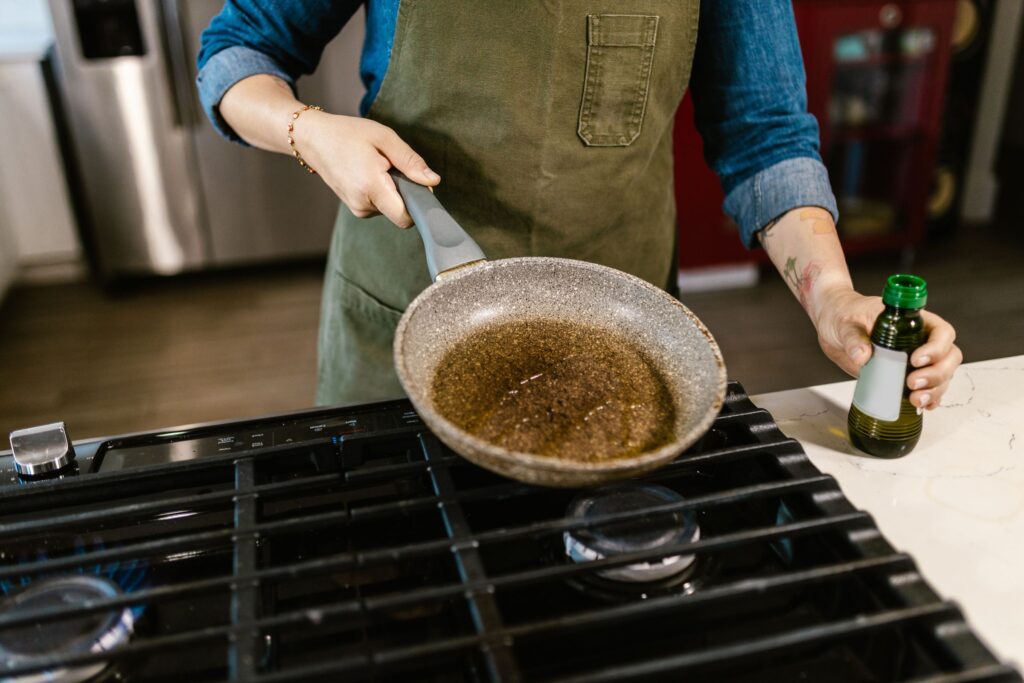
Many households in Pakistan rely on banaspati ghee for daily cooking, from frying morning parathas to preparing evening curries. However,
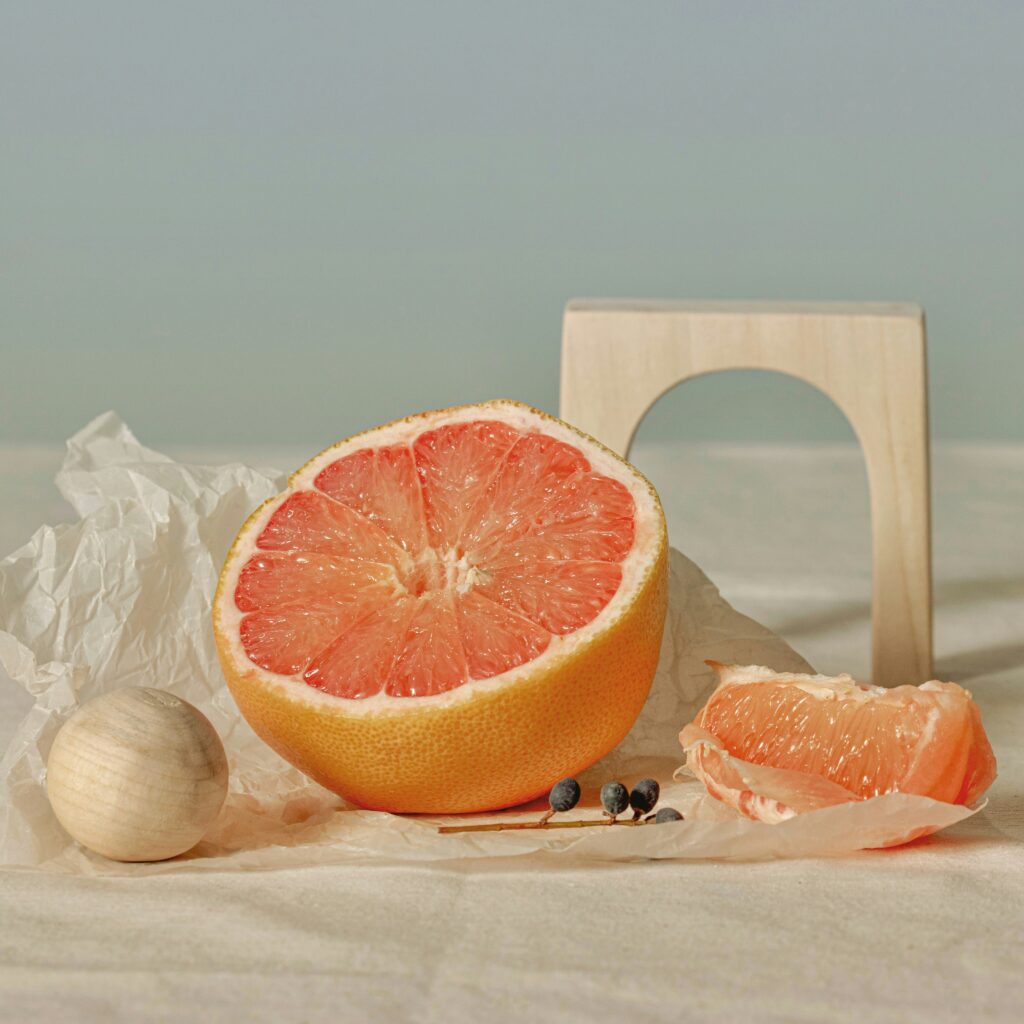
Managing your blood pressure medication food interaction is essential for keeping your heart healthy and avoiding unexpected side effects. At
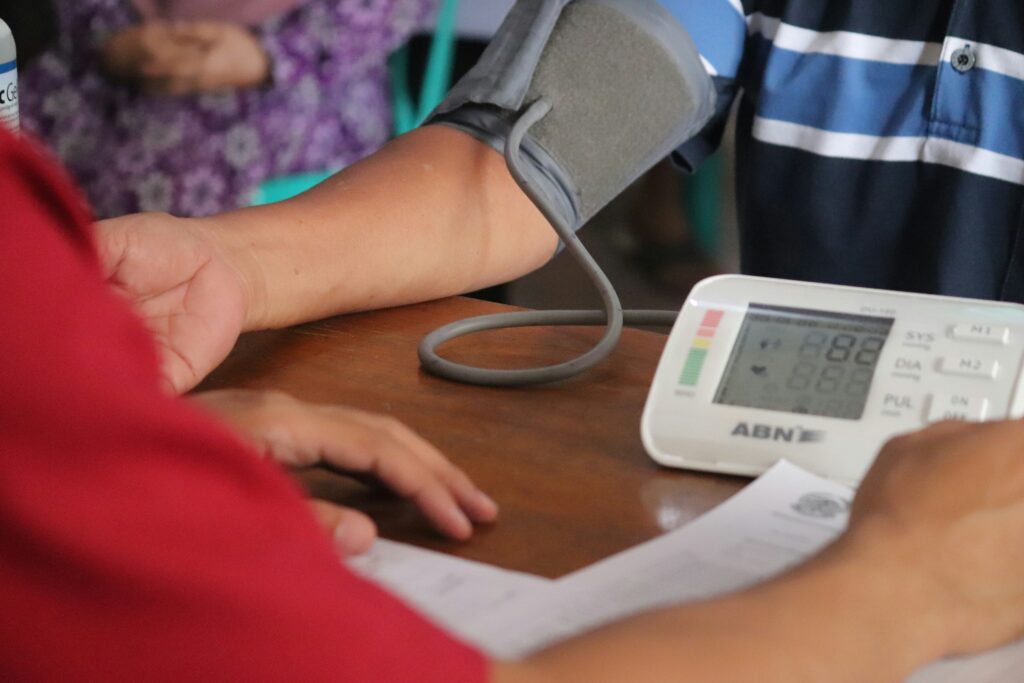
Fasting ramadan high blood pressure is manageable with the right plan. Learn how to adjust your medication, stay hydrated, and safely enjoy Iftar in Pakistan.
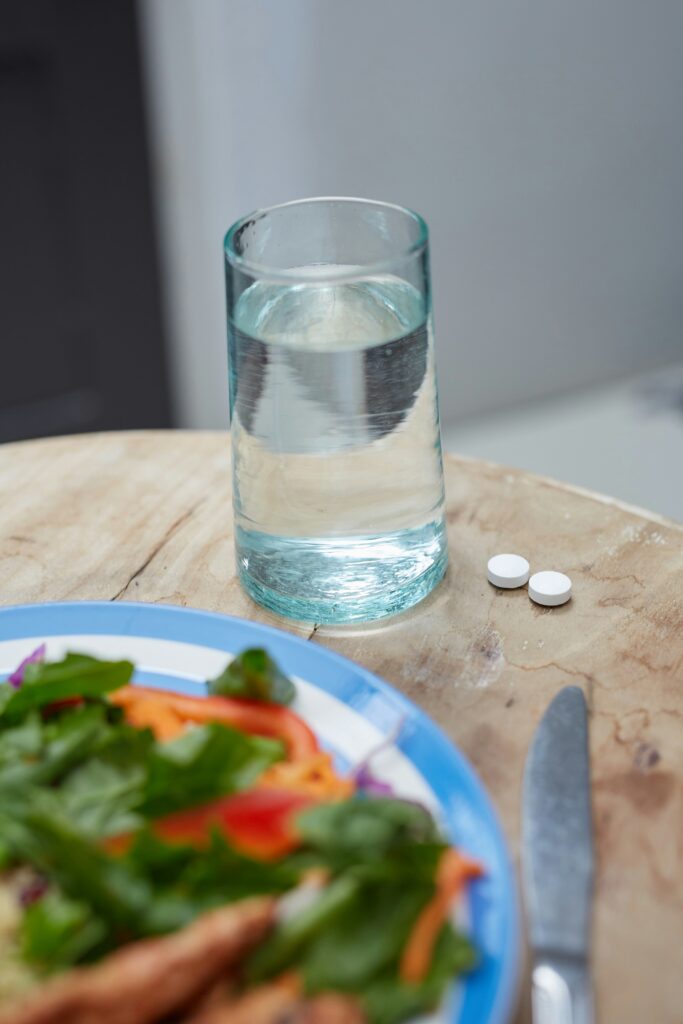
Managing your medication during ramadan fasting is one of the most important steps to prepare for the holy month. If
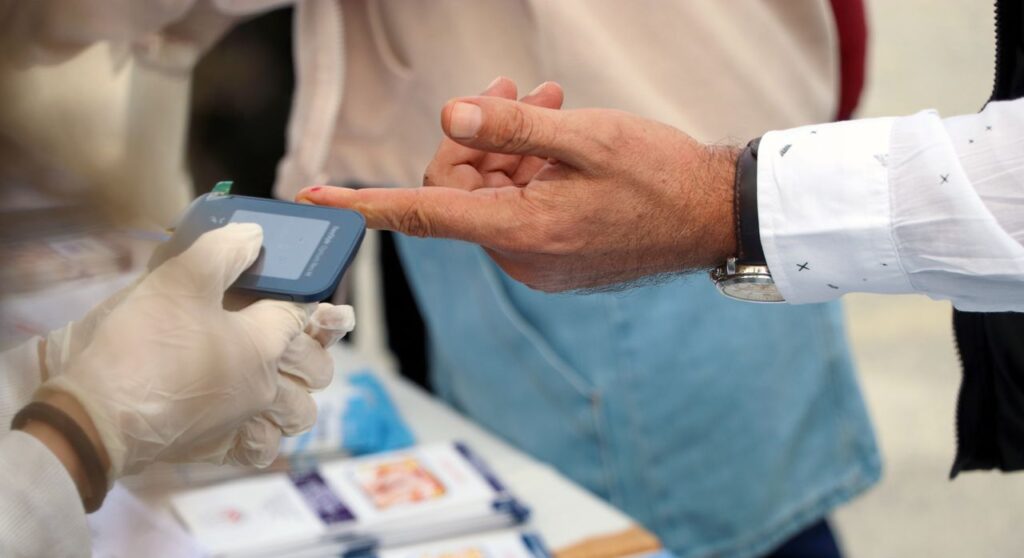
Reverse prediabetes safely with these evidence-based diet changes. Discover 3 practical ways to lower blood sugar using everyday Pakistani foods.
Nuritron provides evidence-based nutrition information for educational purposes only. It is not a substitute for professional medical advice, diagnosis or treatment. Always consult a qualified healthcare provider.

© 2026 Nuritron (Pvt) Ltd. All rights reserved.