Finding the right diet for iron deficiency anaemia in pakistan requires understanding exactly how local foods work in your body. Rather than guessing which vegetables might help, you can use a food-first approach to manage your iron levels before resorting to medical supplements. Iron deficiency is not merely a brief spell of tiredness; it is a clinical condition where your blood lacks enough healthy red blood cells to carry adequate oxygen to your body’s tissues. This leads to persistent exhaustion, weakness, and a compromised immune system.
Key Takeaways
- Iron deficiency anaemia affects roughly half of women and young children in Pakistan.
- Relying entirely on plant-based iron (non-heme) like daal or spinach is often insufficient without vitamin C (nimbu) to boost absorption.
- Drinking chai right after meals blocks iron absorption.
- Diet is the first line of defense, but severe deficiency requires medical testing and appropriate supplements.
Prevalence of Iron Deficiency Anaemia in Pakistan
Limited evidence from a single study quoting the 2018 national survey indicates that 41.7 percent of women of reproductive age and 53.7 percent of children under five in Pakistan are anaemic . The scale of this problem means that millions of people are living with low iron stores without realising it, simply putting their exhaustion down to a busy life or stress.
Feeling drained despite sleeping adequately, which often prompts doctors to test both vitamin D and iron levels, is a widespread issue; learn more about vitamin D deficiency in Pakistan. In Pakistan, women face a particularly high risk of developing iron deficiency anaemia in pakistan. Monthly blood loss during menstruation depletes iron stores regularly, while the physical demands of pregnancy require significantly more iron to support a growing baby. When the standard daily meals do not replace the iron lost or used, the body’s reserves gradually run dry. Children are equally vulnerable because their rapid growth demands a steady supply of nutrients that basic meals often fail to provide.
Because this condition builds up slowly, many people adapt to feeling constantly exhausted, breathless after minimal effort, and physically weak. They might struggle to carry groceries or find themselves needing multiple naps during the day. A focused dietary approach helps restore those levels naturally, but only if you understand which local foods deliver iron effectively. Ignoring the early signs allows the deficiency to deepen until medical intervention becomes the only viable option.
Heme vs Non-Heme Iron: What You Need to Know
Evidence suggests that heme iron, which comes from animal sources, has a greater impact on your iron status indicators than non-heme iron from plants . Traditional Pakistani diets lean heavily on non-heme sources like wheat and legumes, meaning you might eat plenty of iron but absorb very little of it.
Your body processes iron differently depending on where it comes from. Heme iron is found in meat, poultry, and fish. It is highly bioavailable, meaning your digestive system easily takes it up and uses it to build healthy red blood cells. When you eat beef or chicken, your body readily absorbs the iron without needing any extra help. The molecular structure of heme iron allows it to bypass the natural chemical barriers in your gut that otherwise block nutrient uptake.
Non-heme iron is the type found in plant foods. While plants hold a significant amount of iron, they also contain natural compounds that block your body from absorbing it. Studies indicate that acute postprandial iron bioavailability is reduced by compounds like phytates found in standard breads, though low-phytate options can increase absorption . A traditional meal of whole wheat roti and daal contains high levels of phytates that bind tightly to the non-heme iron. When you eat these foods, the iron often passes straight through your digestive system instead of entering your blood. Understanding this difference is the first step in adjusting your meals to get the maximum nutritional benefit.
| Iron Type | Source | Absorption Rate | Traditional Pakistani Examples |
|---|---|---|---|
| Heme | Animal products | High | Beef, mutton, chicken, liver |
| Non-Heme | Plant foods | Low | Daal, chana, palak, whole wheat roti |
Iron-Rich Pakistani Foods: Beyond Just Palak
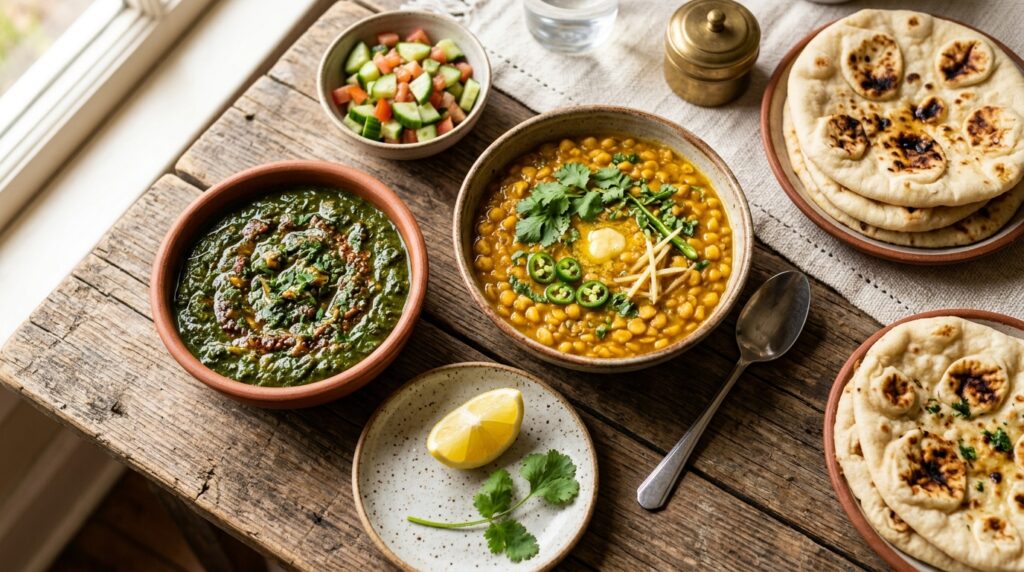
According to regional food composition data, organ meats like liver, red meat, lentils (daal), and dark leafy greens like spinach (palak) are established dietary sources of iron . Building a strong diet involves combining these locally available ingredients strategically throughout your week.
For families who consume meat, chicken liver, mutton, and beef are highly effective ways to replenish iron stores quickly. Even a small portion of liver provides a concentrated dose of easily absorbed heme iron. Mutton and beef curries also supply reliable amounts of iron that your body can process without interference from plant compounds. Including a meat-based meal a few times a week can drastically improve your overall iron profile.
If your meals are primarily vegetarian, you must be more deliberate about your choices. Lentils like masoor and moong daal, chickpeas (chana), and dark leafy greens like palak and sarson (mustard greens) contain non-heme iron. You must eat these regularly to build up your levels. If you rely entirely on non-heme sources, you have to eat larger quantities and use specific methods to help your body absorb the iron they contain. It is also helpful to understand your macronutrient daily requirements so you can balance these iron-rich foods alongside proteins and healthy fats for overall health.
Boosting and Blocking: How Nimbu and Chai Affect Absorption
Evidence suggests that consuming vitamin C (ascorbic acid) increases iron absorption in infants and children, and this biological mechanism applies generally to human digestion . Squeezing fresh lemon juice (nimbu) over your meals is a direct way to unlock the iron trapped in plant foods.
When you add a source of vitamin C to non-heme iron, it changes the chemical structure of the iron, making it much easier for your body to absorb. This means that adding a squeeze of nimbu to your palak paneer or your bowl of daal significantly increases the amount of iron you actually take in. Chopping fresh tomatoes into your curries or eating a guava after your meal provides the same benefit. This combination is especially crucial for individuals who do not eat meat and rely solely on plant-based nutrition to meet their iron needs.
On the negative side, certain deeply ingrained habits actively work against you. Evidence indicates that a high consumption of tea is consistently associated with a higher risk of anaemia . Tea contains tannins and polyphenols that aggressively bind to non-heme iron in your stomach. If you drink a cup of strong chai immediately after eating a meal of lentils or vegetables, the tea will block much of the iron from entering your system. To protect your iron intake, you should wait at least one hour after eating before you have your tea. This simple timing adjustment costs nothing but makes a substantial difference to your nutritional health.
When Diet Isn’t Enough: Navigating Iron Supplements Safely
Evidence suggests that daily iron supplementation is recommended as a public health intervention for menstruating adult women and adolescent girls living in settings where the prevalence of anaemia is 40 percent or higher . When your iron reserves are severely depleted, a food-first approach may simply take too long to correct the deficiency.
While adjusting your meals is essential for long-term health, severe iron deficiency anaemia requires immediate medical correction. Symptoms like extreme fatigue, frequent dizziness, pale skin, and a racing heart indicate that your body needs a rapid influx of iron that food alone cannot provide quickly enough. A medical professional will test your blood to determine your exact haemoglobin and ferritin levels and recommend an appropriate supplement regimen.
You must not guess your dosage or start taking high-strength iron pills based on how you feel. Iron supplements can cause uncomfortable side effects, including severe stomach pain, nausea, and constipation, especially if taken incorrectly. Your doctor will provide a specific regimen, often starting with a lower dose to see how your stomach tolerates it. They may also advise you to take the supplement with a source of vitamin C, just as you would with food. Once your levels return to normal through supplementation, your improved diet will help keep them stable over time.
About the author
Dr. Amna Noor, Pharm-DCommunity Pharmacist, IMA Pharmacy Plus, Rahim Yar Khan
Community pharmacist in Rahim Yar Khan and co-founder of Life-Med Consultancy, a social enterprise for chronic disease management, with a focus on patient counselling and diabetes care.
View full profile and articles