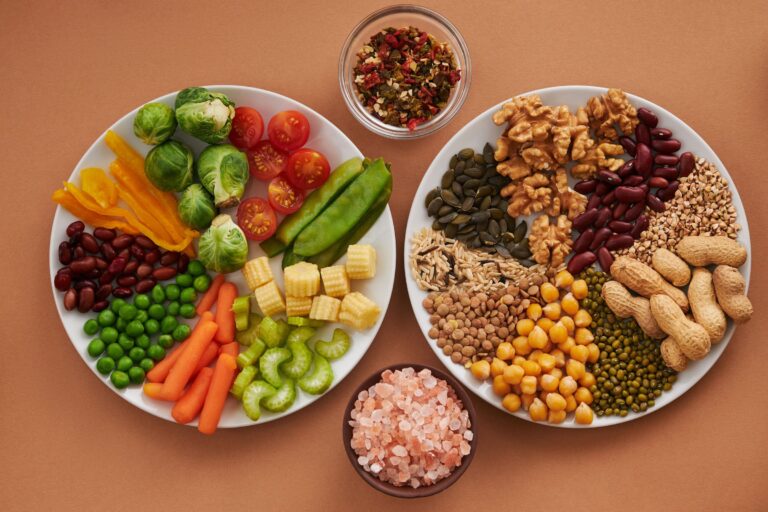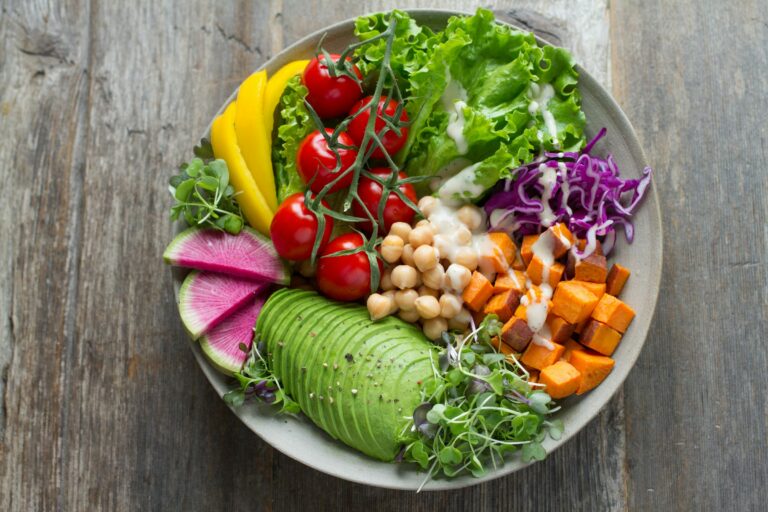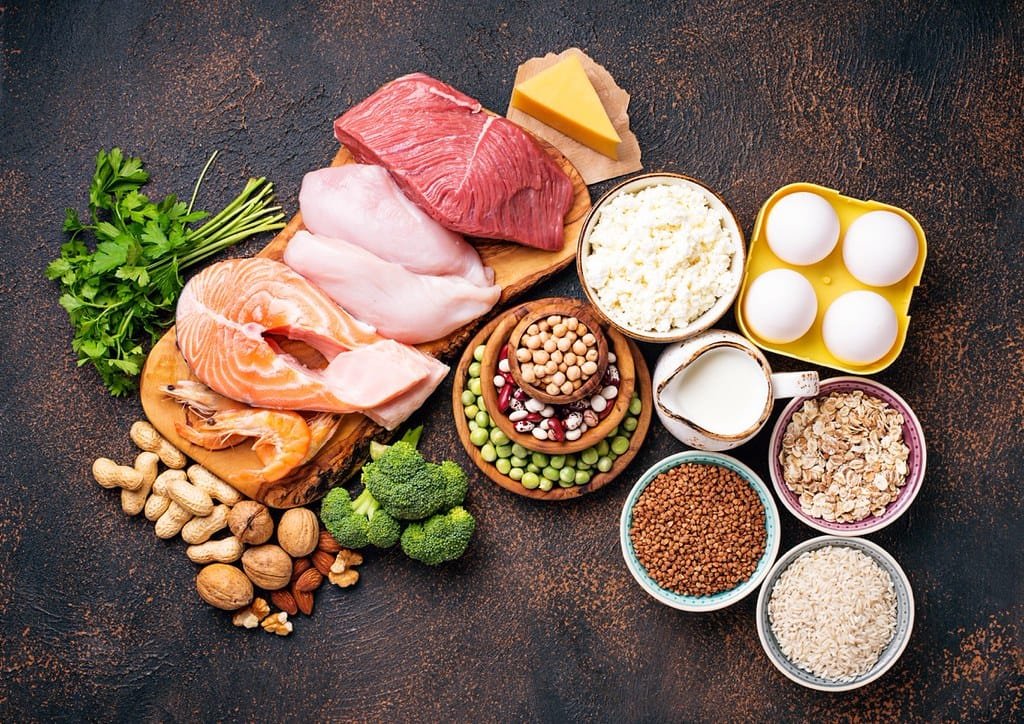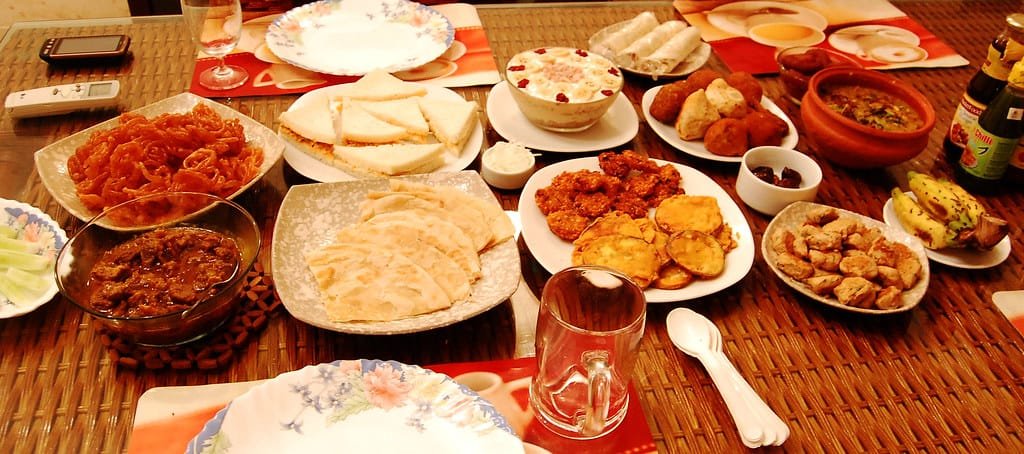
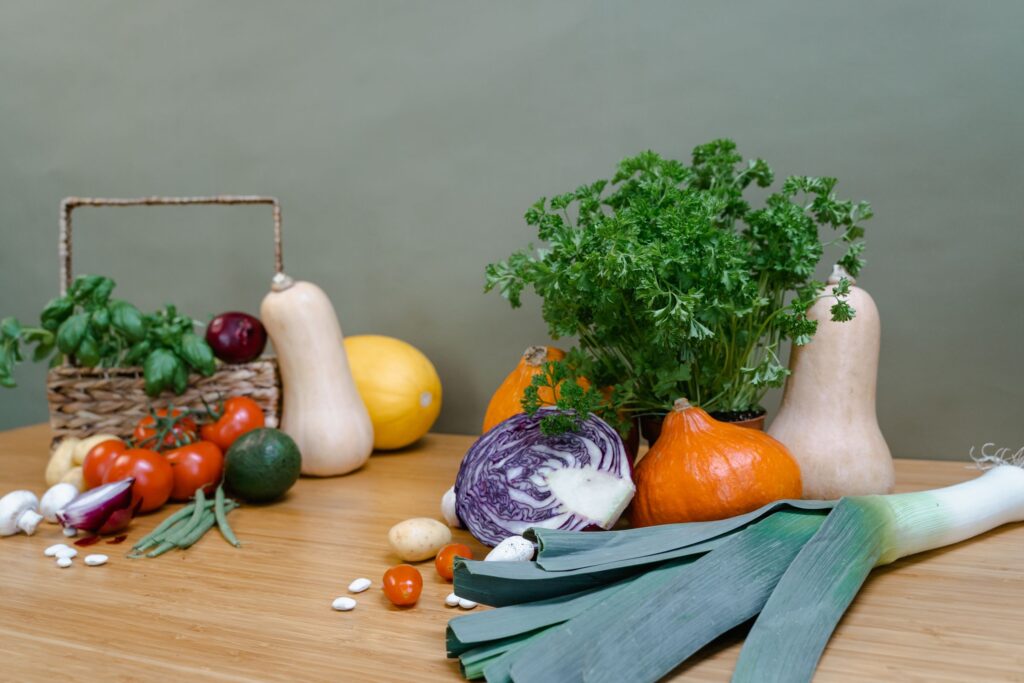
A kidney disease diet in Pakistan is an evidence-based nutritional framework designed to balance sodium, potassium, phosphorus, and protein to protect remaining kidney function. At Nuritron, our clinical guidance shows that managing kidney disease does not require abandoning traditional desi meals or surviving on unseasoned boiled rice. South Asian health studies indicate that chronic kidney disease affects up to 23.3 percent of adults in Pakistan. Managing your everyday meals simply means making smart, stage-specific swaps across familiar foods like roti, daal, sabzi, and salan.
Key takeaways
- Chronic kidney disease impairs the filtration of minerals and metabolic waste, meaning daily food choices directly influence blood chemistry.
- Keeping sodium under 2,000 milligrams per day helps lower blood pressure, reduce swelling, and decrease protein loss in your urine.
- Low-potassium desi vegetables like lauki, tinda, and tori are much safer in advanced stages than high-potassium greens like palak and saag.
- Boiling chopped potatoes in water before cooking leaches away up to 70 percent of their potassium content.
- Natural phosphorus in lentils is absorbed far less than artificial phosphate preservatives added to commercial baking powders, bakery naans, and colas.
- Protein guidelines flip once dialysis begins, requiring higher daily protein intake to replace nutrients lost during dialysis sessions.
Why a Kidney Disease Diet Radically Changes Your Food Rules
Chronic kidney disease permanently reduces kidney filtering capacity. Damaged kidneys cannot clear metabolic waste products, excess fluid, and dietary minerals efficiently. In healthy individuals, the kidneys balance electrolytes and filter out urea and creatinine seamlessly. When kidney function declines, these compounds accumulate in your blood. Targeted dietary adjustments become essential to protect overall health.
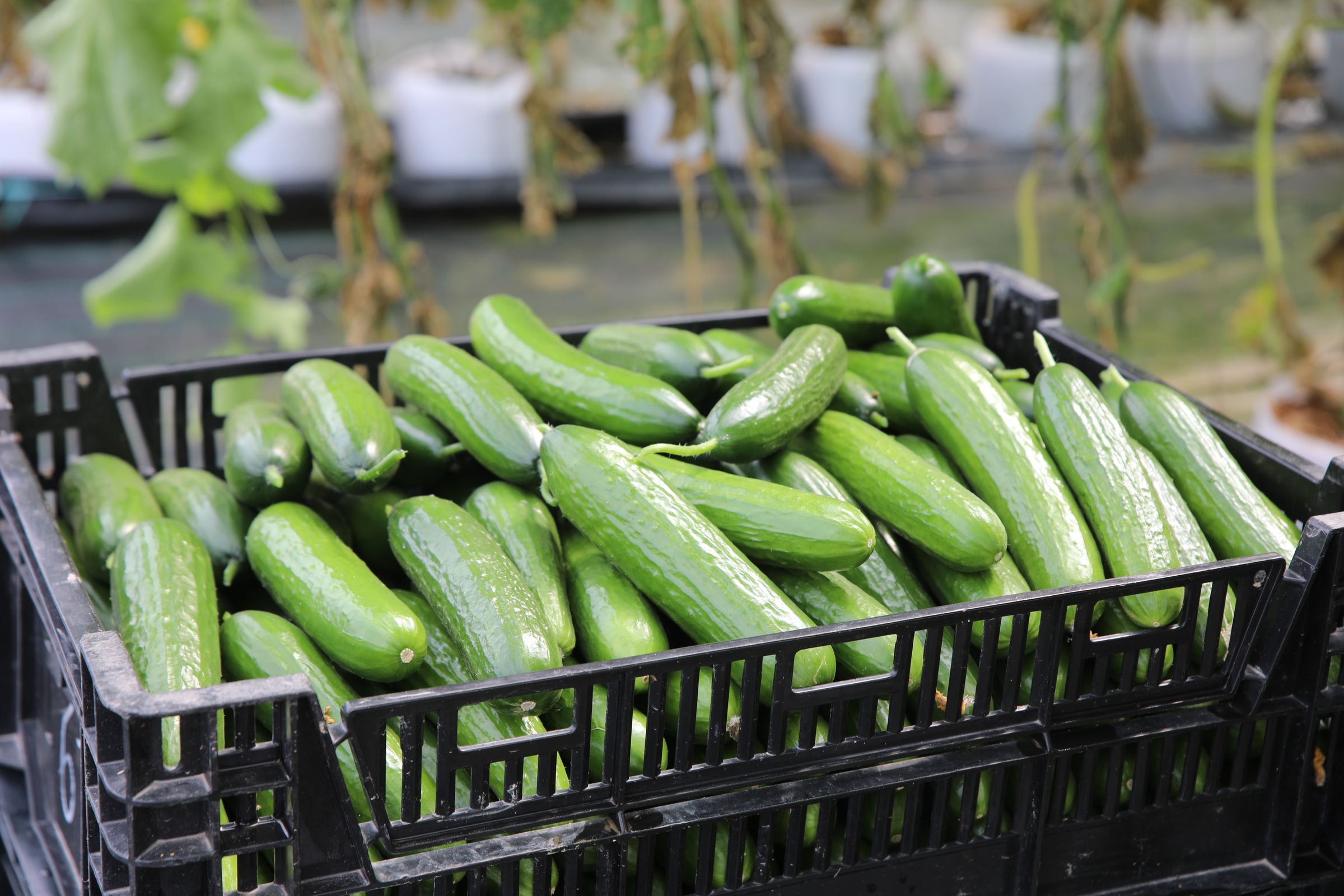
Your kidneys contain millions of microscopic filtering units called nephrons. As nephrons suffer damage from long-standing high blood pressure, diabetes, or glomerulonephritis, the kidneys lose their homeostatic balance. They struggle to regulate sodium, potassium, acid-base balance, and phosphorus. Waste products from digested protein, particularly urea and nitrogenous metabolites, build up in the bloodstream. This accumulation causes fatigue, nausea, appetite loss, and metallic tastes in the mouth.
At the same time, failing kidneys cannot excrete excess minerals into your urine. High levels of sodium drive up blood pressure and cause fluid retention. Excess potassium disrupts normal heart rhythm, while elevated phosphorus weakens bones and calcifies blood vessels. Eating a standard diet puts intense stress on surviving nephrons, accelerating the decline toward kidney failure.
Dietary requirements are not static; they change completely across different stages of kidney disease. In non-dialysis stages (stages 1 to 4), the primary goal is slowing disease progression. Patients minimize kidney workload by moderating protein and restricting specific minerals. Once a patient progresses to stage 5 and begins maintenance dialysis, nutritional priorities shift dramatically. The dialysis procedure filters waste from the blood. However, it also removes vital amino acids and proteins. This loss requires higher protein intake to prevent muscle wasting. Understanding your specific stage of kidney disease is the first step in planning daily meals.
Sodium Control in Pakistani Cooking: Salt, Achaar, and Salan
Controlling sodium intake is essential in kidney disease because damaged kidneys cannot excrete excess salt, leading to dangerous fluid retention, high blood pressure, and increased strain on remaining nephrons. Limiting total sodium intake to under 2,000 milligrams per day (equivalent to less than 5 grams of table salt) significantly lowers blood pressure and protects your kidneys.
A comprehensive Cochrane systematic review examined altered dietary salt in chronic kidney disease. The researchers confirmed that reducing salt by approximately 4.2 grams per day (around 1,690 milligrams of sodium) lowers systolic blood pressure by 6.91 mm Hg and diastolic pressure by 3.91 mm Hg. Furthermore, this level of sodium reduction decreases albuminuria (protein leakage into urine) by 36 percent and helps reduce extracellular fluid volume in early stages. According to the KDIGO clinical practice guidelines, limiting sodium intake is one of the most effective ways to delay the progression of kidney disease.
In a typical Pakistani kitchen, managing sodium presents unique challenges because salt is added generously to almost every dish. Traditional gravies (salan), lentils, and vegetable curries often receive multiple teaspoons of salt during cooking. Furthermore, commercial boxed spice mixes (karahi, biryani, qorma, and nihari masalas) contain concentrated levels of hidden sodium and flavor enhancers.
Common high-sodium staples in Pakistani households include:
- Achaar (traditional mixed oil and vinegar pickles), which are heavily salted for preservation.
- Commercial boxed spice mixes and instant seasoning cubes.
- Papad, nimko, samosas, and commercial fried snacks.
- Bakery goods, including savory biscuits, patties, and commercial naan breads leavened with baking soda.
- Table salt added at meal times over salads, sliced cucumbers, and fruit chaat.
To lower sodium without sacrificing flavor, cook family meals using fresh garlic (lehsan), ginger (adrak), cumin (zeera), coriander seeds (dhaniya), black pepper, and fresh lemon juice. Prepare salan without adding extra salt, and avoid commercial spice packets entirely. If you are also managing cardiovascular conditions, you can explore our guide on the high blood pressure diet in Pakistan and the adapted DASH diet in Pakistan for additional practical sodium reduction techniques.
Potassium Management: Sorting Safe Desi Sabzis and Fruits
Potassium management requires careful attention because impaired kidneys struggle to remove surplus potassium, which can lead to dangerously elevated blood levels (hyperkalemia) and life-threatening heart rhythm disturbances. In advanced kidney disease, swapping high-potassium vegetables like palak and saag for lower-potassium options like lauki, tinda, and tori is a critical safety measure.
In the early stages of chronic kidney disease (stages 1 to 3), the body can often maintain normal blood potassium levels, meaning universal and severe potassium restrictions are not always required. Indiscriminately banning all plant foods in early stages can unnecessarily deprive patients of beneficial fiber and essential vitamins. However, as kidney function drops into stages 4 and 5, or if your blood tests reveal elevated potassium levels (above 5.0 mEq/L), strict dietary limitation becomes vital to protect cardiac health.
Pakistani markets offer an abundance of fresh seasonal vegetables, but their potassium contents vary drastically. According to official food composition data from the Indian Food Composition Tables (IFCT 2017), traditional gourds are naturally low in potassium, whereas leafy greens, tomatoes, and dried fruits contain very high concentrations.
| Food Item (100 grams raw) | Local Urdu Name | Potassium (milligrams) | Kidney Diet Recommendation |
|---|---|---|---|
| Round Gourd | Tinda | 58 | Safe (Very Low Potassium). |
| Ridge Gourd | Tori | 118 | Safe (Low Potassium). |
| Bitter Gourd | Karela | 122 | Safe (Low Potassium). |
| Bottle Gourd | Lauki / Ghiya | 124 | Safe (Low Potassium). |
| Pumpkin | Kaddu / Halwa Kaddu | 161 | Safe in Moderate Portions. |
| Ripe Banana | Kela | 440 | Restrict (High Potassium). |
| Spinach | Palak | 625 | Restrict Strictly (Very High Potassium). |
| Dry Dates | Khajoor / Choharey | 1,340 | Avoid (Extremely High Potassium). |
For vegetables that carry moderate to high potassium levels, such as potatoes, specific culinary processing techniques can dramatically lower mineral concentrations before cooking. Controlled food science research in the Journal of Renal Nutrition demonstrates that simply soaking raw cold potatoes in water is ineffective. Cold soaking removes less than 5 percent of their potassium. To effectively leach potassium, potatoes must undergo thermal processing (boiling in water) to rupture plant cell membranes, followed by soaking or discarding the boiling liquid.
When diced potatoes are boiled thoroughly and the water is drained away, up to 70 percent of their potassium is leached out, lowering final potassium concentrations to safe levels below 130 milligrams per 100 grams. Similarly, hot-water soaking and blanching of non-leafy vegetables reduces potassium content by 30 to 39 percent. To safely prepare potatoes or mixed sabzis at home, peel the vegetable and chop it into small cubes. Boil the pieces in plenty of water (at least 5 parts water to 1 part vegetable) for 10 to 15 minutes. Drain and discard all cooking liquid completely. Then add the leached vegetables into your salan.
Phosphorus Traps: Natural vs Added Phosphate in Pakistani Food
Phosphorus control is vital in kidney disease to prevent hyperphosphatemia, mineral bone disease, and cardiovascular calcification. A crucial biochemical distinction exists between natural organic phosphorus found in whole foods like daal and inorganic chemical phosphate additives found in ultra-processed snacks and baking powder.
In healthy bodies, kidneys excrete excess dietary phosphorus to maintain balance with calcium. In declining kidney function, phosphorus accumulates in the bloodstream, triggering the parathyroid glands to pull calcium from bones. This leads to brittle bones, painful joint calcifications, and hardening of major arteries.
Many kidney patients in Pakistan are told to stop eating lentils (daal) entirely because food tables show raw split moong dal contains 416 milligrams of phosphorus and chana dal contains 325 milligrams per 100 grams. However, this blanket elimination overlooks a key biological fact: natural plant phosphorus in lentils, beans, seeds, and grains is bound to phytate molecules. The human gastrointestinal tract lacks the phytase enzymes needed to break down these phytate bonds completely. As a result, only 20 to 50 percent of the organic phosphorus in daal is absorbed into your blood.
In sharp contrast, inorganic phosphate additives used in processed foods, fast foods, baking powders, and dark colas are free chemical salts (such as sodium phosphate, calcium phosphate, and phosphoric acid). These inorganic additives are absorbed through the intestinal wall almost completely, with bioavailability between 90 and 100 percent.
| Phosphorus Category | Common Pakistani Food Sources | Gut Absorption Rate | Clinical Kidney Impact |
|---|---|---|---|
| Organic Plant Phosphorus | Cooked moong daal, chana daal, masoor daal, whole wheat chakki roti | 20% to 50% (Phytate-bound). | Safe in controlled, measured portions; provides dietary fiber and plant protein. |
| Organic Animal Phosphorus | Chicken, mutton, beef, fish, eggs, milk, dahi (yogurt) | 40% to 60% (Protein-bound). | Moderate absorption; requires portion control based on protein allowances. |
| Inorganic Phosphate Additives | Baking powder in bakery naans, cakes, rusks, biscuits, processed cheese, dark colas | 90% to 100% (Free chemical salts). | Highly dangerous; rapidly spikes serum phosphorus levels and calcifies blood vessels. |
Rather than eliminating home-cooked lentils, Pakistani kidney patients should focus on cutting out artificial phosphate additives. Avoid bakery naans and kulchas leavened with baking powder or commercial dough conditioners, commercial biscuits, packaged snacks, processed cheese slices, and dark sodas. When cooking daal at home, soak dry lentils in warm water for an hour and discard the soaking liquid. Boiling lentils in fresh water removes 30 to 39 percent of their phosphorus content.
Protein Dilemma: Protecting Kidney Function Without Malnutrition
Managing dietary protein in chronic kidney disease involves balancing two opposing risks: eating too much protein accelerates kidney function decline, while restricting protein too severely causes muscle loss and protein-energy wasting. For adults with non-dialysis CKD (stages 3 to 5), international clinical guidelines recommend a moderate protein intake of 0.55 to 0.60 grams per kilogram of body weight per day.
When your body metabolizes dietary protein, it breaks down amino acids, producing nitrogenous waste products such as urea, uric acid, and creatinine. In healthy individuals, the kidneys filter these waste products without issue. However, in diseased kidneys, high protein consumption increases intraglomerular pressure (hyperfiltration), accelerating nephron scarring and speeding the progression toward kidney failure.
A landmark Cochrane systematic review involving 17 clinical trials and 2,996 participants with non-diabetic chronic kidney disease evaluated the impact of protein restriction. The review found that adhering to a lower protein intake successfully reduces the number of patients progressing to end-stage kidney disease by 35 percent when supplemented appropriately, without causing malnutrition or protein-energy wasting.
For a Pakistani adult weighing 60 kilograms with stage 3 or 4 kidney disease, a target of 0.55 to 0.60 grams per kilogram translates to roughly 33 to 36 grams of total protein per day. This requires restructuring the typical Pakistani plate, which often features large servings of mutton, chicken karahi, or thick daal alongside multiple rotis.
To meet your protein targets safely without starving:
- Measure your meat portions: A matchbox-sized piece of cooked chicken or mutton provides approximately 7 grams of protein. Limit animal protein to small, measured portions.
- Rely on egg whites: One large egg white provides approximately 3.6 grams of high-quality protein with virtually no phosphorus or fat.
- Account for staple grains: Two medium whole wheat rotis made from chakki atta contain approximately 6 to 8 grams of plant protein.
- Maintain adequate caloric intake: When reducing protein, eat enough non-protein calories from healthy fats (such as mustard oil or olive oil) and complex carbohydrates. This protects your body from breaking down its own muscle tissue for energy.
For a broader perspective on coordinating metabolic and renal nutrition plans, consult our detailed resource on the liver and kidney diet in Pakistan.
Fluids and Hydration: Why “Drink More Water” Can Be Dangerous
In advanced chronic kidney disease, drinking excessive amounts of water does not cleanse the kidneys; instead, because damaged kidneys cannot excrete free water, excess fluid causes dangerous volume overload, swelling, and pulmonary edema. Fluid intake must be carefully matched to your remaining urine output and individual clinical status.
A widespread folk myth in Pakistan suggests that drinking 8 to 12 glasses of water every day will wash away creatinine and flush toxins out of failing kidneys. Scientific evidence directly refutes this belief. The CKD WIT randomized clinical trial published in JAMA tested whether higher water intake slows kidney decline. Researchers followed 631 patients with stage 3 chronic kidney disease over one year. The trial demonstrated that forcing higher water intake did not slow the loss of kidney function compared to maintaining standard fluid intake.
In advanced kidney disease (stages 4 and 5), the clinical danger of excess fluid becomes acute. The kidneys lose their ability to dilute urine and clear free water. When patients drink more fluid than their kidneys can excrete, the excess water accumulates in bodily tissues, causing:
- Peripheral edema (severe swelling in the ankles, feet, and legs).
- Rapid increases in blood pressure that resist medication.
- Fluid accumulation around the heart (pericardial effusion).
- Acute pulmonary edema (fluid backing up into the lungs), which causes severe breathlessness and represents a life-threatening medical emergency.
Patients with advanced kidney disease or those on dialysis must measure their daily fluid intake carefully under direct medical supervision. Fluid calculations must account for plain water, chai (tea), milk, soups, salan gravy, ice, and high-water fruits like watermelon. A common clinical target for patients with fluid retention is restricting total daily fluid to 500 milliliters plus daily urine volume. Your nephrologist must always confirm your exact fluid target.
Dialysis vs Non-Dialysis: Why Stage Determines Your Plate
Dietary rules change dramatically between non-dialysis chronic kidney disease and maintenance dialysis, particularly regarding protein intake, electrolyte clearance, and fluid allowances. In stages 1 to 4 (pre-dialysis), protein is restricted to protect kidney nephrons; once maintenance hemodialysis or peritoneal dialysis begins (stage 5), protein intake must increase substantially to prevent malnutrition.
During hemodialysis, the artificial dialyzer membrane filters out urea and creatinine, but the procedure also washes away significant quantities of free amino acids, peptides, and water-soluble vitamins. Furthermore, the physical stress of dialysis induces a catabolic state where the body breaks down muscle tissue rapidly. For this reason, the KDOQI clinical practice guidelines recommend adults on maintenance hemodialysis consume 1.0 to 1.2 grams of dietary protein per kilogram of body weight per day. This amount is nearly double the intake allowed in stages 3 to 5 non-dialysis care.
| Nutritional Component | Non-Dialysis CKD (Stages 3 to 5) | Maintenance Dialysis (Stage 5D) |
|---|---|---|
| Daily Protein Intake | 0.55 to 0.60 grams/kg/day (Moderate restriction to slow progression). | 1.0 to 1.2 grams/kg/day (High intake to replace dialysate losses). |
| Potassium Allowance | Individualized; restricted if serum potassium exceeds normal limits. | Strictly controlled (usually 2,000 to 3,000 milligrams/day) to prevent cardiac arrest between sessions. |
| Phosphorus Allowance | Controlled (avoid processed additives and limit portions). | Strictly controlled; phosphate binder medications often required with meals. |
| Fluid Allowance | Typically unrestricted in early stages; restricted if edema develops. | Strictly restricted (often 750 to 1,000 milliliters/day plus urine output) to avoid interdialytic weight gain. |
Because kidney function, mineral excretion, and nutritional needs fluctuate constantly, modern nephrology practice rejects one-size-fits-all meal plans. Both KDIGO and KDOQI clinical guidelines mandate that dietary recommendations must be personalized based on serial blood tests, including estimated glomerular filtration rate (eGFR), serum creatinine, potassium, phosphorus, calcium, and bicarbonate.. Blanket dietary eliminations without laboratory confirmation risk malnutrition, muscle wasting, and severe nutrient deficiencies.
Do not stop or adjust any prescribed kidney or blood pressure medicines without consulting your nephrologist. If you have kidney disease, dietary recommendations vary dramatically based on your exact stage and blood test results; never alter your diet, fluid intake, or medications without direct supervision from your nephrologist or renal dietitian.
Frequently asked questions
Can I eat daal on a kidney disease diet in Pakistan?
Yes, kidney disease patients can eat daal in carefully measured portions, provided their daily protein and potassium targets allow it. While raw lentils contain phosphorus, it is bound to natural phytates, meaning your body only absorbs between 20 and 50 percent of it. Soaking lentils in warm water before cooking and discarding the soaking water removes significant amounts of both potassium and phosphorus. Speak with your renal dietitian to determine the exact portion size of daal suitable for your stage of kidney disease.
Which Pakistani vegetables (sabzi) are safest for kidneys?
The safest everyday Pakistani vegetables for kidney disease are low-potassium gourds, including bottle gourd (lauki), round gourd (tinda), ridge gourd (tori), bitter gourd (karela), and pumpkin (kaddu). These vegetables naturally contain low levels of potassium and sodium per 100 grams. In contrast, dark leafy greens such as spinach (palak) and mustard greens (saag), as well as concentrated tomato pastes, should be limited or avoided if your blood tests show high potassium levels.
Why is baking soda or baking powder harmful for kidney patients?
Commercial baking powder and baking soda contain chemical inorganic phosphate and sodium salts. Unlike the natural phosphorus found in plant foods, inorganic phosphate additives are absorbed through the intestines almost completely, spiking phosphorus levels in your blood. In failing kidneys, elevated blood phosphorus pulls calcium from your bones, causing bone disease and hardening of blood vessels. Patients should avoid commercial bakery items, rusks, cakes, and naans prepared with baking powder.
Should kidney patients drink 8 to 10 glasses of water daily to flush their kidneys?
No. Drinking excessive amounts of water does not flush toxins or heal diseased kidneys. A clinical trial published in JAMA demonstrated that forcing higher water intake does not slow kidney function decline. In advanced kidney disease, damaged kidneys cannot excrete excess water, causing fluid to accumulate in the legs, abdomen, and lungs. Fluid intake must be restricted based on your daily urine output and prescribed by your nephrologist.
Gurde ki bimari mein kya khana chahiye: Can a kidney disease diet reverse kidney damage?
A kidney disease diet cannot cure chronic kidney disease or regrow damaged nephrons. However, following an evidence-based renal diet significantly reduces the workload on your remaining kidney tissue, lowers blood pressure, manages dangerous electrolyte build-up, and can delay the need for dialysis by years. Dietary management works alongside medical treatment to protect your remaining kidney function and overall health.
About the author

RD Saeed Ahmad, MSPHCo-founder and nutritionist, Nuritron
Nutritionist and public health researcher, and co-founder of Nuritron. Works in clinical and community nutrition, type 2 diabetes and One Health policy.
View full profile and articles