The DASH diet in Pakistan is an evidence-based dietary approach that lowers high blood pressure using everyday desi foods. When your doctor recommends the DASH diet in Pakistan, you do not need expensive imported items like kale, blueberries, or salmon. You can easily meet your cardiovascular goals using local staples like dal, tori, lauki, palak, and whole wheat roti.
Key Takeaways
- Blood Pressure Reduction: The DASH diet in Pakistan lowers systolic and diastolic blood pressure by boosting potassium, magnesium, and calcium while controlling sodium.
- Everyday Desi Staples: You can meet all clinical targets using affordable Pakistani staples such as dal, palak, tori, lauki, and whole wheat roti.
- Hidden Sodium Traps: The main sources of excess salt in Pakistani kitchens are commercial boxed masalas, bakery goods, and heavy cooking salt.
- Medical Supervision: Always consult your doctor before making dietary changes or using salt substitutes, particularly if you have kidney disease or take blood pressure medications.
What is the DASH Diet and How Does it Lower Blood Pressure?
The DASH (Dietary Approaches to Stop Hypertension) diet lowers high blood pressure by balancing key electrolyte minerals. Rather than relying solely on extreme sodium restriction, it increases dietary potassium, magnesium, and calcium to relax blood vessels and promote healthy kidney function.
A meta-analysis of 30 clinical trials and Cochrane systematic reviews show the DASH diet significantly reduces both systolic and diastolic blood pressure.. The plan emphasizes high potassium, magnesium, calcium, and fiber while strictly limiting sodium. These minerals actively help your kidneys flush out excess sodium and relax the smooth muscles in your blood vessels.

The World Health Organization sets the initial ceiling for sodium at under 2,000 milligrams per day, which is about one level teaspoon of salt. For stricter cardiovascular protection, official ACC/AHA High Blood Pressure Guidelines set the optimal target at under 1,500 milligrams per day. However, you must be careful with sudden dietary changes. Aggressive potassium loading is unsafe for some. Individuals with moderate-to-severe kidney disease, or those taking potassium-sparing diuretics, ACE inhibitors, or ARBs, must consult a doctor before increasing potassium due to the risk of dangerous hyperkalemia.
Why Generic DASH Advice Fails: Following the DASH Diet in Pakistan
Standard Western DASH guidelines rely heavily on imported berries, cold-water fish, and raw salads that clash with Pakistani cooking habits and household budgets. Adapting the DASH diet in Pakistan to traditional cooked sabzis, whole grains, and lentils delivers identical cardiovascular benefits sustainably.
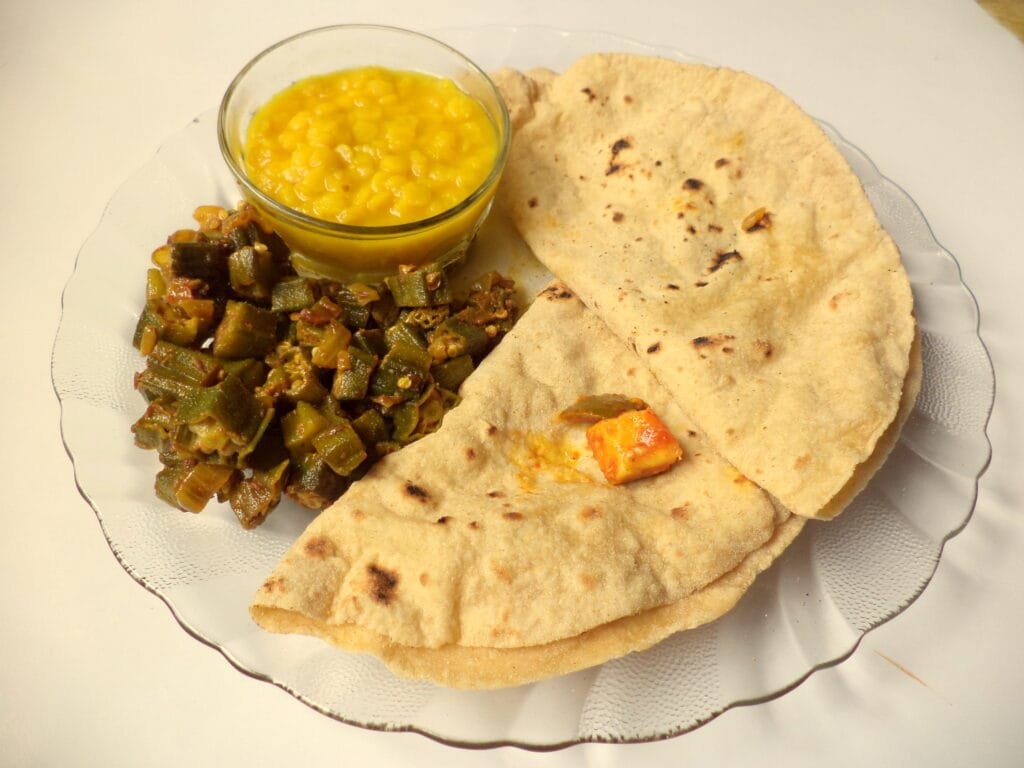
You do not need to eat raw salads all day to lower your blood pressure. Traditional Pakistani staples like dal, palak, and whole wheat roti can meet all DASH nutrient targets when prepared with limited oil and salt. Two medium whole-wheat rotis made from chakki atta provide about 300 milligrams of potassium, 120 milligrams of magnesium, and 11 grams of fiber. A standard bowl of cooked moong, masoor, or chana dal delivers between 400 and 500 milligrams of potassium.
These everyday foods provide the exact mineral synergy that makes the diet effective. Evidence suggests that a culturally adapted DASH diet is sustainable and effectively supports blood pressure management for the South Asian population over the long term.
Translating DASH Targets to Desi Foods
Local Pakistani vegetables and legumes naturally provide the rich mineral balance required by the DASH framework. Cooking standard seasonal sabzis with minimal cooking oil and measured salt allows you to meet daily potassium and magnesium goals easily.
Local vegetables such as tori, lauki, and tinda are significant sources of DASH-compliant minerals. For example, a 100-gram serving of raw palak contains 558 milligrams of potassium and 87 milligrams of magnesium. Lauki and tori provide essential potassium while naturally containing less than 3 milligrams of sodium per 100 grams.
| Local Food Item | Standard Serving | Potassium (milligrams) | Magnesium (milligrams) | Calcium (milligrams) | Sodium (milligrams) |
|---|---|---|---|---|---|
| Whole Wheat Roti | 2 medium rotis (chakki atta) | ~300 | ~120 | ~40 | <5. |
| Cooked Daal (Moong/Masoor) | 1 medium bowl (150 grams) | ~400–500 | ~60–80 | ~45 | <20. |
| Palak (Spinach Salan) | 100 grams raw portion | 558 | 87 | 73 | 58. |
| Lauki / Tori Sabzi | 100 grams raw portion | 140–155 | 11–14 | 18–20 | <3. |
| Plain Dahi (Yogurt) | 1 small bowl (100 grams) | 150–180 | 12–15 | 120–150 | 30–45. |
By cooking these vegetables as a simple salan with measured oil and a light hand on the salt, you hit your targets effortlessly. Using plain yogurt (dahi) adds about 150 milligrams of calcium per 100 grams, completing the required mineral profile. Adding these foods supports overall soluble fibre and gut health while keeping vascular pressure stable.
High-Sodium Culprits in the Pakistani Kitchen
While fresh Pakistani produce is naturally low in sodium, everyday culinary practices introduce excessive salt. Commercial boxed recipe mixes, bakery snacks, and unmeasured cooking salt represent the primary sodium traps in South Asian kitchens.
Hidden sodium in packaged masalas and bakery items is a major contributor to high sodium intake in South Asian diets. Studies indicate that the burden of disease attributable to high-sodium diets is rising rapidly in Pakistan, driven largely by commercial spice mixes and discretionary cooking salt. Boxed recipe mixes often contain heavy amounts of salt and MSG.

Substituting standard table salt and high-sodium condiments significantly reduces daily sodium intake. In New England Journal of Medicine trial data, researchers found a 14 percent drop in stroke risk when people used potassium-enriched salt substitutes instead of regular salt. However, salt substitutes containing potassium chloride must not be used without medical supervision if you have kidney disease or take specific blood pressure medications. The safest flavor upgrades involve making your own tadka with whole cumin (zeera), garlic (lehsan), ginger, and turmeric.
A Sample 3-Day Pakistani DASH Meal Plan
Transitioning to the DASH diet in Pakistan involves simple, practical adjustments to your regular breakfast, lunch, and dinner. Focusing on whole grains, fresh sabzis, and homemade tadkas maintains traditional flavors without excess sodium.

| Day | Breakfast | Lunch | Dinner |
|---|---|---|---|
| Day 1 | 1 whole wheat roti, 1 egg cooked in 1 tsp oil (read our guide on eggs and cholesterol), plain dahi | 1 bowl moong dal with garlic-zeera tadka, kachumber salad (lemon dressing) | Tori salan with 1 roti, fresh cucumber slices |
| Day 2 | Rolled oats cooked in low-fat milk or 1 boiled egg with whole wheat toast | 1 bowl chana dal with 1 whole wheat roti, fresh tomato and onion salad | Lauki salan prepared with light olive oil, 1 roti, plain dahi |
| Day 3 | 1 whole wheat roti with a small portion of bhindi sabzi, plain dahi | Masoor dal with brown rice or 1 roti, fresh green salad | Palak paneer or palak salan with minimal salt, 1 whole wheat roti |
Between meals, fresh seasonal fruits like guava, pomegranate, or apples provide extra fiber and potassium. To balance your overall energy intake, consult our guide on macronutrient daily requirements.
Frequently asked questions
Can I still eat roti and rice on the DASH diet in Pakistan?
Yes. Traditional Pakistani staples like dal, palak, and whole wheat roti can meet DASH nutrient targets when prepared with limited oil and salt. Whole wheat roti made from chakki atta is an excellent source of fiber, potassium, and magnesium.
How much salt is allowed daily on the DASH diet?
The World Health Organization recommends reducing sodium intake to under 2,000 milligrams per day, which is roughly equal to one level teaspoon of salt across all meals. For stricter cardiovascular protection, ACC/AHA guidelines set the optimal target at under 1,500 milligrams per day.
Which local Pakistani vegetables are best for high blood pressure?
Local vegetables like tori (ridge gourd), lauki (bottle gourd), tinda (apple gourd), and palak (spinach) are rich in potassium and magnesium while being naturally very low in sodium. Cooking them with measured oil and minimal salt makes them ideal for blood pressure management.
About the author
Dr. Amna Noor, Pharm-DCommunity Pharmacist, IMA Pharmacy Plus, Rahim Yar Khan
Community pharmacist in Rahim Yar Khan and co-founder of Life-Med Consultancy, a social enterprise for chronic disease management, with a focus on patient counselling and diabetes care.
View full profile and articlesAbout the medical reviewer

RD Saeed Ahmad, MSPHCo-founder and nutritionist, Nuritron
Nutritionist and public health researcher, and co-founder of Nuritron. Works in clinical and community nutrition, type 2 diabetes and One Health policy.
View full profile and articles