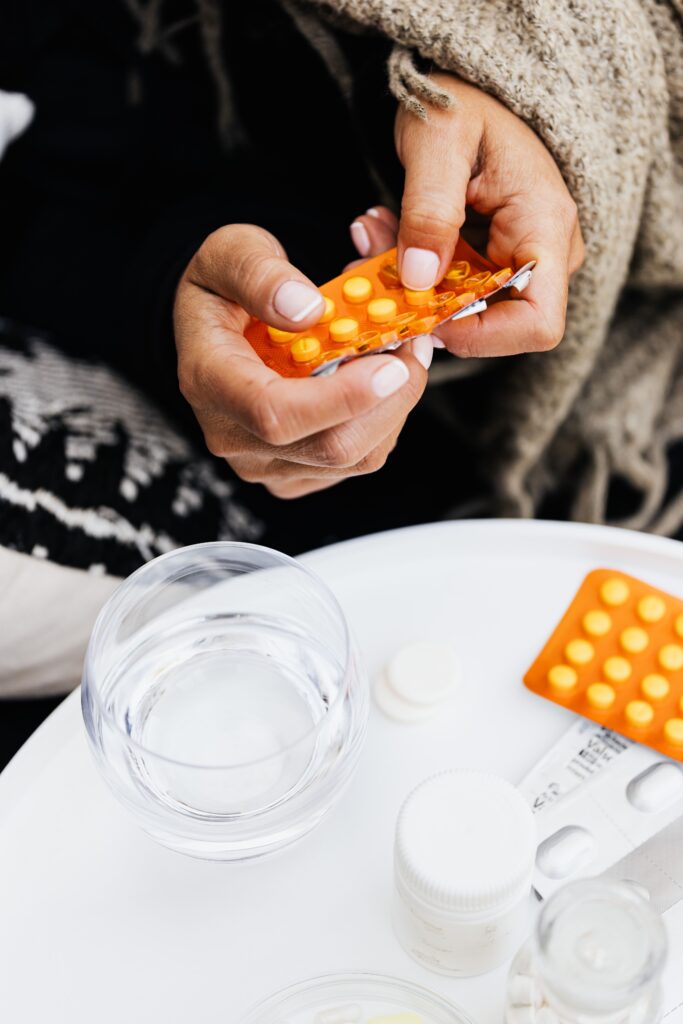
Understanding your diabetes medication food interactions is essential for keeping your blood sugar stable throughout the day. When you take medications like metformin or insulin, what you eat and when you eat it directly affects how well the drug works and how you feel.
Key takeaways
- Take metformin with your meals to reduce stomach upset and nausea.
- Never skip meals if you are taking sulfonylureas (like glimepiride) or insulin, as this can cause dangerously low blood sugar.
- Keep your meal times and carbohydrate intake consistent to help your medication work effectively.
- Always talk to your healthcare provider or pharmacist before changing how or when you take your medication.
How Diabetes Medication Food Interactions Affect Your Body
The food you eat changes how your body absorbs medication and how quickly your blood sugar rises. Taking pills on an empty stomach might cause them to work too quickly, while eating heavy meals can slow digestion down.
When you swallow any medicine, your digestive system has to break the pill down before the active ingredients can enter your bloodstream. The presence of food in your stomach changes this process completely. Sometimes food acts as a physical barrier that slows down absorption, which can be helpful if the medicine upsets an empty stomach. At other times, certain supplements can trap the medicine and stop it from entering your blood. For example, evidence suggests that taking concentrated fibre supplements at the exact same time as your medication can decrease how much of the drug your body absorbs. This means you should take fibre supplements at a different time of day, rather than avoiding fibre-rich whole foods like vegetables or whole grains.
Newer injectable medications change your digestion in a different way. Drugs like GLP-1 agonists actively slow down how fast your stomach empties its contents into your intestines. This slower digestion helps you feel full for longer, but it also creates physical side effects. Evidence indicates that these medications frequently increase stomach issues like nausea, constipation, and diarrhoea. Because of this slower emptying process, you need careful dietary management to feel comfortable while taking them. Eating a massive plate of food will leave you feeling overly full and sick because your stomach cannot process the volume quickly enough.
Metformin: The Best Time to Take It and Foods to Avoid
You should always take metformin with your meals to reduce stomach upset. Taking it on an empty stomach is the most common reason people experience nausea and stomach pain.
Metformin is the most widely prescribed diabetes medication in the world. It is highly effective at lowering blood sugar, but it is famous for causing stomach upset when you first start taking it. The official manufacturer instructions state that you must take metformin twice daily with your meals. Taking the tablet with your morning breakfast or evening dinner gives your stomach a physical cushion of food. This cushion stops the medicine from irritating your stomach lining directly.
If you are just starting this medication, your doctor will likely begin with a lower amount and increase it slowly over several weeks. This gradual adjustment helps reduce the chances of experiencing severe stomach cramps and diarrhoea. You do not need to avoid specific Pakistani foods like roti, dal, or sabzi while on metformin. The most important rule is simply making sure you have a proper meal in your stomach when you swallow the tablet. A cup of chai and a single rusk does not count as a meal. You need a proper breakfast, such as an egg with wholewheat bread or a small paratha, to properly protect your stomach from the side effects.
Sulfonylureas (Glimepiride, Gliclazide) and Skipping Meals
Skipping a meal after taking a sulfonylurea medication can cause your blood sugar to drop dangerously low. You must eat your meal soon after taking the tablet.
Medications like glimepiride belong to a group of drugs called sulfonylureas. These drugs tell your pancreas to release more insulin into your blood, regardless of whether you have eaten or not. If you take your morning tablet but then get busy and delay your lunch, the extra insulin will still be released. This insulin will push your blood sugar down rapidly. Evidence confirms that using sulfonylureas carries a significantly higher risk of causing low blood sugar compared to newer diabetes medications.
This risk becomes especially severe if you are fasting for Ramadan or skipping meals for other reasons without adjusting your treatment plan. Your blood sugar can drop to levels that cause shaking, sweating, confusion, and even fainting. You must also be very careful about what you drink. The official safety information warns that low blood sugar is much more likely to happen if you drink alcohol while taking glimepiride. Your risk of a severe crash also increases if your overall calorie intake is very low or if you have been exercising heavily. Always carry a quick source of sugar, like a date or a small juice box, in your pocket or bag in case you feel dizzy or weak.
Insulin: Matching Your Doses With Carbohydrates
When you use rapid-acting insulin, you must time your injection closely with your meal. Taking it at the wrong time can cause a sudden blood sugar crash.
Insulin works by moving the sugar from your food out of your blood and into your cells where it can be used for energy. If you inject insulin but do not eat carbohydrates like rice or roti, your blood sugar will drop too low. Evidence suggests that taking rapid-acting insulin 15 to 20 minutes before a meal provides better blood sugar control and causes fewer crashes compared to taking it immediately before or after you eat.
This exact timing gives the insulin enough time to start working just as the sugar from your food begins entering your blood. This means you need to have your meal ready on the table before you inject. If you take your insulin and then wait 45 minutes for the salan to finish cooking on the stove, you put yourself at risk of a dangerous blood sugar drop. Always match your carbohydrate portion to the amount your doctor has prescribed. If you normally eat two rotis and take a specific amount of insulin, you cannot suddenly eat only half a roti without speaking to your doctor first. Try to keep your meal times consistent from day to day so your body gets into a predictable routine.
3 Common Pakistani Diet Mistakes to Avoid on Medication
Managing diabetes medication food interactions correctly requires adjusting your daily habits. Here are three common mistakes people make with a typical Pakistani diet that you can easily fix.
First, delaying breakfast after taking glimepiride. Many people take their morning tablet and then wait for an hour while preparing breakfast or getting ready for work. This delay gives the medication too much time to work on an empty stomach, leading to dizziness before the paratha is even ready. You should take the tablet just before you sit down to eat.
Second, taking metformin with only a cup of tea. In many Pakistani households, breakfast is just a cup of strong tea and a biscuit. This is not enough food to protect your stomach from metformin side effects. You need a proper meal containing protein and complex carbohydrates, such as eggs and a slice of wholewheat bread, to avoid nausea and stomach pain.
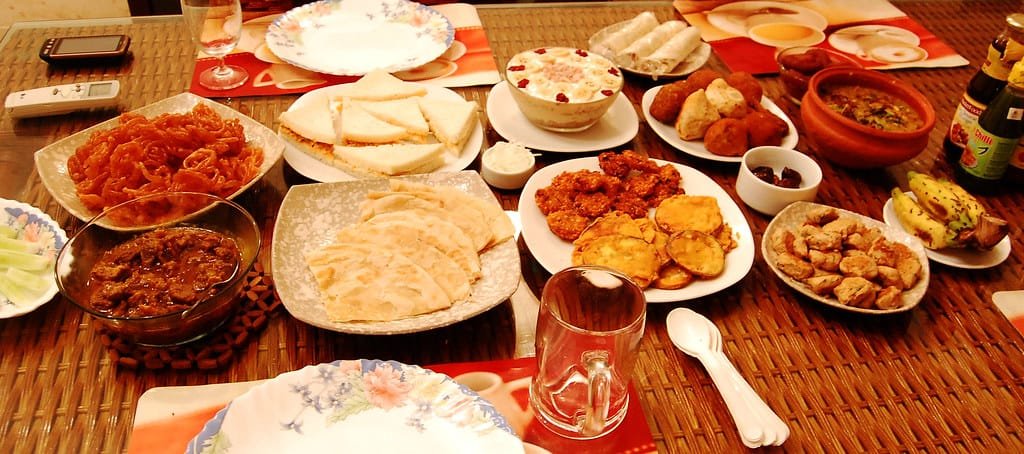
Third, eating very large, heavy meals at weddings or family gatherings when using GLP-1 medications. Because these injectable medications slow down your digestion, eating a massive portion of biryani or oily qorma will leave you feeling overly full and sick. Your stomach simply cannot empty the large volume of heavy food quickly enough. To avoid this discomfort, stick to smaller portions, choose baked or grilled options instead of deep-fried items, and chew your food slowly to help your digestion keep up.
[!WARNING] This article provides educational information about food and nutrition. Do not change or stop your medication based on this article. Always consult your healthcare provider or pharmacist before altering your diabetes management plan.
Frequently asked questions
Should I take my medicine before or after meals to avoid diabetes medication food interactions?
This depends entirely on the specific medicine you are taking. You should take metformin with meals to avoid stomach upset and nausea. On the other hand, medications like glimepiride are usually taken just before a meal to stop your blood sugar from crashing before you eat. Always check the printed instructions on your specific prescription box or ask your pharmacist for clear timing rules.
Does green tea or coffee interfere with metformin?
There is no direct evidence that normal amounts of green tea or coffee stop metformin from working. However, drinking very large amounts of strong caffeine on an empty stomach can sometimes irritate your digestive system. If you are already experiencing a stomach upset from taking metformin, drinking strong coffee might make the stomach pain and discomfort feel worse.
What happens if I miss a meal after taking glimepiride?
If you take a medication like glimepiride and then skip your meal, your blood sugar can drop to dangerously low levels. This dangerous condition is called hypoglycaemia. When this happens, you might feel shaky, incredibly sweaty, confused, and dizzy. You must eat consistently when taking this medication and never skip a planned meal.
Is it safe to fast while on these medications?
Fasting while taking certain diabetes medications can be very dangerous. Drugs like glimepiride and insulin can cause severe low blood sugar if you do not eat for long periods. You must speak to your doctor well before Ramadan or any fast to get a safe, adjusted medication plan. They might need to alter your plan or switch your medication entirely to keep you safe while you fast.
About the author
Dr. Amna Noor, Pharm-DCommunity Pharmacist, IMA Pharmacy Plus, Rahim Yar Khan
Community pharmacist in Rahim Yar Khan and co-founder of Life-Med Consultancy, a social enterprise for chronic disease management, with a focus on patient counselling and diabetes care.
View full profile and articles