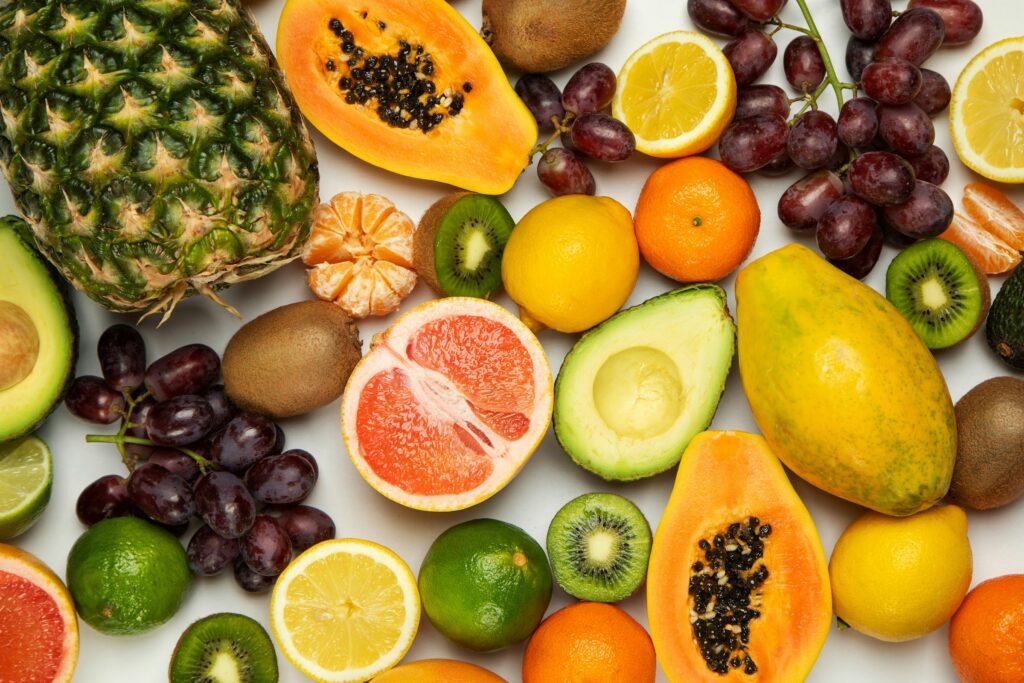
Finding reliable information about fruits for diabetes can feel overwhelming when conflicting advice tells you to avoid all sweet foods entirely. Eating fresh whole fruits for diabetes provides essential dietary fiber, protective antioxidants, and vital micronutrients that support long-term metabolic health when consumed in appropriate portions. At Nuritron, our clinical nutrition team bridges the gap between laboratory evidence and the realities of a Pakistani kitchen.
You do not need to give up your favorite seasonal produce or follow extreme zero-carbohydrate restrictions to maintain steady blood glucose control. Learn how glycemic load, portion sizing, and meal pairings influence your body. With these practical tools, you can safely enjoy seasonal Pakistani fruits like amrood, jamun, and even aam without experiencing severe blood sugar spikes.
Key takeaways
- People with diabetes do not need to eliminate fruit; whole fresh fruit delivers dietary fiber, vitamins, and antioxidants that support metabolic health.
- Focus on glycemic load rather than glycemic index alone, because serving size and water content determine how a fruit affects your blood sugar.
- Prioritize low-glycemic Pakistani fruits such as guava (amrood), jamun, apples (saib), and citrus (malta, kinnu) for daily snacks.
- Enjoy denser seasonal fruits like mangoes (aam), chiku, and bananas in measured fifteen-gram carbohydrate portions, such as half a fruit.
- Always choose intact whole fruit over strained fruit juices or smoothies to keep natural dietary fiber and avoid rapid glucose absorption.
- Pair fruit portions with dietary protein or healthy fats like roasted chana, raw almonds, or plain dahi to blunt post-meal blood sugar surges.
- Monitor your personal postprandial glucose response two hours after eating fruit to understand your unique carbohydrate tolerance.
Can People with Diabetes Eat Fruit?
Yes, people with diabetes can safely eat whole fresh fruit every day. Fresh fruit provides dietary fiber, polyphenols, and essential micronutrients that slow carbohydrate absorption and protect heart health. The secret lies in choosing whole fruits over juices, managing your portion sizes, and balancing fruit carbohydrates with protein or healthy fats.
In many Pakistani households, a diagnosis of type 2 diabetes is met with immediate, drastic dietary bans. Family elders and well-meaning friends often insist that every sweet fruit is dangerous, demanding that patients cut out fruit completely. This binary thinking is medically unfounded and deprives individuals of vital protective nutrients. For broader foundational guidance on managing daily meals across Pakistan, explore our comprehensive guide on type 2 diabetes diet in Pakistan.
A systematic review and dose-response meta-analysis evaluated nine prospective cohort studies with 75,082 adults with type 2 diabetes. Higher fruit intake was associated with an 18 percent lower risk of all-cause mortality and a 10 percent lower risk of cardiovascular mortality. The same meta-analysis found that adding 200 grams daily of combined fruits and vegetables was associated with a 26 percent reduction in all-cause mortality.
These findings are reinforced by large-scale clinical evidence from Asia. The landmark China Kadoorie Biobank prospective study evaluated 30,300 adults with established diabetes. Participants who consumed fresh fruit daily showed a 17 percent lower risk of all-cause mortality and fewer diabetes complications. Daily fresh fruit intake was associated with a 28 percent lower risk of microvascular complications like kidney disease and retinopathy. It also carried a 13 percent lower risk of major cardiovascular events. Intact whole fruit delivers durable cardiovascular and microvascular benefits.
The physiological explanation lies in the complex cellular matrix of whole fruit. In whole fruit, simple sugars like fructose and glucose remain trapped inside plant cells. These cells are enclosed by insoluble plant walls, viscous soluble fiber, water, and bioactive polyphenols. This structural food matrix requires mechanical chewing and enzymatic digestion. That process significantly delays stomach emptying and slows glucose absorption in your small intestine. Clinical nutrition trials show that replacing other dietary energy sources with whole fruit can reduce glycated hemoglobin (HbA1c) by 0.19 percent.
Longitudinal data from 187,382 adults followed over decades confirm this protection. Consuming three servings weekly of whole fruits was associated with a significantly lower risk of developing type 2 diabetes. In randomized controlled trials, dietary patterns focusing on low-glycemic plant foods reduced two-hour post-meal glucose by 1.90 mmol/L and improved glycemic control. When you eat fruit in its whole form, your body digests sugars gradually. This steady breakdown avoids the steep glucose surges triggered by bakery biscuits, mithai, or sweetened tea.
Glycemic Index vs Glycemic Load: Why Serving Size Changes Everything
Glycemic index measures how quickly a carbohydrate food raises blood sugar, while glycemic load accounts for the actual portion size and water content you eat. High-water fruits like watermelon have a high glycemic index but a low glycemic load, meaning normal serving sizes will not cause sharp post-meal blood glucose spikes.
To navigate fruit selection wisely, you must understand the distinction between Glycemic Index (GI) and Glycemic Load (GL). The Glycemic Index ranks carbohydrate foods on a scale from 0 to 100. It measures how rapidly 50 grams of available carbohydrate from a food raises blood glucose compared to pure glucose. Foods with a GI of 55 or lower are low-GI, foods from 56 to 69 are moderate-GI, and foods scored at 70 or above are high-GI. You can read our detailed breakdown on the glycaemic index of common Pakistani foods to see how local staples compare.
However, Glycemic Index has a major clinical limitation: it evaluates an arbitrary 50 grams of carbohydrate rather than a realistic household serving. This is where Glycemic Load becomes the far more useful practical tool. Glycemic Load is calculated by multiplying a food’s Glycemic Index by the actual amount of available carbohydrate in a normal serving, divided by 100. A GL of 10 or less is considered low, 11 to 19 is moderate, and 20 or higher is high.
Consider the classic example of watermelon (tarbooz), a beloved summer fruit across Punjab, Sindh, and Khyber Pakhtunkhwa. International tables of glycemic index values demonstrate that watermelon carries a high Glycemic Index of 72 to 76. On paper, this number alarms many people with diabetes. Yet watermelon is over 90 percent water. A standard 120-gram cup of diced watermelon contains only 6 grams of available carbohydrate, yielding a Glycemic Load of just 4 to 5. A single cup of watermelon has a minimal glycemic impact because the total carbohydrate quantity per serving is exceptionally low.
According to official meal planning guidelines from the Centers for Disease Control and Prevention (CDC), one standard carbohydrate serving for diabetes management contains approximately 15 grams of available carbohydrate. For high-water fruits like diced watermelon or melon, a 15-gram carbohydrate portion equals roughly one full cup of cubed fruit. Understanding glycemic load empowers you to evaluate foods based on realistic plate portions rather than misleading theoretical index scores.
Selecting fruits that possess both a low Glycemic Index and a low Glycemic Load produces measurable clinical improvements. A meta-analysis of 54 randomized controlled trials in adults with diabetes evaluated low-GI diets. Researchers showed that low-GI dietary patterns effectively reduce glycated hemoglobin (HbA1c), fasting blood glucose, and body mass index. The greatest reductions occurred in trials with the longest intervention periods. This demonstrates that consistent low-GI habits yield durable metabolic benefits.
Recent clinical meta-analyses evaluating breakfast meal compositions confirm these advantages. In 25 randomized trials, replacing high-GI foods with low-GI carbohydrates lowered two-hour postprandial blood glucose by 1.90 mmol/L and reduced HbA1c by 0.52 percent. By selecting low-GI fruits and controlling portion sizes, you can stabilize your glucose curves without giving up fruit.
The Best Low-GI Fruits for Diabetes in Pakistan
The best fruits for diabetes in Pakistan are low-glycemic, fiber-rich choices such as guava (amrood), jamun, apples, and citrus fruits like oranges and malta. These local fruits release natural sugars gradually into your bloodstream, prevent sudden glucose surges, supply protective antioxidants, and fit seamlessly into traditional Pakistani daily meals and snacks.
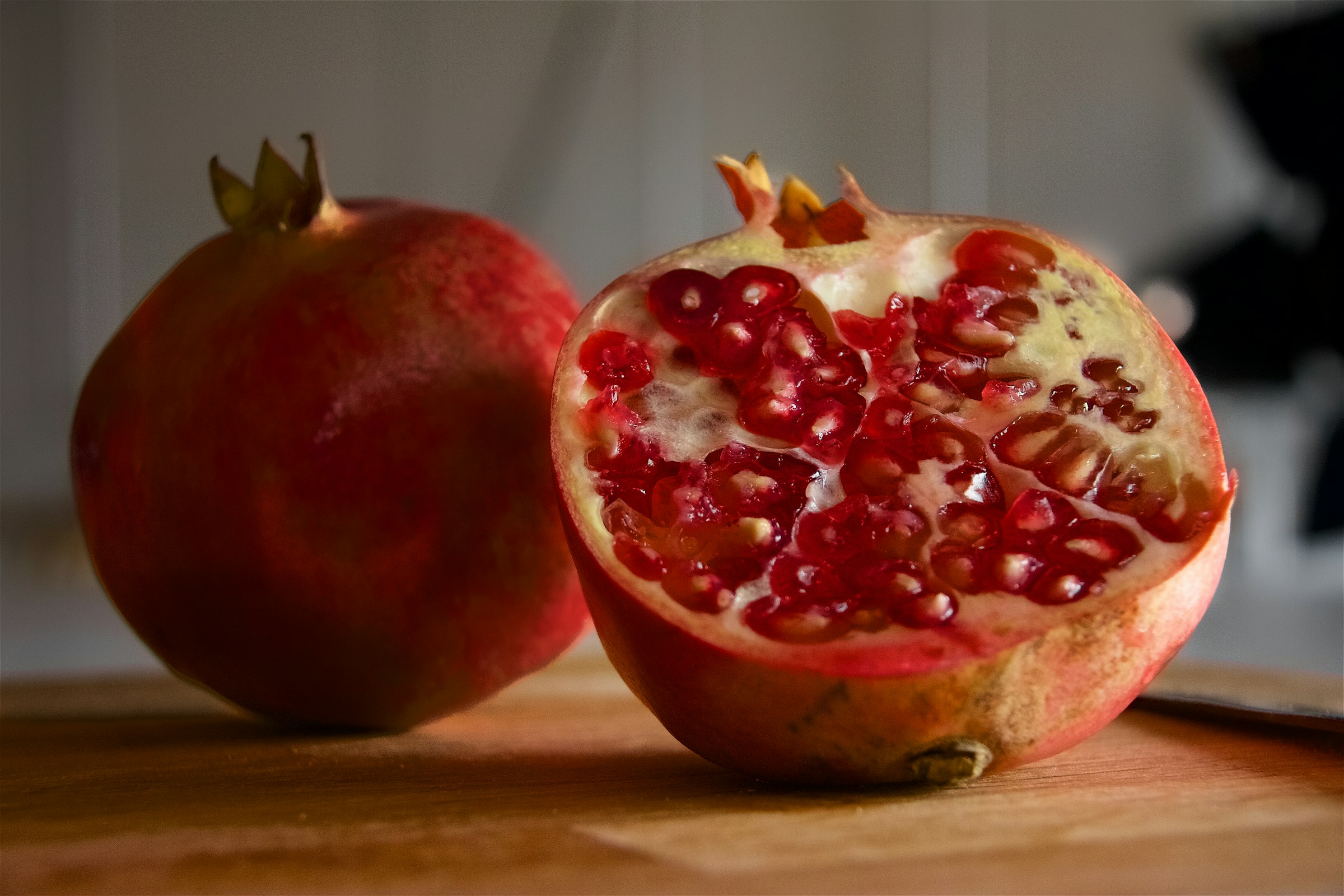
Pakistan produces an abundant variety of nutrient-dense fruits with low glycemic indices and high dietary fiber. Integrating these local staples into your daily routine provides consistent metabolic stability.
Guava (amrood) stands out as an exceptional fruit for diabetes management in Pakistan. Fresh guava has a low Glycemic Index of 12 to 31, yielding a minimal Glycemic Load of 1 to 4. Nutritional research from the University of Agriculture Faisalabad highlights its dense nutrient profile. Every 100 grams of fresh guava provides 14 grams of carbohydrates balanced by 5.4 grams of dietary fiber, 2.6 grams of plant protein, and 200 to 400 milligrams of vitamin C.
Clinical feeding trials in adults with diabetes showed that eating red guava produced a 33 mg/dL drop in postprandial glucose levels. Eating a whole raw amrood with its peel and seeds supplies viscous pectin fiber that coats your intestinal wall and delays sugar absorption.
Citrus fruits such as sweet orange (malta), local mandarin (kinnu), and mosambi are widely available during Pakistani winters. International testing establishes that fresh oranges possess a low Glycemic Index of 43 and a low Glycemic Load of 5. Whole citrus delivers soluble fiber and flavanone polyphenols that support cellular insulin sensitivity. Similarly, fresh apples (saib), commonly grown in Balochistan and Swat, carry a low Glycemic Index of 36 and a Glycemic Load of 5. Pectin in whole apples forms a gel-like consistency in the stomach, promoting satiety and steady post-meal glucose readings.
Jamun (Syzygium cumini), also known as the black plum, is revered in Pakistani folk tradition during the monsoon months of July and August. Popular folklore frequently claims that jamun can “cure” diabetes or that individuals can consume unlimited amounts of jamun fruit and seed powder. However, rigorous clinical research presents a more nuanced reality. A systematic review and meta-analysis of 13 randomized controlled trials encompassing 802 participants revealed that Myrtaceae interventions, including Syzygium cumini, produced a modest reduction in fasting plasma glucose of 14.40 mg/dL.
Crucially, the meta-analysis found that jamun preparations did not produce statistically significant reductions in two-hour postprandial blood glucose or long-term glycated hemoglobin (HbA1c). Evidence suggests that while fresh jamun is a safe, healthy low-GI seasonal fruit, it should be regarded as an unproven dietary adjunct rather than a proven medical therapy or cure. You should enjoy fresh jamun as a refreshing snack, but never rely on jamun fruit or seed powders to replace your prescribed oral hypoglycemic medications or insulin.
The table below outlines the nutritional profile, glycemic impact, and practical household portion sizes for common Pakistani fruits.
| Fruit (Local Name) | Glycemic Index (GI) | Glycemic Load (GL) | Serving Size (15g Carbs) | Fiber per Serving | Practical Dietary Guidance |
|---|---|---|---|---|---|
| Guava (Amrood) | Low (12–31) | Low (1–4) | 1 medium fruit (120g) | ~5.4g | Eat whole with skin and seeds for maximum blood sugar stability. |
| Jamun (Black Plum) | Low (~25–30) | Low (~2) | 1/2 to 3/4 cup (100g) | ~1.5g | A healthy seasonal snack, but it does not replace prescribed medicine. |
| Apple (Saib) | Low (36) | Low (5) | 1 small apple (120g) | ~4.4g | High soluble pectin fiber; enjoy with skin intact alongside nuts. |
| Orange (Malta / Kinnu) | Low (43) | Low (5) | 1 medium orange (130g) | ~3.1g | Rich in vitamin C; eat the whole fruit rather than squeezed juice. |
| Watermelon (Tarbooz) | High (72–76) | Low (4–5) | 1 cup diced cubes (120g) | ~0.6g | Safe due to low carbohydrate density; avoid giant multi-cup bowls. |
| Mango (Aam: Dasheri/Langra) | Moderate (51–60) | Moderate (9–11) | 1/2 small fruit (80g) | ~1.6g | Eat in strict portions after a protein-rich meal; avoid milkshakes. |
| Banana (Kela) | Low-Moderate (48–51) | Moderate (11–13) | 1/2 medium banana (60g) | ~1.5g | Choose slightly greenish bananas; pair with walnuts or roasted chana. |
| Dates (Khajoor) | Low-Moderate (42–55) | Moderate (8–12) | 1 to 2 small dates (20g) | ~1.6g | Dense carbohydrate concentration; limit to 1–2 dates at Sehri or Iftar. |
Fruits for Diabetes That Require Strict Portion Control
Sweet Pakistani fruits like mangoes (aam), chiku, ripe bananas, grapes, and dried dates require strict portion control because of their concentrated carbohydrate density. You do not need to eliminate these cultural favorites entirely, but you must limit servings to fifteen grams of available carbohydrate, such as half a mango or banana.
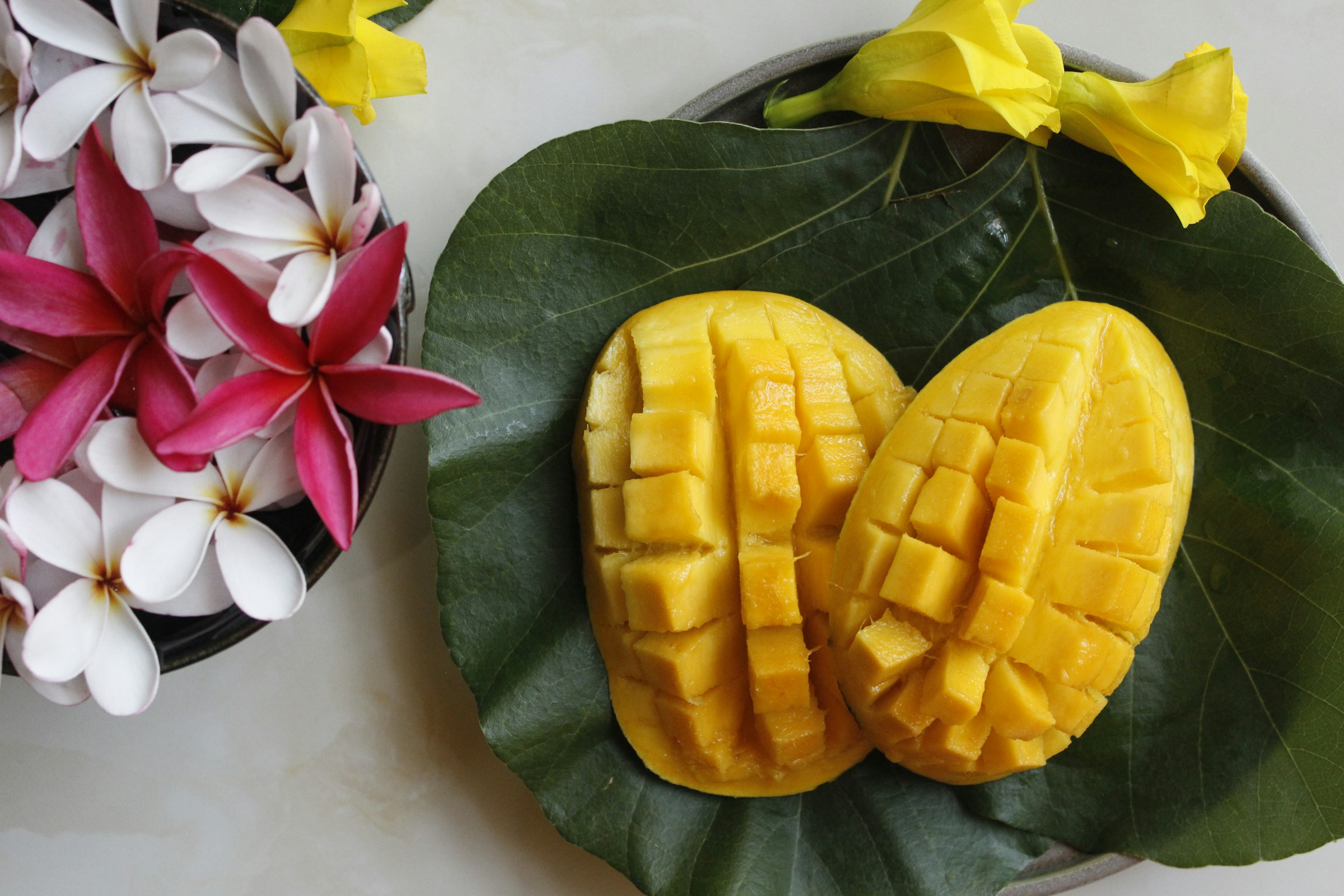
During the Pakistani summer, mango season brings varieties like Chaunsa, Sindhri, Dasheri, Langra, and Anwar Ratol into every home. Many doctors and relatives tell people with diabetes that mangoes are strictly forbidden. However, recent clinical evidence demonstrates that complete prohibition is unnecessary when strict portion control is applied.
A pilot crossover trial evaluated 95 South Asian adults, including 45 participants with type 2 diabetes. Researchers tracked real-time continuous glucose monitoring (CGM) responses to popular mango cultivars like Dasheri, Langra, and Safeda. The study revealed that under portion-controlled conditions, eating mango produced a glycemic profile comparable to or lower than white bread in diabetic volunteers. Moreover, the Mean Amplitude of Glycemic Excursions (MAGE), which reflects sharp glucose swings, was significantly lower after consuming mango than after eating bread.
Evidence indicates that people with type 2 diabetes can safely enjoy mangoes in calorie-controlled diets, provided portions remain small. The CDC meal planning framework defines one standard fruit carbohydrate serving as 15 grams of available carbohydrate. For a ripe mango, 15 grams of carbohydrate equals about 80 grams of fruit flesh. That equals half of a small mango or three to four thin slices. Eating two or three large whole mangoes at once floods your bloodstream with 60 to 90 grams of simple sugars. That overconsumption triggers severe post-meal hyperglycemia.
Similar portion discipline applies to bananas (kela) and chiku (sapodilla). Testing shows ripe bananas have a moderate Glycemic Index of 48 to 51 and a Glycemic Load of 11 to 13. As bananas ripen and develop brown spots, resistant starch converts into free sucrose, glucose, and fructose. For a person with diabetes, half a medium banana provides approximately 15 grams of carbohydrate. Slightly green, firm bananas contain more prebiotic resistant starch, which digests slowly. Chiku is exceptionally sweet and dense. Limit your intake to a single small fruit (about 60 grams) eaten alongside a handful of raw nuts.
Dried fruits present a hazard for blood glucose control when portions are not measured. During drying, water evaporates, concentrating natural sugars into a compact volume. An acute randomized feeding trial examined the carbohydrate density of dried fruits. Researchers found that dried dates (khajoor) consist of 64.3 percent available carbohydrate by weight. That means just 38.9 grams of dates supplies 25 grams of available carbohydrate and 4 grams of fiber. For an in-depth analysis on incorporating dates safely into your diet, read our comprehensive guide on dates and diabetes.
Dried fruits like dates, raisins (kishmish), and dried figs (anjeer) retain valuable micronutrients. They often carry low-to-moderate glycemic indices, but their concentrated sugars mean a normal handful can easily spike blood sugar. The CDC meal planning framework notes that a 15-gram carbohydrate serving of dried fruit is just two level tablespoons, or one to two small dates. During Ramadan at Sehri or Iftar, break your fast with a single small date and water. Avoid eating multiple large dates that overwhelm your glycemic defenses.
Why Fruit Juice, Smoothies, and Dried Fruits Spike Blood Sugar Faster
Fruit juices, smoothies, and dried fruits spike blood sugar rapidly because mechanical processing removes or crushes the insoluble cellular matrix and dietary fiber. Without an intact fiber structure to slow gastric emptying, liquid fruit sugars enter the bloodstream almost immediately, resulting in elevated postprandial glucose levels and greater long-term metabolic strain.
In cities across Pakistan, roadside stalls and family kitchens frequently promote fresh fruit juices as the pinnacle of healthy living. Whether it is freshly squeezed malta juice, pomegranate (anar) juice, or mango milkshakes blended with condensed milk, liquid fruits are perceived as nutritious tonics. For someone with diabetes or prediabetes, however, juicing transforms a wholesome food into a rapid metabolic liability.
When you squeeze an orange or apple to make juice, you strip away the structural plant cell walls and discard the insoluble dietary fiber pulp. Even when making a home smoothie where the pulp remains in the blender, high-speed steel blades pulverize the physical cellular matrix into microscopic particles. In intact fruit, the physical structure forces your digestive enzymes to work gradually, releasing sugars over hours. In liquid form, free fructose and glucose pass through the stomach rapidly and enter the bloodstream in minutes.
A landmark prospective cohort study analyzed 187,382 healthcare professionals over decades. The study demonstrated a stark metabolic divergence between whole fruit and fruit juice. Each three-serving-per-week increase in whole fruit was associated with a lower risk of type 2 diabetes. In contrast, drinking the same amount of fruit juice was associated with an 8 percent increased risk of developing diabetes. Replacing three servings weekly of fruit juice with whole fruits like oranges, apples, and peaches reduced diabetes risk by 8 to 18 percent.
Recent systematic reviews confirm that liquid fruit lacks the metabolic protections offered by whole fruit. A 2025 meta-analysis of 14 prospective cohort studies investigated fruit juice consumption. Researchers found that 100 percent fruit juice offers no beneficial protection against type 2 diabetes, while juice drinks with added sugar increase diabetes risk by 15 percent. In Asian populations, habitual fruit juice intake was associated with a 17 percent increased risk of type 2 diabetes.
Consider the volume required to produce a single eight-ounce glass of fresh orange juice. It takes four to five whole oranges to produce one glass. While you would rarely sit down and eat four whole oranges at once due to the filling satiety of their fiber, you can drink the juice in under two minutes. That single glass delivers 25 to 30 grams of free sugars with zero chewing and minimal fiber resistance, causing an immediate, steep postprandial glucose spike. If you enjoy sweetened hot beverages or cold drinks, consider exploring sugar substitutes in Pakistan as a non-caloric alternative rather than turning to fruit syrups or juices.
Practical Rules for Eating Fruit Safely with Diabetes
To eat fruit safely with diabetes, consume fruit whole with its edible skin, stick to fifteen-gram carbohydrate portions, and always pair your serving with protein or healthy fats like almonds or unsweetened dahi. Eating fruit during active daytime hours rather than late at night reduces the risk of prolonged nocturnal blood glucose elevations.
Managing blood glucose does not require deprivation. By applying practical nutrition strategies rooted in physiological science, you can enjoy fruit safely while maintaining tight metabolic control. For a structured look at how fruit fits into a full day of eating, see our 1 day meal plan for type 2 diabetes using Pakistani foods.
The first essential strategy is macronutrient pairing. Never eat a fruit serving on its own as an isolated carbohydrate snack. Combining fruit carbohydrates with dietary protein, healthy fats, or viscous fiber delays stomach emptying and slows intestinal glucose absorption. A meta-analysis of 25 randomized controlled trials evaluated meal macronutrient adjustments. Researchers demonstrated that adding protein and legumes to meals significantly reduced two-hour post-meal glucose by 1.90 mmol/L and lowered HbA1c by 0.52 percent.
The second strategy is food ordering. A systematic review of clinical trials investigated macronutrient sequencing. Consuming dietary protein, healthy fat, or dietary fiber before carbohydrates consistently blunted post-meal glycemic surges in individuals with diabetes. This carbohydrate-last sequence stimulated higher secretions of glucagon-like peptide-1 (GLP-1) and gastric inhibitory polypeptide (GIP). These gut hormones enhance insulin release and slow stomach emptying.
In practical terms for a Pakistani kitchen, you can apply these principles through simple, delicious combinations:
- Pair one small chopped amrood with a small fistful (about 30 grams) of roasted black chickpeas (bhuna chana).
- Enjoy three or four thin slices of summer mango immediately following a balanced lunch of kachumber salad, chicken shorba, and one chakki roti.
- Combine a small sliced apple with eight to ten raw almonds or four walnut halves.
- Mix half a cup of diced seasonal melon with half a cup of plain, unsweetened homemade dahi (curd) sprinkled with roasted cumin.
Timing also matters. Eat your fruit portion during mid-morning or mid-afternoon when you are physically active, or incorporate it as a dessert right after your main midday meal. Avoid eating fruit late at night right before going to bed. During sleep, your physical metabolic rate drops, and nocturnal glucose clearance slows down, meaning late-night fruit carbohydrates can produce elevated fasting blood sugar readings the following morning.
If you take diabetes medication or insulin, check your blood glucose response when introducing different fruits. Speak to your doctor or healthcare provider before making major changes to your carbohydrate intake. Do not change or stop your medication without talking to your doctor first. Every individual exhibits a unique glycemic response, and only your physician can safely adjust your medical care.
Actionable Steps for Your Kitchen This Week
You can build a safe fruit routine by making simple pantry swaps, measuring your fruit servings, and checking your personal postprandial glucose response with a home blood sugar meter. Working alongside your healthcare provider ensures your carbohydrate intake matches your medication plan while allowing you to enjoy delicious seasonal Pakistani fruits.
Transitioning from confusing dietary restrictions to a confident, evidence-based routine takes small, consistent steps. Here are three practical actions you can take in your home this week:
- Audit Your Household Fruit Habits:
Examine how fruit is currently consumed in your family. Remove commercial fruit juices, packaged nectars, and bottled squashes from your kitchen. Replace the habit of drinking fresh juice with eating whole, unpeeled seasonal produce. Keep a fruit bowl stocked with washed amrood, local apples, and citrus fruits so that healthy, low-GI choices are immediately visible and convenient.
- Establish Standard Portion Bowls:
Invest in a simple kitchen measuring cup or designate a specific small bowl for fruit servings. Measure out your 15-gram carbohydrate portions: one small whole fruit, one level cup of cubed watermelon, or half a small mango. Prepare small containers of raw almonds, walnuts, and roasted black chana so that you always have a protein pairing ready whenever you crave fresh fruit.
- Test Your Blood Sugar Response:
Use your home glucometer to measure your blood glucose immediately before eating a fruit portion and exactly two hours after your first bite. Record the specific fruit variety, portion size, and any accompanying foods in a notebook. This objective data reveals exactly how your body responds to local fruits, giving you total peace of mind.
Frequently asked questions
What are the best fruits for diabetes to eat daily in Pakistan?
The best fruits for diabetes to eat daily in Pakistan are low-glycemic, fiber-rich choices including guava (amrood), jamun, apples (saib), sweet oranges (malta), and mandarins (kinnu). These fruits contain soluble fiber and polyphenols that slow carbohydrate digestion, preventing sharp post-meal blood sugar surges when eaten in standard 15-gram carbohydrate portions.
Can a diabetic eat mangoes during the summer in Pakistan?
Yes, individuals with diabetes can safely eat mangoes during the summer if they practice strict portion control. Clinical research demonstrates that a portion-controlled serving of mango produces blood sugar responses similar to white bread. Limit your serving to half of a small mango (about 80 grams) and pair it with a handful of raw almonds or plain dahi.
Does jamun cure diabetes or significantly lower blood sugar?
No, jamun does not cure diabetes. While clinical trials show that jamun seed extracts produce a modest decrease in fasting blood glucose, research confirms they do not produce significant reductions in post-meal glucose or HbA1c. Fresh jamun is a wholesome low-GI fruit, but it cannot replace your prescribed diabetes medications.
Why is watermelon considered safe if its glycemic index is high?
Watermelon is safe for diabetes in moderate amounts because of its low glycemic load. Although its glycemic index is high at 72 to 76, watermelon consists of more than 90 percent water. A standard one-cup serving contains only 6 grams of carbohydrate, which produces a very mild impact on post-meal blood sugar.
Can people with diabetes drink fresh, unsweetened fruit juice?
No, individuals with diabetes should avoid both commercial and fresh unsweetened fruit juice. Juicing strips away the beneficial plant fiber matrix that slows sugar absorption. Liquid fruit sugars enter the bloodstream rapidly, causing steep glucose spikes. Cohort studies link regular fruit juice consumption to increased diabetes risk.
What is the safest time of day for someone with diabetes to eat fruit?
The safest time to eat fruit is during daytime active hours, such as mid-morning or mid-afternoon, or directly following a balanced meal with protein and vegetables. Avoid eating fruit right before bed, as nocturnal metabolic slowdown can result in elevated fasting blood sugar levels the next morning.