Creating a diet plan for type 2 diabetes pakistan residents can easily follow does not mean you have to give up your cultural foods. The most effective approach focuses on portion control, balancing your plate, and substituting refined flours with whole foods. If your blood tests show borderline levels, learn how to [reverse prediabetes](https://nuritron.com/can-you-reverse-prediabetes-with-diet/) before it progresses.
Key takeaways
- Focus on the “plate method” with desi examples: fill half your plate with sabzi, a quarter with daal or meat, and a quarter with chakki roti.
- Do not make sudden carbohydrate changes without consulting a doctor if you are on insulin or sulfonylureas.
- Fiber from vegetables and whole grains is your best tool for slowing down sugar absorption in your body.
The Pakistani Plate Method for Diabetes
Managing your daily meals starts with how you fill your plate, not just what you remove from it. Evidence suggests the Diabetes Plate Method is a widely recommended, practical tool for basic meal planning for individuals with type 1 and type 2 diabetes.
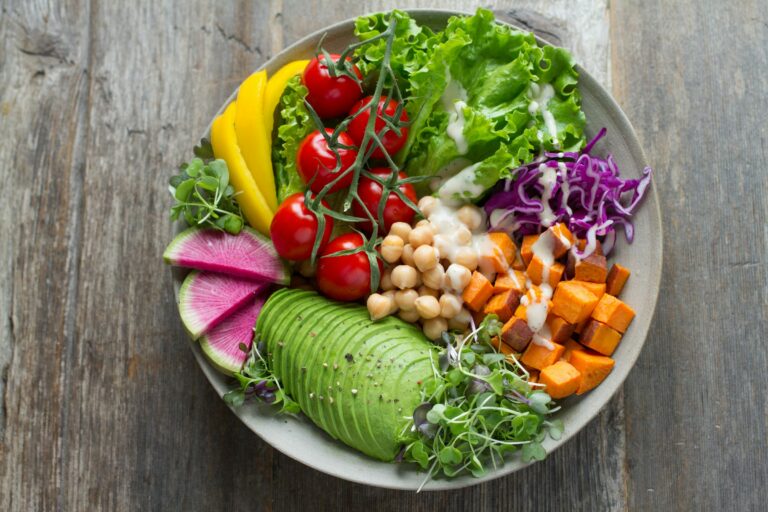
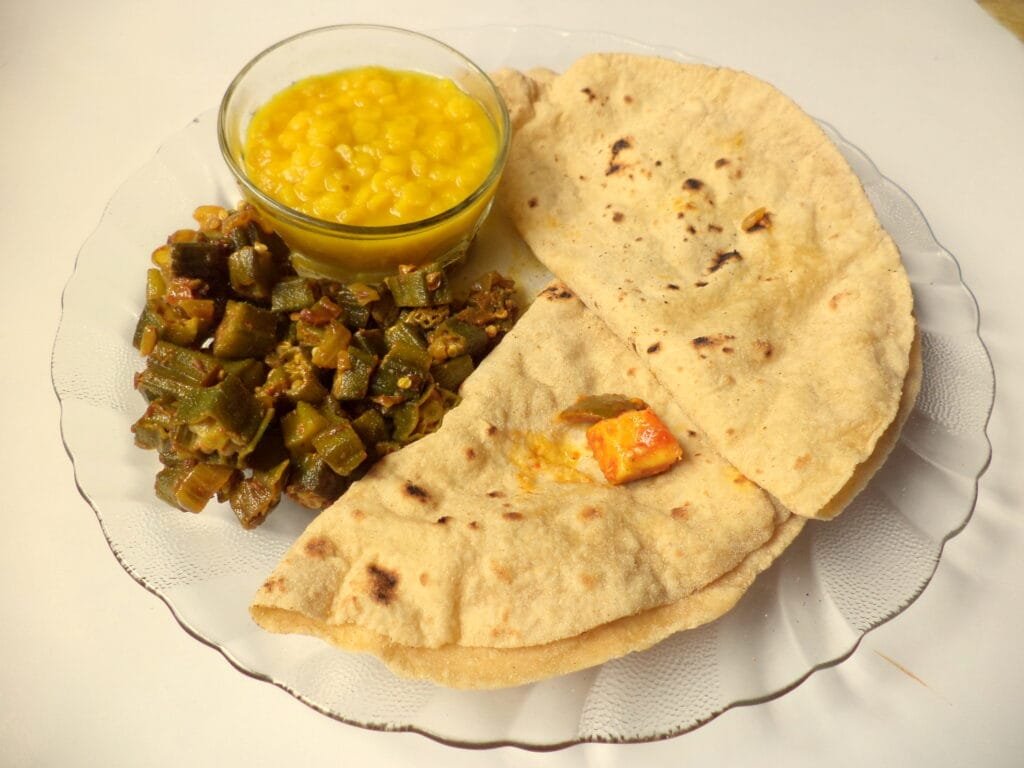
The plate method simplifies meal planning without requiring you to weigh your food or count calories. For a standard Pakistani meal, this means visualising your plate in three distinct sections. Half of your plate should consist of non-starchy vegetables, such as palak (spinach), bhindi (okra), or tinda (apple gourd). One quarter is reserved for lean proteins like chicken, fish, or daal (lentils). The final quarter is for carbohydrates, which is where your roti or rice goes.
If you are managing your blood sugar year-round, including fasting with diabetes during Ramadan, understanding portion control is vital. Many people in Pakistan build their meals around a large portion of rice or multiple rotis, with only a small side of meat or vegetables. The plate method flips this traditional ratio entirely. By filling half the plate with fibre-rich vegetables first, you physically leave less room for carbohydrates. This naturally controls your portion size while keeping you full and satisfied. The vegetables also slow down the digestion of the entire meal. This helps avoid sharp spikes in your blood sugar levels after eating. Adapting this visual guide makes it easier to navigate family dinners without feeling deprived.
Roti, Rice and Blood Sugar: Choosing the Right Carbs
You do not have to eliminate roti or rice from your diet, but you must control the portion and choose less refined options. Evidence suggests that compared to refined grains, whole grain intake significantly reduces postprandial glycemia and insulinemia in adults. However, this applies to whole grains broadly rather than exclusively to chakki atta. The exact effect also depends on processing.
When selecting flour for your roti, choose 100 percent whole wheat flour (chakki atta) instead of white flour (maida) or commercially processed fine atta. Chakki atta retains the bran and germ of the wheat grain, which provides essential dietary fibre. This fibre acts as a physical barrier in your digestive system, slowing the release of glucose into your bloodstream. Maida, on the other hand, digests very quickly. Eating foods made from maida causes a rapid rise in blood sugar similar to eating pure sugar.
A common question is how many rotis a diabetic can eat in a day. There is no single number that applies to everyone. It depends on your physical activity, age, and current medications. However, keeping your carbohydrate portion to one quarter of your plate usually equates to one medium-sized roti per meal. If you prefer rice, a quarter plate is roughly one small bowl of cooked brown rice or basmati rice. Always pair your carbohydrates with plenty of vegetables and a protein source to further stabilise your blood sugar response. If you want to read more about healthy dietary patterns, you can explore the balanced diet chart for Pakistan.
Best Local Proteins and Vegetables
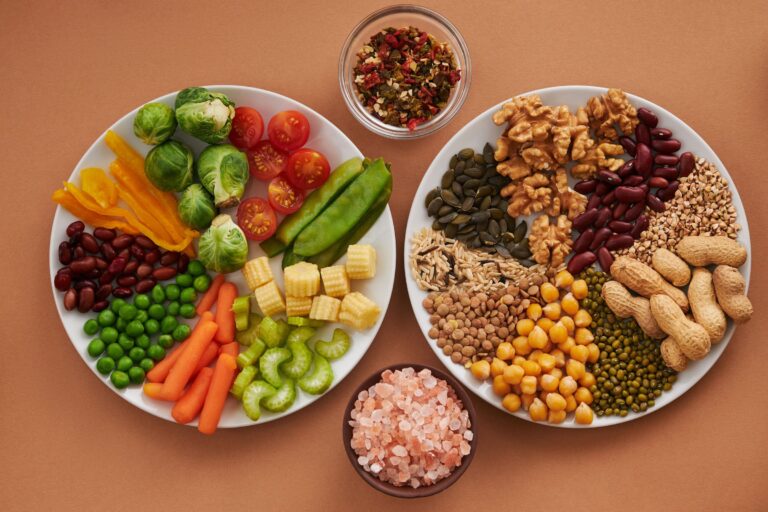
Replacing a portion of your daily carbohydrates with plant-based foods and non-starchy vegetables is a powerful strategy for lowering your blood sugar. Evidence suggests that plant-based, vegetarian dietary patterns are associated with a significant reduction in HbA1c among patients with type 2 diabetes.
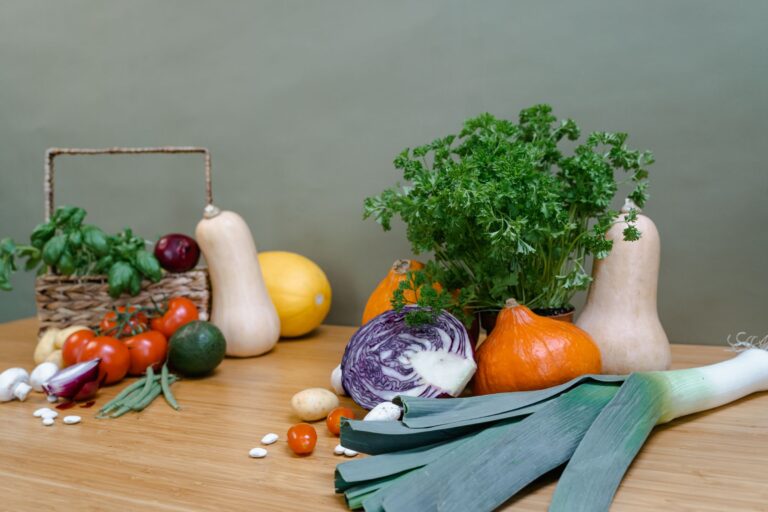
In the Pakistani context, this means prioritising vegetables that grow above the ground. Excellent local options include palak (spinach), methi (fenugreek leaves), sarson (mustard greens), bhindi (okra), karela (bitter gourd), and baingan (aubergine). These vegetables are very low in carbohydrates and high in essential nutrients. When cooking traditional salan, use minimal oil and avoid adding potatoes (aloo). Potatoes are a starchy vegetable and will raise your blood sugar just like bread or rice.
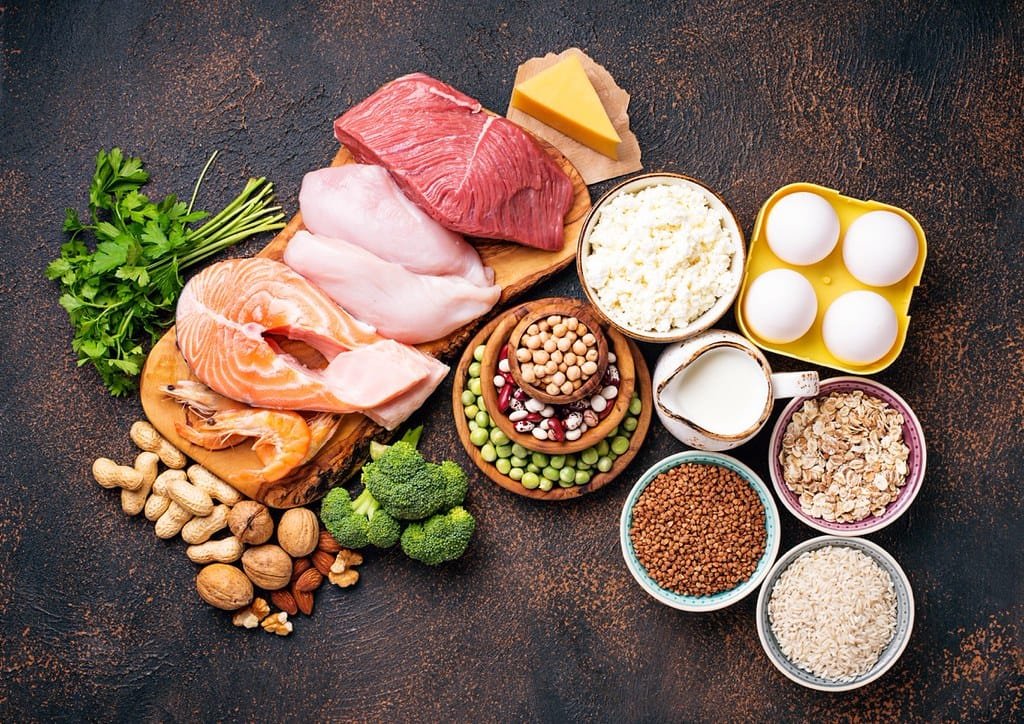
For your protein portion, focus on lean sources. Chicken, fish, and eggs are excellent choices that will not cause a blood sugar spike. Plant-based proteins like daal (lentils), chana (chickpeas), and lobia (kidney beans) are also highly recommended. While lentils and beans do contain some carbohydrates, they are packed with fibre and protein, which together create a slow, steady release of energy. Understanding your macronutrient daily requirements can help you balance these proteins effectively in your daily routine.
Fruits, Chai and Sweets: What to Limit
You can still enjoy fruit and tea, but you must be mindful of portion sizes and added sugars. Evidence suggests that fruit consumption significantly decreases fasting blood glucose concentrations without causing a negative difference in HbA1c levels for people with type 2 diabetes.
Many people worry about eating sweet fruits like mangoes. While mangoes do contain natural sugars, they are safe to eat in moderation. Keep your portion to half a small mango or one slice, and eat it alongside a protein or healthy fat, such as a handful of almonds. This combination slows the sugar absorption. Low-glycemic fruits like amrud (guava), apples, and jamun are even better choices for everyday snacking.
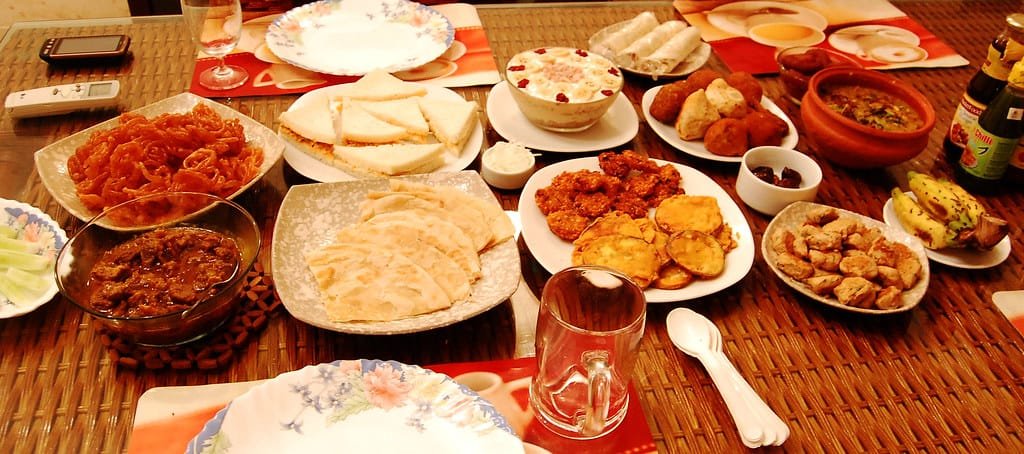
Chai is a staple in every Pakistani household. It is perfectly fine to drink if you have diabetes, provided you do not add sugar or gur (jaggery). Even small amounts of added sugar in your tea will quickly enter your bloodstream and cause a spike. If you need sweetness, use a zero-calorie sweetener approved by your doctor. Additionally, avoid traditional sweets like mithai, jalebi, and gulab jamun entirely. These desserts combine refined flour, deep-frying, and sugar syrup, creating the worst possible combination for your blood sugar control.
A Sample Daily Framework
There is no strict rule requiring you to eat every few hours to manage your condition. Evidence suggests that meal timing should be individualized based on your medications and lifestyle, rather than following a strict three to four hour rule.
Some people manage better with three main meals, while others prefer smaller meals with snacks in between. It is crucial to monitor your blood sugar and work with your healthcare provider to find a schedule that avoids low blood sugar, especially if you are taking insulin.
Here is a practical daily framework using local foods:
- Breakfast: One boiled egg, half a cup of chana (cooked without potatoes), one small chakki roti, and a cup of unsweetened chai.
- Mid-Morning Snack: One small guava (amrud) or a small handful of unsalted almonds.
- Lunch: A generous serving of palak paneer or bhindi, a small portion of grilled chicken, and one small chakki roti.
- Afternoon Snack: A small bowl of plain yoghurt or a cup of unsweetened green tea.
- Dinner: Half a plate of mixed salad (cucumbers, tomatoes, onions), one quarter plate of daal, and one quarter plate of brown rice or one small chakki roti.
This framework is a starting point. Adjust the portions based on your hunger levels and how your blood sugar responds to different foods.
Frequently asked questions
Can I still eat rice and roti on a diet plan for type 2 diabetes pakistan?
Yes, you can still eat rice and roti, but you must control your portions and choose the right types. Opt for chakki atta instead of maida. Limit your portion to one quarter of your plate per meal to avoid blood sugar spikes.
Are mangoes safe for people with type 2 diabetes?
Mangoes are safe in moderation. Keep your portion to half a small mango and pair it with a protein source like almonds. Prefer low-glycemic fruits like guava or apples for regular daily consumption.
How many rotis can a diabetic eat in a day?
There is no universal number, as it depends on your activity level and medications. Generally, limiting yourself to one medium chakki roti per meal, keeping it to a quarter of your plate, is a safe starting point.
Is it okay to drink chai with diabetes?
Yes, you can drink chai, provided you do not add sugar, honey, or jaggery. Unsweetened tea will not raise your blood sugar. If you prefer it sweet, use a doctor-approved artificial sweetener.
What are the best Pakistani foods for lowering blood sugar?
The best local foods include non-starchy vegetables like karela, bhindi, and leafy greens such as palak and methi. Lentils and lean proteins like chicken and fish also help maintain stable blood sugar levels. If you notice frequent high or low blood sugar readings despite following a structured meal plan, schedule an appointment with your doctor to adjust your medications.
About the author

RD Saeed Ahmad, MSPHCo-founder and nutritionist, Nuritron
Nutritionist and public health researcher, and co-founder of Nuritron. Works in clinical and community nutrition, type 2 diabetes and One Health policy.
View full profile and articles