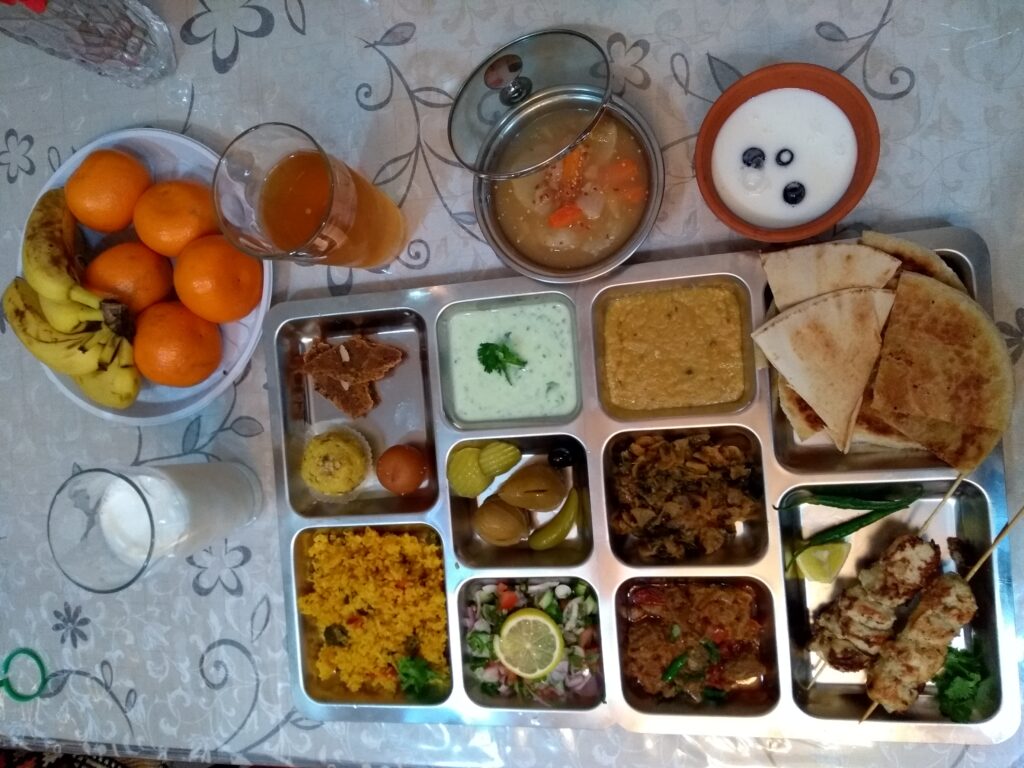
An easy diet plan for weight loss in Pakistan often means extreme restriction that leaves you hungry and rebounding. True fat loss happens when you eat standard foods in a moderate caloric deficit. Many people start a new diet every Monday, only to give up by Thursday because the hunger becomes unbearable. This cycle of starting and stopping is frustrating and harmful to your body.
Key takeaways
- Crash diets result in temporary water and muscle loss, not sustainable fat loss.
- Severe restriction triggers metabolic adaptation, making you regain the weight faster.
- True fat loss requires a moderate caloric deficit, adequate protein, and consistent habits.
- You can eat standard Pakistani foods (roti, dal, rice) and still lose weight, provided portions are controlled.
Why an Easy Diet Plan for Weight Loss in Pakistan Often Backfires
A severe seven-day diet slows down your metabolism and strips away muscle instead of fat. You lose weight fast, but you regain it the moment you eat normally. When you search for quick fixes, you often find plans promising massive drops on the scale in just one week.
These diets rely on severe calorie restriction, sometimes dropping below one thousand calories a day. When you drastically cut calories, your body adapts to protect itself. Gradual reduction significantly preserves your resting metabolic rate compared with rapid weight loss. Your metabolism slows down because your body believes you are starving. According to WHO guidelines on weight management, maintaining metabolism is crucial. Once the diet ends, you burn fewer calories than you did before you started. This makes regaining the lost weight almost certain, and often you end up heavier than before.
Many people believe a quick drop on the scale means they have burned body fat. This is incorrect. Rapid weight loss does not selectively preserve fat; it results in similar fat-free mass loss as gradual weight loss. This means the sudden drop is mostly muscle tissue and water weight. Losing muscle lowers your metabolic rate even further. You end up with a higher body fat percentage once the water weight returns. Instead of relying on a quick fix that promises extreme results—or looking for magic ingredients when figuring out [how to use chia seeds for weight loss](https://nuritron.com/how-to-use-chia-seeds-for-weight-loss/)—focus on long-term habits that protect your metabolism and preserve your muscle mass.
What Actually Drives Weight Loss?
Total energy balance decides if you lose or gain weight, not cutting out specific foods. You must burn more calories than you take in while keeping a balance of proteins, fats, and carbohydrates. This healthy diet requires you to balance your total energy intake with your energy expenditure. For more comprehensive guidelines, refer to the NIH dietary guidelines.
This is the fundamental rule of weight management, as confirmed by WHO obesity guidelines. If you consume more energy than your body uses, you store the excess as fat. If you consume less, your body uses stored energy to keep functioning. You do not need magic detox teas or extreme fasting windows. You simply need a consistent, moderate caloric deficit over weeks and months. A daily walk or some light resistance training can help increase your energy expenditure, making it easier to maintain that deficit.
For a sustainable approach to weight management, you must understand your macronutrient daily requirements. A moderate deficit allows you to lose weight steadily without destroying your metabolism or feeling starved. You can achieve this by making small, practical adjustments to your daily routine, which is much better than seeking a quick fix that starves you. Reduce your portion sizes slightly at each meal. Cook your salan with less oil. Choose water instead of sugary sodas or heavily sweetened chai. These small changes create an energy deficit over time. Your body responds to consistency, not extreme, short-term shocks.
How to Build a Sustainable Pakistani Plate
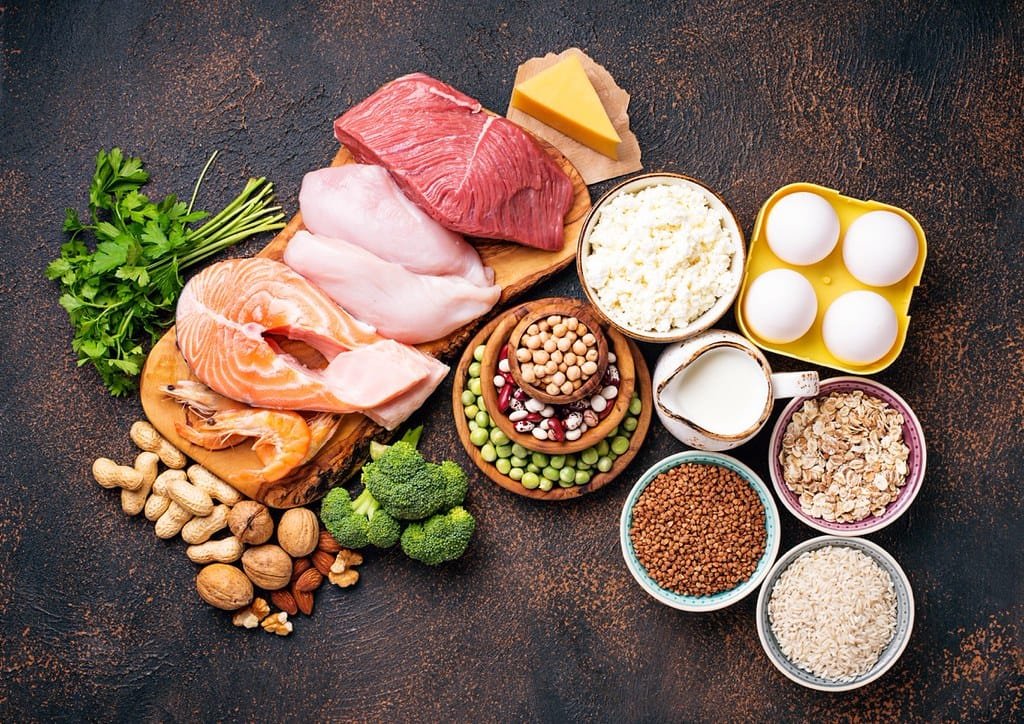
A balanced plate includes adequate protein, high fibre, and moderate carbohydrates. This combination keeps you full and protects your muscles while you consume fewer calories. Protein is essential when you reduce your calorie intake, while fibre adds bulk to your meals without adding extra calories.
Studies in active-duty military personnel indicate that eating more than 0.8 grams of protein per kilogram of body weight per day helps preserve lean muscle mass during an energy deficit. While this was observed in a military population, the physiological principle of protein preserving lean mass during caloric restriction applies to everyone. Include local protein sources like chicken, beef, fish, eggs, and daal in every meal. Eating protein also helps you feel satisfied, which prevents overeating later in the day. Incorporating principles from the DASH diet can also help manage your health effectively.
Fibre is just as important for controlling hunger. Evidence suggests that eating viscous fibre reduces mean body weight independently of calorie restriction. It slows down digestion and keeps you full for hours. You can easily increase your fibre intake using local vegetables. Fill half your plate with sabzi like palak, bhindi, tinda, or karela. Add a fresh salad with cucumbers, tomatoes, and onions to your lunch and dinner. This approach naturally reduces the amount of calorie-dense foods you eat while keeping you satisfied and supporting healthy digestion.
Will Cutting Roti and Chawal Help?
You do not need to give up roti or rice to lose weight. Carbohydrates alone do not cause weight gain. The total calories you eat matter most. Many weight loss plans tell you to eliminate carbohydrates completely, which is unnecessary and incredibly hard to maintain.
Your carbohydrate intake should come primarily from whole grains, vegetables, fruits, and pulses to reduce the risk of unhealthy weight gain. A balance across proteins, fats, and carbohydrates is the foundation of a healthy diet. Eliminating an entire macronutrient group often leads to cravings and binge eating. Global dietary guidelines recommend against strict elimination.
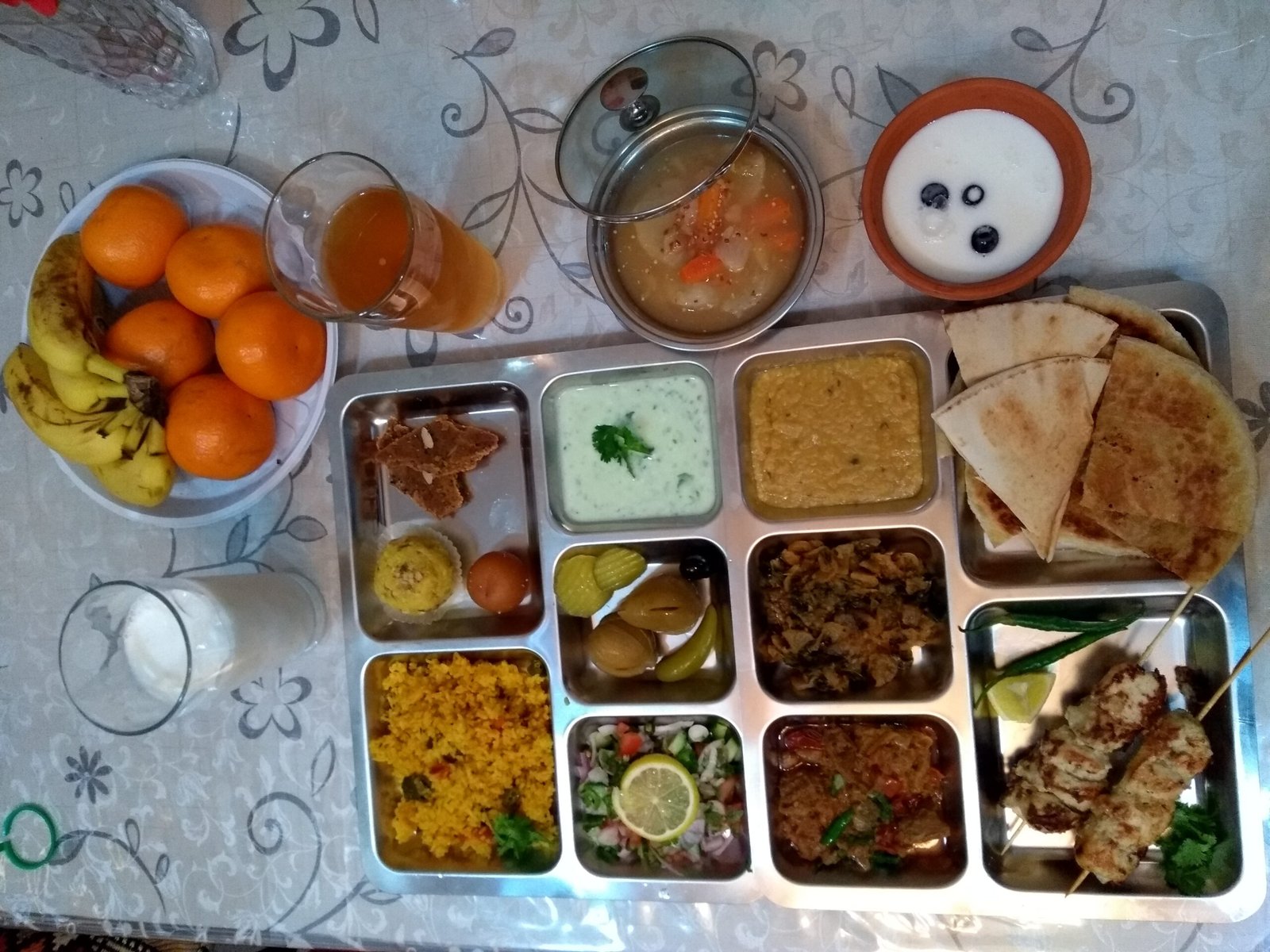
Instead of avoiding carbs completely, focus on quality and portion size. Switch from refined white flour to whole wheat chakki atta for your roti. Whole wheat contains more fibre, which helps you stay full and keeps your blood sugar stable. When eating rice, limit your portion to a small bowl instead of a large plate. Pair your carbohydrates with plenty of protein and vegetables to slow down digestion. One medium roti fits perfectly into a weight loss plan if you maintain an energy deficit. You can enjoy your cultural foods without guilt and still reach your goals.
What to do next
When you are looking for an easy diet plan for weight loss in pakistan, remember that long-term sustainable changes always beat short-term fixes. Consistency is the key to maintaining your progress over time, so an easy diet plan for weight loss in pakistan focuses on adopting healthier habits step by step rather than seeking out an extreme diet. This will ensure that you achieve your health goals and maintain them for life. Make sure to prioritize protein and fiber to stay full, while eating your favorite cultural foods in moderation. In this way, you can build an easy diet plan for weight loss in pakistan that works for you in the long run.
Frequently asked questions
Can I lose 5kg in a week safely?
No. Rapid weight loss does not selectively preserve fat; it results in similar fat-free mass loss as gradual weight loss. Gradual reduction significantly preserves your resting metabolic rate compared with rapid weight loss. Aim for slow, steady progress instead of quick fixes that damage your metabolism.
Do I have to stop eating roti to lose weight?
No. A healthy diet requires a balance of proteins, fats, and carbohydrates. You can eat roti if you control your portion sizes and maintain a moderate caloric deficit. Switch to whole wheat atta for better satiety and more fibre.
Is a quick diet plan in Pakistan effective?
An easy plan usually means a crash diet. These plans fail because severe restriction slows your metabolism. This makes long-term success nearly impossible and often leads to rapid weight regain once the diet ends.
How to lose weight fast in Pakistan?
Focus on sustainable habits rather than speed. Increase your protein and fibre intake, control portions of standard foods like rice and daal, and maintain a moderate energy deficit. Eat plenty of local vegetables to stay full without consuming excess calories. Crash diets will only give you temporary results. By building habits you can maintain for life, you ensure that the weight you lose stays off permanently.
About the author

Jamshaid Ibrahim, HNDNutritionist and food processing specialist
Nutritionist and food processing specialist. Built production for traditional health products at Glaxay Foods, with the food safety and packaging compliance behind it.
View full profile and articlesAbout the medical reviewer

RD Saeed Ahmad, MSPHCo-founder and nutritionist, Nuritron
Nutritionist and public health researcher, and co-founder of Nuritron. Works in clinical and community nutrition, type 2 diabetes and One Health policy.
View full profile and articles