
When analyzing chia seeds vs tukh malanga, the nutrition team at Nuritron notes that many people confuse them when making summer drinks like falooda or planning a diet in Pakistan. Are they the exact same thing, or do they just look similar? The answer is that they are entirely different seeds. While both are healthy additions to your daily routine, they come from different plants, look different, and offer different benefits. The local bazaar often sells them interchangeably, leaving buyers confused about which seed to purchase. In this guide, you will learn exactly how to tell them apart visually and what they do in your digestive system. You will also see how their nutritional profiles compare, helping you choose the right seed for your health goals.
Key Takeaways
- Chia seeds and tukh malanga (basil seeds) are entirely different seeds.
- Chia seeds offer more Omega-3 fats and protein.
- Tukh malanga is an excellent, affordable desi source of fibre for hydration.
- Both absorb water and keep you full, but tukh malanga must always be soaked before eating.
Chia Seeds vs Tukh Malanga: Are They the Same?
No, they are not the same. Chia seeds and tukh malanga are different seeds that come from completely different plants. Although they both swell up in water and look similar in summer drinks, their botanical origins, nutritional profiles, and traditional culinary uses are entirely distinct.
The confusion is common because both seeds form a thick, gelatinous coating when soaked in liquid. However, chia seeds (botanical name Salvia hispanica) originate from Central America and belong to the mint family (see Frontiers in Plant Science). Historically, they were a staple food for the ancient Aztecs and Mayans. On the other hand, tukh malanga (botanical name Ocimum basilicum), also known as sweet basil seeds, has been cultivated and used traditionally across South Asia for generations. They are entirely distinct botanical seeds with their own unique characteristics.
Locally in Pakistan, tukh malanga is a beloved staple ingredient in cooling summer beverages like lemonade, rooh afza, and traditional falooda. It is especially popular during Ramadan for Iftar drinks. Chia seeds are a newer addition to local diets, often added to overnight oats, breakfast smoothies, and modern health foods. Because chia seeds are imported (and there is no direct translation for chia seeds in Urdu), they are typically much more expensive than locally grown tukh malanga, which is widely available at very low cost from any pansari (herbalist). Despite their different geographical origins, comparing chia seeds vs tukh malanga shows both seeds are highly valued for their ability to absorb water and provide a satisfying texture to a variety of foods and drinks.
Nutritional Comparison of Chia Seeds vs Tukh Malanga
Evidence suggests chia seeds are richer in protein and Omega-3 fats, making them a better choice for heart health and muscle repair. However, tukh malanga is also highly nutritious, offering a fast-absorbing source of fibre that is perfect for rapid hydration during the intensely hot summer months.
When you look at their nutritional profiles, both seeds offer valuable nutrients, but they excel in very different areas. Studies indicate that chia seeds are a uniquely rich source of proteins and polyunsaturated fatty acids, particularly Omega-3s. Omega-3 fats are essential for your body and help support brain health, heart function, and reduce inflammation. Chia seeds also provide significant amounts of essential minerals, including calcium and iron. If you are eating a vegetarian or plant-based diet, adding just a tablespoon or two of chia seeds to your meals can help you comfortably meet your macronutrient daily requirements for protein and healthy fat needs.
Tukh malanga, while slightly lower in fat and protein content, is an outstanding source of dietary fibre. Evidence suggests that basil seeds have a unique cellular structure that allows their cellulose mucilage to absorb water extremely quickly. This is precisely why tukh malanga swells up almost instantly when dropped into a glass of water, creating a large, cooling gel casing. This rapid hydration property has made tukh malanga a central component in traditional South Asian medicine and refreshing drinks designed specifically to combat the fierce heat of a Punjab summer and soothe the stomach.
| Nutrient Focus | Chia Seeds | Tukh Malanga |
|---|---|---|
| Main Benefit | High in Omega-3 and protein | Fast hydration and cooling effect |
| Fibre Type | Soluble and insoluble | Highly absorbent cellulose mucilage |
| Soaking Time | Takes 20 to 30 minutes | Swells within minutes |
| Best For | Smoothies, baking, puddings | Falooda, lemonade, sherbet |
When evaluating chia seeds vs tukh malanga for your daily meals, both seeds are fantastic, health-promoting additions. If your primary goal is to boost your intake of healthy fats and minerals, chia seeds are the stronger choice. If you want a quick, affordable, and highly hydrating fibre boost for your digestion, tukh malanga is an excellent option.
Weight Loss: Do Chia Seeds vs Tukh Malanga Really Help?
When comparing chia seeds vs tukh malanga, neither seed will directly cause weight loss. However, both seeds are exceptionally high in soluble fibre, which absorbs liquid and expands in your stomach. Evidence suggests this specific type of fibre promotes satiety, helping you feel full and naturally reducing your overall food intake according to recent reviews.
There is a very common myth that drinking soaked seeds on an empty stomach will magically melt body fat. This is simply not true. No single food or drink will directly burn fat off your body. Instead, the real benefit of these seeds comes from how they help you manage your daily hunger and cravings.
Dietary fibres, like the specialized mucilage found in both chia and basil seeds, can play a significant role in boosting feelings of fullness. Research on various dietary fibres indicates that they may help increase the secretion of satiety hormones in your digestive system, though the evidence for some specific fibres remains somewhat mixed. When you consume these seeds with liquid, they form a thick, bulky gel in your digestive tract. This physical bulk slows down digestion and keeps you physically satisfied for much longer between meals. If you want to manage your weight by eating smaller portions, adding a spoonful of either seed to your morning meal can help. It will effectively prevent you from unnecessary snacking later in the day.
How to Tell Them Apart Visually
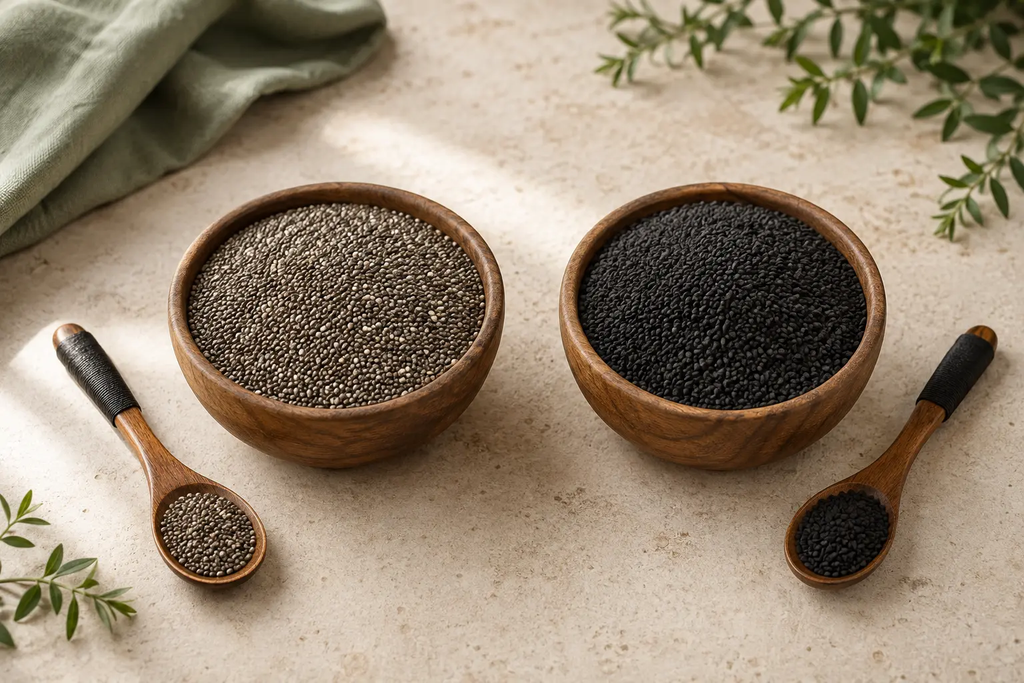
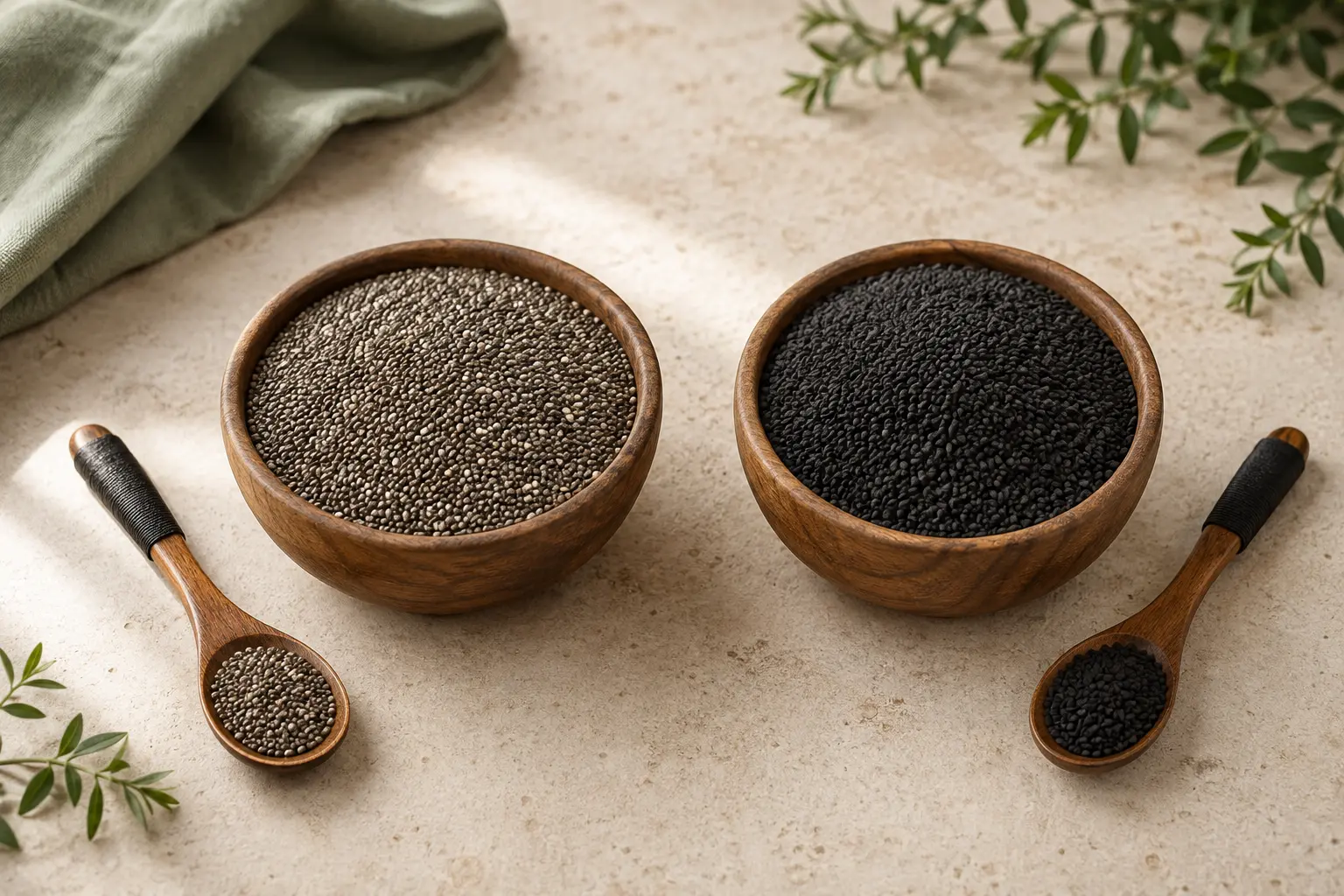
You can easily tell them apart by looking closely at their colour and shape. Chia seeds are oval-shaped and come in a speckled mix of grey, brown, white, and black colours. Tukh malanga seeds are uniformly jet black and have a distinct, pointed teardrop shape.
If you have a jar of seeds in your pantry and are not sure what they are, look closely at the dry seeds under good light. Limited morphological evidence notes that the structural organisation of basil seeds differs significantly from other plant seeds. When completely dry, tukh malanga seeds are tiny, completely uniform in their black colour, and look exactly like miniature teardrops with a slight point at one end.
Chia seeds are slightly larger, flatter, and have a smooth, shiny surface resembling tiny dinosaur eggs with their complex mottled pattern of grey, brown, and black. When soaked, tukh malanga develops a large, completely translucent, gel-like halo with a tiny black dot remaining in the exact centre very quickly. Chia seeds take much longer to absorb water and do not swell up quite as large, retaining their mixed colours inside a smaller gel coating.
Can You Substitute One for the Other?
You can often swap them in drinks and puddings, but you must handle them differently. Chia seeds can safely be eaten raw or soaked. Limited evidence on herbal functional beverages suggests tukh malanga is traditionally consumed strictly in liquids, and safe culinary practice requires soaking them first.
If a recipe calls for chia seeds, you can usually use tukh malanga instead, provided you carefully adjust your preparation method. Because tukh malanga absorbs water so rapidly and aggressively, eating them completely raw can present a choking hazard. You must always soak tukh malanga in a generous amount of water for at least five to ten minutes before consuming them. This rapid swelling makes them ideal for traditional drinks, herbal beverages, and liquid-heavy recipes like falooda or milkshakes.
Chia seeds are considerably more versatile in the kitchen. You can safely sprinkle dry chia seeds directly over salads, yoghurt, or a bowl of oatmeal without soaking them first. They provide a pleasant, subtle crunch when eaten raw. If you want to use chia seeds for a smooth pudding or thick drink, you will need to plan ahead. Soak them for at least 30 minutes, or ideally leave them in the fridge overnight, to achieve the right gelatinous texture.
Medical Disclaimer The information in this article is for educational purposes only and is not intended as medical advice. Always consult with a qualified healthcare professional before making significant changes to your diet, especially if you have underlying health conditions.
Is chia seed called tukh malanga in Urdu?
No, chia seed is not called tukh malanga in Urdu. Chia seeds and tukh malanga are completely different seeds from different plants. Tukh malanga is the Urdu name for sweet basil seeds. Chia seeds do not have a traditional Urdu name because they are native to Central America and were only recently introduced to Pakistan.
Which is better for weight loss: chia seeds vs tukh malanga?
Neither seed directly burns fat, but both can support a weight management plan. Evidence suggests that the dietary fibre in these seeds helps promote fullness and satiety. Because they keep you full, they can help you eat fewer calories throughout the day. You can choose either seed based on your budget and culinary preference.
Can I eat tukh malanga without soaking it?
No, you should never eat tukh malanga raw. They absorb water so quickly that they can expand in your throat and cause choking. Always soak tukh malanga in water, milk, or juice for a few minutes until they fully expand before eating or drinking them.
What is the best way to prepare chia seeds?
You can eat chia seeds raw by sprinkling them on dry foods, or you can soak them in a liquid. If you soak them, mix one tablespoon of seeds with three tablespoons of water or milk. Stir well to prevent clumps, and let them sit for about 20 to 30 minutes until they form a gel. If you are looking to add a healthy boost to your diet, pick up a packet of either seed on your next grocery run and start experimenting with them in your daily meals.