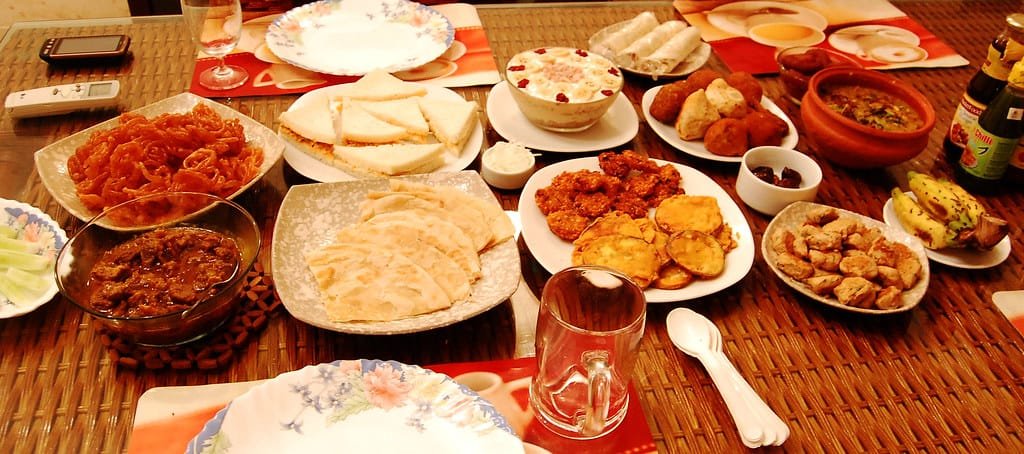
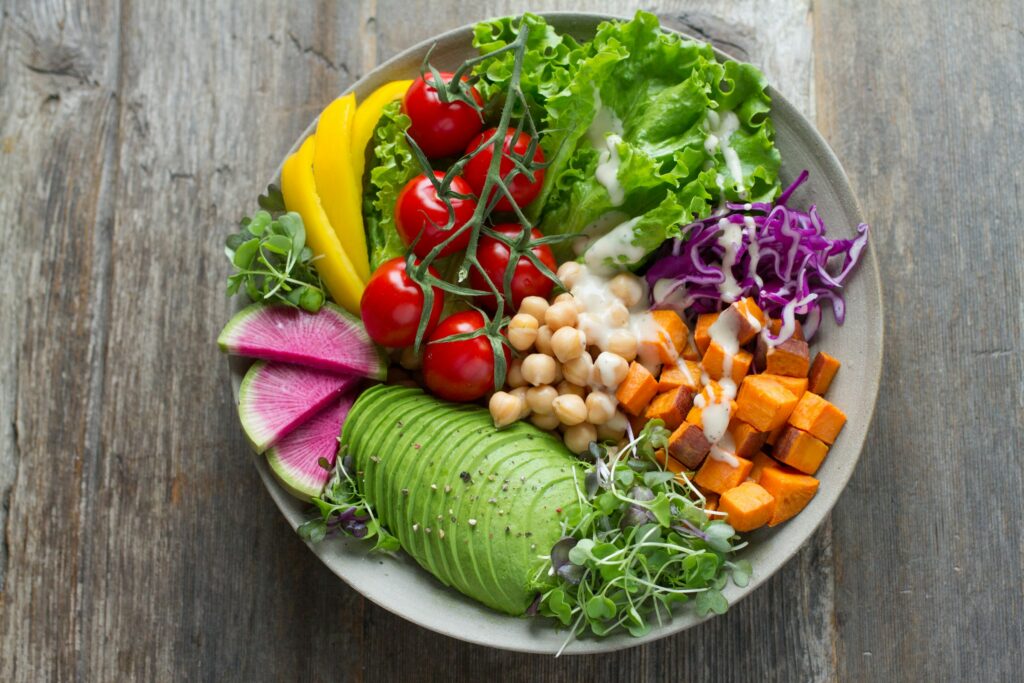
When you are diagnosed with hypertension, finding a blood pressure diet that works with Pakistani food can feel overwhelming. At Nuritron, we understand that you do not have to eat boiled, tasteless meals; you can manage your blood pressure by adjusting how you cook and what you choose to eat every day. A traditional desi diet is rich in vegetables, legumes, and spices, which are perfect for heart health when prepared correctly.
By making smart choices in your kitchen, you can enjoy the foods you love while keeping your health in check. The changes do not have to happen overnight. This guide will show you exactly how to navigate everyday meals.
Key takeaways
- Aim for less than 1 teaspoon (5 grams) of salt per day and avoid hidden salt in achaar, papad, and processed snacks.
- Increase potassium naturally by eating more palak, lentils, and bananas.
- Swap ghee and banaspati for heart-healthy liquid oils in moderation.
- Do not change or stop your medicine without consulting your doctor.
Core Rules of a Blood Pressure Diet
The foundation of managing high blood pressure through food involves two main changes: eating less sodium (salt) and eating more potassium. These principles form the basis of the Dietary Approaches to Stop Hypertension approach, which you can easily adapt to a DASH diet in Pakistan.
Reducing sodium intake is associated with reduced blood pressure. Across many trials, lower salt intake leads to larger reductions in blood pressure, showing a clear connection between what you eat and your health. This effect is seen in both adults and children, though the benefits are most significant in adults. When you eat too much salt, your body holds onto extra water to wash the salt out of your system. This added water puts extra pressure on the walls of your blood vessels.
Evidence suggests that increasing dietary potassium from whole foods helps lower blood pressure. Potassium works as a natural counterbalance to sodium. It helps your body get rid of excess sodium through urine and relaxes the walls of your blood vessels.
However, while adjusting your diet is essential, you must be careful if you take medicines. If you take medication, you should be aware of any blood pressure medication food interactions. If you take blood pressure pills, do not stop or change any prescribed medication without consulting your doctor.
If you have kidney disease and need a [kidney disease diet in Pakistan](https://nuritron.com/kidney-disease-diet-pakistan/) or are taking certain blood pressure medicines, high potassium foods can be dangerous. Talk to your doctor first before adding high-potassium foods to your diet. Your doctor can help you find the right balance based on your kidney function and specific prescriptions.
Foods to Eat Freely (Green Light)
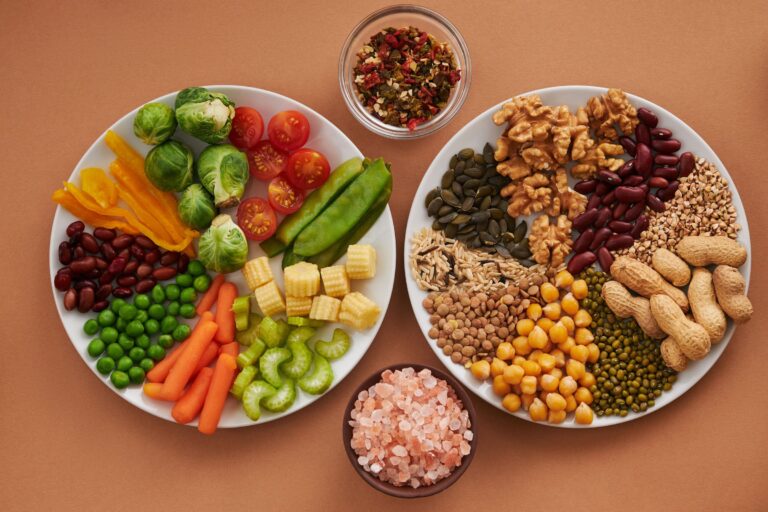
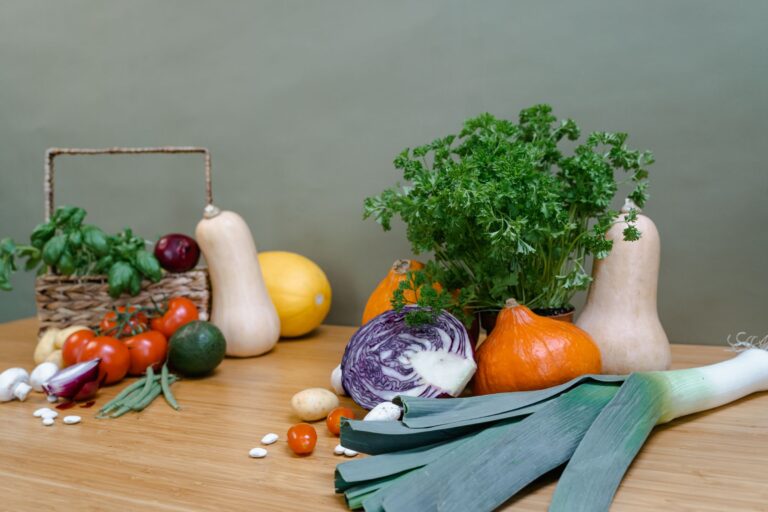
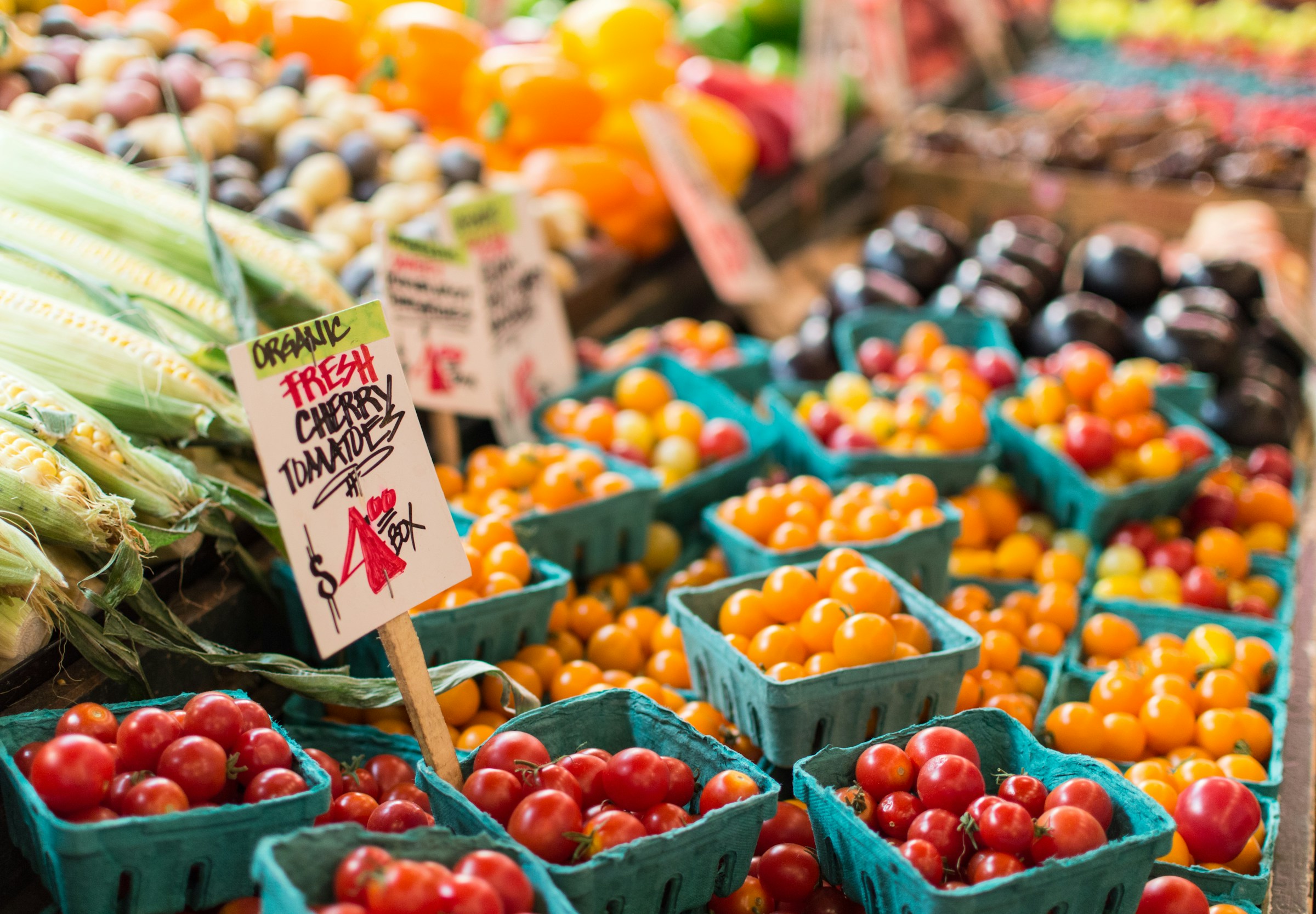
You can enjoy a wide variety of local foods that naturally support heart health. These foods are generally low in sodium and high in nutrients like potassium, fibre, and vitamins. Building your meals around these ingredients is the easiest way to improve your blood pressure.
Specific local potassium-rich foods, such as spinach (palak), bananas, and lentils (daal), support cardiovascular health. A standard 100 gram serving of spinach contains roughly 625 milligrams of potassium, making it an excellent choice for your daily meals.
Plain green tea without sugar is another excellent choice. Sources disagree on the overall effect, but evidence suggests it does not raise blood pressure and may have a modest lowering effect in some people. Some studies show slight reductions, while others show no significant overall effect.
| Food Category | Pakistani Examples | Why It Helps |
|---|---|---|
| Leafy Greens | Palak (spinach), methi (fenugreek), sarson (mustard greens) | High in potassium and fibre |
| Fresh Fruits | Bananas, guavas, apples, citrus, melon | Rich in potassium and vitamins |
| Lentils and Beans | Chana daal, masoor daal, lobia (kidney beans), chole (chickpeas) | Good source of plant protein and fibre |
| Whole Grains | Whole wheat roti (without added salt or ghee), brown rice, oats | Provides steady energy and fibre |
| Unsalted Nuts | Almonds (badaam), walnuts (akhrot) | Healthy fats and magnesium |
You can eat these green light foods every day. When preparing vegetables and lentils, the key is to use minimal salt and healthy cooking methods. Daal is a staple in most Pakistani homes and is highly nutritious. Instead of a heavy tarka with ghee, use a small amount of vegetable oil and extra garlic for flavour.
Fresh fruits are an excellent way to handle sugar cravings after a meal. A banana or a slice of melon provides vital potassium without the harmful effects of refined sugar or salt found in traditional sweets.
Foods to Eat in Moderation (Yellow Light)
Some foods are fine to include in your diet but should be controlled in portion size or frequency. This category includes foods that contain moderate amounts of natural sodium or fats that you need to balance over the course of the week.
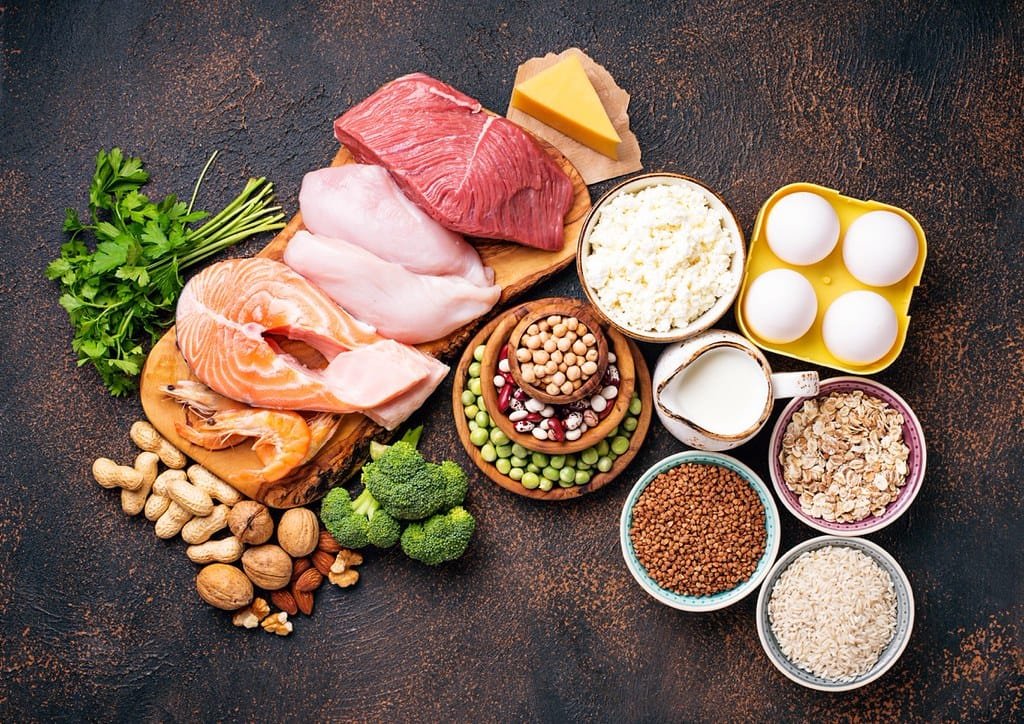
Chicken and fish are excellent sources of lean protein, but how you cook them dictates whether they remain healthy. Grilling, baking, or cooking in a light salan is better than deep-frying them into pakoras or rich kormas. Red meat, such as beef and mutton, should be limited to once or twice a week. Red meat contains higher levels of saturated fat, which can affect your overall cardiovascular health.
Dairy products like milk and dahi (yogurt) provide calcium, which is beneficial for blood pressure control. Opt for low-fat versions when possible, and avoid adding sugar or salt to your dahi.
White rice is a staple in many households, especially for dishes like biryani or pulao. It is fine in moderation, but whole grains like brown rice or whole wheat roti are better everyday choices because they offer more fibre to keep you full and stabilize your energy levels. If you are eating white rice, pair it with a heavy serving of vegetable curry or daal to increase the fibre content of the meal.
Foods to Avoid Completely (Red Light)
Many everyday Pakistani snacks and condiments are loaded with hidden sodium and unhealthy fats. These are the foods that can quickly push you over your daily salt limit without you even realising it, making it harder to manage your condition effectively over time.
Ultra-processed snacks like papad, pakoras, and achaar are high in hidden sodium and should be restricted. For example, just 100 grams of papad can contain approximately 1745 milligrams of sodium, which is nearly your entire daily allowance in a single snack. Pakoras also contain around 450 milligrams of sodium per 100 grams, along with unhealthy fats from deep-frying.
| Food to Avoid | Why It Is Harmful | Better Swap |
|---|---|---|
| Achaar (Pickles) | Extremely high in salt and oil | Fresh lemon juice or plain vinegar |
| Papad and Nimko | Packed with hidden sodium | Roasted unsalted chana or plain popcorn |
| Deep-fried Snacks | High sodium and saturated fat (pakoras, samosas) | Baked snacks or fresh fruit |
| Processed Meats | Very high in salt and preservatives (sausages, kebabs in boxes) | Fresh, lean chicken or fish |
| Commercial Sauces | High salt and sugar content (ketchup, chili sauce) | Homemade mint chutney or tomato salsa |
| Bakery Items | High in trans fats and salt (rusk, biscuits, patties) | Plain unsalted nuts |
Avoiding these foods is one of the most effective ways to lower your sodium intake quickly. Many people do not realise that baked goods like plain bread and biscuits often contain significant amounts of salt to improve texture. Read labels when you buy packaged food, and choose fresh, whole foods over anything that comes in a packet with a long shelf life.
How to Cook Desi Food with Less Salt
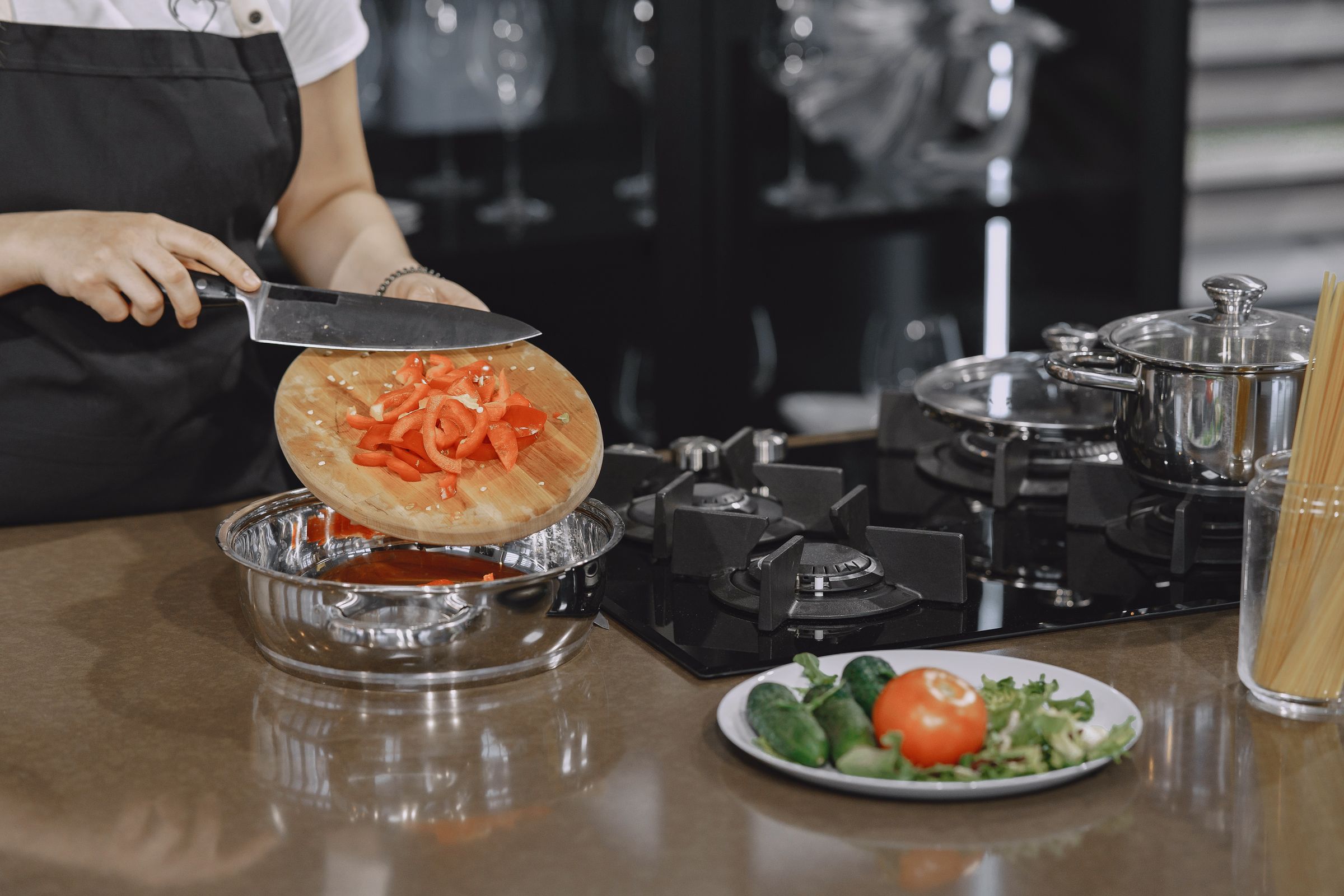
Cooking traditional Pakistani food without relying on heavy salt and unhealthy fats requires a few simple adjustments. You can build flavor using spices instead of sodium, and your taste buds will adjust to the new flavours within a few weeks.
First, focus on the fats you use. Evidence suggests that replacing saturated fats like ghee and banaspati with unsaturated fats like olive, canola, or mustard oil supports heart health. Reducing dietary saturated fat can lower the risk of combined cardiovascular events by around 17 percent. If you use solid fats, you should learn about the trans fats in banaspati issue.
To reduce salt, do not add it while the food is cooking. Instead, add a small pinch at the table if necessary. You will actually use less salt this way while still tasting it on your tongue. Use fresh ginger, garlic, green chilies, coriander, and mint to give your salan rich flavor. A squeeze of lemon juice or a dash of vinegar right before serving also brightens the taste, tricking your palate into not missing the salt. Roasted cumin powder (zeera) and coriander powder (dhania) are excellent for depth.
When making roti, do not add salt to the dough. Many commercial tandoors add large amounts of salt to their dough to make it stretchier. If you buy from a tandoor, ask if they can make a batch without salt, or better yet, prepare your dough at home using only water and whole wheat flour.
A Healthy Pakistani Meal Plan Example
To show you how simple it is to put these rules into practice, here is what a heart-healthy day of eating looks like in a Pakistani context. This sample daily routine focuses on reducing hidden sodium while incorporating potassium-rich local ingredients to naturally support your blood pressure goals.
For breakfast, skip the heavy halwa puri or parathas cooked in ghee. Instead, have a bowl of plain porridge (daliya) cooked in low-fat milk, topped with sliced bananas and a few crushed almonds. The banana gives you a great morning boost of potassium. Alternatively, a plain boiled egg with one dry whole wheat roti and a cup of tea is a solid start.
For lunch, you could have a generous serving of homemade daal cooked with minimal oil and no added salt, paired with fresh cucumber and tomato salad. Add a squeeze of lemon over the salad instead of salt. Eat this with one or two dry whole wheat rotis.
For a mid-afternoon snack, bypass the bakery items and nimko. Grab a fresh apple, a guava, or a small handful of unsalted roasted chana.
For dinner, a chicken or fish salan cooked in a small amount of canola oil with plenty of tomatoes and garlic is perfect. Serve it with a side of steamed spinach or bhindi (okra) cooked with onions and tomatoes.
Managing Social Events and Dawats
Eating at home gives you full control over your ingredients, but dawats (dinner parties) and weddings present a different challenge. Pakistani hospitality often revolves around rich, heavy foods. You do not have to isolate yourself or refuse every invitation to protect your blood pressure.
When attending a dawat, start by filling half your plate with fresh salad before you look at the main dishes. Eating the salad first provides fibre and takes the edge off your hunger, making it easier to eat smaller portions of the heavier foods. Choose roasted or grilled items, like chicken tikka or seekh kebabs, over deep-fried items.
If there are rich salans like korma or nihari, take a small portion of the meat but leave the oily gravy behind. The gravy contains most of the sodium and saturated fat. Pair your meal with a plain tandoori roti rather than a naan or sheermaal, which are often enriched with fat and salt. Drink plain water instead of sugary sodas or heavily sweetened juices.
Transitioning Your Taste Buds
One of the biggest hurdles people face when starting a blood pressure diet is the fear that food will taste bland. When you are used to eating highly salted foods, your taste buds become less sensitive. At first, food cooked with less salt might seem flavorless.
This adjustment period is completely normal. Evidence suggests that reducing blood pressure through diet takes time and consistency, showing results in a few weeks. In landmark trials, most of the reduction in blood pressure occurred within the first two weeks of starting the dietary changes. It takes about three to four weeks for your taste receptors to adapt to a lower sodium intake.
To make the transition easier, reduce your salt intake gradually over a few weeks rather than stopping completely in one day. Focus on adding bold flavours through spices, citrus, and herbs. Soon, you will find that commercial snacks and restaurant foods taste unpleasantly salty.
Frequently asked questions
Does drinking green tea lower blood pressure?
Sources disagree on the overall effect, but evidence suggests it does not raise blood pressure and may have a modest lowering effect in some people. Some studies show a slight reduction in both systolic and diastolic readings, while others show no significant overall effect. It is a safe drink to enjoy, but it is not a cure for hypertension.
Can I still eat achaar if I wash the oil off?
Washing the oil off achaar does not remove the salt. Pickles are cured in heavy amounts of salt to preserve them, and that sodium penetrates deep into the vegetables. It is best to avoid achaar completely if you have high blood pressure and use fresh lemon juice for a sour kick instead.
How quickly will dietary changes lower my blood pressure?
Evidence suggests that reducing blood pressure through diet takes time and consistency, showing results in a few weeks. In landmark trials, most of the reduction in blood pressure occurred within the first two weeks of starting the dietary changes. Sticking to the plan is crucial for long-term management.
Can I still eat roti and rice?
Yes, you can still eat roti and rice. Whole wheat roti made without added salt or ghee is an excellent choice. Brown rice is better than white rice because it has more fibre, but plain white rice is fine in moderation as long as it is cooked without excess oil or salt.
What Pakistani foods are safe for high blood pressure?
Most fresh Pakistani foods are perfectly safe and healthy. Fresh vegetables like palak, bhindi, and tinda are excellent choices. Lentils such as chana daal and masoor daal are great sources of protein. Fresh fruits, unsalted nuts, and plain dahi (yogurt) are also highly recommended. The danger lies mainly in processed snacks, bakery items, and heavy use of salt and ghee in cooking.
How much salt is allowed in a day?
The general recommendation is to consume less than 5 grams of salt per day, which is about one level teaspoon. This includes all the salt already present in processed foods, bread, and snacks, as well as any salt you add during cooking or at the table.
About the author
Dr. Amna Noor, Pharm-DCommunity Pharmacist, IMA Pharmacy Plus, Rahim Yar Khan
Community pharmacist in Rahim Yar Khan and co-founder of Life-Med Consultancy, a social enterprise for chronic disease management, with a focus on patient counselling and diabetes care.
View full profile and articles