Managing your blood pressure medication food interaction is essential for keeping your heart healthy and avoiding unexpected side effects. At Nuritron, we emphasize that what you eat matters just as much as when you take your pills.
When you mix certain everyday foods with your prescription medicine, it can either stop the drug from working properly or make its effects far too strong.
Understanding how your diet affects your treatment is just as important as remembering to take your daily dose. Different classes of medicines react to completely different foods. What is perfectly safe for one person might be dangerous for another, depending entirely on which specific pill they are prescribed. This guide will walk you through the most common interactions, helping you navigate your meals safely while keeping your blood pressure under control.
Key takeaways
- Grapefruit interacts with certain calcium channel blockers, potentially lowering blood pressure too much.
- ACE inhibitors and ARBs can increase blood potassium levels; be cautious with very high-potassium foods and salt substitutes.
- Always check with your doctor or pharmacist about your specific medication, and never stop taking it without medical advice.
Grapefruit and Calcium Channel Blockers
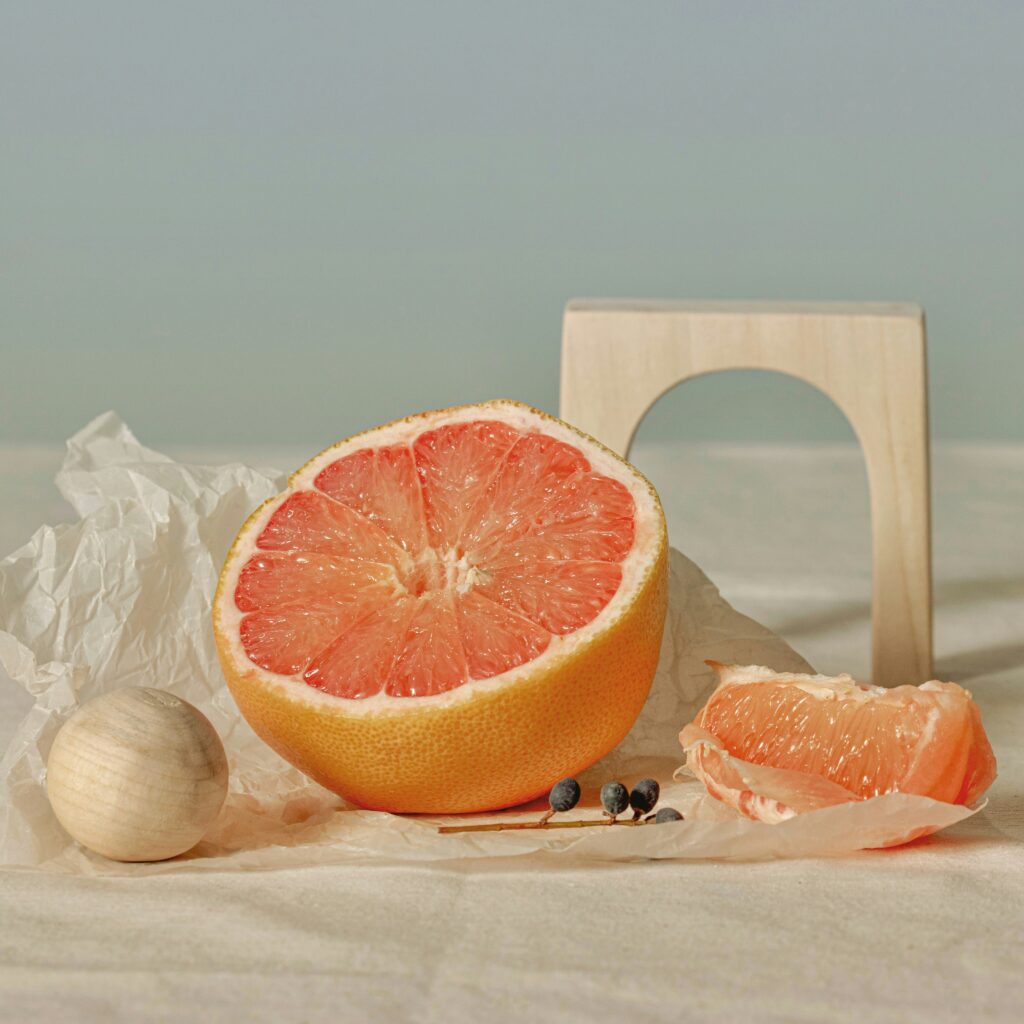
Grapefruit and grapefruit juice can increase the level of certain calcium channel blockers in your blood, causing your blood pressure to drop far too low. If you take medicines like felodipine, you must approach grapefruit with caution and discuss it with your pharmacist.
Calcium channel blockers are widely prescribed to help relax blood vessels and reduce the workload on your heart. However, some of these medicines, such as felodipine, are broken down by a specific enzyme in your digestive system. Grapefruit juice blocks this enzyme from doing its job. Because the enzyme is blocked, it increases the concentration of the medicine that enters your bloodstream.
This sudden increase can lead to an exaggerated drug effect, resulting in a rapid and dangerous drop in your blood pressure. You might feel dizzy, lightheaded, or faint. If you are prescribed these specific medicines, it is usually best to avoid grapefruit entirely. You cannot just leave a few hours between drinking the juice and taking the pill, because the effect of grapefruit on your enzymes can last for a long time.
If you take felodipine or other blood pressure tablets, do not stop or change your medicine without talking to your doctor first. It is important to know that not all blood pressure drugs are affected by grapefruit. For people who enjoy eating citrus fruits like kinnow or grapefruit, ask your doctor if your specific medicine has this blood pressure medication food interaction.
ACE Inhibitors, ARBs, and Potassium-Rich Foods
ACE inhibitors and ARBs can cause your body to hold onto potassium, increasing your risk of hyperkalemia (high blood potassium). You need to be mindful of how much potassium you get from common foods like bananas, dates, potatoes, and spinach (palak).
Medicines like lisinopril are commonly prescribed to lower blood pressure and protect your heart. While they are highly effective, they decrease potassium excretion, which means your kidneys do not flush potassium out in your urine as they normally would. This can lead to dangerously high potassium levels in your blood.
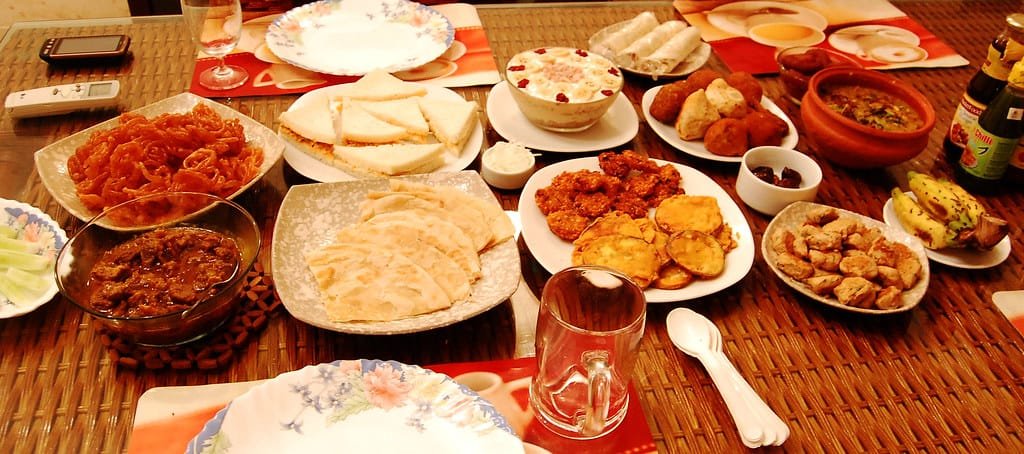
While potassium is usually considered good for blood pressure, getting too much of it while on these medicines can cause irregular heart rhythms and other serious problems. The Pakistani diet is often rich in high-potassium foods. Eating a few dates (khajoor) or a banana is usually fine. However, consuming large portions of potatoes (aloo), spinach (palak), or seasonal fruit chaat every day can quickly add up. In Pakistan, heavy use of these vegetables in everyday curries (salan) means you must be extra careful.
If you have kidney disease, your risk is significantly higher. The risk of hyperkalemia with ACE inhibitors and ARBs increases as kidney function declines, and people with advanced chronic kidney disease require more frequent monitoring of their serum potassium levels, according to the American Diabetes Association standards of care. If you are taking blood pressure medication, talk to your doctor before making major changes to your diet, such as starting the DASH diet for Pakistan. Your doctor can help you plan a [blood pressure diet](https://nuritron.com/high-blood-pressure-diet-pakistan/) that keeps your potassium levels in a safe range.
The Danger of Salt Substitutes
Many salt substitutes replace sodium with potassium, which can be extremely dangerous if you take ACE inhibitors or ARBs for your condition. Using potassium-based salt substitutes alongside these blood pressure medicines significantly increases your risk of hyperkalemia, a potentially life-threatening issue.
When people are diagnosed with high blood pressure, they naturally try to reduce their sodium intake. Often, they reach for low-sodium salt alternatives sold in supermarkets or medical stores across Pakistan. However, these products do not just remove the sodium; they usually replace it with potassium chloride.
The concomitant use of potassium-containing salt substitutes is a known risk factor for developing high blood potassium when you are taking lisinopril or similar medicines. Because your medicine is already causing your body to retain potassium, pouring extra potassium on your daal, roti, or salan is like adding fuel to a fire. This combination can cause a sudden spike in your blood levels, which requires immediate medical attention.
Always read the ingredient label on any salt substitute or seasoning blend. If it lists potassium chloride, do not use it without getting your doctor’s approval first. Instead, try flavouring your meals with natural spices, herbs, lemon juice, garlic, ginger, or green chillies. These ingredients will not interfere with your medicine or put your [heart at risk](https://nuritron.com/trans-fat-banaspati-pakistan/), and they suit local desi recipes perfectly.
Licorice Root (Mulethi) and Blood Pressure
Evidence suggests that consuming natural licorice root (mulethi) can raise your blood pressure and actively counteract the beneficial effects of your antihypertensive medications. You should avoid eating large amounts of real licorice or drinking it daily as a tea to keep your blood pressure stable.
Mulethi is a traditional remedy often used in South Asian households for soothing sore throats, flavouring teas (chai), and making traditional pan masala. However, it contains an active compound called glycyrrhizic acid. Excessive or chronic consumption of this compound leads to sodium retention and low potassium, which elevates both your systolic and diastolic blood pressure, according to a systematic review on licorice and blood pressure.
This means that if you are taking medicine every morning to lower your blood pressure, your regular use of mulethi could be undoing all the benefits of your treatment. Your medicine is trying to relax your blood vessels, while the mulethi is forcing your body to hold onto salt and water, driving your pressure right back up.
It is a good idea to check the ingredients of herbal teas, cough drops, and traditional desi sweets to ensure they do not trigger a blood pressure medication food interaction. An occasional cup of mulethi tea might not cause harm, but daily use is risky for anyone trying to manage hypertension. Always tell your pharmacist about any herbal remedies or desi totkay you use regularly.
Should You Take Your Medication With Food?
Some blood pressure medicines, like captopril, need to be taken on an empty stomach because food reduces their absorption into the bloodstream. Others can be taken with meals to prevent an upset stomach, so the timing depends entirely on your exact prescribed pill.
The presence of food in your gastrointestinal tract can reduce the absorption of captopril by approximately 25 to 40 percent. For this reason, it is generally recommended that you take it on an empty stomach, at least one hour before eating your meals. If you take it alongside a heavy nashta, a large part of the medicine will simply pass through your body without working.
However, this strict rule does not apply to all blood pressure drugs. Many other medicines work perfectly well whether you eat or not. Some are even absorbed better with a little bit of food, or they might cause nausea if taken on a completely empty stomach. This is why you must never guess about any blood pressure medication food interaction.
Always check the instructions printed on your prescription label or ask your pharmacist when you pick up your supply. If you also manage other conditions, you might want to learn about diabetes medication food interactions to make sure you time all your doses correctly throughout the day without missing your meals.
Frequently asked questions
Can I eat bananas with a blood pressure medication food interaction?
It depends on your medicine. If you take an ACE inhibitor or an ARB, these medicines can increase your blood potassium levels. Since bananas are high in potassium, eating too many could put you at risk of high potassium. Ask your doctor how much potassium is safe for you.
Is grapefruit safe with beta-blockers?
Grapefruit primarily interacts with certain calcium channel blockers, not typically with beta-blockers. However, interactions can vary by specific drug. You should always confirm with your pharmacist whether grapefruit is safe with your exact prescription.
Are salt substitutes better for blood pressure?
Not always. While they reduce sodium, many salt substitutes are made with potassium chloride, leading to a severe blood pressure medication food interaction. If you take medicines that cause your body to hold onto potassium, using these substitutes can cause dangerously high potassium levels.
Can I drink mulethi tea while on blood pressure tablets?
It is best to be careful. Natural licorice root, or mulethi, contains a compound that can raise your blood pressure and cause your body to hold onto salt. Regular use might counteract your blood pressure medicine.
About the author

RD Saeed Ahmad, MSPHCo-founder and nutritionist, Nuritron
Nutritionist and public health researcher, and co-founder of Nuritron. Works in clinical and community nutrition, type 2 diabetes and One Health policy.
View full profile and articlesAbout the medical reviewer
Dr. Iqra Noor, Pharm-D, RPhFounder and CEO, IMA Pharmacy Plus, Rahim Yar Khan
Licensed community pharmacist and founder of IMA Pharmacy Plus in Rahim Yar Khan, with experience in regulatory affairs, pharmacy operations and public health research.
View full profile and articles