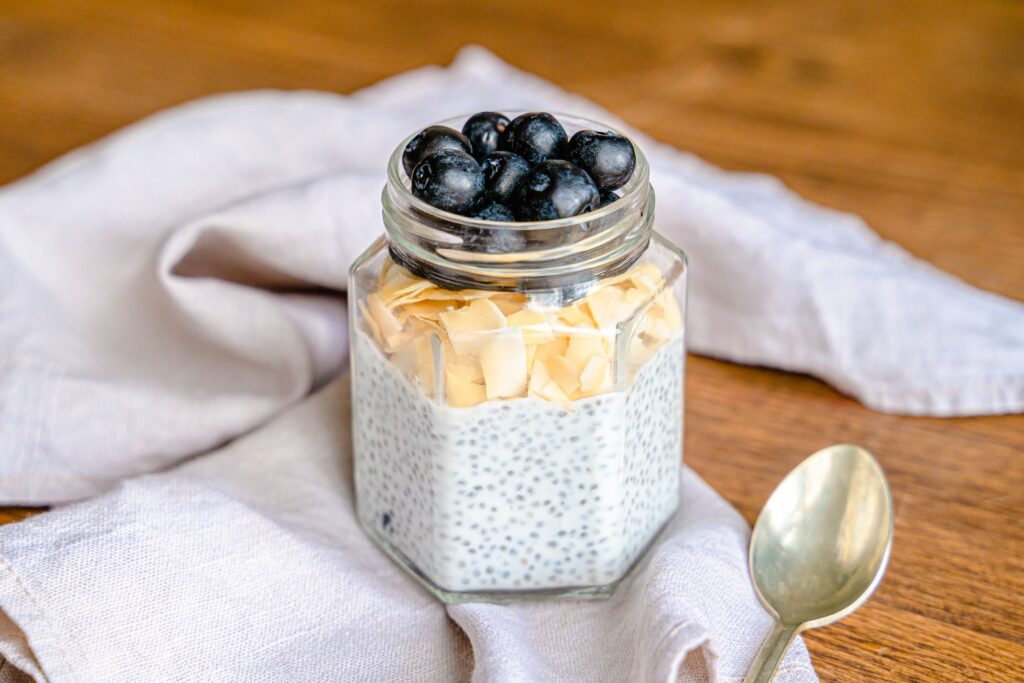
Many women in Pakistan search for chia seeds skin benefits after seeing social media influencers praise them for glowing skin and rapid hair growth. The truth is that chia seeds are packed with nutrients that support healthy skin and hair. However, they work best when eaten as part of a daily diet, rather than applied directly as a face mask.
Key takeaways
- Chia seeds are packed with omega-3s, zinc, and protein, which are essential building blocks for healthy skin and hair.
- The most effective way to see benefits is by eating them regularly, not by applying them as DIY face or hair masks.
- They are not a quick fix for clearing acne or stopping hair loss, but they support overall long-term health when added to a balanced diet.
- Always soak chia seeds before eating them, such as in water, milk, or dahi, to make them easier to swallow and incorporate into meals.
The Nutrients in Chia Seeds That Support Skin and Hair
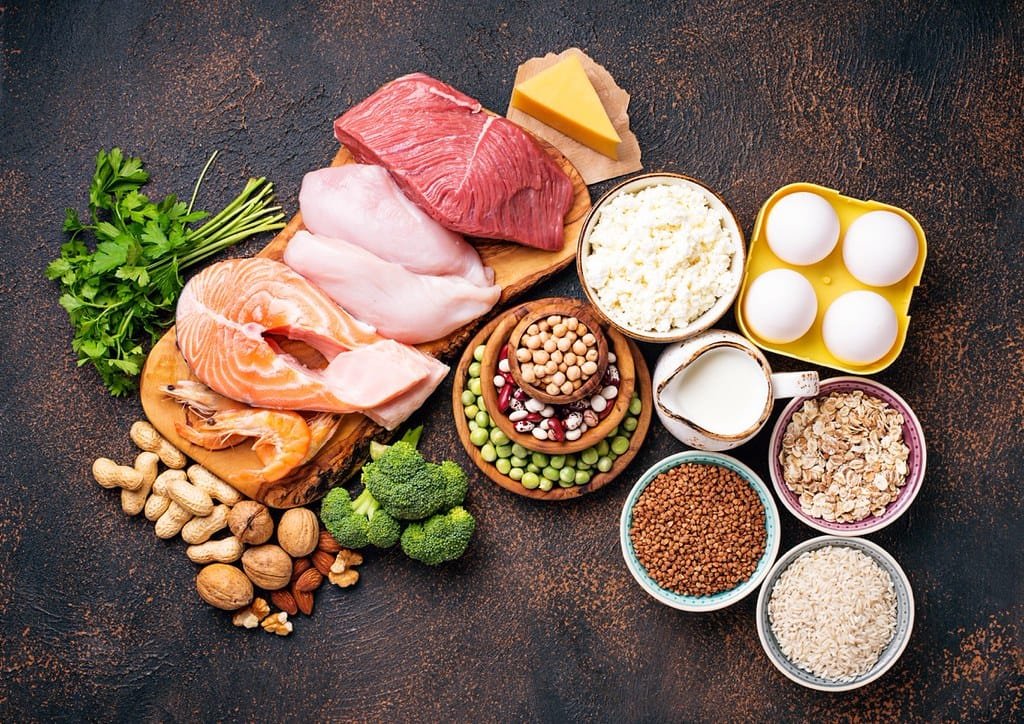
Chia seeds contain plant-based omega-3 fatty acids, zinc, and protein, all of which your body needs to maintain healthy skin and hair. Adding them to your meals gives your body the raw materials it requires to repair skin cells and support hair follicles from the inside out.
When you look at a tiny chia seed, it is easy to wonder how it could possibly change the appearance of your skin or hair. The answer lies in its chemical composition. Chia seeds are incredibly dense in specific nutrients that are often missing from a standard daily diet.
First, they are a rich source of plant-based omega-3 fatty acids, specifically alpha-linolenic acid (ALA). In fact, ALA makes up about 60 percent of all the fatty acids found in these seeds. Your body uses these healthy fats to build cell membranes, including the vital cells that make up your skin barrier. Healthy fats are crucial for keeping moisture locked inside your skin.
Second, chia seeds provide essential minerals and macronutrients. They contain zinc, offering about 4.6 milligrams per 100 grams, and are a good source of plant protein, which makes up about 18 to 24 percent of their mass. Protein and zinc are essential building blocks for skin and hair. Your hair strands are primarily made of a protein called keratin, and your body needs dietary protein to produce it. Zinc plays a critical role in cell division and repair, which is constantly happening in your skin and hair follicles.
In Pakistan, our daily meals often rely heavily on carbohydrates like roti, chawal, and daal. While these provide energy, we might miss out on consistent sources of omega-3s and zinc if we do not eat fish or nuts regularly. Mixing a spoonful of chia seeds into your daily routine is a simple way to fill those nutritional gaps. They are not a magic ingredient, but they provide the exact nutrients your body requires to maintain healthy tissue over the long term.
Are chia seeds skin benefits real?
Yes, eating chia seeds supports skin health because their fatty acids and nutrients help maintain your skin barrier. However, there is no rigorous clinical evidence proving that eating chia seeds alone will cure acne or reverse aging.
When people search for chia seeds skin benefits, they often want to know if these seeds will clear their complexion overnight or make them look ten years younger. The science shows a more grounded, realistic picture. Dietary interventions involving lipids and fatty acids, like the omega-3s found in chia seeds, are associated with improved skin hydration and a reduction in wrinkles. A systematic review found that a higher intake of dietary polyphenols and fatty acids is linked to improved skin barrier function, meaning your skin loses less water and stays hydrated throughout the day.
This means that over time, a diet rich in healthy fats can make your skin look healthier and more resilient. A strong skin barrier blocks environmental damage and keeps irritants out. However, social media often exaggerates these effects to sell products or get views. Currently, there is insufficient evidence to claim that eating chia seeds alone clears acne or reverses aging.
Acne is a complex condition driven by hormones, genetics, and bacteria. While the anti-inflammatory properties of a good diet help overall health, a spoonful of seeds will not work like a medical acne treatment. Similarly, skin aging is a natural process influenced by sun exposure and genetics.
Instead of expecting an overnight glow, think of chia seeds as a daily vitamin for your skin. When you eat them consistently, the omega-3s join the other nutrients in your diet to keep your skin barrier strong. This long-term approach fights dryness and irritation, giving you a naturally healthy complexion over months, not days. If you want to read more about their overall impact, you can explore our guide on chia seeds benefits.
Do Chia Seeds Help With Hair Growth?
Eating chia seeds provides the protein and zinc necessary for normal hair follicle function and growth. While they will not magically stop severe hair fall on their own, they deliver the core nutrients your body needs to grow strong hair.
Hair loss is a common concern for women, especially those dealing with stress, postpartum changes, nutritional deficiencies, or hormonal imbalances. Many turn to natural remedies, hoping for a quick fix. To understand how chia seeds help, you have to look at what hair is made of. Hair is primarily composed of protein, and the follicles require a steady supply of minerals to function correctly.
Adequate dietary protein and zinc are necessary for normal hair follicle function and growth. A systematic review of patients with alopecia areata, a type of hair loss, demonstrated that these individuals often have lower serum levels of zinc compared to healthy controls. While this research focused on a specific medical condition rather than general hair thinning, it highlights the essential role zinc plays in maintaining hair health. Because chia seeds are a good source of zinc and plant protein, they contribute to the daily intake required to keep your follicles active and healthy.
If you are experiencing severe or sudden hair fall, it is important to consult a doctor to check for underlying issues like thyroid problems or an iron deficiency. Chia seeds are not a cure for medical hair loss. But if your hair is thinning because your diet lacks protein and essential minerals, adding chia seeds to your meals is a smart, evidence-based step toward better hair growth.
Eating vs. Applying: Which Actually Works?
Eating chia seeds is far more effective than applying them directly to your skin or hair. Topical application of whole or soaked chia seeds lacks robust clinical evidence for hair growth or skin repair compared to dietary consumption.
The internet is full of DIY recipes for chia seed face masks and hair gels. Influencers claim that applying the sticky, gel-like substance directly to your face will hydrate your skin or make your hair grow faster. However, the scientific evidence does not support these claims.
Topical application of whole or soaked chia seeds lacks robust clinical evidence for hair growth compared to dietary consumption. While topical omega-3 fatty acids show some beneficial anti-inflammatory effects in skin disease models, scientists lack consensus on the optimal dosage or delivery methods. This means more clinical studies are needed before it can be recommended as a reliable treatment. Smearing crushed or soaked seeds on your face does not guarantee that the large fatty acid molecules will penetrate your skin barrier effectively.
| Method | How it works | What the evidence says |
|---|---|---|
| Eating chia seeds | Digestion breaks down nutrients so your body can absorb and distribute them to cells. | Strong evidence that dietary omega-3s, zinc, and protein support skin and hair health from within. |
| Applying chia seed gel | The gel sits on the surface of the skin or hair strands. | Lacks robust clinical evidence. May provide temporary surface moisture, but nutrients are unlikely to penetrate deeply. |
When you eat chia seeds, your digestive system extracts the omega-3s, zinc, and protein, sending them straight to your bloodstream where they are delivered directly to your skin cells and hair follicles. Applying them as a mask is mostly a waste of good food. Save your seeds for your breakfast bowl, where they can actually do their job.
How to Add Chia Seeds to Your Daily Routine in Pakistan
The best way to use chia seeds is to soak them in water, milk, or dahi before eating them. This culinary practice softens the seeds, making them easier to swallow and mix into your daily desi meals.
Many people buy a packet of chia seeds but then leave it in the cupboard because they do not know how to eat them. Unlike tukh malanga, which have been used in Pakistani drinks like rooh afza for generations, chia seeds are a newer import. However, they can be used in very similar ways. For a deep dive into the local context, read our chia seeds in urdu guide.
While there is no strong clinical evidence proving that soaked chia seeds have better nutrient absorption than dry ones, soaking them is a practical culinary best practice. Dry chia seeds absorb many times their weight in liquid. If you eat them completely dry, they can feel scratchy in your throat or expand uncomfortably in your stomach. When soaked, they form a gel that is easy to swallow and blends smoothly into foods.
Here is how you can easily add them to a Pakistani routine:
- Morning hydration: Soak a tablespoon of chia seeds in a glass of water overnight. Drink it first thing in the morning with a squeeze of lemon.
- With dahi: Stir a spoonful of soaked seeds into plain yogurt or raita with your lunch.
- In milk or lassi: Blend them into your daily glass of milk, a banana smoothie, or a sweet lassi.
- During Sehri: If you are fasting, chia seeds are excellent for sehri. Mix them into your porridge or milk to help you stay full longer throughout the day.
You do not need to eat huge amounts. One to two tablespoons a day is plenty to get the zinc, protein, and omega-3s your body needs. Eating too many without enough water can cause digestive issues, which you can learn more about in our chia seeds side effects article.
Frequently asked questions
Are chia seeds skin benefits achievable by applying chia seed gel directly to my face?
No. Topical application of whole or soaked chia seeds lacks robust clinical evidence for skin repair or hair growth compared to dietary consumption. It is much better to eat them so your body can absorb the nutrients internally.
How long does it take to see skin benefits from eating chia seeds?
There is no exact timeline. Insufficient direct evidence exists to prove that eating chia seeds alone clears acne or reverses aging rapidly. However, dietary changes that improve the skin barrier generally take several weeks to months of consistent habits.
Are chia seeds better than tukh malanga for hair growth?
Both are healthy, but chia seeds are a richer source of plant-based omega-3 fatty acids (ALA) and protein, which are essential building blocks for hair. Tukh malanga is great for cooling the body, but chia has a stronger nutritional profile for long-term hair health.
Does chia seed water improve skin complexion?
Drinking chia seed water helps keep you hydrated, and the omega-3s in the seeds support a healthy skin barrier over time. However, it is not a magical cure for a bad complexion, and it will not clear breakouts overnight.
Does applying chia seed gel stop hair fall?
How much chia seeds should I eat daily for hair growth?
One to two tablespoons a day is a good amount. This provides a steady intake of zinc and protein necessary for normal hair follicle function, without causing stomach discomfort.
About the author

RD Saeed Ahmad, MSPHCo-founder and nutritionist, Nuritron
Nutritionist and public health researcher, and co-founder of Nuritron. Works in clinical and community nutrition, type 2 diabetes and One Health policy.
View full profile and articlesAbout the reviewer

Jamshaid Ibrahim, HNDNutritionist and food processing specialist
Nutritionist and food processing specialist. Built production for traditional health products at Glaxay Foods, with the food safety and packaging compliance behind it.
View full profile and articles