Finding a 1 day meal plan for type 2 diabetes pakistan can feel overwhelming when you are first diagnosed. You might think you have to give up roti, rice, and your favorite traditional curries. However, managing your blood sugar does not mean eating bland, boiled food every day. You can enjoy a practical 1 day meal plan for type 2 diabetes pakistan using the local ingredients you already have in your kitchen.
Key takeaways
- A diabetes-friendly diet doesn’t mean giving up Pakistani food; it means balancing your plate.
- Fill half your plate with non-starchy vegetables like palak or bhindi.
- Choose whole grains like chakki atta over refined flours.
- Always pair carbohydrates with a protein source (meat, dal, yogurt) to slow down sugar absorption.
What a Diabetes-Friendly Plate Looks Like
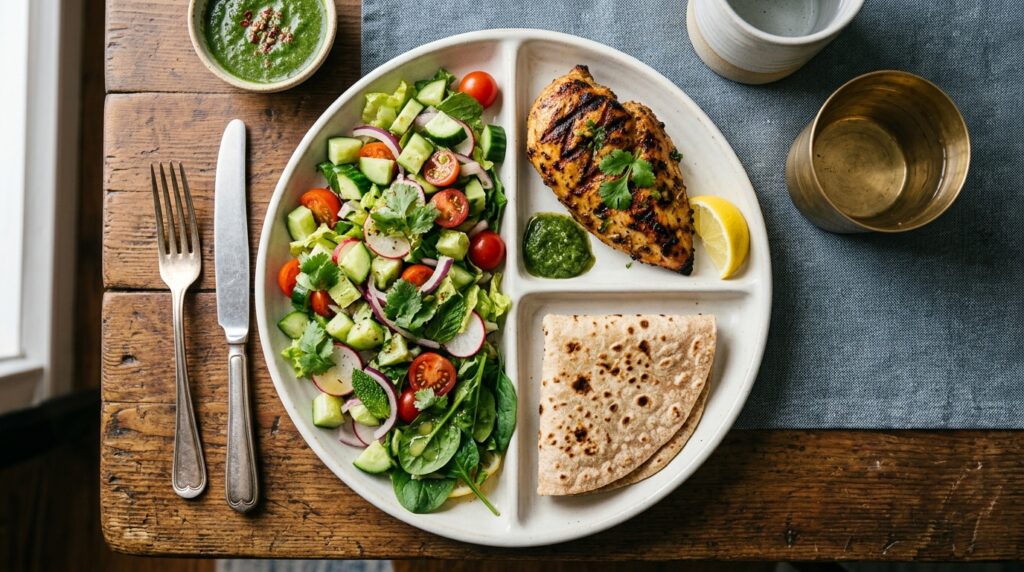
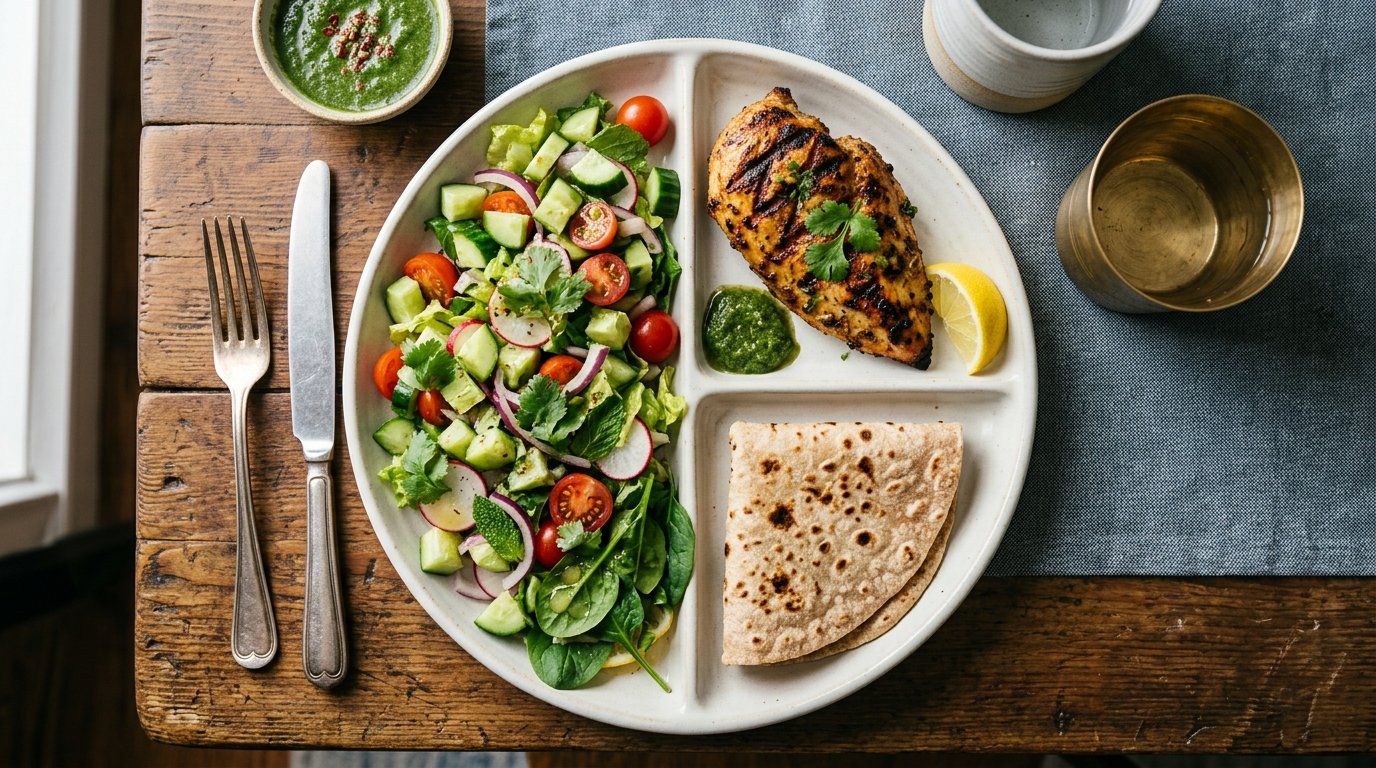
Before jumping into the 1 day meal plan for type 2 diabetes pakistan, you need to understand how to build your plate. Using the Diabetes Plate Method is a simple and effective way to manage post-meal blood glucose levels. This means dividing your plate into three sections.
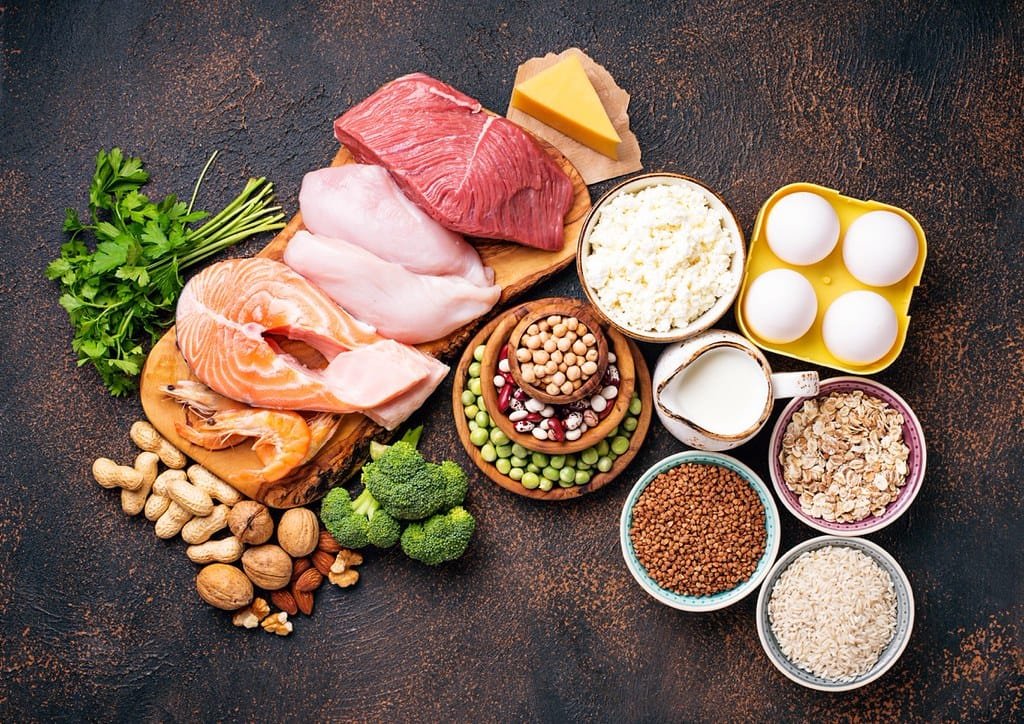
Fill half of your plate with non-starchy vegetables. These provide essential nutrients and fiber without raising your blood sugar. Fill one-quarter with lean protein, such as chicken, fish, or daal. Fill the final quarter with complex carbohydrates, such as whole wheat roti or brown rice. This visual method is the foundation of any good 1 day meal plan for type 2 diabetes pakistan and aligns with WHO healthy diet guidelines.
Morning: Breakfast Ideas
Your morning meal sets the tone for your blood sugar control for the rest of the day. A healthy 1 day meal plan for type 2 diabetes pakistan starts with a balanced breakfast. Avoid traditional parathas made with refined flour (maida) and sweetened chai, as these will cause a rapid spike in your glucose levels.
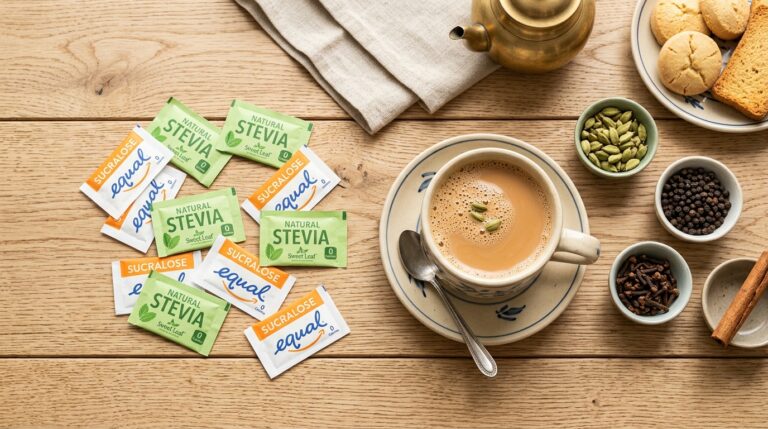
Instead, switch to whole wheat chakki atta. Whole grain and high fiber substitutions for refined flour, as well as inclusion of non-starchy vegetables, resulted in significantly lower postprandial blood glucose spikes compared to refined wheat flour. You can have one small whole wheat roti or a bran paratha cooked with minimal oil. Pair it with an egg omelette packed with onions, tomatoes, and spinach. This combination gives you the energy you need while keeping your blood sugar stable. Enjoy your morning tea, but replace regular sugar with a safe sweetener or skip the sweetener entirely.
Midday: Lunch Using Everyday Salan
For lunch, your 1 day meal plan for type 2 diabetes pakistan should utilize standard homemade salan. You do not need to cook a separate meal for yourself. The key is how you portion it and what you eat alongside it. Combining carbohydrates with protein or healthy fats slows gastric emptying and delays glucose absorption, significantly blunting the postprandial glycemic excursion.
Start by serving yourself a generous portion of fresh salad. Cucumbers, tomatoes, and leafy greens will fill you up. Next, take a standard serving of the family’s chicken or beef salan, but drain away the excess surface oil. Pair this with a single whole wheat roti or a small bowl of rice. If you eat rice, try to use brown rice, or mix white rice with plenty of vegetables to increase the fiber content. This approach makes your 1 day meal plan for type 2 diabetes pakistan completely sustainable.
Evening: Dinner and Portion Control
Dinner in a 1 day meal plan for type 2 diabetes pakistan should be light but satisfying. Eating a heavy meal right before bed can lead to elevated fasting blood sugar levels the next morning. Focus heavily on non-starchy vegetables and lean proteins.
You can enjoy dishes like chicken karahi or a vegetable sabzi such as bhindi, tinda, or palak. These vegetables are low in carbohydrates and high in essential nutrients. Limit your carbohydrate portion to half a roti or skip it entirely if your salan includes starchy vegetables like potatoes. Remember, portion-controlled complex carbohydrates from whole grains and vegetables are essential and can be safely included in diets for managing non-communicable diseases, including diabetes.
Snacks and Managing Cravings
Managing hunger between meals is crucial for maintaining your blood sugar levels. Spacing meals and snacks evenly throughout the day can prevent hypoglycaemia in patients on insulin or secretagogues. A well-designed 1 day meal plan for type 2 diabetes pakistan includes smart snacking options.
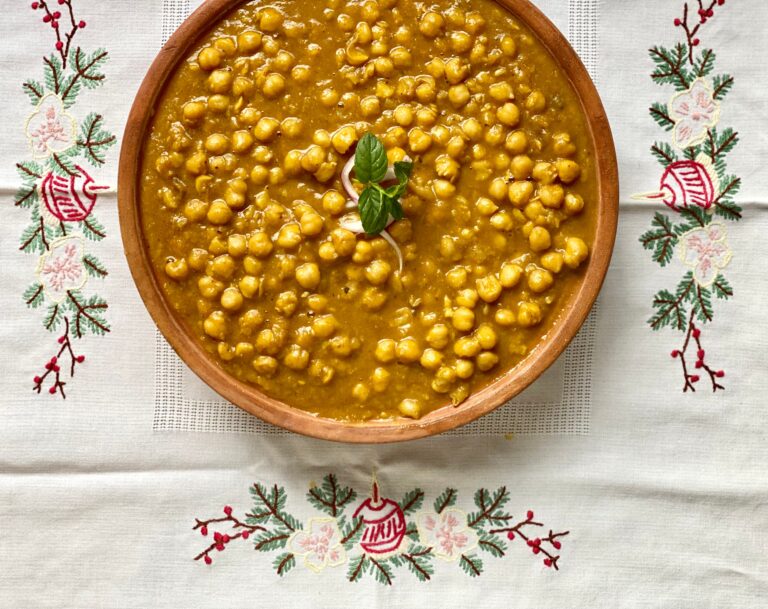
Instead of reaching for biscuits, nimko, or bakery items, choose snacks that contain protein or fiber. A small handful of unsalted almonds or walnuts is an excellent choice. You can also have a small bowl of plain yogurt with a pinch of roasted cumin, or some roasted chana (chickpeas). If you crave something sweet, a small portion of fresh fruit like an apple or guava is safe when eaten in moderation. Always pair your fruit with a few nuts to prevent a sudden sugar spike.
What to do next
Implementing a 1 day meal plan for type 2 diabetes pakistan is the first step toward taking control of your health. Start by applying the Diabetes Plate Method to your next meal. Focus on adding more vegetables and lean protein to your plate while controlling your carbohydrate portions. Remember that consistency is more important than perfection. By making small, sustainable changes to your daily eating habits, you can successfully manage your blood sugar levels while still enjoying the rich and flavorful foods of Pakistan. If you need more guidance, consider working with a registered dietitian to create a personalized 1 day meal plan for type 2 diabetes pakistan that perfectly fits your lifestyle and medical needs.
Frequently asked questions
Can I eat rice if I have type 2 diabetes?
Yes, you can include rice in a 1 day meal plan for type 2 diabetes pakistan. Portion-controlled complex carbohydrates from whole grains and vegetables are essential and can be safely included in diets for managing non-communicable diseases, including diabetes. Keep your portion to a small bowl and always eat it with a large serving of vegetables and protein to slow down sugar absorption.
How many rotis should a diabetic eat in a day?
The number of rotis depends on your individual energy needs and activity level. Generally, one small to medium whole wheat roti per meal is appropriate for most people. Always ensure it is made from chakki atta, as whole grain and high fiber substitutions for refined flour resulted in significantly lower postprandial blood glucose spikes compared to refined wheat flour.
Can I still eat traditional curries?
Yes. You can eat standard homemade salan. The key is to control your portion sizes, use less oil during cooking, and ensure your meal includes plenty of non-starchy vegetables and a good source of protein. This makes following a 1 day meal plan for type 2 diabetes pakistan realistic and enjoyable.
Do I have to eat bland food?
No. Spices and herbs used in Pakistani cooking, such as turmeric, cumin, coriander, and garlic, are excellent for your health and do not raise blood sugar. A 1 day meal plan for type 2 diabetes pakistan can be full of flavor and traditional taste.
What is a safe snack between meals?
A safe snack combines protein and fiber. Good options include a small handful of unsalted nuts, roasted chana, or plain yogurt. These snacks help keep your blood sugar stable between main meals in your 1 day meal plan for type 2 diabetes pakistan.
About the author

Jamshaid Ibrahim, HNDNutritionist and food processing specialist
Nutritionist and food processing specialist. Built production for traditional health products at Glaxay Foods, with the food safety and packaging compliance behind it.
View full profile and articlesAbout the medical reviewer

RD Saeed Ahmad, MSPHCo-founder and nutritionist, Nuritron
Nutritionist and public health researcher, and co-founder of Nuritron. Works in clinical and community nutrition, type 2 diabetes and One Health policy.
View full profile and articles