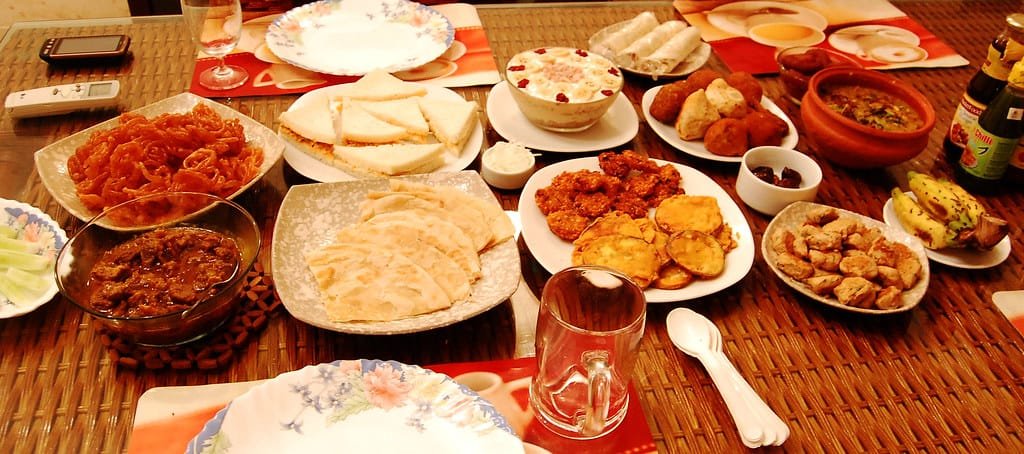
Yes, most people with type 2 diabetes can fast safely during Ramadan if they get an individual risk check and prepare beforehand, according to current guideline bodies. If you need to break your fast partway through for low blood sugar, that is medically necessary, not a failure, and Islamic guidance recognises it as such. This guide to fasting with diabetes in Ramadan covers who needs extra caution, what counts as an emergency, what to eat at sehri and iftar, and what to do before Ramadan starts.
Key takeaways
- Breaking your fast for low blood sugar is medically necessary and religiously permitted. It is not a failed fast, and not a personal failure
- Not everyone with diabetes should fast. Guideline bodies set out who is advised against it, and it is a decision to make with your doctor, not from this article alone
- Get your medicines reviewed before Ramadan starts, not after it begins. Do not change or stop any diabetes medicine on your own
- Know your numbers before you need them: the blood sugar level that means break your fast now, and the symptoms that mean the same thing
- Sehri and iftar are where you have the most control. It does not mean giving up dates, just going easy on the fried and sugary side of the iftar table
Is fasting with diabetes in Ramadan safe?
Yes, in most cases, if you prepare. IDF-DAR’s guideline says most people with type 2 diabetes can fast safely during Ramadan, provided they get an individual risk assessment beforehand. A separate 2024 consensus from diabetes specialists agrees.
Islam already excuses anyone who is unwell from fasting, so you are not choosing between your faith and your health. This article does not decide whether you are allowed to fast. It helps you fast the way guideline bodies say is safer: know your risk category, get your medicines checked, know when to break your fast, and know what to eat at sehri and iftar.
Two things decide how much caution you need: which risk category you fall into, covered next, and how your current medicines and control add extra risk, which your doctor is best placed to judge.
One scope note. This article is written for type 2 diabetes, the more common condition and the one guideline bodies have studied fasting risk in most. Type 1 diabetes carries different, faster risks, including a quicker path to a dangerous blood sugar emergency called diabetic ketoacidosis. It needs its own plan made with a doctor rather than the numbers in this article.
Who should not fast with diabetes, and who must speak to a doctor first
IDF-DAR, the guideline body written jointly by diabetes specialists and Islamic scholars, sorts people into three risk categories using a points-based score. The table below shows what each category generally means. This replaced an older four-category version. The guideline’s current text says the two highest groups were merged because they carried the same advice. If you have read a four-category version elsewhere, it is out of date.
| Risk category | Score | What it generally means |
|---|---|---|
| Low | 0 to 3 | Fasting is usually considered safe with normal precautions |
| Moderate | 3.5 to 6 | Extra caution needed; the decision is made with your doctor |
| High | above 6 | Guideline bodies advise against fasting |
This table is for orientation, not for scoring yourself. Only a doctor who knows your full history can work it out properly.
Several factors alone can push someone into the high-risk group:
- Not being able to feel a low blood sugar coming on.
- A severe low in the recent past.
- A dangerous high (diabetic ketoacidosis) in the past three months.
- Unstable heart or blood vessel disease.
- Poor kidney function.
- Pregnancy with diabetes that is not well controlled.
- Reduced mental clarity or frailty.
IDF-DAR names these factors specifically. Type 1 diabetes and pregnancy with diabetes are also named as groups needing close medical supervision if they fast against advice.
If you are in the moderate group, this is not a flat no. The decision, and how closely you are watched if you do fast, is one to make with your doctor.
Getting your diabetes medicines reviewed before Ramadan
Book a review with your doctor or pharmacist 6 to 8 weeks before Ramadan starts, not the week before. IDF-DAR names this window specifically, giving your doctor time to act on what the review finds.
A pre-Ramadan review generally covers your risk score, how often to check your blood sugar, what counts as a reason to break your fast, exercise, fluids, meal planning and your medicines. What it covers is a decision for your doctor and you together. Nothing here tells you what to change.
Some diabetes medicines carry more risk of low blood sugar (hypoglycaemia) during a fasting day than others. Guideline bodies rank insulin, and some sulfonylurea tablets such as glibenclamide, as higher risk than metformin, DPP-4 inhibitor tablets, or sulfonylureas such as gliclazide MR and glimepiride.. This is a risk classification only. It does not tell you what to switch to or when, and neither will this article. Any change, including to dose or timing, belongs to your doctor or pharmacist.
If you take metformin, it is worth asking about its link with vitamin B12 at the same appointment. A pre-Ramadan review is a natural time to raise it, since your doctor is already going through your medicines with you.
Do not stop, start or change the dose or timing of any [diabetes medicine during Ramadan fasting](https://nuritron.com/medication-during-ramadan-fasting/) on your own.
When to break your fast, and why that is not a failure
Break your fast right away if any of the following happen.
- Low blood sugar: a reading below 70 mg/dl, or symptoms of a low even without a reading, such as shakiness, sweating, confusion or extreme thirst.
- High blood sugar: a reading above 300 mg/dl.
- Feeling acutely unwell: fever, diarrhoea, vomiting or exhaustion.
These are the thresholds IDF-DAR’s guideline gives, echoed by other guideline bodies using the same numbers..
This is not a lesser fast, and it is not a personal failure. IDF-DAR’s own guidance, reviewed and approved by the Grand Mufti of Egypt, states it plainly: those who do not fast due to their medical condition “are indeed equally rewarded like those who fast and should not feel guilty”. The guideline notes this specific ruling may not reflect every country’s religious position and says further regional discussion is welcome, but the principle that your health comes first runs through the whole guidance.
Breaking your fast for a medically necessary reason is treated as expected, not exceptional. Doctors are told to give patients “strict instructions to break their fast if they need to”. If you can, treat a low blood sugar with a fast-acting sugar such as a few dates, a glass of juice or a spoon of sugar in water, then test again after 15 minutes. If you cannot check your blood sugar and you feel these symptoms, break your fast anyway.
A fast missed for a medical reason can generally be made up on another day once your health allows it.
What to eat at sehri and iftar when you have diabetes
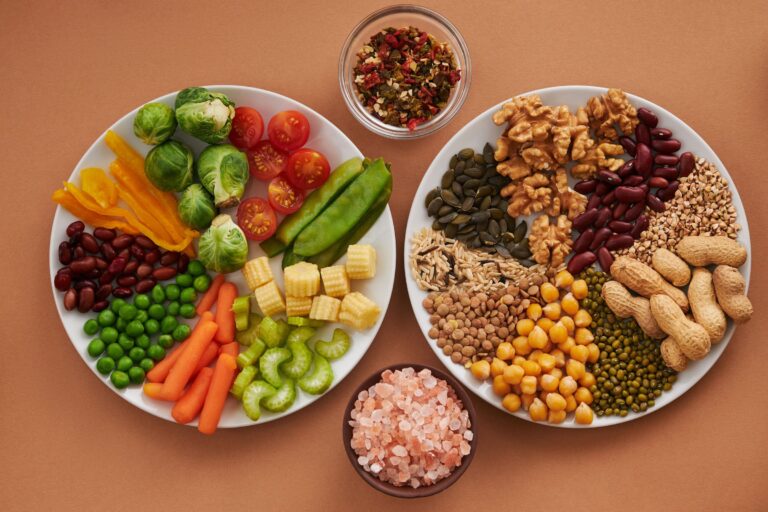
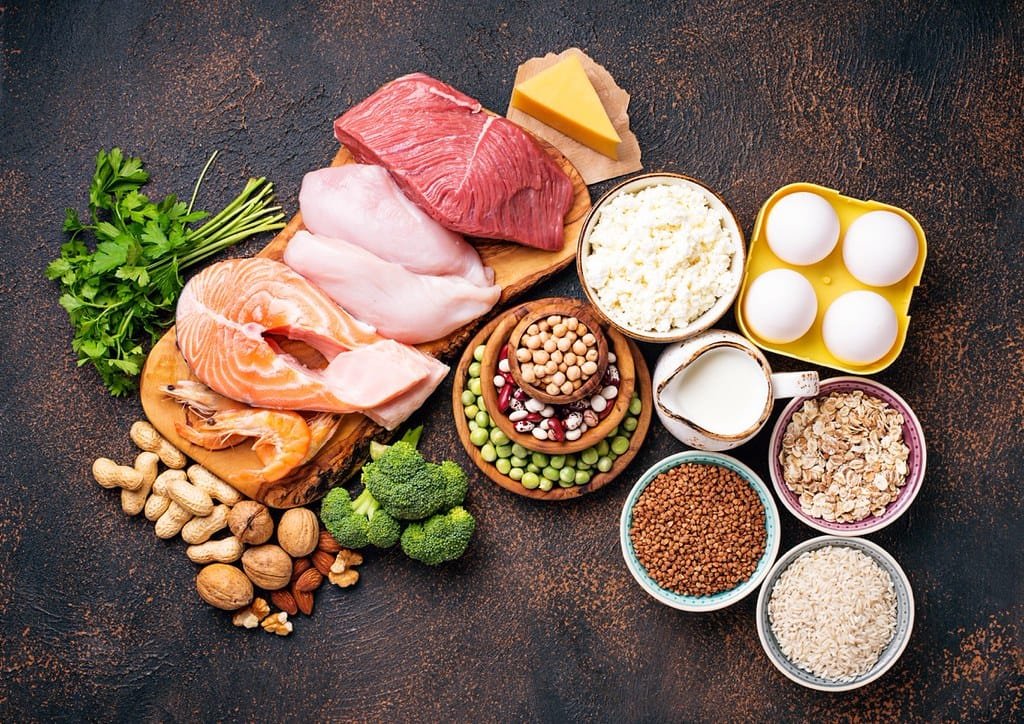
Split your food across both meals rather than loading up at iftar: complex carbohydrates and protein at sehri to carry you through the day, and a lighter, balanced iftar plate. The guideline recommends roughly 45 to 50% complex carbohydrates such as barley, wheat, oats, beans and lentils, 20 to 30% protein and under 35% fat, with plenty of fruit, vegetables and salad.
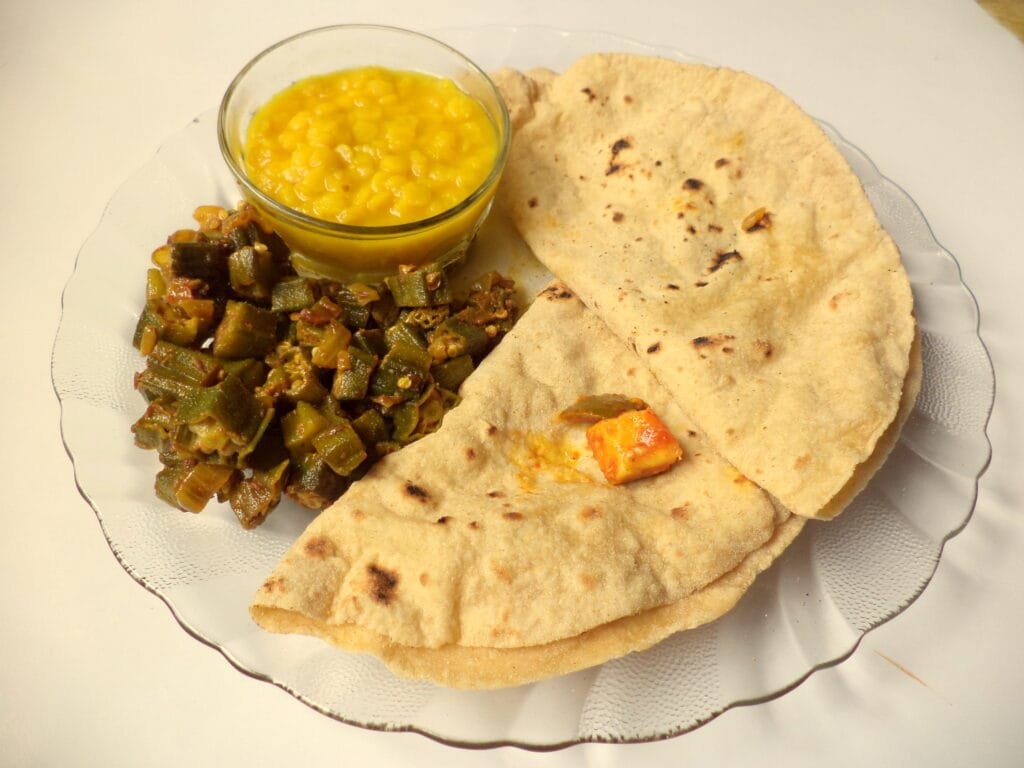
At sehri, the guideline recommends complex, not simple, carbohydrates: roti made from atta, daal, sabzi, dahi and eggs, foods that digest slowly and keep your blood sugar steadier for longer. Protein at sehri, such as eggs, dahi or a small portion of meat, helps you stay fuller through the day.
At iftar, the guideline recommends simple carbohydrates to open the fast, which fits the tradition of breaking with a date or two. Dates also carry fibre, which the guideline recommends generally alongside beans, rice and granary bread. Its main advice for the rest of the plate is caution: it names ghee, samosas and pakoras as foods to go easy on for their saturated fat, and advises against sugary desserts such as jalebi.
This does not mean an iftar without chana chaat or a small samosa. Most of the plate should be roti, daal, salad and grilled or home-cooked protein, with fried items and sugary drinks such as Rooh Afza kept small. Stay hydrated between iftar and sehri with water rather than sweetened or caffeinated drinks.
Checking your blood sugar during a fasting day
Checking your blood sugar with a fingerstick test does not break your fast. IDF-DAR addresses this directly, calling it a common misconception, and states clearly that blood glucose monitoring, and insulin injections, do not invalidate a fast.
How often you should test depends on your risk category. If you are low or moderate risk, once or twice a day is generally enough. If you are high risk, or your doctor has advised closer monitoring, several checks a day are recommended. A commonly recommended schedule checks at sehri, mid-morning, midday, mid-afternoon, just before iftar, about two hours after iftar, and any time you feel symptoms of a low or a high.
Do not treat testing as optional because it feels like it undermines the fast. It is the opposite: it is how you catch a problem early enough to act on it safely.
What to do before Ramadan starts
- Book a medicine review with your doctor or pharmacist 6 to 8 weeks ahead, not the week before
- Ask where you fall on the risk score, and whether your doctor advises against fasting this year
- Know your two numbers: below 70 mg/dl and above 300 mg/dl mean break your fast now
- Keep a way to test your blood sugar, and a fast-acting sugar such as dates or juice, within reach through the day
- If you fast alone, tell someone and keep your phone near you in case you need help
Do not change or stop any diabetes medicine, or decide alone whether to fast, based on this article. That decision belongs to you and your doctor, together, before Ramadan begins.
Frequently asked questions
Can I fast with diabetes during Ramadan?
Most people with type 2 diabetes can, if they get an individual risk assessment first. Guideline bodies sort people into a low, moderate or high risk score, and the decision depends on which group you fall into.
Who should not fast with diabetes during Ramadan?
Generally, anyone scored as high risk. This can include not being able to feel a low blood sugar coming on, a severe low or dangerous high in recent months, or unstable heart disease. Poor kidney function and pregnancy with diabetes that is not well controlled are also included. Type 1 diabetes and pregnancy also need close medical supervision if fasting.
What blood sugar level means I should break my fast?
Below 70 mg/dl or above 300 mg/dl, or symptoms of either, or symptoms of acute illness such as fever, vomiting or exhaustion.
Is it allowed in Islam to break my fast for low blood sugar?
Yes. IDF-DAR’s guideline, reviewed and approved by the Grand Mufti of Egypt, states that those who do not fast due to their medical condition are equally rewarded as those who fast, and should not feel guilty.
What should I eat at sehri and iftar to keep my blood sugar stable?
Complex carbohydrates, protein and fibre at sehri, such as roti, daal, dahi and eggs. At iftar, break with something simple like dates, then a balanced plate light on fried food and sugary items such as jalebi.
Should I stop or change my diabetes medicine to fast?
No, not on your own. Get your medicines reviewed 6 to 8 weeks before Ramadan. Some medicines, such as insulin and certain sulfonylurea tablets, carry more risk of low blood sugar than others, but any change is a decision for your doctor. — This article is for general information. It is not medical advice, and it is not a substitute for a consultation. Do not change or stop any diabetes medicine, or decide alone whether to fast, based on this article. Speak to your doctor or pharmacist about your own situation before Ramadan begins, especially if you are pregnant, have type 1 diabetes, or have had a severe low or high blood sugar episode recently.
About the author

RD Saeed Ahmad, MSPHCo-founder and nutritionist, Nuritron
Nutritionist and public health researcher, and co-founder of Nuritron. Works in clinical and community nutrition, type 2 diabetes and One Health policy.
View full profile and articles