Soluble fibre is the fraction of plant fibre that dissolves in water and forms a gel, and it is the part most closely tied to gut health. Because no human enzyme can digest it, it reaches the colon intact — which is where most of its useful work happens. It behaves quite differently from the insoluble fraction, which mostly adds bulk and speeds transit.
What soluble fibre actually is
Soluble fibres include beta-glucans in oats and barley, pectins in fruit, inulin in chicory and onion, and the resistant starch that forms when starchy food is cooked and cooled. They share one property rather than one chemical structure: in water they form a viscous gel. That viscosity, not the fibre itself, drives most of the short-term effects on digestion.
How it changes digestion and absorption
The gel slows gastric emptying and thickens the layer of fluid against the intestinal wall, so glucose and bile acids are absorbed more gradually. This is the mechanism behind the modest but consistent effects of oat beta-glucan on post-meal glucose and on LDL cholesterol. Saturated fat is the other side of the same LDL question, and our review of whether desi ghee is healthy covers that half. A large series of systematic reviews found that higher fibre intake tracked with lower all-cause mortality and lower incidence of coronary heart disease, type 2 diabetes and colorectal cancer across prospective cohort studies, though observational data of that kind cannot on its own establish cause.
Fermentation and short-chain fatty acids
Once soluble fibre reaches the colon, resident bacteria ferment it. The main products are the short-chain fatty acids acetate, propionate and butyrate. Butyrate in particular is the preferred fuel of the cells lining the colon, which is one reason fermentable fibre is discussed in the context of gut barrier function. The gas produced by the same process is also why a sudden increase in intake causes bloating.
How much you need each day
European guidance sets an adequate intake of 25 g of total dietary fibre per day for adults. Most adults in Western countries fall well short of that. The figure covers total fibre rather than the soluble fraction specifically, and no separate soluble target is widely agreed, which is worth knowing before buying anything marketed against one.
Where to get it without supplements
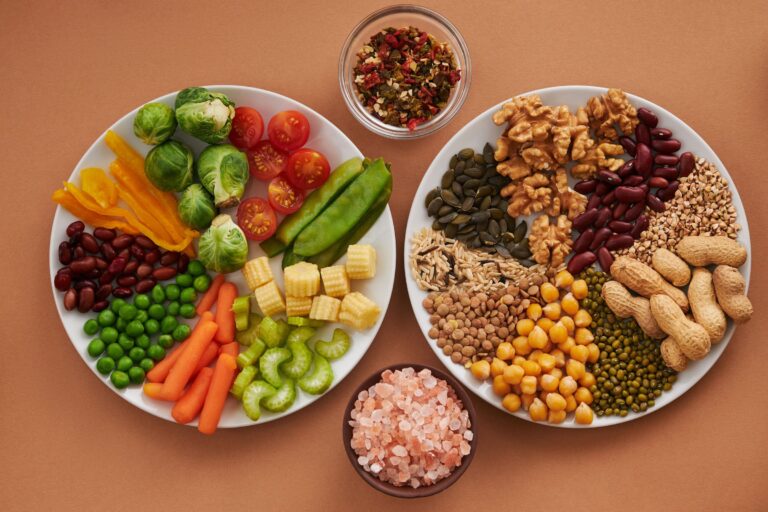
Oats, barley, beans, lentils and chickpeas — which also contribute meaningfully to daily protein — apples, pears, citrus, carrots, flaxseed and psyllium are all meaningful sources. Cooked-and-cooled potato, rice and pasta contribute resistant starch. A supplement is rarely the first thing to reach for: whole foods bring the insoluble fraction, the micronutrients and the polyphenols along with them, and the evidence base for benefit is built on food intake rather than isolated fibre.
Who should increase intake slowly
Anyone with IBS, inflammatory bowel disease, a history of bowel obstruction, or who is recovering from abdominal surgery should change fibre intake gradually and with clinical guidance. Fermentable fibres are also the FODMAPs that a low-FODMAP protocol deliberately restricts, so “eat more fibre” is not universal advice. Increase over weeks rather than days, and raise fluid intake alongside it.
Common questions about soluble fibre
Is soluble fibre better than insoluble fibre?
Neither is better in general terms, because they do different jobs. The gel-forming type is readily fermented, which is what influences post-meal glucose, LDL cholesterol and short-chain fatty acid production. The insoluble kind mainly adds bulk and speeds transit. A varied plant-based diet supplies both without needing to count them separately.
How much soluble fibre should I eat per day?
No separate target for this fraction is widely agreed. European guidance sets an adequate intake of 25 g of total dietary fibre per day for adults, and most people fall well short of that figure. Meeting the overall intake from varied whole foods will supply a reasonable amount automatically.
Does it cause bloating?
It can, especially if you increase intake quickly. Bloating is a by-product of bacterial fermentation in the colon producing gas. Building up over several weeks rather than days, and raising fluid intake alongside it, usually reduces the effect considerably.
Do I need a supplement?
Most people do not. Whole foods bring the insoluble fraction, micronutrients and polyphenols along with them, and the evidence for benefit is largely built on dietary intake rather than isolated supplements. Products such as psyllium have a role in specific clinical situations, which is a decision to make with a clinician.
Is it safe with IBS?
Not always, and not without guidance. Many fermentable types are FODMAPs, which a low-FODMAP protocol deliberately restricts. Anyone with IBS, inflammatory bowel disease or a history of bowel obstruction should change their intake gradually and under clinical supervision.
About the author

Jamshaid Ibrahim, HNDNutritionist and food processing specialist
Nutritionist and food processing specialist. Built production for traditional health products at Glaxay Foods, with the food safety and packaging compliance behind it.
View full profile and articlesAbout the medical reviewer

RD Saeed Ahmad, MSPHCo-founder and nutritionist, Nuritron
Nutritionist and public health researcher, and co-founder of Nuritron. Works in clinical and community nutrition, type 2 diabetes and One Health policy.
View full profile and articles