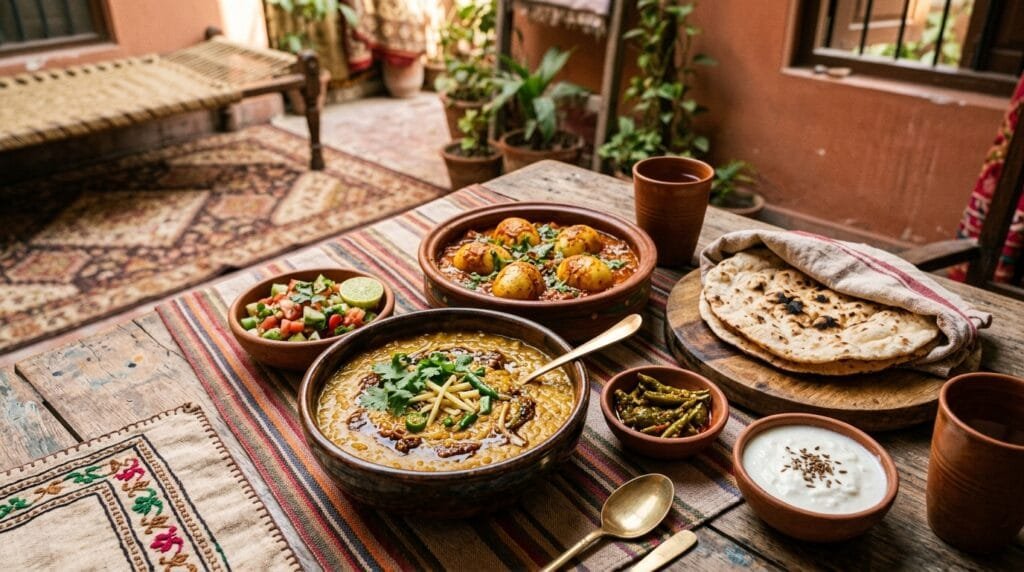
When searching for protein foods Pakistan offers, you will find everyday local staples like dal, eggs, and dairy rather than just expensive meats. When you search for the best protein foods Pakistan has to offer, Nuritron recommends evaluating real portion sizes. Most tables show raw weights that are impossible to eat, or Western foods that are expensive. You can hit your daily targets using these protein foods Pakistan produces locally, provided you understand how cooking changes their actual protein density.
Key Takeaways
- 100g raw protein tables lie because pulses expand with water while meat shrinks.
- Eggs remain the undisputed king of cheap, complete protein in Pakistan.
- You can hit your daily protein targets (see our guide on macronutrient daily requirements) using local dals and dairy without buying expensive supplements or daily meat.
Why 100g Tables Are Misleading
Most fitness blogs list pulses as having 20 to 25 grams of protein per 100 grams, making them look equal to chicken. Comparing raw weights of dal to cooked weights of meat gives a false impression of how much protein you actually eat according to the Indian Food Composition Tables (IFCT) 2017.
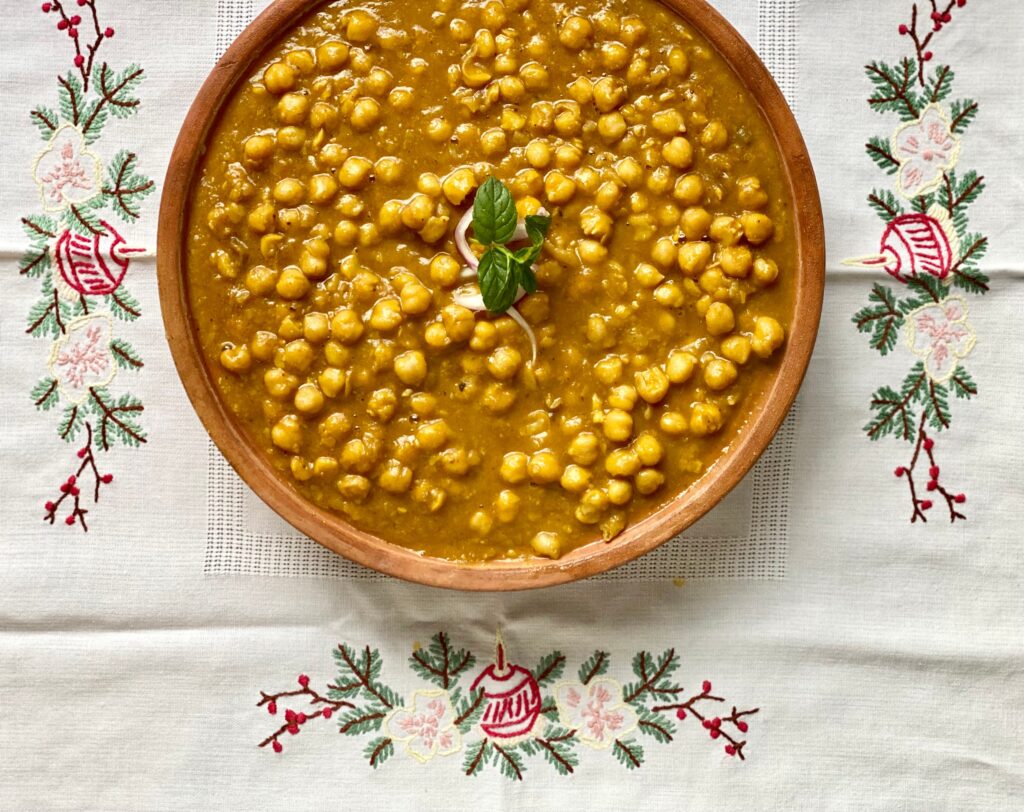
When you cook dal, it absorbs water and expands by two to three times its original weight. That means 100 grams of cooked dal only provides about 7 to 9 grams of protein. Meat, on the other hand, loses water and shrinks when cooked, meaning its protein density goes up. To get 25 grams of protein from dal, you need to eat a very large bowl, not just 100 grams of the cooked dish.
Eggs: The Baseline for Cheap Protein
When looking for high-protein options residents can afford, eggs provide the most bioavailable, cheapest complete protein available locally. A standard whole egg provides about 6 to 7 grams of highly absorbable protein, making them the baseline for anyone trying to build muscle or maintain health on a budget.
According to the Food Composition Table for Pakistan, whole raw eggs contain 13.28 grams of protein per 100 grams. Because eggs do not absorb water when boiled or fried, the protein you weigh is the protein you eat. Desi eggs and farm eggs offer similar protein levels.
Dals and Pulses: True Cost vs Protein
Lentils and beans are the foundation of Pakistani plant protein, providing safe nourishment even for individuals following a [hepatitis diet in Pakistan](https://nuritron.com/hepatitis-diet-pakistan/). According to the Food and Agriculture Organization (FAO), pulses are a crucial, sustainable source of plant-based protein globally. Different local dals (masoor, moong, chana) have distinct protein-per-rupee values when cooked. While the raw protein content hovers around 20 to 25 grams per 100 grams across most grain legumes, the cost per kilogram varies significantly in local markets.
When evaluating protein per rupee, you have to factor in the cooked volume. Cooking methods matter (see how to cook them without bloating).
| Pulse (Raw) | Protein per 100g Raw | Estimated Cooked Protein per 100g |
|---|---|---|
| Masoor Dal | ~24g | ~8g |
| Moong Dal | ~24g | ~8g |
| Chana Dal | ~22g | ~7g |
| Lobia (Kidney Beans) | ~24g | ~8g |
Note: Protein values are approximate based on regional food composition tables.
Dairy: Doodh, Dahi and Paneer
Milk and yogurt are daily staples that provide steady, high-quality protein. Local whole milk and dahi offer substantial daily protein but come with higher saturated fat than lean pulses. If you are drinking two glasses of milk a day, you are already securing a solid portion of your daily protein needs.
Fresh buffalo milk (bhains ka doodh), which is widely consumed in Pakistan, provides about 3.68 grams of protein per 100 grams, while cow milk provides about 3.26 grams. Dahi (yogurt) concentrates this slightly, and paneer (cottage cheese) concentrates it significantly because the whey water is drained away.
Nuts and Seeds: High Protein, High Calories
Peanuts (mungphali) are an excellent winter snack across Pakistan. They are a cheap local protein source but are calorie-dense compared to pulses. Eating a large quantity of mungphali will give you plenty of protein, but it will also deliver a massive number of calories.
Raw peanuts provide roughly 25 to 26 grams of protein per 100 grams. However, they are classified as an oilseed because they are very high in dietary fat. They work best as a supplementary protein source rather than the main pillar of your diet.
Frequently asked questions
What are the cheapest sources of protein in the country?
Eggs provide the cheapest complete protein available locally in Pakistan. Different local dals (masoor, moong, chana) also have distinct and highly affordable protein-per-rupee values when cooked. If you are aiming for a balanced and sustainable diet, combining a moderate amount of eggs with various legumes and milk provides an optimal amino acid profile without requiring you to purchase expensive meats or supplements every day.
Are lentils (dal) enough for daily protein?
Yes, but portion sizes matter. Different local dals have distinct protein-per-rupee values when cooked, and because they absorb water, you need to eat a larger volume of cooked dal to hit the same protein numbers as raw weights suggest.
About the author
Dr. Amna Noor, Pharm-DCommunity Pharmacist, IMA Pharmacy Plus, Rahim Yar Khan
Community pharmacist in Rahim Yar Khan and co-founder of Life-Med Consultancy, a social enterprise for chronic disease management, with a focus on patient counselling and diabetes care.
View full profile and articlesAbout the medical reviewer

RD Saeed Ahmad, MSPHCo-founder and nutritionist, Nuritron
Nutritionist and public health researcher, and co-founder of Nuritron. Works in clinical and community nutrition, type 2 diabetes and One Health policy.
View full profile and articles