If you are managing diabetes or trying to lose weight in Pakistan, you have probably been told to eat low-glycaemic foods. But most charts focus on sourdough bread, oats, or quinoa. This leaves a major gap for those wondering about the glycaemic index of common pakistani foods they eat every day. What is the glycaemic index of a standard whole wheat roti? Should you choose sella rice over regular white rice? How do common lentils (daal) and local fruits fit into a blood sugar-friendly diet?
This article provides an accurate, referenced guide to the glycaemic index (GI) of common Pakistani staples. We will look at exactly how to group them and, more importantly, how to combine them to flatten your blood sugar curve.
Key takeaways
- It’s About Combination: Focus on the fact that GI is just one tool, and pairing high GI foods with fibre or protein is the real secret to managing spikes.
- Roti vs. Rice: While Western tables rank wheat roti lower than white rice, regional evidence suggests their glycaemic response is similar when eaten in a mixed meal. Basmati rice is the better low-GI option.
- Cooling Rice Doesn’t Work: Cooling your cooked white rice will not significantly reduce its glycaemic index, despite common internet claims.
- Use Vinegar: Consuming vinegar or acidic foods with your meal can actively reduce your overall glycaemic response.
What is the Glycaemic Index and Why it Matters
The Glycaemic Index (GI) is a ranking system from 0 to 100 that measures how quickly a carbohydrate-containing food raises your blood sugar. Pure glucose has a GI of 100. Foods with a high GI (70 or above) are digested quickly, causing rapid spikes in blood sugar. Foods with a low GI (55 or under) are digested slowly, providing a steady release of energy.
However, we rarely eat carbohydrates in isolation. Combining high-GI carbohydrates with protein, fat, or fibre lowers the overall glycaemic response of the meal. . This means that eating a high-GI food alongside a lean meat or fibrous vegetable can help blunt the immediate sugar spike. For healthy individuals, the sequence of eating, such as having vegetables and protein before carbohydrates, can significantly reduce the post-meal glucose rush.
While this combination strategy is highly effective for healthy adults, the evidence is mixed for diabetics. An older, widely cited 2012 study indicates that for people with type 2 diabetes, combining protein with carbohydrates can elevate insulin levels but decrease insulin action, meaning it might not actually improve the glucose response. Therefore, people with diabetes must remain cautious and monitor their individual responses. For a comprehensive look at dietary planning, read our diet plan for type 2 diabetes in Pakistan.
Glycaemic Index of Pakistani Breads and Rice
When building a traditional Pakistani meal, the choice between roti and rice is the most frequent dilemma. Standard Western tables often rank whole wheat roti lower than white rice. However, regional evidence shows that when eaten in a typical mixed meal, their glycaemic impact is remarkably similar.
While standard white rice has a high GI, the specific variety of rice matters immensely. A widely referenced 2015 study found that Basmati rice, both Indian and Pakistani varieties, falls into the low to medium GI category, making it a much better option for blood sugar management than short-grain white rice.
| Food Item | GI Category | Notes |
|---|---|---|
| Whole Wheat Roti | Medium | Similar to white rice when eaten in a mixed meal. |
| Standard White Rice | High | Digests rapidly; best consumed in small portions. |
| Basmati Rice | Low to Medium | A lower GI alternative to standard white rice. |
Glycaemic Index of Daal and Legumes
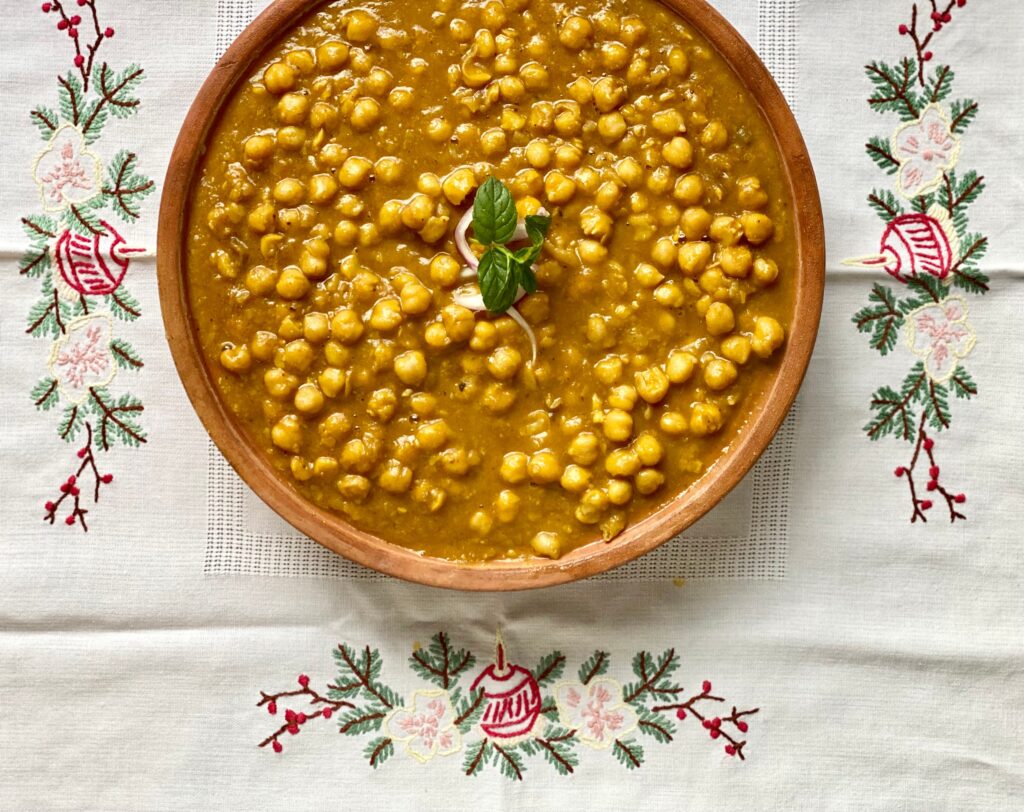
Lentils and legumes are foundational to Pakistani cuisine. They are generally excellent choices for blood sugar control because they contain complex carbohydrates and significant amounts of fibre and protein.
However, the GI of these foods can feature wide ranges due to different processing and preparation methods. Boiling, pressure-cooking, or mashing can alter how quickly they are digested. Despite these variations, most common lentils, such as chana, moong, masoor, and rajma, remain firmly in the low to medium GI categories. Many people wonder if besan (gram flour) is better than wheat flour. Because it is made from chickpeas (chana), besan typically has a much lower GI than standard wheat flour, making it a great alternative for thickening curries or making rotis.
| Food Item | Typical GI Range | GI Category |
|---|---|---|
| Chickpea (Chana) | 5 – 45 | Low |
| Lentil (Masoor) | 10 – 66 | Low to Medium |
| Pigeon Peas (Toor) | 7 – 54 | Low |
| Mung Bean (Moong) | 11 – 90 | Low to High (varies by preparation) |
Glycaemic Index of Common Pakistani Foods: Fruits and Vegetables
Patients with diabetes frequently wonder if they can eat mangoes, dates, or bananas. The answer is yes, but moderation is essential. Local fruits have varying glycaemic indices, and their ripeness heavily influences how quickly they raise blood sugar.
For example, dates change their GI based on their stage of ripeness; the fully dried Tamer stage actually has a lower GI than the fresher Khalal stage. If you are looking to learn more about safe portions for this fruit, check out our guide on how many dates you can safely eat with diabetes.
Other tropical fruits show different profiles. In a key 2011 regional study, papaya was found to have a high GI, and banana was also recorded with a surprisingly high GI of around 75, which is higher than standard Western estimates. Pineapple sits in the medium GI range.
| Fruit | GI Category | Notes |
|---|---|---|
| Dates (Tamer stage) | Low (approx. 53) | High sugar concentration means portions must be strictly limited. |
| Banana | High (approx. 75) | Regional studies indicate a higher GI than Western tables suggest. |
| Papaya | High (approx. 86) | Digests quickly. |
| Pineapple | Medium (approx. 65) | Best consumed with a protein source. |
How to Lower the GI of a Pakistani Meal
Many people search for “hacks” to lower the glycaemic index of their meals. One popular internet claim is that cooking and then cooling white rice increases its resistant starch, thereby lowering its GI. However, evidence shows that cooling cooked white rice does not significantly lower its glycaemic index or change its starch digestibility.
Instead of relying on cooling rice, look to acidic additions. Consuming vinegar or acidic foods with a meal significantly reduces the post-meal glucose and insulin response. . Adding a splash of apple cider vinegar to a side salad or squeezing fresh lemon juice over your daal can be a highly effective, evidence-based way to help flatten your blood sugar curve.
For more tips on timing your meals and managing post-meal spikes, check out our guide on what to eat at sehri and iftar to keep blood sugar stable.
What to do next
Understanding the glycaemic index is just the first step in managing your diet. Focus on how you pair your foods. Always combine carbohydrates with a good source of protein or healthy fat. Speak with your healthcare provider about how to safely incorporate these foods into your specific medication schedule.
For more detailed meal planning, explore our comprehensive diet plan for type 2 diabetes in Pakistan.
Frequently asked questions
Which has a lower glycaemic index of common pakistani foods: roti or rice?
Does cooling rice make it healthier for diabetics?
No. Evidence shows that cooling cooked white rice does not significantly lower its glycaemic index or reduce its starch digestibility.
Can diabetics eat mangoes or dates?
Yes. Fruits like dates have a low to medium GI depending on their ripeness. However, because they are dense in carbohydrates, strict portion control is required to prevent blood sugar spikes.
Is besan (gram flour) better than wheat flour?
Yes, generally. Besan is made from chickpeas, which have a much lower GI (5 to 45) compared to standard wheat flour. This makes besan a better option for managing blood sugar levels.
About the author

Jamshaid Ibrahim, HNDNutritionist and food processing specialist
Nutritionist and food processing specialist. Built production for traditional health products at Glaxay Foods, with the food safety and packaging compliance behind it.
View full profile and articlesAbout the medical reviewer

RD Saeed Ahmad, MSPHCo-founder and nutritionist, Nuritron
Nutritionist and public health researcher, and co-founder of Nuritron. Works in clinical and community nutrition, type 2 diabetes and One Health policy.
View full profile and articles