

If you are wondering how to use chia seeds for weight loss, the most important thing to know is that they are not a magic fat-burning ingredient. However, they are rich in soluble fiber, which expands in your stomach, keeps you full for longer, and helps you stick to a calorie deficit. This article explains how to include chia seeds, as well as local alternatives like tukh malanga, in your daily routine to manage your hunger effectively.
For anyone trying to lose weight in Pakistan, navigating the endless advice about superfoods can be exhausting. Chia seeds have become incredibly popular, but understanding how they actually work mechanically in your body is the key to using them right. For a complete overview of what these seeds are called locally, see our guide on chia seeds in Urdu.
Key takeaways
- Chia seeds do not “melt fat”, even if you drink them with lemon water in the morning.
- They support weight loss by providing soluble fiber, which keeps you full longer and helps prevent overeating.
- Tukh malanga (basil seeds) is an affordable, local alternative that works in a very similar way.
- Always soak the seeds before eating to avoid digestive discomfort.
The “Lemon Water and Chia” Myth
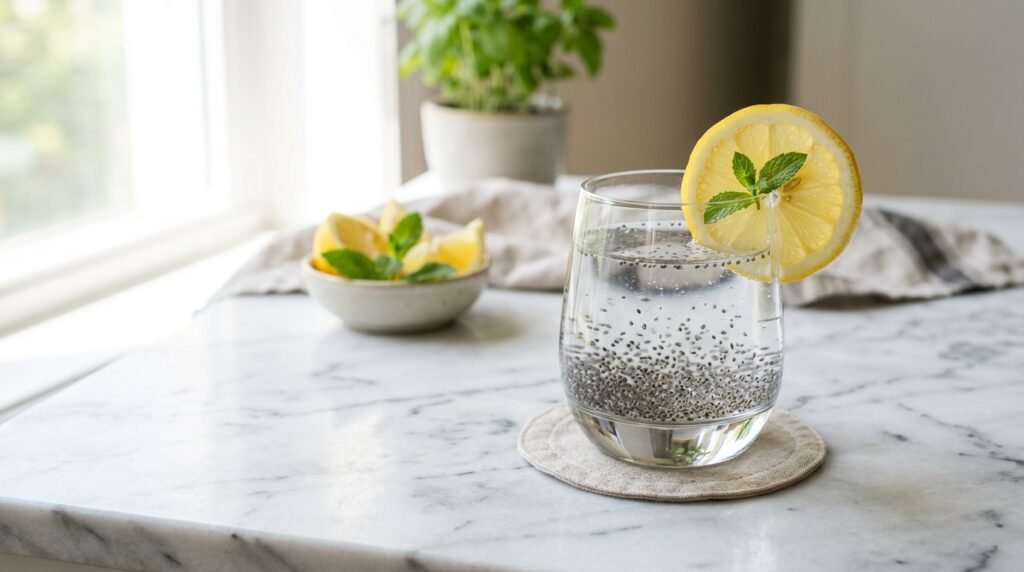
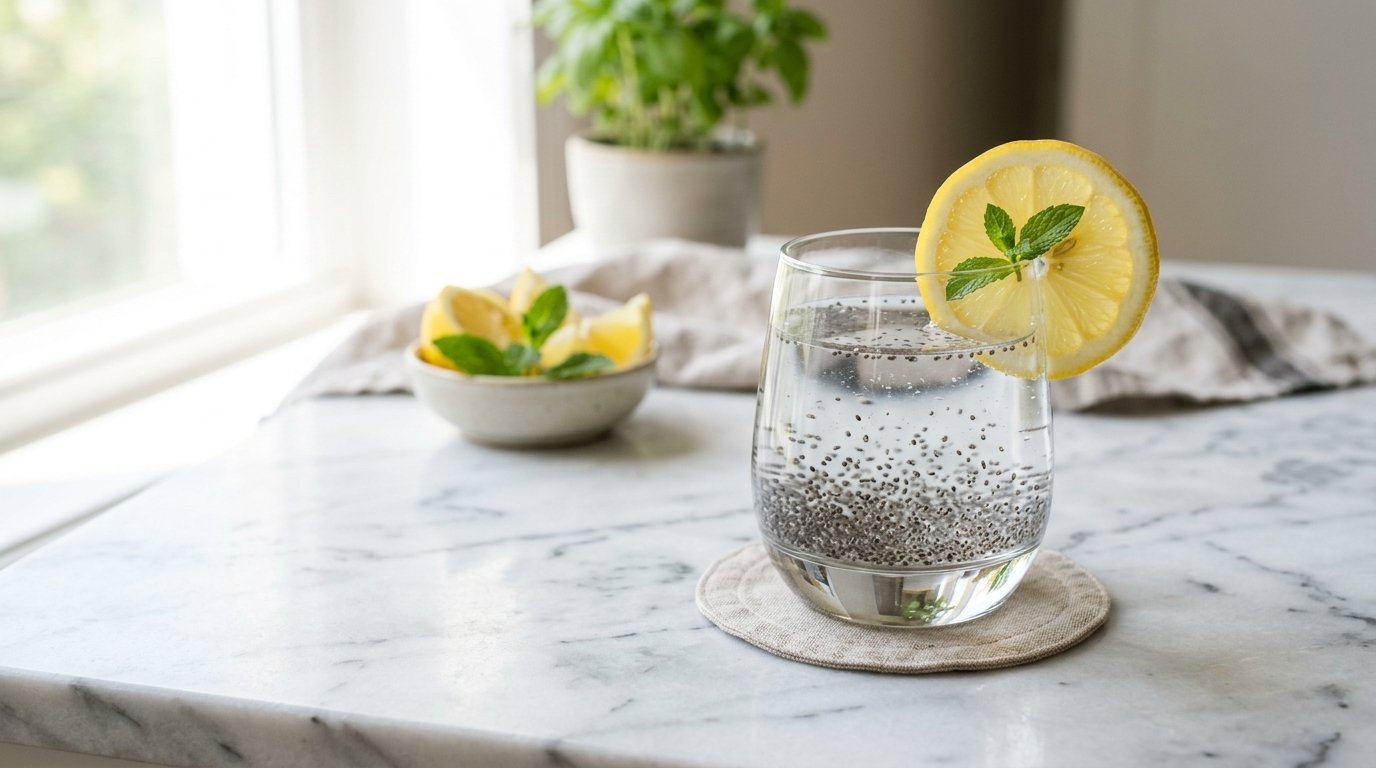
Drinking chia seeds with lemon water in the morning does not melt fat. No single food or drink can cause weight loss on its own without a broader change in your overall diet.
The idea that lemon water and chia seeds act as a “detox” that flushes away belly fat is one of the most common weight loss myths heavily promoted online. When researchers look at the actual data, the results are clear. Meta-analyses of multiple studies show that consuming chia seeds does not significantly impact body weight or body fat percentage. Furthermore, adding chia seeds to your diet without reducing your total daily calorie intake will not lead to weight loss. Learning how to use chia seeds for weight loss requires understanding this fundamental point.
While lemon water provides hydration and a small amount of vitamin C, it does not have any unique metabolic properties that speed up fat loss. The real benefit of this morning drink comes entirely from the fiber in the chia seeds. When you drink a glass of water with swollen seeds, you are filling your stomach with bulk that contains very few calories. This can stop you from snacking on high-calorie foods like biscuits or parathas before lunch.
But it is the calorie reduction, not a magical fat-melting effect, that leads to any subsequent weight loss. If you continue eating more calories than your body burns, no amount of chia seed water will change your weight. This is a critical lesson when learning how to use chia seeds for weight loss.
How to Use Chia Seeds for Weight Loss Effectively
Chia seeds support weight loss by providing soluble fiber, which expands in your stomach, thickens into a gel, and significantly delays the onset of hunger.
When you eat foods high in soluble fiber, they absorb water in your digestive tract. This slows down the rate at which your stomach empties, sending signals to your brain that you are still full. In a study on healthy individuals, adding chia seeds to a mid-morning snack like yogurt significantly reduced hunger and increased satiety scores compared to eating plain yogurt. Because people felt much fuller, they naturally chose to eat fewer calories when lunchtime arrived.
Another trial involving overweight individuals with type 2 diabetes found that those eating chia seeds as part of a calorie-restricted diet lost more weight over a six-month period than those on a control diet. The key here is that the weight loss occurred alongside a calorie restriction. The seeds simply made the diet easier to stick to by managing the physical sensation of hunger.
If you struggle with constant cravings while trying to eat less, adding bulk from fiber is a proven way to improve your adherence. Managing hunger is often the hardest part of any weight loss attempt, and this is where soluble fiber becomes an incredibly useful tool when considering how to use chia seeds for weight loss.
Chia Seeds vs Tukh Malanga for Weight Loss
Tukh malanga (basil seeds) is often used interchangeably with chia seeds in Pakistan. Both seeds expand dramatically in water and provide a good dose of soluble fiber.
Many people wonder if they need to buy expensive, imported chia seeds or if the local tukh malanga will work just as well when planning how to use chia seeds for weight loss. While basil seeds also contain soluble fiber and swell up to form a gel similarly to chia seeds, direct clinical studies comparing their exact satiety effects against one another are lacking. However, for the purpose of adding bulk to your meals and keeping you feeling full, tukh malanga serves a very similar role.
They are not exactly the same thing financially or botanically. Chia seeds are typically grey, brown, or black and oval-shaped, while basil seeds are pitch black and tear-shaped. For a deeper dive into their differences, read our guide on chia seeds vs tukh malanga. But if your goal is simply to manage hunger between meals, tukh malanga is a cheaper, local alternative that can be used in almost all the same ways.
You can easily stir tukh malanga into everyday drinks like lemonade, or simple water to gain the mechanical benefits of fiber without paying a premium for an imported product.
How Much to Eat and When
There is no strict rule for timing, but having soaked seeds before meals or as a mid-morning snack can help control your appetite. Start with small amounts to let your body adjust.
Eating too much fiber all at once when your body is not used to it can cause bloating, gas, or constipation. It is best to start with a small amount, such as one to two tablespoons a day, and ensure you drink plenty of water alongside it. Fiber needs water to move smoothly through your digestive system. Without enough hydration, increasing your fiber intake can backfire and cause stomach pain.
Because they absorb many times their weight in liquid very rapidly, eating them completely dry without soaking can cause stomach discomfort or a feeling of something being stuck in your throat. It is highly recommended to always mix them into a liquid or a moist food, allowing them time to expand before you consume them. Whether you have them in the morning or the afternoon matters less than finding a consistent routine that stops you from reaching for high-calorie snacks when you are at your hungriest, a key rule on how to use chia seeds for weight loss.
3 Simple Ways on How to Use Chia Seeds for Weight Loss Daily
You do not need to make complicated, expensive smoothie bowls to use chia seeds effectively. They can be added to regular, everyday Pakistani drinks and foods.
Here are three practical ways to include them:
- In Lassi: Stir a tablespoon of soaked chia seeds or tukh malanga into a glass of plain namkeen (salty) or mint lassi. The seeds add a nice texture, and the combination of protein from the yogurt and fiber from the seeds will keep you full for hours, making it an excellent option for the hot summer months.
- With Regular Water: Soak a tablespoon of seeds in your water bottle. You can add a squeeze of lemon or a pinch of salt if you prefer, and sip it throughout the morning. This ensures you stay hydrated while constantly delivering small amounts of fiber to your stomach.
- Over Dahi (Yogurt): Sprinkle soaked chia seeds over a small bowl of plain dahi for breakfast or as an afternoon snack. Research has shown that combining chia seeds with yogurt is an effective way to increase feelings of fullness. This is a simple, no-cook preparation that fits easily into a busy schedule when managing how to use chia seeds for weight loss.
What is the best way on how to use chia seeds for weight loss in terms of timing?
There is no magical time, but drinking them mid-morning or shortly before a large meal may help reduce your overall hunger, preventing you from overeating later in the day. Studies show that having them as a snack increases satiety scores and reduces food intake at the next meal.
Can I use tukh malanga instead of chia seeds?
Yes. Tukh malanga (basil seeds) also absorbs water and provides a significant amount of fiber. While direct clinical comparisons to chia seeds are lacking, tukh malanga is a highly practical, affordable, and local alternative for adding bulk to your diet to keep you feeling full.
Does chia seed water reduce belly fat?
No, it does not. Multiple studies have shown that chia seeds do not significantly change body weight or body fat percentage on their own. They only assist with weight loss if the fiber helps you eat fewer total calories throughout the day by keeping you full.
Do I have to soak them first?
Yes, it is highly recommended to soak them. Because these seeds absorb a large volume of water very quickly, eating them dry can cause digestive discomfort. Soaking them ensures they go down easily and immediately start working as a hydrating gel in your stomach. Disclaimer: This article is for informational purposes only and does not constitute medical advice. Consult a healthcare professional before making significant changes to your diet, especially if you have existing health conditions.