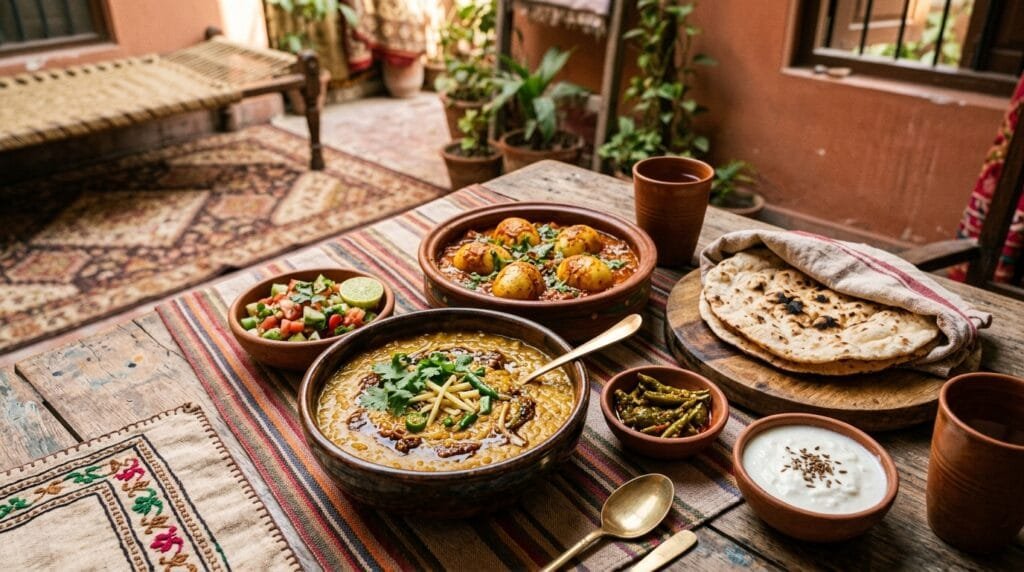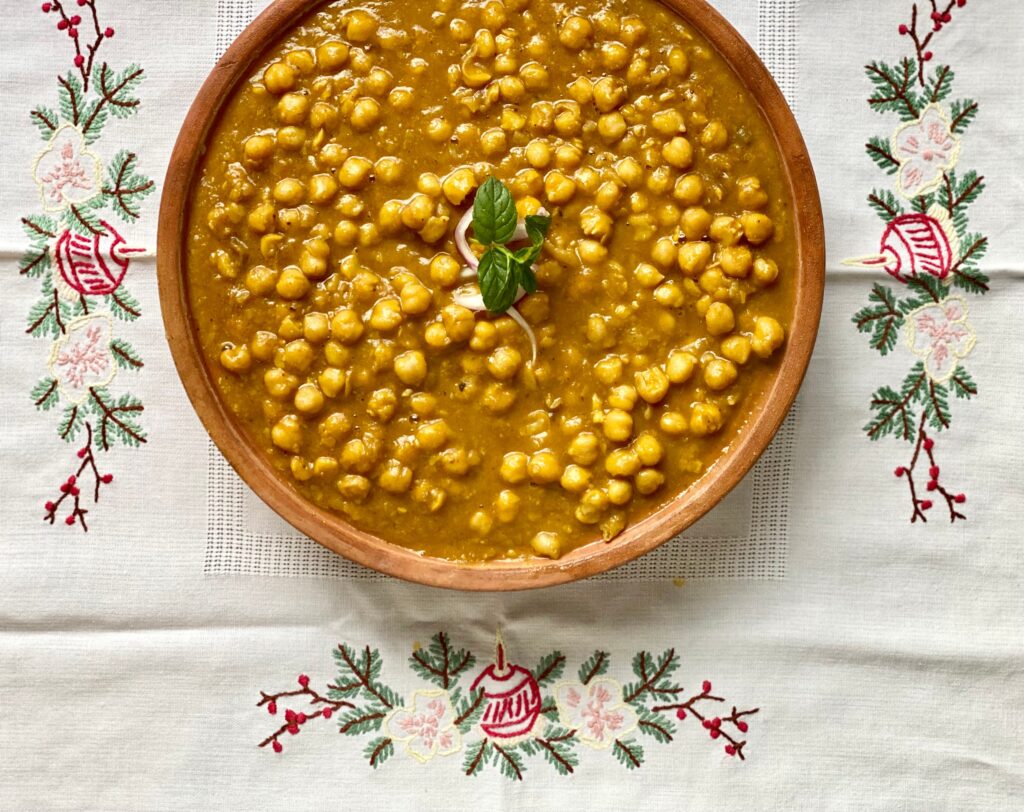
When you search for a balanced diet chart Pakistan, you usually find generic meal plans that do not fit everyday life. Instead of following a strict chart, you can eat traditional foods like roti, dal, and sabzi by simply adjusting the proportions on your plate.
Key takeaways
- A balanced diet does not require quitting desi food. It is about getting the proportions of roti, dal, and sabzi right.
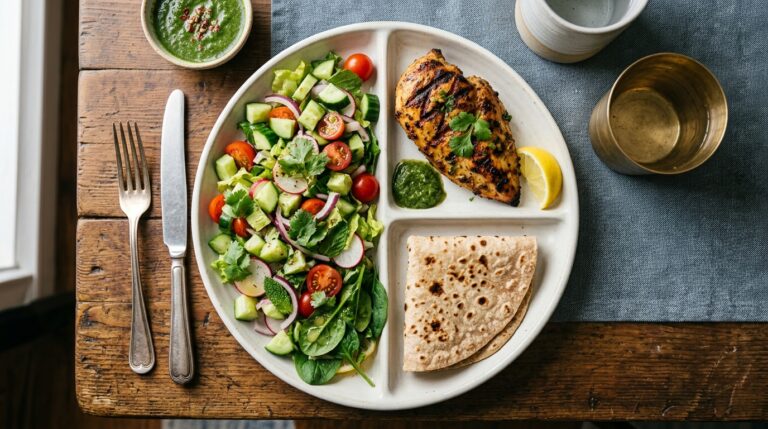
- Half your plate should be vegetables, a quarter protein, and a quarter carbohydrates.
- Rigid diet charts often fail because they are hard to stick to. Flexible plate-building is a more sustainable approach.
Moving Beyond the Typical Balanced Diet Chart Pakistan
Many people think they need a strict meal plan to eat well, but rigid diet charts are often harder to stick to than a flexible approach to eating. Dietitians now recommend approaches that avoid detailed eating plans so you can improve your quality of life without feeling restricted.
When you force yourself to eat foods you do not enjoy, you will eventually give up. This is why a one-size-fits-all plan rarely works. Most diet plans online tell you to eat boiled chicken and broccoli, completely ignoring local food culture. Instead of printing a list of allowed and banned foods, focus on the overall balance of your meals. This flexible approach lets you eat with your family and enjoy social events without feeling guilty or isolated.
If you obsess over exact calorie counts, eating becomes a chore. You start measuring every grain of rice and weighing every piece of chicken. This often leads to frustration, burnout, and eventually binge eating. A flexible plate model removes this stress completely. You look at your meal visually instead of mathematically. If you are at a wedding, you can still have biryani. You just ensure you fill half your plate with fresh salad, take a moderate portion of rice, and focus on the meat. This mindset shift is the key to maintaining a healthy lifestyle for years, not just for a few weeks before a big event.
The Pakistani Balanced Plate: Proportions That Work
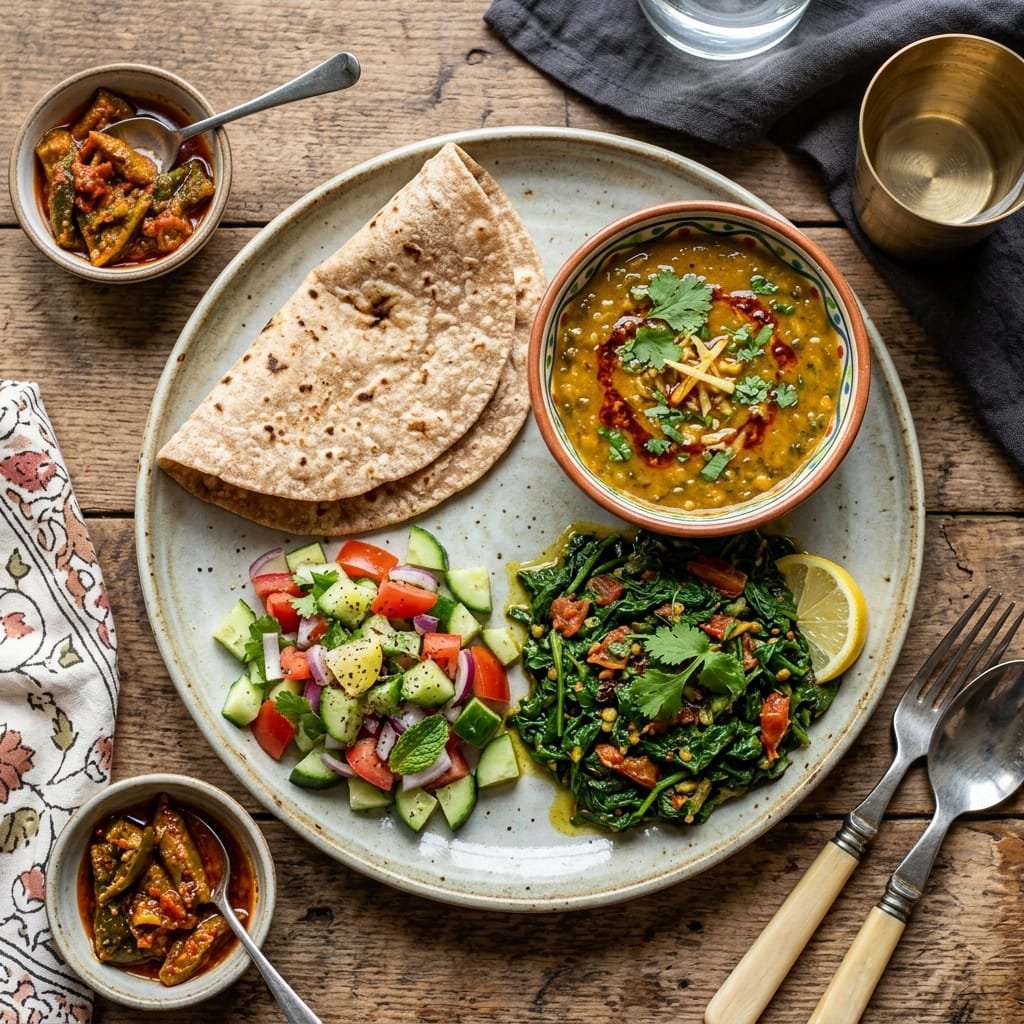
A balanced plate typically consists of half vegetables or fruit, a quarter whole grains, and a quarter protein. Traditional Pakistani foods like dal, chana, and local sabzis align perfectly with international dietary guidelines when you manage the portions correctly.
You do not need special imported diet foods to be healthy. The World Health Organization recommends getting 45 to 75 percent of your daily energy from carbohydrates, preferably from whole grains, vegetables, fruits, and pulses. When you fill half your plate with non-starchy vegetables like palak, bhindi, tinda, or karela, you get essential vitamins, minerals, and fibre without consuming too many calories. These vegetables bulk up your meal so you feel physically full and mentally satisfied.
Next, add a quarter plate of protein. Good local sources include chicken, fish, beef, eggs, or plant-based options like lobia and dal, which are among the best local protein foods in Pakistan. Finally, reserve the last quarter for carbohydrates. This is where your whole wheat roti or brown rice belongs. Both can fit into a healthy lifestyle if portioned correctly. By keeping carbohydrates to a quarter of your plate, you prevent the sharp blood sugar spikes that leave you feeling tired, sluggish, and hungry just an hour after eating.
Translating Macros into Roti, Dal, and Sabzi
Portion control using household measures like a standard katori helps manage your carbohydrate intake, even though exact macronutrient daily requirements vary. A regular portion of cooked dal or meat provides a meaningful protein serving towards your daily goal.
Understanding how to portion local food makes healthy eating simple and sustainable. You do not need a digital food scale for every single meal. Use your everyday katori to measure out your salan. A single medium-sized whole wheat roti is an appropriate carbohydrate serving for most people. If you prefer rice, one katori of cooked rice works well for your carbohydrate portion. When translating these targets to your actual meals, keeping portions in check is more important than achieving mathematical perfection.
When serving dal, a full katori gives you a solid serving of plant-based protein, as legumes are a recognized healthy source of daily protein and fibre. For vegetables, aim to fill half your actual dining plate, or eat two full katoris of sabzi alongside your main meal. If the sabzi is cooked with starchy vegetables like potatoes, remember that the potato counts towards your carbohydrate portion, not your vegetable portion.
You should also pay close attention to how your food is prepared. A vegetable dish swimming in oil is no longer a light, low-calorie choice. Try to drain excess oil from your salan before serving it onto your plate. Eat the solid pieces of meat or chicken rather than soaking your roti in the thick, oily gravy. These small daily adjustments add up over time to create a massive impact on your health.
Incorporating Healthy Fats
Fats are an essential part of your diet, but they require careful portion control because they are very calorie-dense. You should focus on replacing saturated fats like butter and ghee with oils rich in unsaturated fats.
Pakistani cooking often relies heavily on oil and ghee for flavour and texture. While you absolutely need fat for energy and for absorbing vital nutrients, eating too much of it can lead to weight gain and heart problems. The World Health Organization suggests keeping your total fat intake between 15 and 30 percent of your daily energy.
You can achieve this by measuring your cooking oil with a tablespoon instead of pouring it directly from the bottle. Use plant-based oils like mustard, canola, or sunflower oil for everyday cooking. Save desi ghee for special occasions or use it very sparingly for flavour on top of your fresh roti. Avoid deep-fried snacks like samosas, pakoras, and kachoris on a daily basis. You can bake or air-fry these items instead to enjoy the familiar taste without the excess heavy fat.
How to Build Your Plate at Every Meal
You can easily build a balanced meal by looking at your plate before you start eating. Make sure half of it contains vegetables, one quarter has protein, and the final quarter holds your carbohydrates.
Start your day right with breakfast. Instead of eating two heavy parathas with sweet milky tea, try one plain roti or a much smaller paratha cooked with very minimal oil. Add a fried or boiled egg for protein. Include some sliced cucumbers or tomatoes to get your vegetables in early.
For lunch, if you are having dal chawal, limit the rice to one quarter of your plate. Fill the rest of the space with a hearty serving of dal and a large fresh salad made of onions, tomatoes, and cucumbers.
At dinner, when eating a meat salan, focus on retrieving the meat pieces. Eat it with one medium roti and a large side of cooked sabzi or more fresh salad. If you feel hungry between your main meals, snack on fresh seasonal fruits like guava, apple, or kinnow. You can also eat a small handful of unsalted almonds or peanuts to keep your energy levels steady throughout the afternoon. Drinking plenty of water throughout the day also helps you avoid mistaking thirst for hunger.
Frequently asked questions
Is roti healthier than rice for a balanced diet?
Both whole wheat roti and rice can fit into a healthy lifestyle, provided you manage the portion sizes according to your energy needs. Whole wheat roti offers more dietary fibre, which helps keep you full for longer periods. Unprocessed grains like brown rice are also excellent choices for your daily carbohydrate needs.
Can I eat dal every day on a balanced diet?
Yes, legumes like dal, chickpeas, and beans are recognized as healthy sources of plant-based protein and fibre that are perfectly suitable for daily consumption. They provide sustained energy, support digestion, and are a staple of a nutritious and affordable diet.
Does a balanced diet help to lose weight?
Yes, managing your plate proportions can naturally help you reduce weight. By filling half your plate with vegetables, you lower your overall calorie intake while still eating a large volume of food. This keeps you feeling full and satisfied, which is far more sustainable than following a highly restrictive eating plan.
What does a balanced diet chart Pakistan look like in practice?
A practical balanced diet chart Pakistan focuses on visual portions rather than strict ingredient lists. It translates half a plate to sabzi (vegetables) or kacha salad, one quarter to gosht or dal (protein), and one quarter to roti or chawal (carbohydrates). This structure helps you eat local foods healthily.
About the author
Dr. Amna Noor, Pharm-DCommunity Pharmacist, IMA Pharmacy Plus, Rahim Yar Khan
Community pharmacist in Rahim Yar Khan and co-founder of Life-Med Consultancy, a social enterprise for chronic disease management, with a focus on patient counselling and diabetes care.
View full profile and articlesAbout the medical reviewer

RD Saeed Ahmad, MSPHCo-founder and nutritionist, Nuritron
Nutritionist and public health researcher, and co-founder of Nuritron. Works in clinical and community nutrition, type 2 diabetes and One Health policy.
View full profile and articles