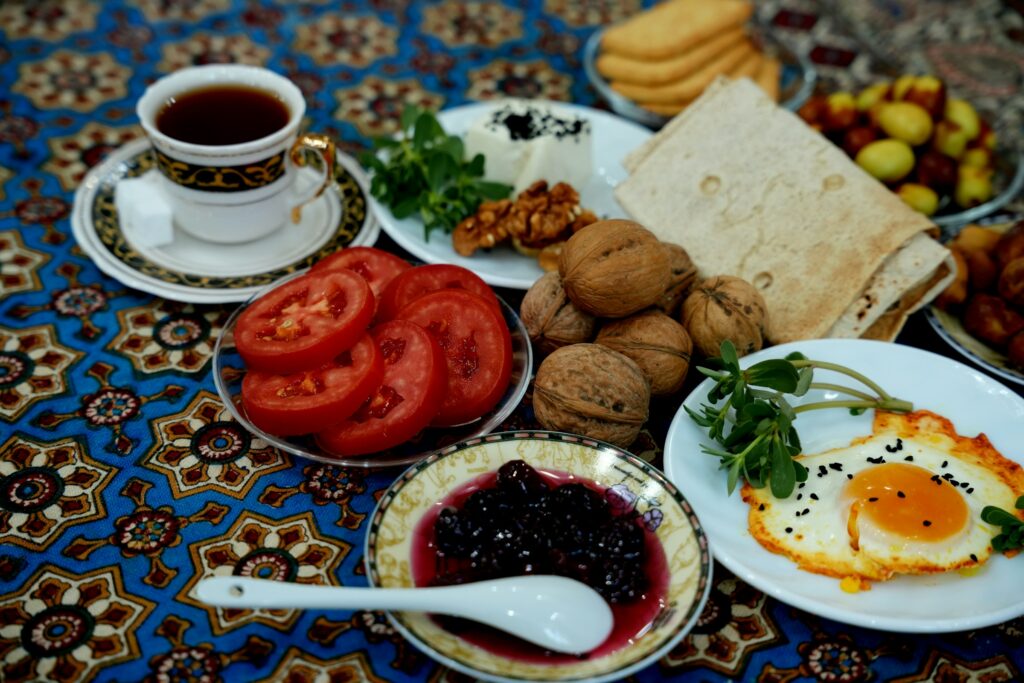
For healthy weight gain, Pakistan offers an abundance of affordable, nutrient-dense staples that build muscle without accumulating dangerous abdominal fat. Being clinically underweight increases vulnerability to infections, chronic fatigue, and bone loss. However, achieving a healthy weight requires a consistent, structured caloric surplus rather than greasy street food.
Many individuals in Pakistan believe they are genetically trapped with an untreatable fast metabolism (sukha pan). Others assume that gaining body mass demands expensive imported chemical mass gainers. In reality, combining a daily surplus of 300 to 500 calories with adequate dietary protein and resistance training directs weight gain toward functional muscle mass.. Grounding your routine in everyday desi foods like whole buffalo milk, eggs, peanuts (mungphali), and lentils (daal) provides a practical path to strength..
Key takeaways
- Establish a moderate caloric surplus of 300 to 500 calories daily to support steady weight gain of 0.25 to 0.5 kilograms per week without excessive body fat accumulation.
- Reject the dirty bulking trap: eating samosas, jalebis, and foods cooked in banaspati ghee increases visceral fat, fatty liver, and insulin resistance in South Asian bodies.
- Prioritize daily protein intake between 1.2 and 2.0 grams per kilogram of body weight to support muscle protein synthesis and lean tissue growth.
- Use affordable Pakistani kitchen staples like whole buffalo milk, boiled eggs, roasted chana, peanuts, and bananas to match commercial mass gainers at a fraction of the cost.
- Overcome poor appetite and early satiety by drinking calorie-dense smoothies between meals and spacing food into five or six smaller feedings across the day.
- Lift weights with progressive resistance training to signal your body to deposit surplus energy into functional skeletal muscle rather than body fat stores.
- Screen for underlying medical conditions like hyperthyroidism, coeliac disease, or chronic malabsorption if consistent caloric overfeeding fails to produce weight gain.
Understanding Clinical Underweight: BMI Standards and Health Risks
A person is clinically underweight when their body mass index falls below 18.5 kilograms per square meter. This physical state impairs immune defences, accelerates bone density loss, and increases vulnerability to infections. Restoring body weight through a gradual, nutrient-dense caloric surplus reverses these health risks and restores functional physical vitality.
Body mass index (BMI) provides a standard initial screening metric. You calculate it by dividing your weight in kilograms by your height in meters squared. For example, an adult standing 1.75 meters (around 5 feet 9 inches) who weighs under 57 kilograms falls below the 18.5 threshold. In Pakistani households, this state is often dismissed as simple weakness (kamzori). However, chronic energy deficiency leaves your body with inadequate reserves to withstand illness, seasonal infections, or physical stress.
Prolonged underweight status impairs cellular immunity and reduces circulating white blood cells. In women, low body mass often disrupts reproductive hormone signaling, leading to irregular menstrual cycles or missed periods. In addition, insufficient mineral and energy intake compromises bone density, elevating the risk of early fractures.
Clinical evidence shows that restoring energy balance through a measured caloric surplus reverses these physiological deficits. Underweight individuals can gain weight sustainably through consistent, planned nutrition rather than accepting thinness as a permanent fate. When low body weight persists despite eating well, clinical guidelines recommend screening for secondary endocrine or digestive conditions..
The Safe Caloric Surplus: How to Achieve Healthy Weight Gain Pakistan Without Excess Fat
A safe caloric surplus requires consuming 300 to 500 calories above your daily maintenance needs each day. This moderate energy excess produces steady weight gain of approximately 0.25 to 0.5 kilograms weekly while keeping body fat accumulation low, allowing your body to build lean tissue sustainably..
Energy balance determines changes in body mass. Your total daily energy expenditure includes your resting metabolism, the energy used to digest meals, and physical movement. When you consume more calories than you burn, your body enters an anabolic state where excess energy builds new tissue. However, the size of your surplus determines whether you gain muscle or fat.
Slater and colleagues reviewed the energy cost of tissue accretion in Frontiers in Nutrition. They concluded that an energy surplus of 1,500 to 2,000 kilojoules per day (roughly 358 to 478 calories daily) represents the optimal target for lean tissue gains. A conservative surplus within this range minimizes fat mass accumulation while fueling muscle protein synthesis and training recovery.
Consuming an aggressive surplus of 1,000 extra calories daily overwhelms your body’s muscle-building capacity. Leaf and Antonio found that in sedentary adults, excessive overfeeding causes 50% to 119% of gained weight to deposit as body fat. In contrast, a modest surplus of 300 to 500 calories limits weekly gain to 0.25 to 0.5 kilograms, or roughly 1 to 2 kilograms per month..
| Starting Profile & Activity Level | Daily Caloric Surplus | Target Weekly Weight Gain | Target Monthly Weight Gain | Primary Physiological Outcome |
|---|---|---|---|---|
| Sedentary / Office Worker (Desk Job) | +300 kcal/day | 0.20–0.30 kg | 0.8–1.2 kg | Steady lean mass with minimal fat gain |
| Moderately Active / University Student | +350–400 kcal/day | 0.25–0.40 kg | 1.0–1.6 kg | Optimal muscle synthesis and energy recovery |
| Highly Active / Gym Lifter | +450–500 kcal/day | 0.35–0.50 kg | 1.4–2.0 kg | Maximum muscle hypertrophy and strength |
| High NEAT / Fast Metabolism Responder | +500–600 kcal/day | 0.35–0.50 kg | 1.4–2.0 kg | Overcomes high spontaneous fidgeting and movement |
To estimate your maintenance calories, multiply your current body weight in kilograms by 30 to 33 calories. For example, a 55-kilogram adult requires approximately 1,650 to 1,800 calories daily to maintain weight. Adding a 400-calorie surplus creates a daily goal of 2,050 to 2,200 calories. Use our guide to macronutrient daily requirements to calculate your protein, carbohydrate, and fat splits.
The Danger of “Dirty Bulking”: Protecting Cardiometabolic Health
Dirty bulking means overeating refined sugars, deep-fried street snacks, and commercial bakery items to force quick weight gain. In South Asian individuals, this practice rapidly triggers visceral fat storage around internal organs, fatty liver changes, and insulin resistance, creating dangerous metabolic disease despite a visually normal body weight..
In Pakistan, well-meaning elders often urge thin relatives to eat anything available. Families frequently recommend daily fried samosas, pakoras, parathas, halwa puri, and bakery biscuits. While these foods deliver quick calories, they expose South Asian bodies to severe cardiometabolic risks.
Bharadwaj, Kaipa, and Agrawal documented that South Asian populations have a unique fat-storage pattern. South Asians store less fat subcutaneously under the skin and significantly more fat viscerally inside the abdomen. This anatomical pattern promotes ectopic fat accumulation directly inside the liver, pancreas, and heart. Diets rich in refined grains, street foods, and banaspati trans fats accelerate visceral fat deposition. This process creates the “thin-fat” phenotype, where an individual looks slender but develops high triglycerides and insulin resistance.
Hall and colleagues confirmed these metabolic hazards in a randomized trial in Cell Metabolism. Diets based on ultra-processed foods drove passive overeating of fats and carbohydrates without providing proportional protein. Participants gained body weight rapidly, driven almost entirely by body fat accumulation.
Underweight individuals must also avoid unverified weight-gain powders, gym pills, or traditional herbal formulas (kushta or desi capsules). Laboratories frequently find these products adulterated with prescription corticosteroids like dexamethasone or antihistamines like cyproheptadine. These drugs cause rapid water retention, facial puffiness, high blood pressure, and adrenal suppression. Real weight gain builds functional tissue, not drug-induced swelling.
Affordable High-Calorie Foods for Every Budget: Healthy Weight Gain Pakistan
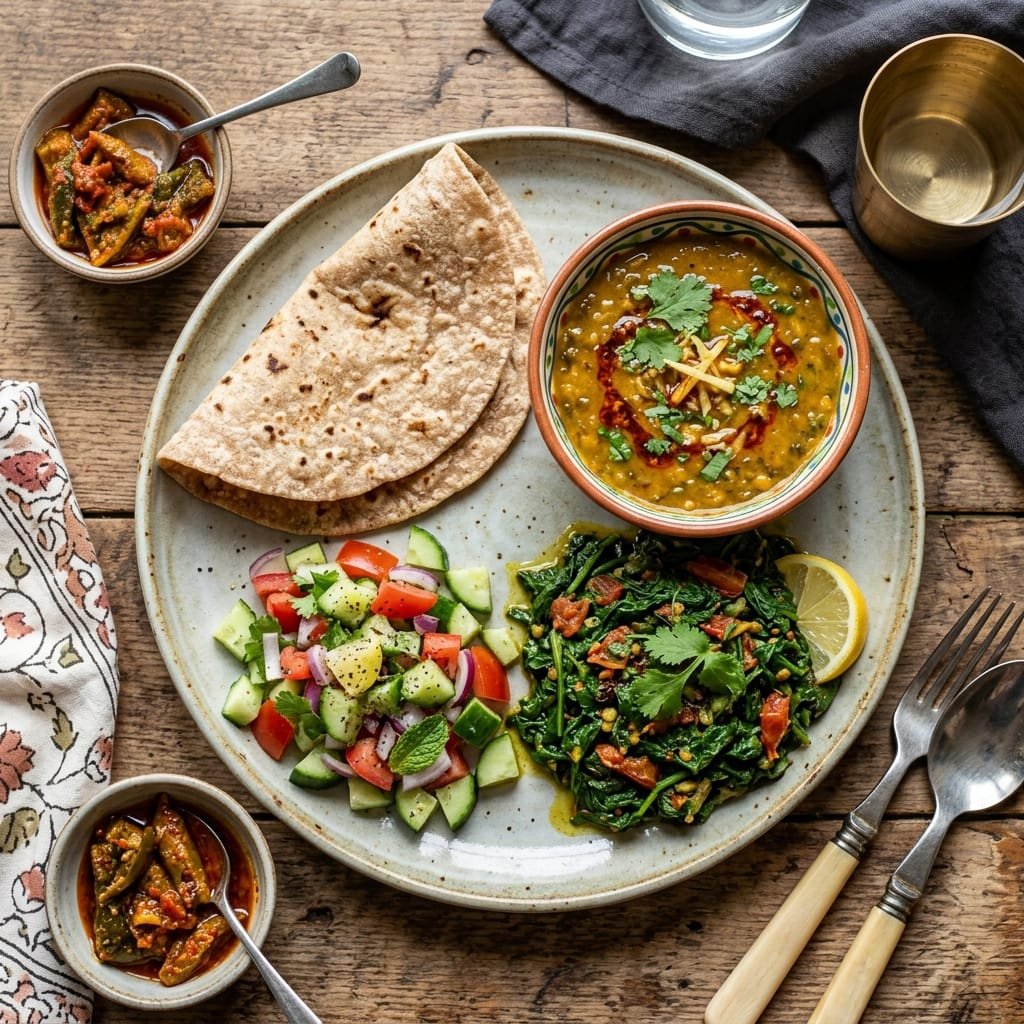
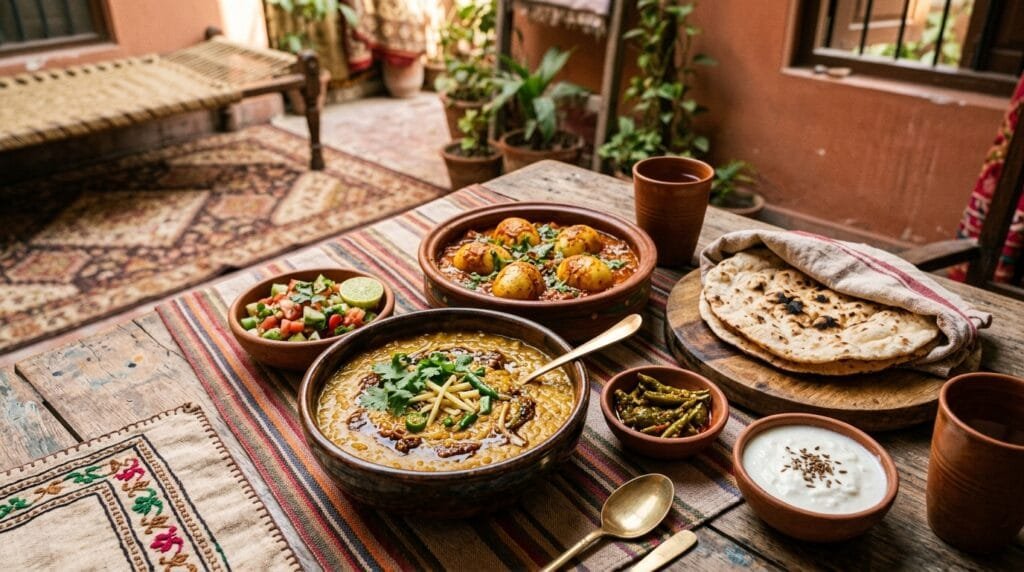
Traditional Pakistani staples provide concentrated calories, quality protein, and essential micronutrients at a small fraction of the cost of commercial mass gainers. Whole buffalo milk, eggs, roasted chana, peanuts, bananas, and moderate desi ghee supply bioavailable amino acids and healthy fats that fuel muscle synthesis and steady weight gain..
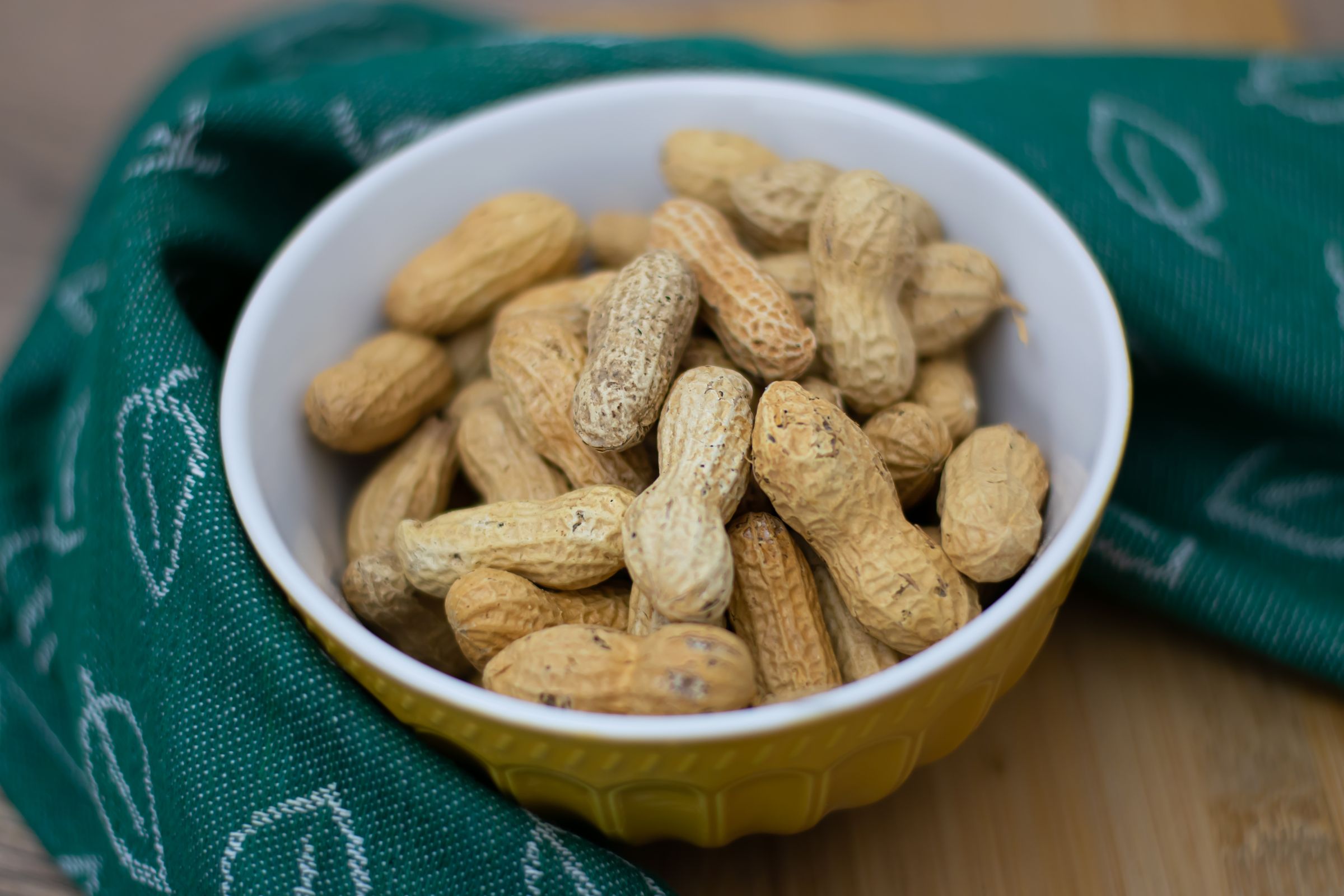
Many young men in Pakistan assume they cannot gain weight without buying imported “mass gainer” powders. These commercial tubs cost 10,000 to 25,000 PKR, straining family budgets. Yet their nutrition labels reveal they consist largely of cheap maltodextrin powder with a small portion of whey.
Your local kitchen provides superior nutrition at minimal cost. The Indian Food Composition Tables, validated by Vijayakumar and colleagues, confirm the rich nutritional profile of South Asian staples. Whole buffalo milk contains roughly 107 calories, 4.3 grams of protein, and 6.5 grams of healthy dairy fat per 100 grams. One 250-milliliter glass provides around 268 calories and nearly 11 grams of complete protein.
Whole eggs provide 135 calories and 13.3 grams of protein per 100 grams, or roughly 70 calories and 6.5 grams of protein per egg. Peanuts (mungphali) deliver 567 calories and 25.8 grams of plant protein per 100 grams. A 50-gram packet costs under 60 PKR while supplying nearly 285 calories.
| Desi Food Staple | Typical Portion | Energy (kcal) | Protein (g) | Healthy Fats (g) | Desi Kitchen Serving Suggestion |
|---|---|---|---|---|---|
| Whole Buffalo Milk | 1 glass (250 ml) | 268 kcal | 10.8g | 16.3g | Drink warm with cardamom, or blend into fruit smoothies |
| Whole Boiled Eggs | 2 large eggs (~100g) | 140 kcal | 13.3g | 9.5g | Eat with breakfast or pair with tea as an afternoon snack |
| Peanuts (Mungphali) | 50g (small cup) | 284 kcal | 12.9g | 24.6g | Roast and eat as a snack, or grind into homemade peanut butter |
| Roasted Chana | 50g (handful) | 185 kcal | 9.3g | 2.6g | Keep in your pocket or university bag for convenient snacking |
| Pure Desi Ghee | 1 tablespoon (15g) | 135 kcal | 0.0g | 15.0g | Stir directly into warm daal, khichdi, or over whole-wheat roti |
| Ripe Bananas | 2 medium (~200g) | 232 kcal | 2.4g | 0.6g | Blend into shakes or slice over fresh dahi and oats |
| Sattu Flour | 40g (3 tablespoons) | 155 kcal | 8.2g | 2.1g | Whisk into cold milk with jaggery (gur) or brown sugar |
| Fresh Dahi (Curd) | 1 bowl (200g) | 120 kcal | 6.5g | 7.0g | Whisk with banana slices or chopped dates for a cool snack |
Roasted Bengal gram (bhuna chana) delivers 369 calories and 18.6 grams of protein per 100 grams, serving as an ideal portable snack. Desi ghee supplies 900 calories per 100 grams (roughly 135 calories per tablespoon). Stirring a spoonful into lentils or khichdi increases energy density without adding bulk.
Jäger and colleagues confirmed in the ISSN Position Stand on protein that whole foods fully satisfy muscle-building requirements. Commercial supplements are optional conveniences, not necessities. Explore our guides on local protein foods in Pakistan and energy-dense dates for more meal inspiration.
Meal Frequency and Timing: Why an Eating Schedule Matters
Structuring your intake into five to six meals spaced every three to four hours increases total daily calories without overloading your digestive system. Evidence suggests that dividing nutrition into three balanced meals and two to three nutrient-rich snacks helps manage early satiety and sustains optimal muscle protein synthesis throughout the day..
A major mistake for underweight individuals is trying to gain weight by eating two or three gigantic meals. Sitting down to a huge plate piled with three rotis and heavy curry stretches your stomach, causing bloating and nausea. You feel uncomfortably full for hours, skip your next meal, and end up under-eating.
Clinical practice guidelines from ESPEN emphasize fractionating food intake into small, frequent, energy-dense meals and structured snacks. This pattern protects against gastrointestinal distress while steadily accumulating calories across the day. Individual appetite responses vary, but eating every three to four hours protects against prolonged fullness from suppressing your evening appetite.
Meal timing also influences muscle retention. Jäger and colleagues reported that consuming 20 to 40 grams of protein every three to four hours maximizes muscle protein synthesis. Going six to eight hours without protein forces your body into a catabolic state, where it breaks down existing muscle for amino acids.
A practical daily eating schedule includes:
- Breakfast at 7:30 AM: Eggs, whole-wheat roti, and milk chai.
- Mid-morning snack at 10:30 AM: Fresh dahi with banana or roasted chana.
- Lunch at 1:30 PM: Daal, chicken or mutton, and chapati with desi ghee.
- Afternoon shake at 5:00 PM: Homemade banana peanut milk smoothie.
- Dinner at 8:30 PM: Balanced family meal with rice, meat, or lentils.
- Bedtime snack at 10:30 PM: Warm buffalo milk with dates or crushed almonds.
This routine supplies nutrients continuously, supporting steady tissue growth without digestive fatigue.
Overcoming Poor Appetite and Early Satiety With Liquid Calories
Liquid calories provide an effective way to overcome poor appetite because beverages empty from the stomach faster and create less fullness than solid foods. Evidence suggests that drinking nutrient-dense smoothies made with milk, bananas, and peanuts between meals adds hundreds of calories without reducing your appetite for your next meal.
Many underweight individuals experience early satiety (bhook na lagna), feeling full after just a few bites. Sensory receptors in your stomach wall detect physical stretch, signaling fullness to your brain through the vagus nerve. Solid foods take longer to break down, keeping your stomach distended for hours.
Stribiţcaia and colleagues confirmed in a systematic review that liquid and low-viscosity foods produce less fullness than solid foods. Liquids pass into the small intestine rapidly without extensive chewing or mechanical churning. As a result, liquid calories supply substantial energy without triggering the heavy fullness associated with large solid meals.
You can take advantage of this physiology by drinking a daily homemade smoothie between meals:
- 250 milliliters of whole buffalo milk.
- 2 ripe bananas and 3 soft pitted dates.
- 2 tablespoons of peanut butter (or 30 grams of ground peanuts).
- 2 tablespoons of sattu flour or oats.
This shake provides roughly 650 calories and 20 grams of protein. Drinking it at 5:00 PM allows your stomach to empty well before family dinner at 8:30 PM. If you have pre-diabetes, type 2 diabetes, or insulin resistance, speak with your healthcare provider or dietitian before drinking large fruit-sweetened shakes. Concentrated liquid carbohydrates can cause rapid blood sugar surges.
Fluid timing is equally important. Drinking large glasses of water or tea right before or during meals fills your stomach with zero-calorie volume, causing premature fullness. Drink your water 45 to 60 minutes after eating to keep your stomach available for nutritious food.
Muscle Mass vs Fat Gain: The Role of Progressive Resistance Training
Progressive resistance training signals your body to direct surplus calories into building skeletal muscle tissue rather than storing excess body fat. Lifting weights two to four times weekly creates mechanical tension that triggers muscle protein synthesis, ensuring that your weight gain improves physical strength, posture, and metabolic health...
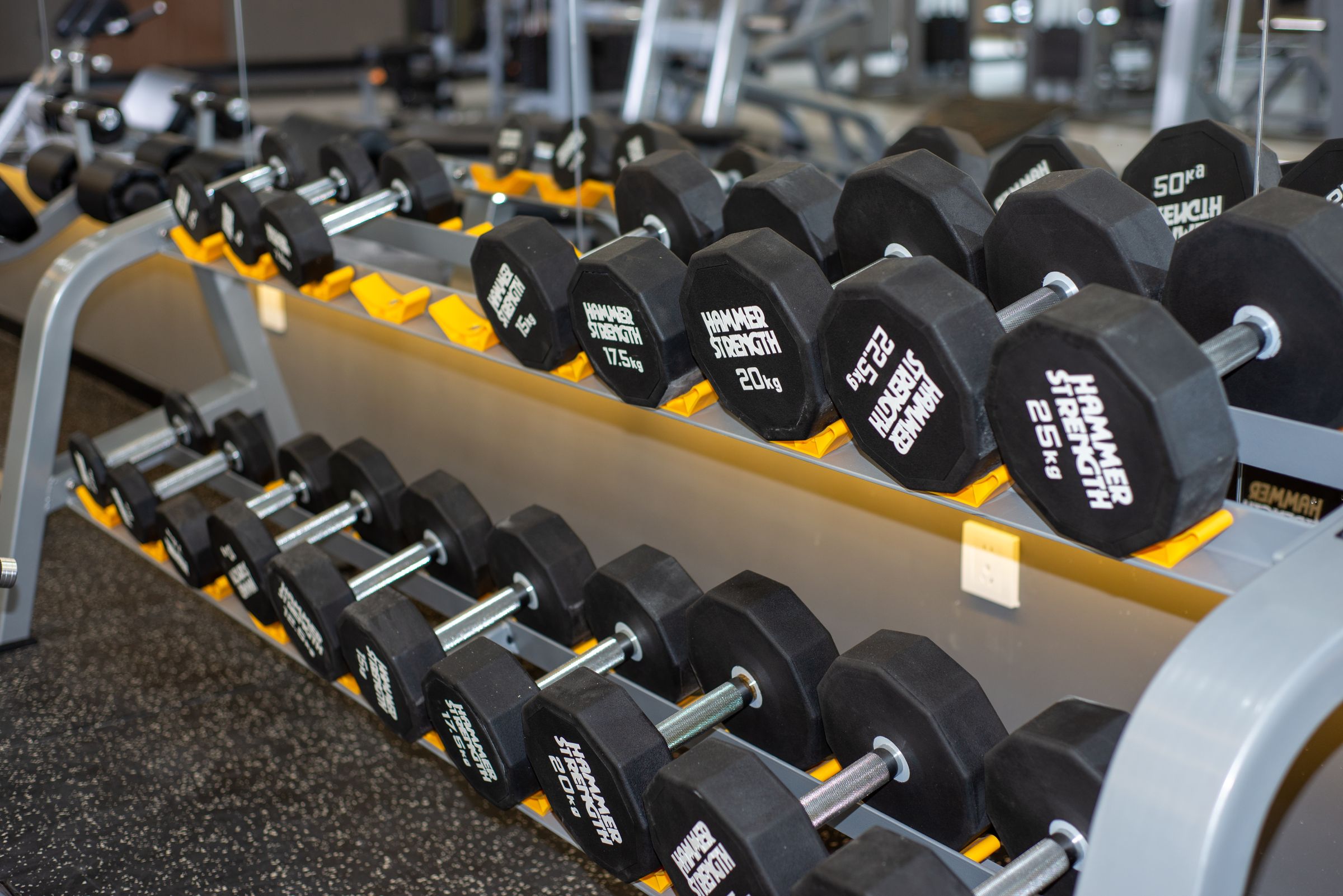
Underweight individuals often remain inactive while eating more, hoping to gain bulk before exercising. However, without a physical stimulus for muscle growth, your body converts excess energy into body fat. In South Asian bodies, this fat gathers around the abdomen and liver.
Leaf and Antonio reviewed 25 overfeeding trials and documented a stark contrast in body composition. In sedentary adults who overfed without exercise, fat mass accounted for 50% to 119% of total weight gain. In contrast, overfeeding combined with resistance training resulted in fat mass accounting for only 0% to 37% of gained weight, with the remainder partitioned into functional muscle mass.
Morton and colleagues analyzed 49 randomized trials in the British Journal of Sports Medicine. They confirmed that dietary protein combined with resistance exercise significantly increases lean mass, muscle size, and strength. The authors identified that protein intakes up to roughly 1.62 grams per kilogram daily optimize muscle growth.
The ISSN recommends consuming 1.4 to 2.0 grams of protein per kilogram daily for active individuals building lean mass.. For an individual weighing 55 kilograms, this equals roughly 77 to 110 grams of protein each day. If you have pre-existing kidney disease or reduced kidney function, speak with your physician or clinical dietitian before increasing your daily protein intake. Damaged kidneys struggle to excrete nitrogenous protein waste, requiring individualized protein limits.
Begin with simple compound exercises that work multiple muscle groups:
- Lower body: Bodyweight squats (baithak), lunges, and step-ups.
- Upper body pushing: Push-ups (dand) and overhead dumbbell presses.
- Upper body pulling: Pull-ups, inverted rows, and dumbbell rows.
- Core: Planks and leg raises.
Train three days weekly on non-consecutive days for 40 to 45 minutes. Limit prolonged endurance cardio like long cricket matches or distance running, which burn surplus calories needed for growth. Review our guide on sports and fitness nutrition in Pakistan for pre-workout meals.
Why Some People Cannot Gain Weight: Medical Causes to Rule Out
Some individuals fail to gain weight despite eating generously because underlying medical conditions drive a hypermetabolic state or cause nutrient malabsorption. Undiagnosed thyroid disease, coeliac enteropathy, intestinal parasites, or latent infections prevent your body from absorbing calories, requiring clinical laboratory evaluation rather than simply forcing more food..
Many underweight Pakistanis believe they have an incurable fast metabolism. While spontaneous daily fidgeting and movement (NEAT) account for minor differences in energy burn, a verified inability to gain weight warrants medical screening..
Four common conditions require clinical evaluation:
- Hyperthyroidism:
American Thyroid Association guidelines note that an overactive thyroid gland speeds up basal metabolism, accelerating the breakdown of carbohydrates, fats, and muscle tissue. Symptoms include weight loss despite strong appetite, rapid heartbeat, hand tremors, and heat intolerance. Diagnosis requires testing serum TSH and free thyroxine (FT4).
- Coeliac Disease:
American College of Gastroenterology guidelines highlight that coeliac disease is an autoimmune condition triggered by gluten, causing small bowel injury and malabsorption. In Pakistan, where wheat roti is eaten daily, undiagnosed coeliac disease destroys intestinal villi, preventing calorie absorption. Testing requires checking tissue transglutaminase antibodies (tTG-IgA) while continuing to eat wheat. If diagnosed, individuals must strictly eliminate gluten (wheat, barley, and rye) and choose gluten-free desi staples like rice, maize (makki), and potatoes to allow the gut lining to heal.
- Intestinal Parasites:
Waterborne parasites like Giardia lamblia or intestinal worms remain common in Pakistan. They inflame the gut lining, compete for nutrients, and trigger chronic malabsorption.
- Latent Tuberculosis:
Tuberculosis is endemic across Pakistan. Both pulmonary and abdominal forms can cause unexplained weight loss, night sweats, low fevers, and fatigue without a cough.
If you take prescription medication for an underlying health condition, do not change or stop your medicine without speaking to your doctor first. Identifying secondary causes protects your long-term health.
A Practical 1-Day Meal Plan for Healthy Weight Gain Pakistan
This practical one-day Pakistani meal plan delivers approximately 2,800 to 3,000 calories and 105 grams of protein using affordable, familiar kitchen staples. Structured across six balanced feedings, this schedule provides a steady caloric surplus that promotes lean muscle accretion without causing digestive heaviness or early fullness...
This sample plan fits an adult weighing approximately 55 to 60 kilograms who requires a 400 to 500 calorie surplus above baseline maintenance. It uses everyday staples that integrate smoothly into Pakistani household routines.
| Meal & Recommended Time | Traditional Pakistani Dish & Ingredients | Estimated Energy (kcal) | Protein (g) | Practical Kitchen Strategy |
|---|---|---|---|---|
| Breakfast (7:30 AM) | 2 whole eggs scrambled in 1 tsp desi ghee, 1 medium whole-wheat chakki roti, 1 cup milk chai | ~520 kcal | ~20g | Dip warm roti into spiced eggs; provides immediate morning amino acids |
| Mid-Morning Snack (10:30 AM) | 1 bowl fresh dahi (150g) mixed with 1 sliced ripe banana and 1 tablespoon honey | ~260 kcal | ~6g | Light on the stomach; supplies gut-friendly probiotics and fast glycogen |
| Lunch (1:30 PM) | 1 plate chicken or mutton qeema curry (100g meat), 1 cup cooked daal with 1 tsp desi ghee, 1 medium roti | ~680 kcal | ~34g | High-protein midday staple; desi ghee adds invisible calories without bulk |
| Afternoon Shake (5:00 PM) | Desi Power Shake: 250ml whole buffalo milk, 2 ripe bananas, 2 tbsp peanut butter, 3 soft dates | ~620 kcal | ~18g | Liquid calories bypass early fullness; perfect 60 minutes before training |
| Dinner (8:30 PM) | 1 serving chicken or fish curry, 1 cup cooked basmati rice or 1 medium roti, 1 small cucumber salad | ~550 kcal | ~24g | Wholesome family dinner; season with roasted cumin and fresh coriander |
| Bedtime Snack (10:30 PM) | 1 glass warm buffalo milk (200ml) with 1 tsp honey and a small handful of roasted chana (30g) | ~250 kcal | ~8g | Slow-digesting casein milk protein supports overnight muscle tissue repair |
This schedule delivers roughly 2,880 calories and over 100 grams of bioavailable protein. This comfortably satisfies the ISSN recommendation of 1.4 to 2.0 grams of protein per kilogram of body weight for a 55-kilogram adult.
Practical tips to follow this plan:
- Finish cooked lentils and curries with a spoonful of desi ghee to increase calories without enlarging portions.
- Keep roasted chana or peanuts in small containers when leaving home, ensuring you never go four hours without nutrition.
- Pair complex carbohydrates with protein to support steady digestion, as shown in our guide on a balanced Pakistani plate.
- Rely on unrefined chakki atta to support digestive regularity, referencing our guide to high-fibre Pakistani foods.
When to Seek Medical Evaluation for Persistent Underweight
You should consult a physician if your body weight remains below 18.5 BMI despite three months of consistent caloric surplus, or if you experience unexplained weight loss. Rapid weight drops, chronic diarrhoea, persistent fever, heat intolerance, or extreme fatigue require formal laboratory investigations to identify underlying pathology..
Before concluding that your body cannot gain weight, track everything you eat and drink in a notebook for seven consecutive days. Many underweight adults who believe they eat massive amounts discover their true intake averages only 1,500 to 1,700 calories daily due to irregular schedules.
However, if your food diary confirms you consume 2,500 to 2,800 calories daily for 8 to 12 weeks with zero change on the scale, stop self-directed feeding and see a doctor..
Consult a physician or registered dietitian nutritionist, and request these initial tests:
- Complete Blood Count (CBC) and ESR to check for anemia or chronic inflammation.
- Thyroid Panel: Serum TSH and free T4 to evaluate for an overactive thyroid.
- Coeliac Serology: Total serum IgA and tTG-IgA to screen for gluten-related malabsorption.
- Fasting Glucose and HbA1c to screen for undiagnosed diabetes.
- Stool Routine Examination to test for intestinal parasites.
- Chest X-ray if you experience a persistent cough, night sweats, or fever.
Healthy weight gain is a gradual adaptation that requires patience and clean food. By creating a modest caloric surplus, lifting weights progressively, and choosing nutrient-dense desi staples, you can build lasting physical strength and vitality.
Frequently asked questions
How many extra calories do I need to eat daily to gain weight safely?
You need to consume a daily surplus of 300 to 500 calories above your maintenance energy needs. This moderate excess produces a safe, steady weight gain of 0.25 to 0.5 kilograms per week (approximately 1 to 2 kilograms per month) while keeping unwanted body fat accumulation to a minimum.
Can I just eat samosas, mithai, and junk food to gain weight quickly?
No. Relying on deep-fried snacks, sweets, and bakery goods made with hydrogenated banaspati ghee drives visceral fat storage around your liver and internal organs. In South Asian bodies, this dirty bulking causes the thin-fat physique, raising risks of fatty liver, elevated cholesterol, and type 2 diabetes despite a lean appearance.
What are the best everyday foods for healthy weight gain pakistan on a budget?
The most affordable, calorie-dense Pakistani kitchen staples include whole buffalo milk, boiled eggs, roasted chana, peanuts, bananas, sattu, and moderate amounts of desi ghee. These everyday whole foods provide complete proteins, complex carbohydrates, and healthy fats at a fraction of the price of commercial weight gain powders.
Does eating 5 or 6 times a day really help more than eating 3 big meals?
Yes. Underweight individuals often experience early fullness when facing large plates of food. Spacing your daily intake into three moderate meals and two to three nutrient-rich snacks protects against stomach distension, avoids digestive sluggishness, and maintains a steady supply of amino acids to support muscle synthesis.
How can I gain weight if I get full very quickly and have little appetite?
Incorporate calorie-dense liquid smoothies between meals. Blending whole buffalo milk with bananas, dates, peanut butter, and sattu delivers 600 or more calories that pass through the stomach rapidly without triggering early satiety. Additionally, avoid drinking water right before or during your meals.
Why should an underweight person lift weights or exercise?
Lifting weights signals your body to direct surplus calories into building skeletal muscle rather than storing body fat. Overfeeding while remaining sedentary leads to significant fat gain, whereas combining a caloric surplus with progressive resistance training ensures that gained weight consists predominantly of functional muscle mass.
Why can some people eat a lot and never gain weight?
Many people who believe they eat large amounts actually consume irregular meals that average fewer calories than required. However, if a verified caloric surplus fails to produce weight gain, medical conditions like hyperthyroidism, coeliac disease, intestinal parasites, or malabsorption may be preventing nutrient absorption and require clinical testing.
About the author

RD Saeed Ahmad, MSPHCo-founder and nutritionist, Nuritron
Nutritionist and public health researcher, and co-founder of Nuritron. Works in clinical and community nutrition, type 2 diabetes and One Health policy.
View full profile and articlesAbout the medical reviewer
Dr. Amna Noor, Pharm-DCommunity Pharmacist, IMA Pharmacy Plus, Rahim Yar Khan
Community pharmacist in Rahim Yar Khan and co-founder of Life-Med Consultancy, a social enterprise for chronic disease management, with a focus on patient counselling and diabetes care.
View full profile and articles