For elderly nutrition, Pakistan caregivers must balance lower calorie needs with higher protein and micronutrient targets to protect muscle mass and independence. As adults pass age 60, basal metabolism drops while the risk of malnutrition rises, meaning traditional meals must deliver concentrated nutrition without relying on empty starches.
In many Pakistani homes, older relatives eat less as daily physical activity declines. Families often respond by serving light carbohydrates like sweet tea with rusks, plain white rice, or thin broth. However, aging bodies actually require more nutritional support per bite to maintain muscle strength, immune function, and mental sharpness. Shifting from low-nutrient starches to nutrient-dense desi meals provides the fuel your aging parents need while respecting their digestion and cultural tastes.
Key takeaways
- Resting metabolic rate drops after age 60, but needs for protein, vitamin D, B12, and calcium remain equal to or higher than younger adult levels.
- Older adults require 1.0 to 1.2 grams of protein per kilogram daily, rising to 1.5 grams during illness, to protect against muscle loss and frailty.
- Replacing meals with sweet chai and bakery rusks displaces vital nutrients, accelerating muscle wasting and blood sugar swings.
- Chewing issues do not justify dropping protein: soft options like well-cooked daal, yakhni, minced qeema, and eggs provide complete nourishment.
- Aging blunts thirst signals, making scheduled fluid intake essential to protect against dehydration, urinary infections, and acute confusion.
- Unplanned weight loss over 5% within 3 to 6 months is an established warning sign of severe malnutrition requiring medical assessment.
How Nutritional Needs Change After 60: Elderly Nutrition Pakistan Realities
Nutritional needs shift dramatically after age 60 because daily energy expenditure declines while vitamin, mineral, and protein requirements stay constant or rise. Older bodies burn fewer calories at rest, making calorie-dense, low-nutrient foods risky. Every meal must deliver concentrated nourishment to preserve vitality and muscle mass..
A lifespan study in Science by Pontzer and colleagues measured energy expenditure across 6,421 individuals from 29 countries. Energy expenditure adjusted for fat-free mass remains stable between ages 20 and 60, but enters a biological decline after age 60. Because basal metabolic rate falls, older adults require fewer total daily calories to maintain body weight.
Clinical practice guidelines from ESPEN confirm that total energy requirements decline with age, yet micronutrient requirements remain stable or increase. Guidelines from ESPEN and the PROT-AGE study group establish that daily protein needs rise to 1.0 to 1.2 grams per kilogram of body weight for healthy older adults.. Requirements reach 1.2 to 1.5 grams per kilogram during illness.. Baseline macronutrient daily requirements help ensure every bite serves your health.
Preventing Sarcopenia: Daily Protein Targets on a Desi Diet
Protecting aging muscles against sarcopenia requires consuming 1.0 to 1.2 grams of protein per kilogram of body weight each day. During acute or chronic illness, this target rises to 1.2 to 1.5 grams. Meeting these levels preserves mobility and reduces fall risks on everyday Pakistani diets..
Sarcopenia is the age-related loss of muscle mass and physical strength. In Pakistan, slowing down is often dismissed as unavoidable aging, but much of this weakness stems from muscle wasting driven by low dietary protein. The PROT-AGE study group demonstrates that older adults need higher protein intakes to maintain lean mass and functional independence. For an adult weighing 60 kilograms, this equates to 60 to 72 grams of protein daily during health, rising to 72 to 90 grams during illness. Those with severe kidney disease not on dialysis (filtration rate below 30 mL/min/1.73m²) must limit protein under doctor supervision.
Evidence suggests that distributing protein evenly across meals stimulates muscle repair more effectively than eating one large protein meal.. Seniors benefit from aiming for 25 to 30 grams of protein per meal. Paddon-Jones and Rasmussen demonstrated that muscle protein synthesis is blunted in elderly individuals when a meal provides less than 20 grams of protein or is co-ingested with heavy carbohydrates. Older muscle exhibits anabolic resistance, requiring a stronger leucine signal to trigger tissue repair. Explore local protein foods in Pakistan for shopping ideas.
| Desi Protein Source | Standard Serving | Protein (g) | Senior Kitchen Tip |
|---|---|---|---|
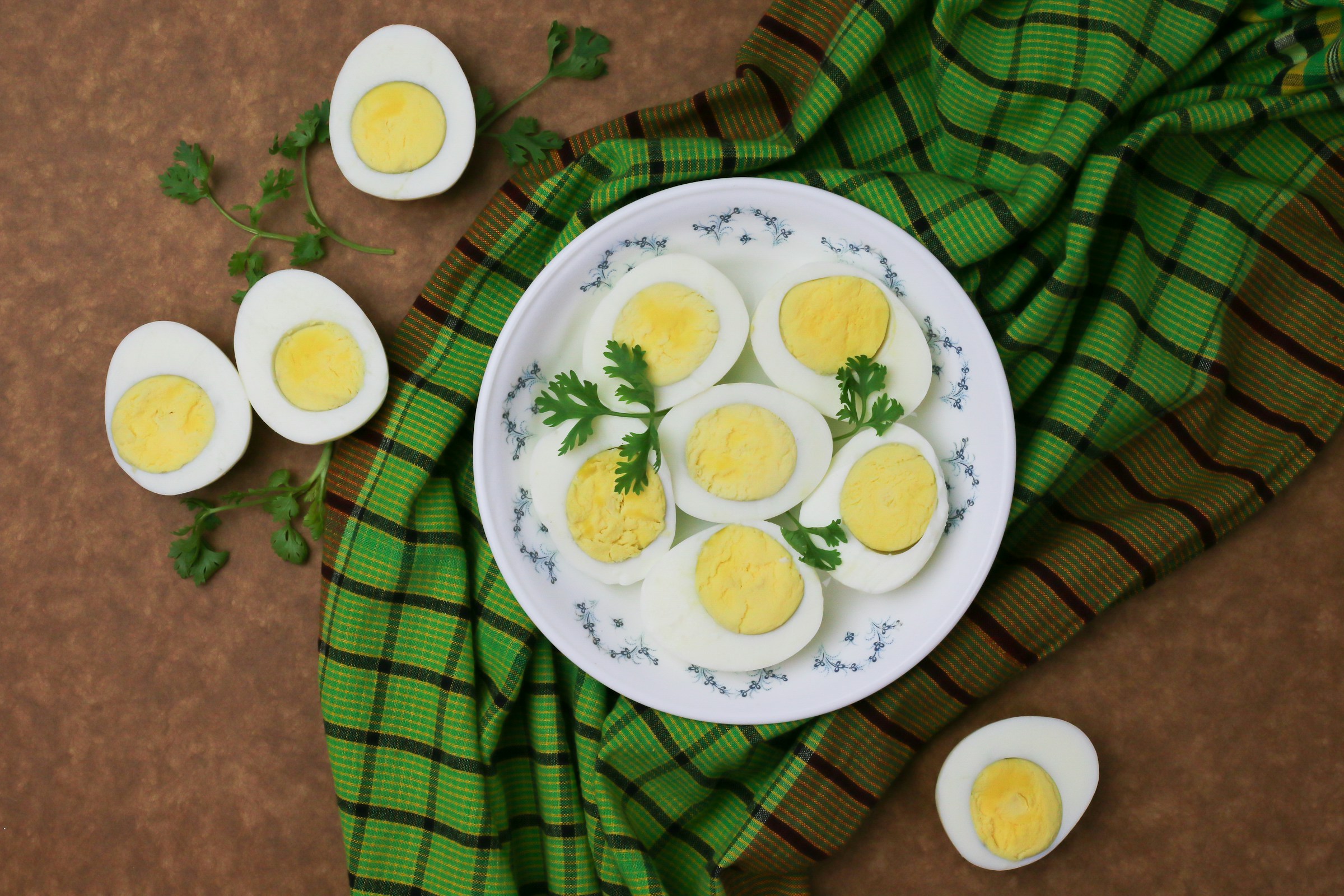
| Whole Eggs | 2 medium eggs | 12–14g | Soft-boiled, poached, or scrambled with milk |
| Skinless Chicken | 100g cooked | 26–28g | Shred finely into soups, yakhni, or curries |
| Mutton or Beef Qeema | 100g cooked | 24–26g | Stew tender with bottle gourd (tori) or kaddu |
| Moong or Masoor Daal | 1 cup cooked | 14–16g | Cook soft and combine with rice or shredded roti |
| Fresh Dahi (Yogurt) | 1 cup (200g) | 8–10g | Whisk with roasted cumin and crushed mint |
Crucial Micronutrients for Older Pakistanis: Vitamin D, B12, and Calcium
Older adults in Pakistan face high risks of vitamin D and B12 deficiencies due to biological aging and common prescription medications. Thinning stomach lining and gastric acid suppressors impair B12 absorption, while aging skin synthesizes less vitamin D from sunlight. Deliberate food choices and medical testing protect nerve and bone health..
As humans age, the stomach lining produces less acid and intrinsic factor, impairing B12 release from food protein. Widely prescribed medications multiply this vulnerability. A systematic review and meta-analysis by Chapman and colleagues documented that metformin therapy reduces circulating vitamin B12 by an average of 57 pmol/L, frequently leading to deficiency in diabetic patients.
An epidemiologic study in JAMA by Lam and colleagues examined 25,956 patients with vitamin B12 deficiency and 184,199 controls. Using proton pump inhibitors for two or more years raised B12 deficiency risk by 65% (odds ratio 1.65), while histamine-2 receptor blockers raised risk by 25% (odds ratio 1.25). Desi foods rich in B12 include eggs, mutton liver (kaleji), fish, and dairy.
MacLaughlin and Holick documented that age-related loss of epidermal provitamin D3 cuts cutaneous vitamin D synthesis by more than half in older skin. Because natural food sources are scarce, Endocrine Society guidelines suggest empiric daily vitamin D supplementation for adults aged 75 and older, as well as those over 50 with medical indications. Read our guide on vitamin D deficiency in Pakistan for details.
Hydration in Older Age: Overcoming the Blunted Thirst Response
Aging dulls the brain’s thirst perception, leaving older adults prone to voluntary under-hydration even during extreme Pakistani summer heat. Dehydration increases the risk of low blood pressure, severe constipation, urinary tract infections, and acute confusion. Scheduled daily drinking habits are necessary to maintain fluid balance without waiting for thirst..
As the brain ages, hypothalamic osmoreceptors become less sensitive to rising blood concentration. An older adult may be clinically dehydrated while feeling comfortable. Many older Pakistanis also limit fluids intentionally because joint pain makes walking to the bathroom difficult.
A meta-analysis in BMJ Public Health by Hooper and colleagues evaluated 19 studies encompassing 14,398 hospitalised older adults. Between 23% and 35% of older adults were dehydrated at or near hospital admission. Vulnerability was highest among individuals with cognitive impairment, diabetes, and kidney disease. ESPEN guidelines declare that all older adults are at high risk of low-intake dehydration and must consume adequate fluids daily.
Establish a scheduled routine rather than waiting for thirst:
- Keep fresh water within reach of their bed or charpai.
- Offer drinks on a timetable: lukewarm water at Fajr, salted lassi at mid-morning, and yakhni at lunch.
- Include hydrating fruits like watermelon (tarbooz) or melon (kharbooza).
- Those with heart failure or advanced kidney disease must follow fluid limits set by their physician.
Managing Chewing Difficulties, Missing Teeth, and Soft Desi Diets
Missing teeth and loose dentures frequently force older Pakistanis to avoid chewy meats, raw vegetables, and whole-wheat rotis, risking rapid weight loss and nutrient deficits. Modifying the texture of traditional Pakistani dishes preserves full protein and calorie intake while ensuring meals remain enjoyable, safe, and easy to swallow..
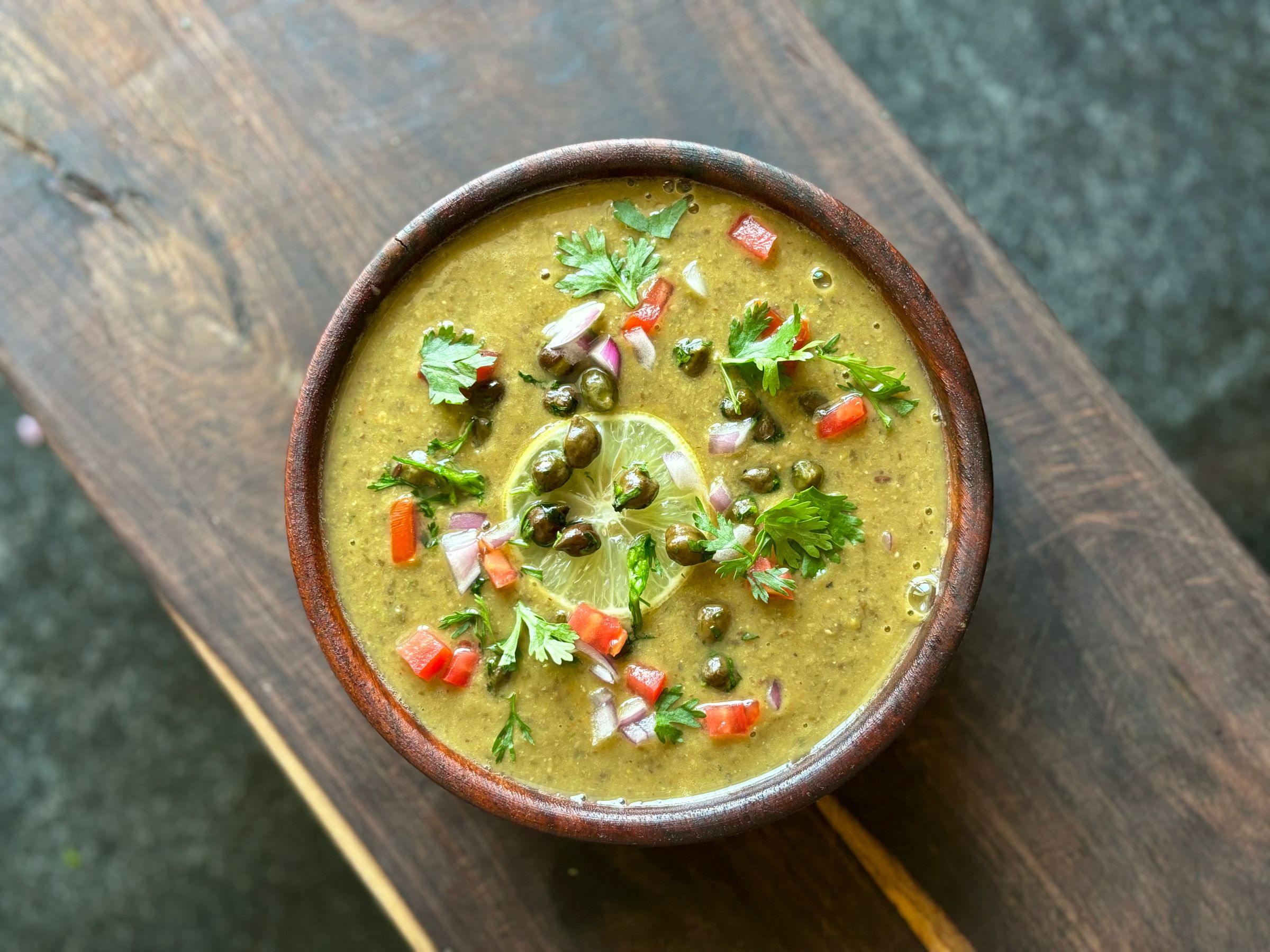
When chewing becomes painful, elders quietly eliminate hard foods, surviving on white bread, tea, and watery broth. A meta-analysis of 16 trials by Chu and Chao demonstrated that texture-modified diets produce significant increases in both energy intake and protein intake in adults with chewing difficulties. Thickened liquids and structured textures also reduced aspiration risks by 41% (odds ratio 0.59). ESPEN clinical guidelines strongly support modifying food texture to maintain oral intake and nutritional health.
Simple kitchen adjustments preserve traditional flavors:
- Minced meats: Finely ground chicken, beef, or mutton (qeema) stewed tender with onions and turmeric.
- Enriched khichdi: Moong daal and rice cooked soft with chicken yakhni and a teaspoon of desi ghee.
- Steamed vegetable purees: Bottle gourd (tori), pumpkin (kaddu), or spinach (palak) cooked with mild spices and mashed smoothly.
- Roti alternatives: Tear thin roti into small pieces and soak them in warm daal or gravy for five minutes until completely soft.
| Texture Category | Desi Dish Example | Kitchen Preparation | Key Nutritional Value |
|---|---|---|---|
| Soft & Bite-Sized | Soft Fish Curry | Poach boneless fish in mild tomato gravy until tender | Complete protein, omega fatty acids, and zinc |
| Minced & Moist | Tori Qeema | Finely ground chicken or beef cooked with tender squash | Bioavailable iron, protein, and gentle fibre |
| Pureed & Smooth | Palak & Moong Mash | Boil lentils and spinach, blend with ginger and cumin | Folate, plant protein, iron, and potassium |
| Enriched Porridge | Yakhni Khichdi | Moong lentils and rice simmered in chicken bone broth | Complete amino acids, easy calories, minerals |
The “Chai and Rusk” Trap: Overcoming Poor Appetite in Pakistani Elders
The widespread Pakistani habit of replacing cooked meals with sweet doodh patti chai, rusks, and bakery biscuits accelerates muscle loss and blood sugar instability. Physiological changes reduce taste and smell, causing anorexia of aging. Offering small, frequent, nutrient-dense meals overcomes poor appetite without overwhelming an older relative’s digestive capacity..
Commercial rusks are made from refined flour, hydrogenated fats, and refined sugar. They cause blood glucose spikes while supplying virtually zero protein, vitamins, or minerals, leading to muscle loss, unstable diabetes, and anemia.
Underlying this habit is anorexia of aging. A global meta-analysis in Maturitas by Fernandez and colleagues analyzing 29,864,296 older individuals found a pooled anorexia prevalence of 22.7%, reaching 34.7% in hospitals. ESPEN guidelines advise serving frequent, small, energy-dense meals rather than large plates when appetite is suppressed.
Appetizing desi alternatives restore intake:
- Upgrade tea time: Replace commercial chai with milk simmered with cardamom, turmeric, or almond paste.
- Nutritious snacks: Serve tea alongside a soft-boiled egg, spiced chana chaat, or homemade besan chilla.
- Awaken blunted taste: Use fresh mint, coriander, roasted cumin (zeera), and ginger rather than heavy salt.
- Add invisible calories: Stir a teaspoon of desi ghee, olive oil, or milk powder into daal or khichdi.
Balancing Chronic Illnesses: Diabetes, High Blood Pressure, and Heart Health
Managing multiple chronic illnesses in older adults requires balancing disease management with adequate nutrition. Overly strict dietary restrictions on salt, fats, or carbohydrates often cause elderly family members to reject meals, triggering rapid muscle wasting and frailty. Nutrition experts advocate flexible, individualized meal plans that prioritize taste, calorie density, and dignity..
In Pakistan, older relatives commonly live with diabetes, hypertension, and arthritis simultaneously. Families frequently strip all oil from curries and ban salt entirely. Stripped of flavour, meals become unpalatable, and severe malnutrition develops.
Position statements from the Academy of Nutrition and Dietetics highlight that nutritional approaches for older adults must be individualized. Restrictive diets reduce food intake, precipitating malnutrition and functional decline. ESPEN clinical guidelines similarly caution that dietary restrictions should generally be avoided in older adults, prioritizing appetite and weight over rigid restriction.
If you take medications for diabetes, high blood pressure, or cholesterol, do not change or stop your medicine without consulting your doctor. Follow our DASH diet guide for Pakistan to flavor food with lemon juice and ginger instead of excess salt. Pair whole grains with protein using our type 2 diabetes Pakistani food guide, and read our guide to high-fibre Pakistani foods for digestive comfort.
A Practical 1-Day Meal Plan for Older Adults in Pakistan
A balanced daily meal plan for older adults in Pakistan provides steady protein, gentle fibre, and essential micronutrients across five small meals. Designed for older digestion and chewing comfort, this sample menu delivers approximately 76 grams of protein to safeguard lean muscle and daily energy..
Spacing meals into five manageable mini-meals respects diminished appetite while ensuring muscles receive regular protein triggers throughout the day..
| Meal & Target Time | Traditional Pakistani Dish | Cooking & Texture Detail | Protein (g) | Key Nutritional Contribution |
|---|---|---|---|---|
| Breakfast (8:00 AM) | Soft Scrambled Eggs & Half Roti | 2 eggs scrambled with milk; half thin chakki roti softened in milk chai | 14g | High-quality protein, choline, morning calories |
| Mid-Morning Snack (11:00 AM) | Cumin Dahi & Stewed Fruit Bowl | 1 small cup fresh dahi whisked with roasted cumin and mashed banana | 9g | Probiotics, dietary calcium, potassium |
| Lunch (1:30 PM) | Shredded Chicken Yakhni Khichdi | Soft moong daal and rice in broth with shredded chicken | 22g | Leucine for muscle, easy complex carbohydrates |
| Afternoon Tea (5:00 PM) | Cardamom Almond Milk & Besan Chilla | 1 cup warm milk with cardamom and 1 soft chickpea pancake | 10g | Hydration, healthy plant fats, magnesium |
| Dinner (8:00 PM) | Tender Mutton Qeema with Squash | Minced mutton with tori, served with daal gravy | 21g | Heme iron, zinc, vitamin B12, fluid |
This daily routine delivers roughly 76 grams of protein, easily meeting the PROT-AGE target of 1.0 to 1.2 grams per kilogram for a 65-kilogram adult. Adjust portions based on your relative’s physical frame and hunger signals.
When to Seek Clinical and Geriatric Nutrition Assessment
Unintentional weight loss, chronic fatigue, frequent falls, and persistent refusal to eat are not normal parts of aging. Losing more than 5% of body weight within 3 to 6 months signals severe malnutrition that requires clinical assessment. Early medical evaluation identifies underlying medical causes and protects against further muscle loss..
Because older adults wear loose clothes, muscle loss often goes unnoticed until clothes visibly hang or a fall occurs. International diagnostic consensus criteria from ESPEN state that unintentional weight loss exceeding 5% within 3 months (or greater than 10% over any timeframe) objectively defines clinical malnutrition. For an older person weighing 60 kilograms, losing just 3 kilograms over three months is a critical warning sign that demands professional medical investigation.
In Karachi, Rashid and colleagues evaluated 325 older adults with diabetes at DUHS using the Mini Nutritional Assessment. The researchers found that 16.3% were malnourished, while 69.5% were at imminent risk of malnutrition. Low family income, low BMI, and small calf circumference correlated with malnutrition, showing that over 85% of elderly diabetic patients faced compromised nutritional health.
Consult a doctor or registered dietitian nutritionist if an elder experiences unplanned weight loss, difficulty rising from a chair, slow-healing sores, or sudden confusion. Request a nutritional review including serum vitamin B12, 25-hydroxyvitamin D, blood counts, and kidney function tests to protect their health and independence.
Frequently asked questions
What makes elderly nutrition pakistan guidelines different from younger adult diets?
Elderly nutrition guidelines in Pakistan differ because older adults require fewer total calories but more nutrients per bite. While energy expenditure falls with age, requirements for protein, calcium, vitamin D, and B12 remain high. Blunted thirst and chewing issues also necessitate softer preparations.
Why do older adults need more protein if they are less physically active?
Aging muscles experience anabolic resistance, requiring a stronger amino acid signal for tissue repair. Without 1.0 to 1.2 grams of protein per kilogram daily, the body breaks down skeletal muscle, increasing frailty and fall risks. Protein also supports immunity and wound healing.
What soft Pakistani foods are best for elders who cannot chew meat or roti?
Soft desi foods include yellow moong daal khichdi cooked in chicken yakhni, tender mutton or chicken qeema, soft eggs, and dahi with cumin. For elders struggling with chapati, tear whole-wheat roti into small pieces and soak them in warm daal or gravy until soft.
Why do elderly family members lose their appetite and only want chai?
Blunted taste and smell make food less appealing, while slower stomach emptying prolongs fullness. Sweet milk tea provides quick warmth and a transient blood sugar spike without chewing effort. Small, fragrant meals seasoned with mint, cardamom, and cumin help restore appetite.
Why is dehydration so common in older adults during Pakistani summers?
Aging blunts thirst perception, so older adults rarely feel thirsty even when dehydrated. Many seniors also restrict fluids to avoid painful bathroom trips. During Pakistani summers, low fluid intake rapidly causes low blood pressure, severe constipation, urinary infections, and acute confusion.
When does weight loss in an elderly parent indicate a medical emergency?
Unintentional weight loss greater than 5% within 3 to 6 months is an established warning sign of severe malnutrition. Losing this much weight signals that muscle and organ tissues are breaking down, requiring prompt medical evaluation for underlying infections, dental issues, or chronic disease.
About the author

RD Saeed Ahmad, MSPHCo-founder and nutritionist, Nuritron
Nutritionist and public health researcher, and co-founder of Nuritron. Works in clinical and community nutrition, type 2 diabetes and One Health policy.
View full profile and articles