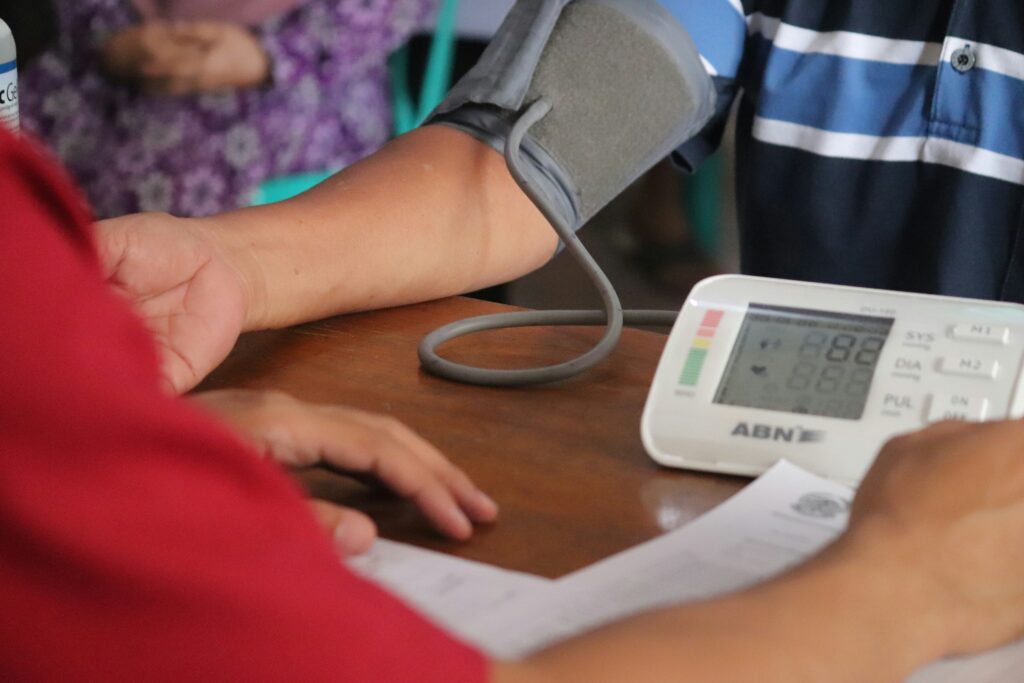
Many people managing fasting ramadan high blood pressure wonder if they can safely fast during the holy month of Ramadan. Fasting changes your eating patterns, sleep schedule, and when you can take your medication. The sudden shift to eating only before dawn and after sunset means you have to rethink how you take your pills and what you eat.
Dehydration from long, hot days can also complicate fasting ramadan high blood pressure management. For most people with well-controlled blood pressure, fasting is safe. However, it requires careful planning with your healthcare provider. If your blood pressure is unstable or very high, fasting can be dangerous and is not recommended.
Key takeaways
- Fasting is generally safe if your blood pressure is well-controlled, but high-risk patients should not fast.
- Never adjust or stop your blood pressure medication without a doctor’s guidance. Timing usually needs to be shifted to Suhoor or Iftar.
- Avoid salty fried foods at Iftar, as they can cause dangerous blood pressure spikes.
- Watch out for severe dizziness or headaches. These are red flags that you may need to break your fast.
How Fasting Affects Blood Pressure
Fasting ramadan high blood pressure generally does not worsen your condition if it is well-controlled. For some people, the change in routine might offer mild benefits. However, evidence suggests that fasting during Ramadan may lead to small decreases in both systolic and diastolic blood pressure for people with hypertension.
One analysis of the London Ramadan Study found that systolic blood pressure dropped by an average of 3.19 mm Hg and diastolic by 2.26 mm Hg after Ramadan. Because of this, you can safely navigate fasting ramadan high blood pressure if your condition is stable with your current medication.
The British Islamic Medical Association guidelines provide guidance that supports this, noting that people with well-controlled hypertension can usually balance fasting ramadan high blood pressure without major medical issues.
During the long fasting hours, your body naturally loses fluids. While you cannot drink during the day, it is common sense to stay well hydrated between Iftar and Suhoor to manage fasting ramadan high blood pressure successfully. Drinking enough water in the evening helps keep your body balanced for the next day of fasting.
Who Should Not Fast
You should not participate in fasting ramadan high blood pressure is unstable or if you recently had cardiovascular issues. Specifically, fasting is medically contraindicated during a hypertensive emergency, defined as a blood pressure of 180/120 mmHg or higher, accompanied by signs of organ damage.
Fasting is not safe for everyone. The decision to fast must be based on your individual health risk. If your blood pressure is difficult to control, managing fasting ramadan high blood pressure may be too risky, and you may be advised against fasting entirely.
If your readings are anywhere near emergency levels, fasting puts your health at severe risk. Your doctor will need to reduce your blood pressure quickly in a medical setting. Always confirm with your healthcare provider to understand if fasting ramadan high blood pressure is a safe choice for you this year.
Managing Your Blood Pressure Medication
To safely manage fasting ramadan high blood pressure, you must speak to a doctor before Ramadan to adjust your medication schedule. Guidelines emphasize that a pre-Ramadan medical assessment is crucial for anyone taking daily medications who wants to fast safely.
Do not change or stop your medication based on this article. Only a doctor or pharmacist can safely shift your doses to Iftar or Suhoor. Some blood pressure pills are long-acting and only need to be taken once a day, while others require multiple doses. Skipping your medication or taking it at the wrong time can cause dangerous blood pressure swings.
Your doctor might need to adjust your prescription or switch you to a different pill that better fits the fasting schedule. If you also manage blood sugar, you can read more in our fasting with diabetes during Ramadan guide. For broader advice on taking pills and balancing fasting ramadan high blood pressure, see our guide on taking medication during Ramadan fasting.
What to Eat (and Avoid) at Iftar and Suhoor
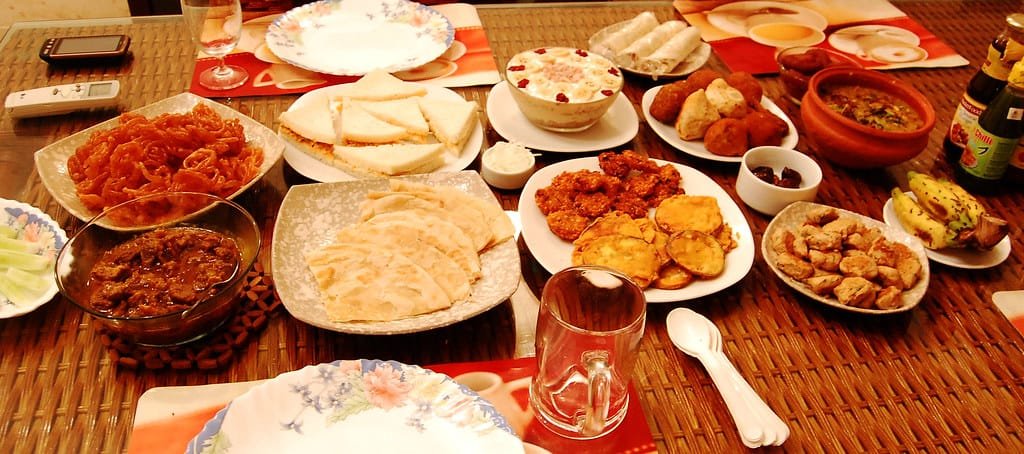
When managing fasting ramadan high blood pressure, avoid traditional Pakistani Iftar foods like pakoras, samosas, and salty chaat. These are very high in sodium and act against your blood pressure medication. Evidence shows that reducing your salt intake directly leads to blood pressure reductions.
The food you eat when you open your fast matters just as much as the fasting itself. When you have not eaten all day, it is tempting to reach for heavy, comforting foods. A typical Pakistani Iftar often includes namkeen snacks. These foods are very high in salt, which acts against your blood pressure medication.
Eating heavily salted fried foods after a long day of fasting can cause an acute spike in your blood pressure. Instead of salty snacks and sugary drinks like Rooh Afza, focus on healthier whole foods for balancing fasting ramadan high blood pressure.
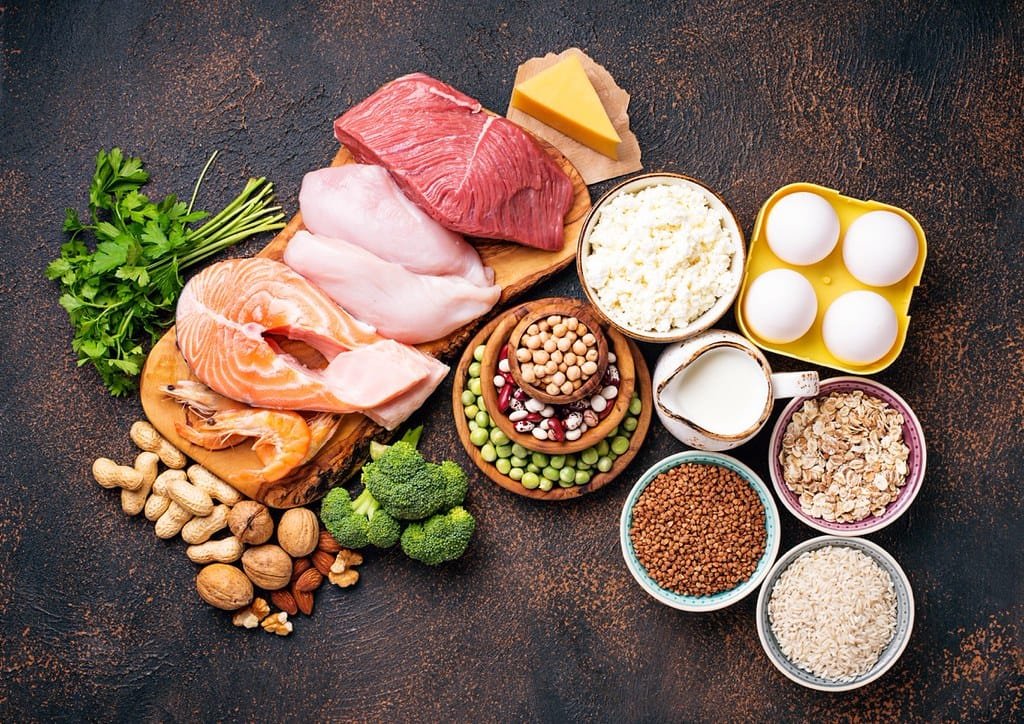
Potassium-rich foods like dates, bananas, and yogurt are often recommended, but be careful: if you have kidney disease or take certain blood pressure medications (like ACE inhibitors or potassium-sparing water pills), too much potassium can be dangerous. Ask your doctor before increasing potassium in your diet.
For your meals, include local vegetables like palak, methi, and sarson. These provide nutrients without the heavy salt load. If you are exploring how to eat well with fasting ramadan high blood pressure, the DASH diet in Pakistan can help you plan better meals. Also, be aware of diabetes medication food interactions if you take other prescriptions alongside your blood pressure pills. Drink plenty of plain water overnight to stay hydrated.
When to Break Your Fast Immediately
When undertaking fasting ramadan high blood pressure requires vigilance. If you experience symptoms of a hypertensive emergency or severe blood pressure drops, break your fast immediately with water and seek help. Danger signs include severe headache, chest pain, and extreme dizziness.
You must know when to stop fasting to protect your health. Fasting is meant to be a safe spiritual practice, not a dangerous endurance test. Watch closely for these danger signs while you are managing fasting ramadan high blood pressure:
- Severe, pounding headache
- Chest pain or tightness
- Extreme dizziness or fainting
- Blurry vision
- Confusion or difficulty speaking
These symptoms, especially when combined with very high blood pressure (180/120 mmHg or higher), mean you need emergency medical attention right away. Do not wait until Iftar to seek help or drink water. Breaking your fast to protect your life is medically necessary and Islamically supported.
[!WARNING] Medical Disclaimer: Do not change or stop your medication based on this article. The information provided is for educational purposes only. Always consult your doctor or pharmacist before making any changes to your medication schedule, especially when dealing with fasting ramadan high blood pressure.
Frequently asked questions
Can I take my blood pressure pill without water during a fast?
No. Taking oral medication breaks your fast, whether you use water or not. You should work with your doctor before Ramadan to shift your dose timing to either Suhoor or Iftar. Never skip a dose unless your doctor tells you to do so.
Does fasting make high blood pressure go away permanently?
Fasting does not make high blood pressure go away permanently. While it may lead to small, temporary reductions in blood pressure for some people during the month of Ramadan, hypertension is a chronic condition. It requires ongoing management, healthy eating habits, and daily medication as prescribed by your doctor.
What is the best time to check my blood pressure during Ramadan?
It is best to check your blood pressure at different times of the day to get a complete picture of how fasting affects you. Good times include just before Suhoor, mid-day, and just before Iftar. Ask your doctor for a checking schedule that fits your specific health needs and medication timing.
Are traditional Iftar foods bad for fasting ramadan high blood pressure?
Traditional fried foods like pakoras, samosas, and salty chaat are very high in sodium. Eating large amounts of salt when you open your fast can cause sudden spikes in your blood pressure. It is much safer for your heart to choose grilled items, fresh fruits, and plain water instead of salty snacks and sugary syrups.
About the author

RD Saeed Ahmad, MSPHCo-founder and nutritionist, Nuritron
Nutritionist and public health researcher, and co-founder of Nuritron. Works in clinical and community nutrition, type 2 diabetes and One Health policy.
View full profile and articles