When searching for high fibre foods, Pakistan offers an exceptional variety of affordable, traditional staples including stone-ground chakki atta, whole pulses, and seasonal market produce. Eating a diet rich in these unrefined plant foods protects digestive regularity, improves blood sugar stability, and lowers cardiovascular disease risk. Most urban and rural households today consume diets dominated by refined white flour (maida), polished basmati rice, and fried snacks, leaving their daily fibre intake far below healthy physiological targets.
International health guidelines recommend that adults consume between 25 and 38 grams of dietary fibre each day to protect against chronic diseases. Meeting this target does not require expensive imported superfoods or commercial supplements. Traditional Pakistani agricultural crops (from pearl millet and sorghum to brown chickpeas, okra, and pink guavas) provide all the soluble and insoluble fibre required for robust gut function and metabolic health.
Key takeaways
- Most Pakistani adults consume only 10 to 12 grams of dietary fibre daily, falling significantly short of the recommended 25 to 38 grams needed for optimal metabolic and digestive health.
- Traditional unrefined desi grains, including stone-ground 100% whole-wheat chakki atta, bajra (pearl millet), jowar (sorghum), and jau (barley), contain 2 to 4 times more fibre than refined maida or polished white basmati rice.
- Pakistani pulses (chana, mash, moong, masoor, and lobia) and seasonal market vegetables (bhindi, palak, methi, gobi) provide Pakistan’s most economical, nutrient-dense fibre sources.
- Viscous soluble fibre forms a protective gel in the small intestine that delays carbohydrate absorption, blunts postprandial glucose surges, and binds bile acids to lower circulating LDL cholesterol.
- To minimise gas and bloating, increase your fibre intake gradually by 3 to 5 grams every few days. Drink 8 to 10 glasses of water daily and soak whole pulses thoroughly before cooking.
- Ispaghol (psyllium husk) is an effective natural adjunct for bowel regularity and mild cholesterol management, but it cannot duplicate the micronutrients, polyphenols, and diverse prebiotic fibres found in whole plant foods.
- Children require roughly their “age plus 5 grams” of fibre per day. Meet this goal through small portions of soft-cooked daals, whole fruit, and whole-wheat roti rather than adult-sized servings or routine laxative supplements.
What Is Dietary Fibre and How Much Do You Need Daily?
Dietary fibre is the non-digestible carbohydrate component of plant foods that passes through your stomach and small intestine largely intact. International health guidelines advise adults to consume 25 to 38 grams of dietary fibre daily. Typical Pakistani diets provide less than half this amount, raising the risk of constipation, diabetes, and heart disease.
Dietary fibre consists of two primary forms: soluble and insoluble. Soluble fibre dissolves in water to create a viscous, gel-like substance in your digestive tract. This gel slows gastric emptying, moderates carbohydrate breakdown, and feeds beneficial microbiota in your colon. Insoluble fibre does not dissolve in water. It attracts fluids to add bulk to stool and speeds the passage of waste through your intestines. Both types work together to sustain regular bowel movements and maintain metabolic balance.
The World Health Organization suggests that adults consume at least 25 grams of dietary fibre daily from naturally occurring food sources, including vegetables, fruits, pulses, and whole grains. An extensive systematic review and meta-analysis published in The Lancet evaluated 185 prospective cohort studies and 58 clinical trials. Adults consuming 25 to 29 grams of dietary fibre daily had a 15% to 30% drop in all-cause mortality and cardiovascular death. The meta-analysis also documented lower rates of stroke, type 2 diabetes, and colorectal cancer. Higher intakes conferred even greater protection.
Despite these benefits, Pakistani dietary patterns have shifted toward industrial flours and polished grains. A 2026 nutritional synthesis noted that global fibre intake remains well below recommended levels, contributing to roughly 453,000 preventable deaths each year worldwide. In Pakistani urban centres, average adult intake sits between 10 and 12 grams per day. This creates a substantial fibre gap that impacts long-term digestive and circulatory health.
| Life Stage or Population Group | Daily Recommended Fibre Intake | Typical Intake in Pakistan | Primary Food Sources Needed |
|---|---|---|---|
| Adult Women (19–50 years) | 25 grams daily | 10–12 grams daily | Chakki atta roti, whole lentils, seasonal vegetables |
| Adult Men (19–50 years) | 30–38 grams daily | 12–14 grams daily | Bajra, desi chana, barley, fresh local fruits |
| Older Adults (50+ years) | 21–30 grams daily | 9–11 grams daily | Soft-cooked daal, oatmeal, vegetable salan, stewed fruit |
| Children (2–5 years) | At least 15 grams daily | 6–8 grams daily | Khichdi, mashed legumes, peeled fruit slices |
| Children (6–9 years) | At least 21 grams daily | 8–10 grams daily | Whole-wheat chapati, moong daal, fresh guavas |
| Adolescents (10+ years) | At least 25 grams daily | 10–12 grams daily | Whole grains, beans, mixed sabzi, whole citrus |
Top High-Fibre Whole Grains in Pakistan: Atta, Bajra, Jowar, and Barley
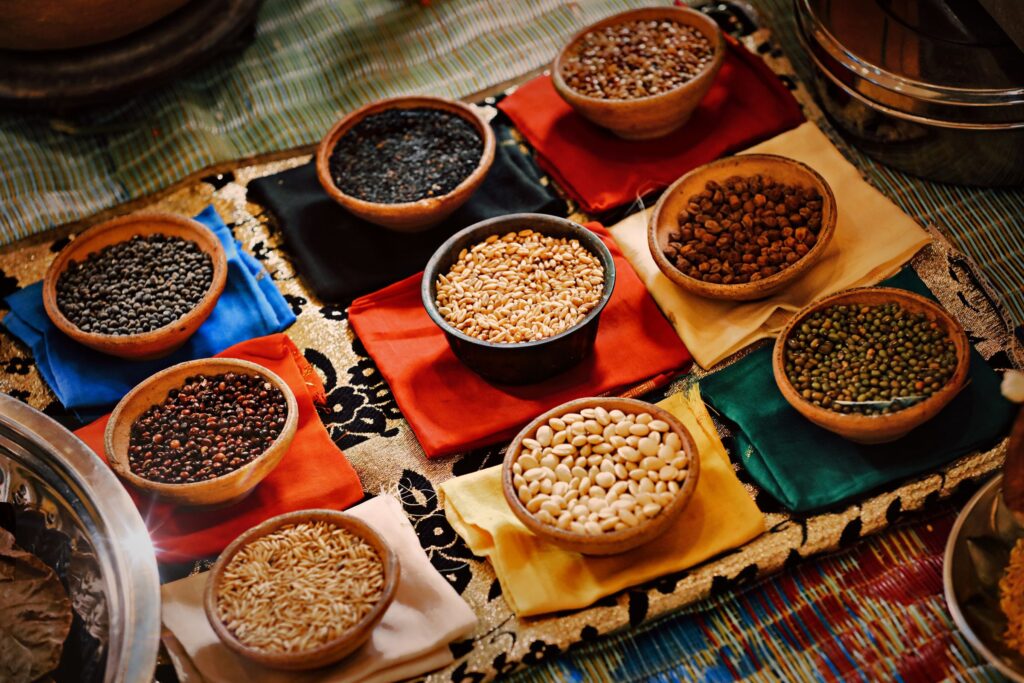
Traditional Pakistani whole grains provide up to four times more dietary fibre than refined white flour and polished rice. Switching from maida or fine factory atta to stone-ground 100% whole-wheat chakki atta, barley (jau), pearl millet (bajra), or sorghum (jowar) quickly bridges your daily fibre deficit using affordable local staples.
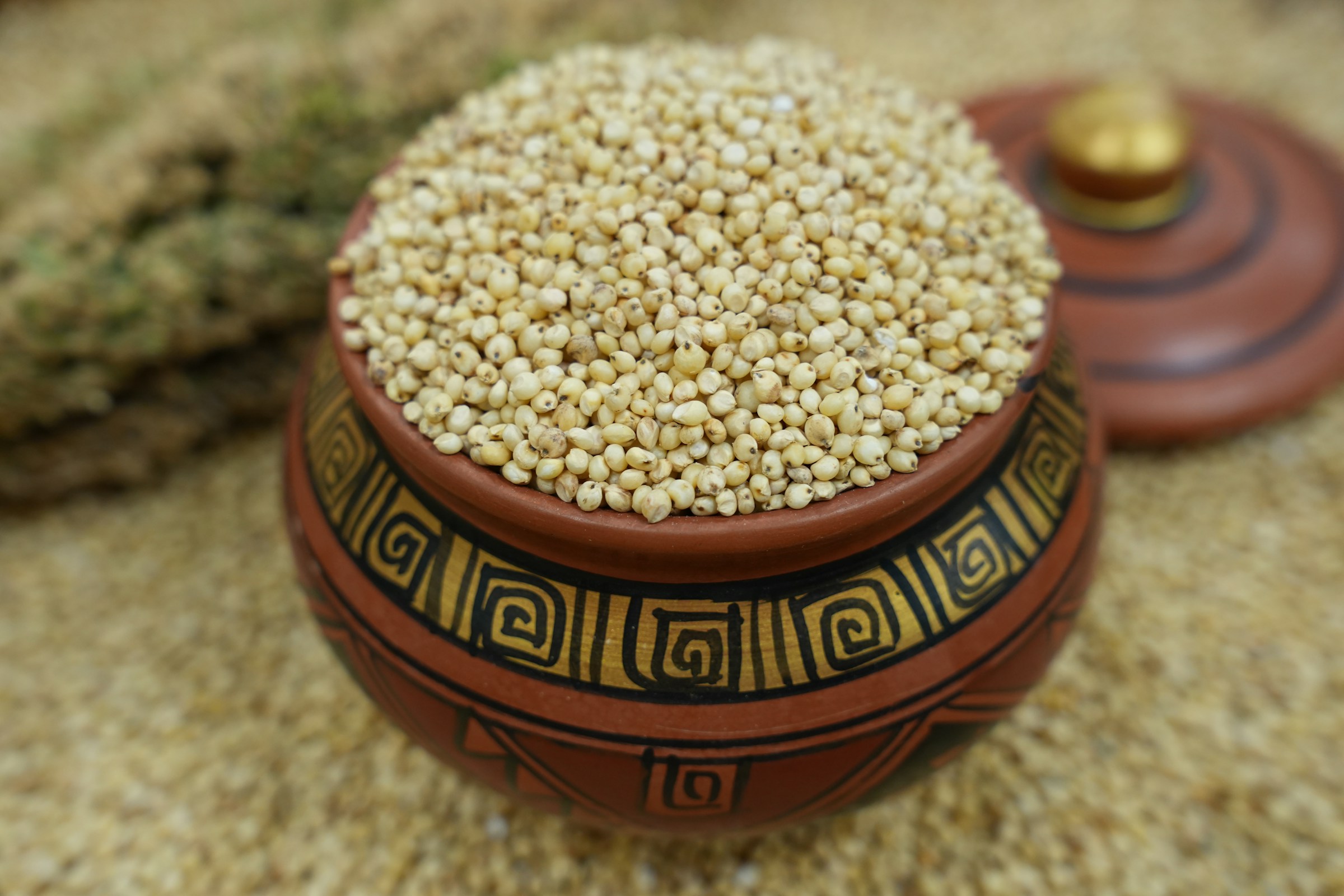
The cornerstone of the Pakistani diet is the daily chapati. According to the Indian Food Composition Tables (IFCT 2017), whole wheat chakki atta delivers 11.23 grams of total dietary fibre per 100 grams. This includes 9.53 grams of insoluble fibre and 1.70 grams of soluble fibre. In sharp contrast, refined wheat flour (maida) contains only 2.80 grams of total fibre per 100 grams, while milled white basmati rice supplies just 2.81 grams per 100 grams.
This nutritional difference stems directly from the milling process. Stone-ground chakki milling preserves the entire wheat kernel, including the fibre-dense outer bran (choker) and the nutrient-packed germ. Modern roller mills strip away the bran and germ to produce fine white flour with a long shelf life but minimal nutritional value. One standard homemade chapati prepared from 40 grams of dry chakki atta supplies approximately 4.5 grams of fibre. Consuming four chapatis across lunch and dinner provides 18 grams of fibre, fulfilling the majority of your baseline daily requirement. Eating the same meals with white maida naans or tandoori rotis yields less than 5 grams of fibre combined.
Beyond wheat, Pakistan grows climate-resilient ancient grains with exceptional nutritional profiles:
- Barley (Jau): Barley provides 15.64 grams of total dietary fibre per 100 grams, making it the most fibre-dense cereal in the region. It is rich in beta-glucan, a viscous soluble fibre that lowers blood cholesterol and moderates glucose absorption. Consuming traditional barley dishes like talbina (warm barley porridge with milk) at sehri supports sustained fullness throughout the day.
- Pearl Millet (Bajra): Bajra supplies 11.49 grams of total fibre per 100 grams. Widely grown in Punjab and Sindh, bajra flour is traditionally made into flatbreads during winter. It delivers robust insoluble fibre that stimulates intestinal motility.
- Sorghum (Jowar): Jowar contains 10.22 grams of total fibre per 100 grams. It is naturally gluten-free and provides prebiotic starches that support gut bacterial diversity.
| Grain or Flour Variety | Local Urdu Name | Total Fibre (g/100g) | Soluble Fibre (g/100g) | Insoluble Fibre (g/100g) | Typical Culinary Application |
|---|---|---|---|---|---|
| Whole Wheat Flour (Stone-ground) | Chakki Atta | 11.23 | 1.70 | 9.53 | Daily household roti, paratha |
| Refined Wheat Flour | Maida | 2.80 | 1.10 | 1.70 | Naan, bakery items, samosa crusts |
| Milled White Rice | Safaid Chawal | 2.81 | 0.71 | 2.10 | Biryani, pulao, plain boiled rice |
| Whole Barley | Jau | 15.64 | 4.15 | 11.49 | Talbina porridge, mixed-grain roti |
| Pearl Millet | Bajra | 11.49 | 1.82 | 9.67 | Winter flatbreads, khichra |
| Sorghum | Jowar | 10.22 | 1.45 | 8.77 | Bhakri roti, savoury porridge |
High Fibre Foods Pakistan: Pulses, Vegetables, and Seasonal Fruits
Traditional Pakistani legumes, market vegetables, and seasonal orchard fruits represent the [most economical sources of high-fibre nutrition](https://nuritron.com/budget-meal-planning/). A single serving of whole pulses, a bowl of cooked okra, or one fresh local guava delivers substantial amounts of soluble and insoluble fibre that nourish your gut microbiome and promote digestive regularity.
Legumes are indispensable in Pakistani culinary heritage, offering an outstanding balance of complex carbohydrates and plant-based protein sources in Pakistan. The IFCT 2017 database establishes that dry raw Pakistani pulses contain between 10 and 25 grams of total dietary fibre per 100 grams. Whole unhulled (sabut) pulses supply significantly more fibre than split (dhuli) varieties because their outer seed coats remain intact.
Whole pulses provide much more fibre than split varieties:
- Brown Chickpeas (Desi Chana): Whole desi chana contains 25.22 grams of total fibre per 100 grams. In contrast, split chana dal contains 15.30 grams.
- Black Gram (Mash): Whole black gram (mash sabut) delivers 20.40 grams of total fibre. Split white mash dal contains 11.70 grams.
- Green Gram (Moong): Whole green moong provides 17.10 grams of total fibre. Decorticated yellow moong dal supplies 8.20 grams.
- Red Lentil (Masoor): Whole brown masoor delivers 21.40 grams of total fibre. Split orange masoor dal provides 10.80 grams.
- Black-eyed Peas (Lobia): Lobia supplies 17.80 grams of total fibre per 100 grams, offering high concentrations of both soluble and insoluble fractions.
Laboratory analyses confirm that whole pulses retain high levels of structural soluble and insoluble fibres even after thorough boiling and pressure cooking.
Everyday Pakistani vegetables (sabzi) also contribute meaningful amounts of dietary fibre, particularly when prepared with modest amounts of oil:
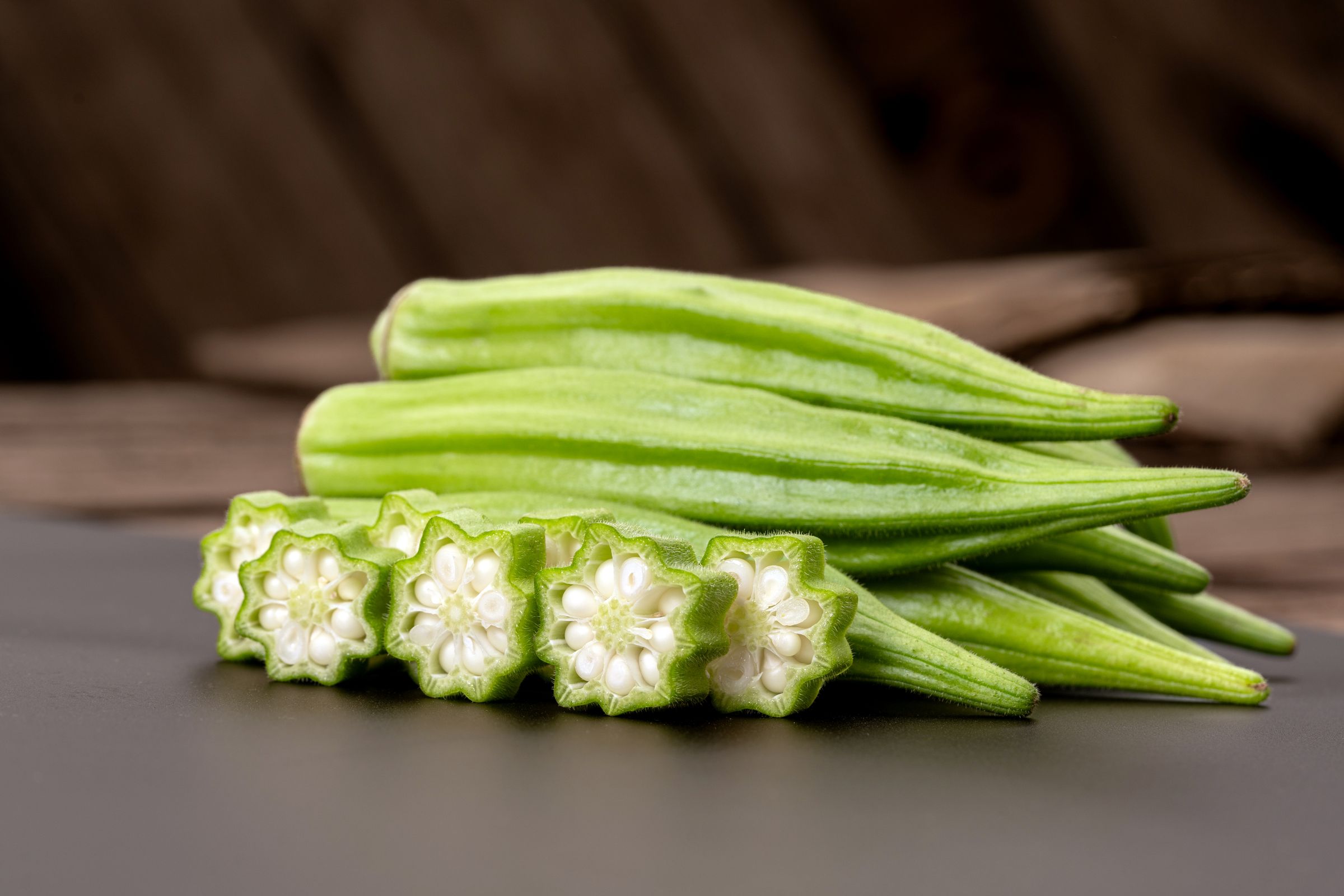
- Okra (Bhindi): Provides 3.60 grams of total fibre per 100 grams edible weight. Its soothing mucilage consists of viscous soluble fibre that slows digestion.
- Fenugreek Leaves (Methi): Supplies 4.90 grams of total fibre per 100 grams, making aloo methi or methi paratha a remarkably fibre-dense meal.
- Spinach (Palak) and Mustard Greens (Sarson): Deliver 2.60 grams and 2.40 grams of fibre per 100 grams respectively, supplying insoluble bulk that stimulates healthy peristalsis.
- Cauliflower (Gobi): Delivers 2.80 grams of total fibre per 100 grams, supporting gut microbial fermentation.
- Ridge Gourd (Tori): Provides 2.00 grams of gentle, low-irritant fibre per 100 grams, ideal for sensitive stomachs.
Among seasonal fruits, local produce offers substantial fibre advantages over imported varieties:
- Guava (Amrood): The standout high-fibre fruit of Pakistan, providing 8.59 grams of total fibre per 100 grams. A single medium amrood eaten with its skin and edible seeds delivers nearly 9 grams of dietary fibre, fulfilling one-third of an adult’s daily target.
- Pomegranate (Anar): Delivers 4.00 grams of fibre per 100 grams, concentrated within its edible seeds and arils.
- Apples with Skin: Provide 2.40 grams of fibre per 100 grams, supplying soluble pectin along with insoluble peel fibre.
- Citrus Fruits (Kinnow and Malta): Supply 2.40 grams of fibre per 100 grams when eaten whole, though straining them into clear juice discards virtually all of this beneficial material.
| Food Item | Local Urdu Name | Standard Serving Size | Fibre per 100g (g) | Fibre per Serving (g) | Primary Fibre Type |
|---|---|---|---|---|---|
| Whole Brown Chickpea | Desi Chana (Sabut) | 1 cup cooked (150g) | 25.22 (dry) | 12.50 | Insoluble & Soluble |
| Split Bengal Gram | Chana Dal | 1 cup cooked (150g) | 15.30 (dry) | 8.20 | Soluble & Insoluble |
| Black-Eyed Peas | Lobia / Rawan | 1 cup cooked (150g) | 17.80 (dry) | 9.10 | Soluble & Insoluble |
| Whole Green Gram | Sabut Moong | 1 cup cooked (150g) | 17.10 (dry) | 8.80 | Insoluble & Soluble |
| Split Red Lentil | Masoor Dal | 1 cup cooked (150g) | 10.80 (dry) | 5.60 | Insoluble & Soluble |
| Fresh Guava | Amrood | 1 medium fruit (100g) | 8.59 | 8.59 | Insoluble & Soluble |
| Cooked Okra | Bhindi Sabzi | 1 cup cooked (120g) | 3.60 | 4.30 | Viscous Soluble |
| Fenugreek Leaves | Methi Sabzi | 1 cup cooked (100g) | 4.90 | 4.90 | Soluble & Insoluble |
| Cooked Spinach | Palak | 1 cup cooked (120g) | 2.60 | 3.10 | Insoluble |
| Fresh Pomegranate | Anar | 1 small cup arils (100g) | 4.00 | 4.00 | Insoluble & Pectin |
To learn more about the specific mechanisms of these plant components, read our guide on understanding how soluble fibre supports gut health.
Fibre and Blood Sugar: Why It Matters for Diabetes in Pakistan
Viscous soluble fibre slows the digestion and absorption of carbohydrates, blunting postprandial glucose spikes in individuals living with type 2 diabetes. Systematic reviews confirm that increasing daily fibre intake significantly reduces glycated haemoglobin (HbA1c), improves fasting plasma glucose, and enhances insulin sensitivity in patients with metabolic disease.
Pakistan currently faces one of the highest diabetes prevalence rates globally. Traditional urban meals built around refined white flours, polished basmati rice, sweetened beverages, and bakery goods release glucose into the circulation rapidly, straining pancreatic beta-cell function. Consuming viscous soluble fibre alters this dynamic. When soluble fibre mixes with water in the stomach and upper small intestine, it swells into a gelatinous matrix. This matrix traps digestive enzymes and digestible carbohydrates, delaying gastric emptying and slowing the transport of glucose across the intestinal wall into the bloodstream.
A landmark systematic review and meta-analysis published in PLOS Medicine evaluated 42 randomized trials (1,789 adult participants) and two prospective cohorts (8,300 adults followed for an average of 8.8 years). The trial evidence demonstrated that increasing dietary fibre produced clear improvements across core metabolic markers:
- Glycated haemoglobin (HbA1c) dropped by an average of 2.00 mmol/mol.
- Fasting plasma glucose decreased by 0.56 mmol/L.
- Homeostatic model assessment of insulin resistance (HOMA-IR) improved significantly, declining by 1.24 mg/dL.
- Fasting serum insulin dropped by a standardized mean difference of 2.03.
- Body weight decreased by an average of 0.56 kg across trial durations.
Cohort data showed 14 fewer deaths per 1,000 people among adults with diabetes consuming 35 grams of fibre daily. This was compared to a baseline intake of 19 grams per day. Both Reynolds et al. (2019) and Jamshed et al. (2026) confirm that whole-food dietary fibre helps preserve systemic metabolic regulation across multiple gut-organ axes. .
If you take insulin or oral diabetes drugs like metformin, do not change or stop your medication without speaking directly with your physician. As you increase dietary fibre and your blood sugar stabilizes, your healthcare provider can evaluate your response safely. For practical meal combinations, explore our detailed glycaemic index of common Pakistani foods and our clinical diet plan for type 2 diabetes.
How Dietary Fibre Protects Heart Health and Lowers Cholesterol
Soluble dietary fibre lowers circulating low-density lipoprotein (LDL) cholesterol by binding bile acids in the small intestine and accelerating their excretion. In response, your liver draws cholesterol from the bloodstream to synthesize fresh bile acids, progressively lowering serum LDL levels and reducing long-term cardiovascular disease risk.
Cardiovascular disease remains the leading cause of premature mortality in Pakistan. Elevated circulating LDL cholesterol is a major modifiable risk factor. The biological mechanism connecting fibre to cholesterol reduction centres on bile acid metabolism. The liver synthesizes bile acids from circulating cholesterol and secretes them into the digestive tract to facilitate the emulsification and absorption of dietary fats. Viscous soluble fibres (including beta-glucan in barley, psyllium, and soluble fractions of legumes and okra) bind these bile acids within the small intestine.
Trapped bile acids cannot be reabsorbed through the terminal ileum and pass into the stool for elimination. To replenish the depleted bile acid pool, the liver must produce fresh bile. It accomplishes this by upregulating LDL receptors on hepatocyte surfaces, pulling circulating LDL particles out of your blood.
A comprehensive Cochrane systematic review of 23 randomized controlled trials involving 1,513 participants confirmed these clinical benefits. Increased dietary fibre consumption produced statistically significant reductions in total cholesterol (mean reduction of 0.23 mmol/L) and LDL cholesterol (mean reduction of 0.14 mmol/L). The Cochrane review also observed a meaningful decrease in diastolic blood pressure of 1.77 mmHg, contributing further to cardiovascular risk reduction.
The PLOS Medicine meta-analysis of adults with cardiometabolic disorders showed consistent lipid reductions, documenting a total cholesterol decrease of 0.34 mmol/L and an LDL cholesterol decrease of 0.17 mmol/L. Furthermore, colonic bacterial fermentation of intact soluble fibre yields short-chain fatty acids (primarily acetate, propionate, and butyrate) that enter portal circulation and help downregulate hepatic cholesterol synthesis.
How to Increase Fibre in a Pakistani Diet Without Gas or Bloating
Increasing dietary fibre too rapidly often triggers uncomfortable abdominal distension, cramps, and flatulence due to the fermentation of legume oligosaccharides. You can comfortably avoid digestive distress by titrating fibre upward in small increments of 3 to 5 grams every few days, drinking plenty of water, and soaking dry pulses thoroughly before cooking.
A frequent reason Pakistanis abandon high-fibre eating is the sudden bloating that occurs after eating whole legumes like desi chana, lobia, or rajma. This reaction is not a sign of poor digestion. Rather, it is the result of bacterial fermentation. Legumes naturally contain soluble carbohydrates known as alpha-galacto-oligosaccharides (alpha-GOS), primarily raffinose and stachyose. The human small intestine lacks the enzyme alpha-galactosidase required to cleave these sugar molecules. As a result, they arrive undigested in the large intestine, where colonic bacteria rapidly ferment them, releasing hydrogen and carbon dioxide gas.
A food science trial evaluated the impact of culinary preparation on oligosaccharides across five traditional legumes. In raw seeds, alpha-GOS concentrations ranged from 2.50 grams per 100 grams in chickpeas to over 4.00 grams per 100 grams in fenugreek. Soaking the seeds in water for 8 to 12 hours decreased alpha-GOS content by 10% to 40%, with chickpeas losing up to 40% of their gas-forming sugars into the soaking water. Subsequent thorough boiling degraded residual oligosaccharides further while leaving beneficial dietary fibres intact.
Lambeau and McRorie (2017) emphasize that rapidly fermentable soluble fibres cause pronounced flatulence, whereas viscous gel-forming fibres hold water without rapid gas release. Lazarte et al. (2026) also show that soaking and gentle fermentation significantly decrease antinutritional compounds in pulses.
To enjoy the full benefits of Pakistani pulses without discomfort, follow these traditional culinary practices:
- Soak Whole Pulses Overnight: Soak desi chana, lobia, and whole lentils for at least 8 to 12 hours in plenty of water.
- Discard the Soaking Liquid: Always discard the soaking water. Cooking legumes in their soaking liquid reintroduces the dissolved oligosaccharides directly into your dish.
- Skim the Surface Foam: While boiling daal, skim off and discard the white froth that rises to the surface during the initial 15 minutes of cooking.
- Use Traditional Carminative Spices: Season your salan with ajwain (carom seeds), hing (asafoetida), zeera (cumin), and adrak (ginger). These spices relax gastrointestinal smooth muscle and facilitate gas transit.
- Titrate Fibre Gradually: Add one extra serving of whole grains or pulses every three to four days, giving your gut bacteria time to adapt.
- Maintain Generous Hydration: Drink 8 to 10 glasses of water daily. Insoluble fibre requires water to form soft, bulky stools; without adequate fluid, extra fibre can worsen constipation.
For a deeper look into balanced meal planning, explore our practical guide on what a balanced diet looks like on a Pakistani plate.
Ispaghol vs Whole Foods: When Do You Need a Fibre Supplement?
While ispaghol (psyllium husk) is an effective natural adjunct for stool regularity and mild cholesterol management, it cannot substitute for whole plant foods. Intact grains, pulses, vegetables, and fruits provide a complex matrix of diverse prebiotic fibres, essential micronutrients, and protective antioxidants that isolated supplements completely lack.
In Pakistan, psyllium husk (ispaghol ki bhoosi) is often treated as a universal digestive remedy. Many individuals consume a spoonful of ispaghol stirred into water or milk every morning, believing it compensates for a diet based on refined flour, deep-fried snacks, and minimal vegetables. Clinical gastroenterology research confirms that psyllium possesses well-documented clinical properties, but its role is distinct from that of dietary food.
A comprehensive clinical review examined more than 24 controlled human trials involving over 1,500 participants taking isolated fibre supplements. The evidence revealed that psyllium functions as a nonfermented, gel-forming soluble fibre that retains its water-holding capacity throughout the entire colon. At daily intakes of 6 to 15 grams, psyllium reliably softens hard stools, increases stool frequency, and reduces total cholesterol by 2% to 20% and LDL cholesterol by 6% to 24%. Because it resists rapid bacterial fermentation, psyllium provides these benefits without generating excessive intestinal gas.
However, the World Health Organization emphasizes that dietary fibre should come primarily from naturally occurring plant foods rather than isolated extracts. Whole foods provide complex benefits that psyllium cannot replicate:
- Nutrient Diversity: Whole foods like chakki atta and desi chana supply vital minerals like magnesium, iron, and potassium.
- Microbiome Enrichment: Different gut bacteria thrive on different fibre types. Whole grains, legumes, and vegetables deliver cellulose, hemicellulose, resistant starch, pectin, and arabinoxylans, fostering diverse microbial species. Ispaghol supplies only one uniform mucilage.
- Satiety and Chewing: Chewing intact whole foods stimulates satiety hormones, promoting appetite control far more effectively than drinking dissolved psyllium.
Ispaghol is best utilized as a targeted adjunct during acute constipation or under medical guidance for irritable bowel symptoms. When taking ispaghol, always mix it into a full glass of water (at least 250 ml) and drink it promptly. Individuals with acute swallowing difficulties (dysphagia) or history of bowel strictures must consume fibre supplements like ispaghol with abundant water to avoid oesophageal or intestinal impaction. For other natural seed options, read our comparison of tukh malanga and chia seeds.
Can You Eat Too Much Fibre? Risks, Side Effects, and Safe Limits
Consuming excessive dietary fibre (particularly exceeding 50 to 60 grams per day or taking large supplemental doses without enough fluid) can cause abdominal cramping, loose stools, and potential bowel obstruction. Studies also indicate that high intakes of unsoaked legumes can impair the absorption of vital minerals like iron, zinc, and calcium.
While the predominant nutritional challenge in Pakistan is inadequate fibre, abrupt and extreme fibre consumption carries distinct physiological risks. Studies indicate that sudden surges in insoluble fibre, especially when accompanied by inadequate hydration, can lead to severe mechanical impaction in the digestive tract. Individuals attempting to reach unrealistic fibre targets overnight often report intense abdominal spasms, painful gas, and alternating diarrhoea and constipation.
A further concern involves secondary plant compounds present in pulses and unrefined grains, commonly termed antinutritional factors. A 2026 nutritional review in Nutrients noted that raw legumes contain phytates (phytic acid), tannins, and enzyme inhibitors. Phytic acid binds to positively charged mineral cations in the small intestine, forming insoluble chelates that reduce the bioavailability of non-haem iron, zinc, and calcium.
Evidence suggests interpreting this risk using phytate-to-mineral molar ratios rather than rigid absolute toxicity thresholds. Desirable ratios that support adequate absorption include:
- Phytate to iron molar ratio under 1.0.
- Phytate to zinc molar ratio under 15.0.
- Phytate to calcium molar ratio under 0.17.
When unsoaked or poorly cooked pulses dominate the diet, these ratios can be exceeded, posing absorption challenges for nutritionally vulnerable groups. In Pakistan, where iron-deficiency anaemia affects a substantial proportion of women and young children, relying on raw or improperly prepared pulses could impair iron repletion.
Fortunately, traditional cooking practices overcome this challenge. Studies indicate that soaking, rinsing, boiling, and fermentation significantly degrade phytates and tannins, restoring optimal mineral bioavailability. Squeezing fresh lemon juice over your daal adds vitamin C, which further counters phytate inhibition and enhances non-haem iron absorption.
Individuals with advanced chronic kidney disease (CKD stage 4–5) must consult their nephrologist or renal dietitian before significantly increasing pulses and unrefined whole grains due to potassium and phosphorus restrictions.
How Much Fibre Do Pakistani Children Need to Prevent Constipation?
Pakistani children require age-appropriate dietary fibre to support regular digestion and reduce functional constipation risk. A simple clinical rule calculates daily requirements by adding 5 grams to the child’s age in years. Meeting this goal through soft-cooked daals, fresh fruits, and whole-wheat roti ensures healthy bowel movements without overloading a child’s appetite.
Paediatric functional constipation is a frequent complaint in Pakistani healthcare facilities. Children transitioning from breast milk to commercial cow’s milk and processed bakery items often consume diets devoid of plant fibre. When stools become hard and painful to pass, children develop stool-withholding behaviours, establishing a cycle of chronic constipation and abdominal discomfort.
The World Health Organization outlines specific minimum fibre targets for paediatric age groups:
- Children aged 2 to 5 years: at least 15 grams daily.
- Children aged 6 to 9 years: at least 21 grams daily.
- Adolescents aged 10 years and older: at least 25 grams daily.
A widely accepted clinical rule of thumb is the “age + 5 grams” formula. For instance, a 4-year-old child needs approximately 9 grams of fibre daily, while an 8-year-old requires around 13 grams.
Clinical guidelines from ESPGHAN and NASPGHAN recommend a balanced diet with age-appropriate water and fibre for paediatric constipation. This dietary foundation serves as the primary non-drug management strategy for functional bowel issues. However, the ESPGHAN/NASPGHAN guidelines specifically caution against escalating fibre intake beyond recommended daily amounts. High-fibre megadoses or routine laxative supplements do not resolve severe paediatric impaction. They can cause early satiety and suppress the intake of essential fats and proteins needed for physical growth.
Practical, gentle ways to provide fibre for Pakistani children include:
- Offering soft khichdi made from whole-wheat grains or brown rice combined with split yellow moong daal.
- Giving sliced fresh amrood, pears, or apples with skin instead of packaged fruit juices.
- Replacing white bakery bread and rusks with soft chapatis made from finely ground chakki atta.
- Serving mild vegetable purées or finely chopped cooked carrots and peas mixed into rice.
- Encouraging regular sips of clean water throughout the day, particularly during school hours.
If a child experiences persistent painful defecation, rectal bleeding, or prolonged stool withholding, seek professional medical guidance promptly rather than relying solely on home dietary changes.
Frequently asked questions
Which high fibre foods Pakistan produces have the most dietary fibre?
The highest-fibre foods in Pakistani bazaars include whole barley (jau) with 15.6 grams of fibre per 100 grams. Stone-ground chakki atta supplies 11.2 grams. Whole brown chickpeas (desi chana) provide 25.2 grams dry weight. Among fresh local fruits, pink and white guavas (amrood) lead the region with 8.6 grams of fibre per 100 grams.
How much fibre is in one medium chapati made from chakki atta?
One standard homemade chapati made from 40 grams of dry stone-ground chakki atta provides approximately 4.5 grams of total dietary fibre. Eating four chapatis across your lunch and dinner meals delivers around 18 grams of fibre, covering more than half of an adult’s daily requirement.
Does eating daal or desi chana cause bloating, and how can I stop it?
Legumes contain alpha-galacto-oligosaccharides that human digestive enzymes cannot break down. When colonic bacteria ferment these sugars, they release gas. You can minimise bloating by soaking dry pulses for 8 to 12 hours, throwing away the soaking liquid, skimming the froth while boiling, and cooking with ajwain, zeera, and ginger.
Can daily ispaghol replace eating vegetables, whole grains, and lentils?
No. Ispaghol provides isolated soluble mucilage that aids stool regularity and mild cholesterol management, but it completely lacks the vitamins, minerals, antioxidants, and diverse prebiotic fibres present in whole plant foods. Use ispaghol as a short-term digestive adjunct while relying on whole grains, pulses, and vegetables for daily nutrition.
Can eating too much fibre cause stomach pain or mineral deficiencies?
Yes. Consuming more than 50 to 60 grams of fibre daily or taking large supplemental fibre doses without enough water can cause abdominal cramping, bloating, and bowel impaction. Furthermore, unsoaked pulses contain phytates that can reduce the absorption of iron, zinc, and calcium, which is why soaking and thorough cooking are essential.
How does dietary fibre help lower blood sugar in type 2 diabetes?
Viscous soluble fibre dissolves in the digestive tract to form a thick gel. This gel delays stomach emptying and slows the rate at which enzymes break down carbohydrates into glucose. As a result, glucose enters the bloodstream gradually, blunting postprandial blood sugar spikes and improving long-term HbA1c control.
How much fibre does a school-age child need in Pakistan?
School-age children typically need between 15 and 21 grams of dietary fibre each day. A helpful clinical guideline is the age plus 5 grams formula. For example, a 7-year-old child requires about 12 grams daily. Provide this through soft-cooked lentils, whole fruit slices, and whole-wheat roti rather than adult-sized servings.
About the author

RD Saeed Ahmad, MSPHCo-founder and nutritionist, Nuritron
Nutritionist and public health researcher, and co-founder of Nuritron. Works in clinical and community nutrition, type 2 diabetes and One Health policy.
View full profile and articles