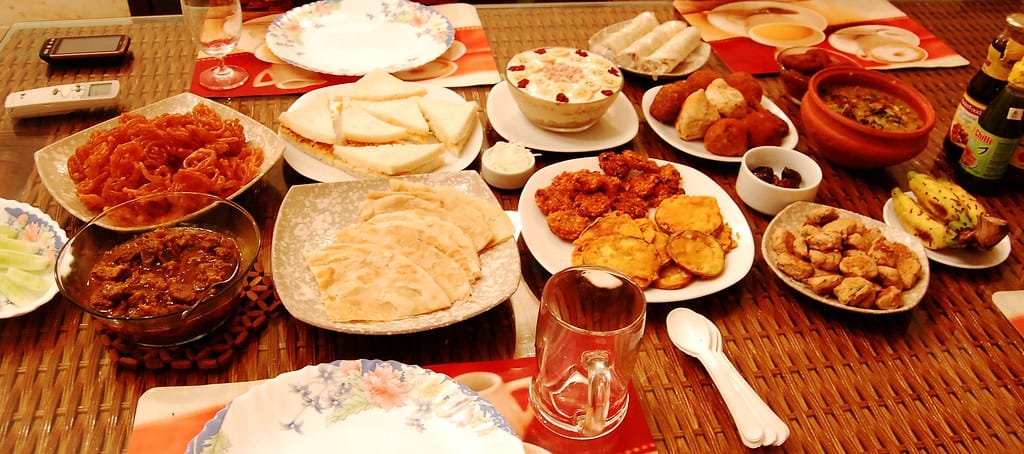
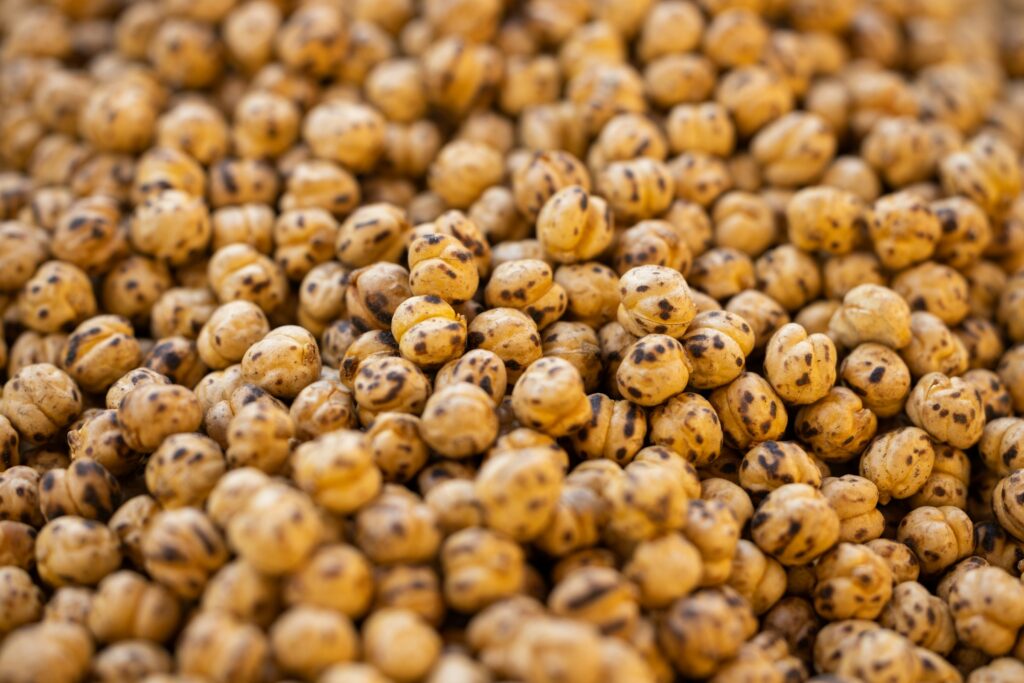
Finding healthy diabetic snacks pakistan residents can enjoy between meals helps you manage hunger and keep blood sugar steady. At Nuritron, our clinical nutrition team shows you how simple Pakistani foods like roasted chana, phool makhana, boiled eggs, and dahi with fruit stabilize post-meal glucose. You do not need expensive imported foods or bakery rusks to protect your metabolism. Pairing modest carbohydrates with protein and fibre provides satisfying desi snacks that honor traditional flavors and support long-term glycaemic control.
Key takeaways
- Routine snacking is not mandatory for everyone with type 2 diabetes; save snacks for long meal gaps or when taking insulin or sulfonylureas.
- Always pair carbohydrates with dietary protein, soluble fibre, or healthy fats to slow digestion and avoid sharp glucose spikes.
- Wholesome Pakistani staples like bhuna chana, roasted phool makhana, boiled eggs, and cucumber slices provide superior satiety to bakery rusks.
- Keep nuts to a measured portion: a daily closed handful of almonds or walnuts (28 to 30 grams) improves insulin sensitivity without weight gain.
- Pair fresh fruit with unsweetened desi dahi to buffer natural fruit sugars and flatten your glucose curve.
- Commercial sugar-free biscuits and rusks are hidden traps made from refined white maida flour and hydrogenated banaspati ghee.
- Never use high-fat snacks for low blood sugar; if your reading drops below 70 mg/dL, follow the 15-15 rule using 15 grams of fast-acting simple carbohydrates.
Do Diabetics Actually Need to Snack Between Meals?
Routine between-meal snacking is not mandatory for everyone living with type 2 diabetes. While planned snacks can avoid dangerous blood sugar drops for people on specific medications, frequent grazing throughout the day can promote excess calorie intake and keep insulin levels continuously elevated. You should snack only when specific clinical or lifestyle reasons demand it.
For individuals with type 2 diabetes, structured eating patterns emphasizing portion control and minimizing routine between-meal snacking are recommended to avoid sustained postprandial hyperinsulinemia and excess caloric intake. Constant snacking keeps insulin elevated, stopping your body from burning stored fat. However, spacing meals and planned snacks is clinically indicated to avoid hypoglycemia in patients taking insulin or insulin secretagogues, or prior to planned exercise.
This clinical guidance also answers a frequent reader question: should you eat a snack before bedtime? A bedtime snack is generally unnecessary for individuals whose diabetes is managed with diet alone or metformin. However, if you take insulin or sulfonylureas and experience overnight blood sugar drops, eating a small bedtime snack can help. Choosing diabetic snacks that pair protein with modest complex carbohydrates (such as half a cup of plain dahi or a boiled egg) maintains overnight glycaemic stability.
If you take insulin or oral medications such as sulfonylureas that increase the risk of low blood sugar, discuss your snack timing with your doctor. Do not change or stop your prescribed diabetes medication based on dietary changes alone. For wider meal planning guidance, review our 1-day meal plan for type 2 diabetes and our guide on high fibre foods in Pakistan.
The Science of Blood-Sugar-Friendly Snacking: Protein and Fibre Pairing
The secret to preparing effective diabetic snacks is never eating carbohydrates alone. When you consume isolated carbohydrates, your body breaks them down quickly into glucose, causing a rapid post-meal spike. Pairing carbohydrates with dietary protein, soluble fibre, or healthy unsaturated fats slows down stomach emptying and blunts the postprandial blood sugar curve.
Adjusting the macronutrient composition of daytime eating significantly reduces 2-hour postprandial blood glucose, glycated hemoglobin, and the area under the postprandial glucose curve. Subgroup analyses confirm that legume-based and low-glycaemic-index options are especially effective in flattening 2-hour postprandial glucose excursions.
Consuming protein, fat, or vegetables before or together with carbohydrates effectively reduces postprandial glucose excursions in individuals with diabetes. This pairing slows gastric emptying, blunts glucose peaks, and stimulates beneficial satiety hormones including GLP-1 and GIP. In a crossover trial evaluating diabetic snack composition, pairing carbohydrates with protein produced an overnight time in range of 85.8 percent, compared to 70.9 percent when paired with fat. Furthermore, carbohydrate-protein pairing resulted in a significantly lower glucose amplitude of 88.1 mg/dL compared to 123.9 mg/dL for fat-heavy snacks. Learn how local ingredients compare in our guide on the glycaemic index of common Pakistani foods.
Traditional Diabetic Snacks Pakistan Kitchens Prepare
Everyday Pakistani pantry staples like dry-roasted chickpeas (bhuna chana), roasted phool makhana, hard-boiled eggs with chaat masala, and crisp cucumber sticks provide exceptional blood sugar stability as nutritious diabetic snacks. These traditional foods are affordable, filling, and widely available across Pakistan.
Chickpea consumption significantly reduces postprandial blood glucose incremental area under the curve compared to carbohydrate-matched controls. Non-oil-seed pulses like chickpeas produce lower blood glucose and insulin responses than refined wheat products, while significantly reducing feelings of hunger. Chickpeas have a low glycaemic index between 28 and 33, whereas refined bakery rusks score between 70 and 82. According to the Indian Food Composition Tables (IFCT 2017), 100 grams of roasted Bengal gram provides 369 kcal, 18.64 grams of protein, 15.31 grams of total dietary fibre, and 57.38 grams of available carbohydrate.
Raw Euryale ferox seeds (phool makhana) consist of approximately 15.6 percent protein, 7.6 percent fibre, and 61 percent carbohydrate. Official food tables show that 100 grams of makhana provides 347 kcal, 9.7 grams of protein, 14.5 grams of fibre, and 76.9 grams of available carbohydrate. Evidence suggests that roasted phool makhana provides a moderate carbohydrate density and low glycaemic load at standard culinary serving sizes, although clinical trials in South Asian patients with diabetes are emerging. A serving of 20 to 25 grams supplies roughly 15 to 19 grams of available carbohydrate and has a low glycaemic load of approximately 8.
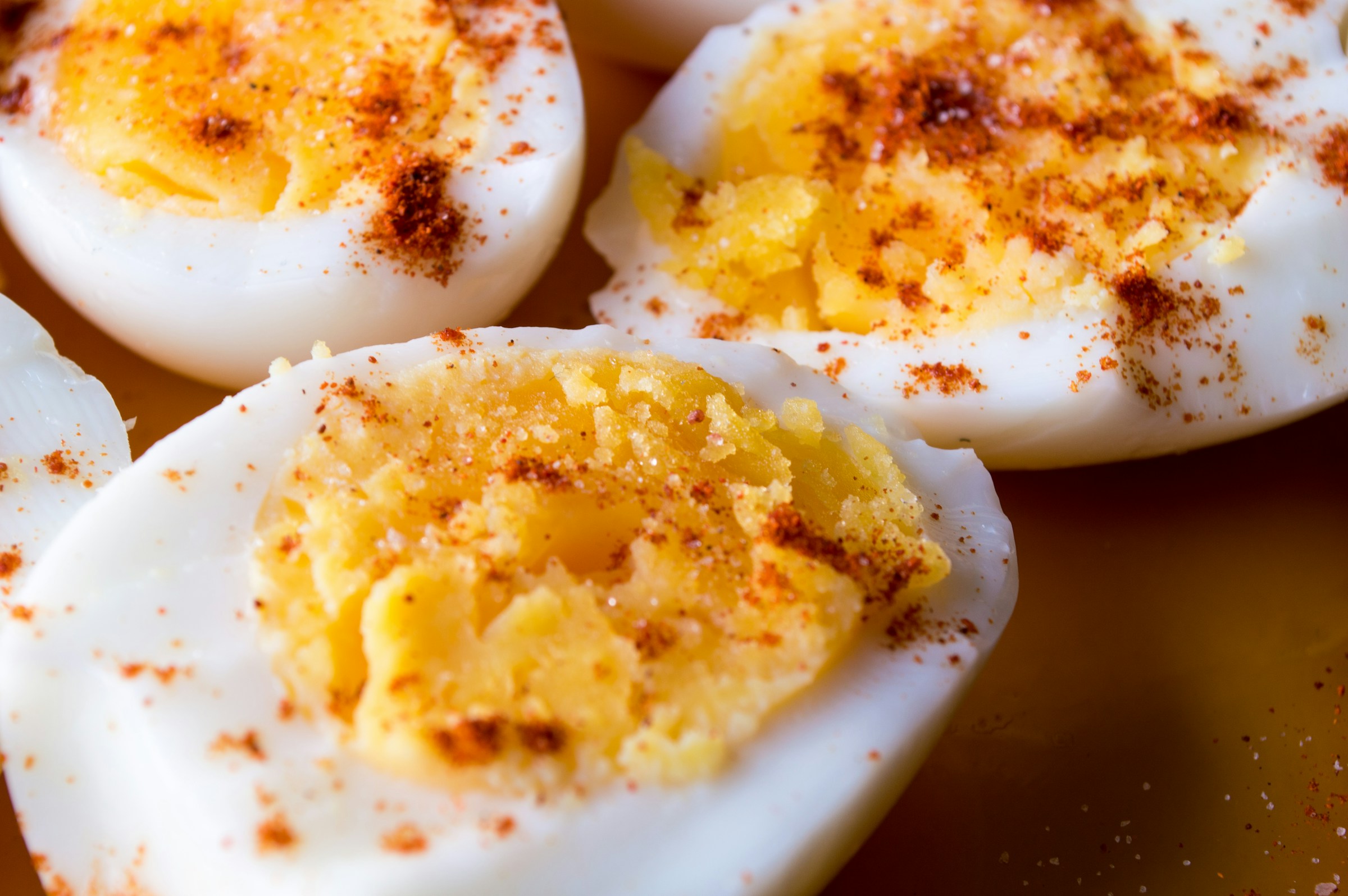
A 50-gram hard-boiled chicken egg supplies 6.6 grams of protein, 5.3 grams of fat, and 0.36 grams of carbohydrate. In a 12-month trial, adults with type 2 diabetes consumed a high-egg diet. They showed no adverse changes in blood glucose, glycated hemoglobin, or cholesterol compared to a low-egg diet. Pair eggs with cucumber (kheera), which has 2.16 grams of carbohydrate per 100 grams, or radish (mooli), which supplies 2.40 grams of carbohydrate and 1.6 grams of fibre to create refreshing zero-spike diabetic snacks.
| Pakistani Snack Staple | Portion Size | Carbs | Protein & Fibre | Glycaemic Impact | Practical Tip |
|---|---|---|---|---|---|
| Bhuna Chana | 30g | ~17g | 5.6g protein, 4.6g fibre | Low (GI 28–33) | Keep dark husk intact; avoid salted packs. |
| Phool Makhana | 20–25g | ~15–19g | 2.4g protein, 3.6g fibre | Low GL (~8) | Roast in skillet with sarson oil and haldi. |
| Boiled Egg | 1 egg | 0.36g | 6.6g protein, 5.3g fat | Zero spike | Boil in advance; sprinkle chaat masala. |
| Kheera & Mooli | 150g | 3.3g | 1.8g fibre | Minimal rise | Serve with lemon juice and mint chutney. |
| Dahi with Amrood | 1/2 cup | ~12g | 4.5g protein, 3.0g fibre | Low GI | Whisk homemade dahi with zeera and guava. |
| Raw Almonds | 10–12 nuts | ~1.5g | 3.0g protein, 7.5g fat | Negligible | Measure closed handful; avoid salted nuts. |
| Whole Walnuts | 3–4 nuts | ~1.5g | 2.5g protein, 10g fat | Negligible | Shell fresh nuts; store in airtight glass jar. |
Dahi and Fruit: How to Pair Local Fruits Without a Spike
You can safely enjoy fresh Pakistani fruit as wholesome diabetic snacks by co-ingesting it with unsweetened desi dahi. Plain curd contains casein protein, natural dairy fats, and lactic acid that slow down stomach emptying. Co-ingesting whole low-glycaemic fruits like guava or green apple with dahi dampens post-meal glucose spikes compared to eating fruit alone.
International glycemic index data shows that plain unsweetened curd has a low glycaemic index between 14 and 28, while whole fresh fruits generally score at or below 55. The protein and fat in curd physically buffers the absorption of fruit sugars.
Continuous glucose monitoring confirms that combining carbohydrates with dietary protein significantly reduces glucose swings. In a controlled crossover trial, carbohydrate-protein pairing improved time in range to 85.8 percent and lowered postprandial glucose amplitude compared to consuming carbohydrates alone or pairing them with excess fat. Choose firm local guava (amrood), green sour apples, or seasonal jamun (Java plum). Avoid large servings of mangoes, grapes, and watermelon between meals. Whisk half a cup of fresh homemade dahi with diced guava and roasted cumin for balanced, blood-sugar-friendly diabetic snacks. Learn more in our guide on best and worst fruits for diabetes and our review on dates and diabetes.
Nuts and Seeds: Portion Rules for Desi Households
Tree nuts are nutritional powerhouses when choosing diabetic snacks, but strict portion control is essential. Eating a small closed handful of almonds or walnuts delivers monounsaturated fats, arginine, and magnesium that improve cellular insulin sensitivity. However, because nuts are energy-dense, you must measure your portion rather than grazing freely from an open dish.
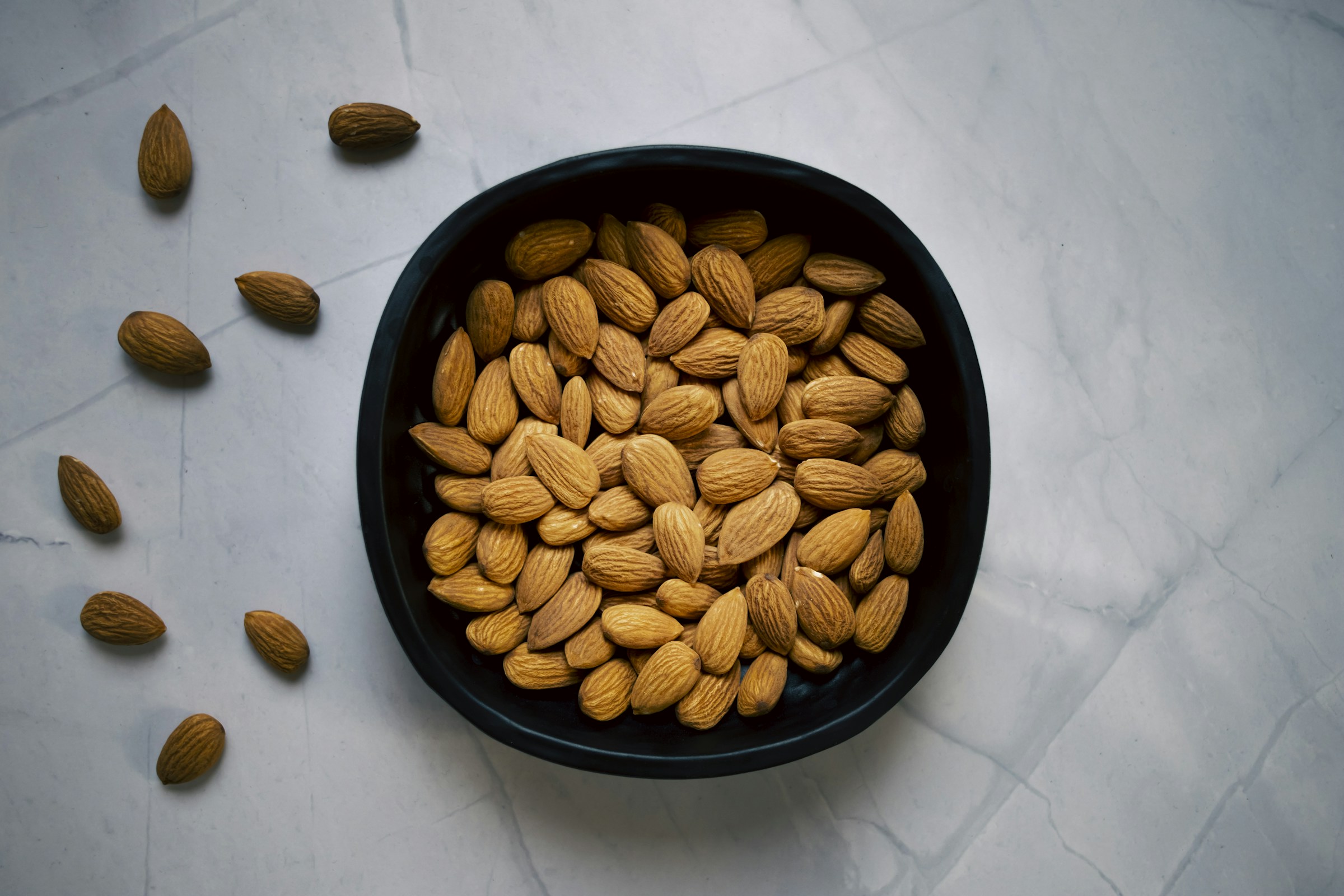
In a 3-month trial in Asian Indian adults with prediabetes, a 20-gram almond pre-load significantly reduced postprandial glucose and insulin resistance. It also produced statistically significant reductions in glycated hemoglobin and fasting insulin. The study observed a reversal of prediabetes to normal glucose tolerance in 23.3 percent of participants in the almond group. The trial also recorded significant reductions in body weight, body mass index, and waist circumference, proving that portion-controlled nut intake does not cause weight gain.
In a 24-week trial in Asian Indians with type 2 diabetes living in North India, daily almond supplementation significantly improved glycated hemoglobin, waist circumference, total cholesterol, triglycerides, and LDL cholesterol. Incorporating almonds into a balanced diet produces beneficial effects on glycaemic control and cardiovascular risk factors without promoting weight gain. Limit daily intake to 10 to 12 raw almonds (badam) or 3 to 4 whole walnuts (akhrot), which equals a modest 15-gram serving. Alternatively, a standard handful of 28 to 30 grams supplies roughly 6 grams of protein and 14 grams of healthy unsaturated fats for daily diabetic snacks. Avoid nuts fried in hydrogenated banaspati ghee or heavily salted.
The “Sugar-Free” Biscuit and Rusk Trap: Why Commercial Snacks Fail
Packaged “sugar-free” digestive biscuits and bakery rusks are marketed aggressively as healthy diabetic snacks to Pakistani patients, but they are nutritional traps. Although manufacturers replace sucrose with artificial sweeteners, these products are made from refined white flour and hydrogenated vegetable shortening. They digest rapidly, causing severe postprandial blood sugar spikes despite zero added table sugar.
Commercial wheat-flour crackers, tea biscuits, and rusks have high glycaemic index values between 70 and 82, driving acute postprandial glucose surges. Amylase enzymes in your saliva and gut break down refined starch into pure glucose within minutes. Eating two refined flour rusks impacts your blood sugar almost identically to eating white bread.
Human intervention trials demonstrate that refined wheat-flour foods produce significantly steeper blood glucose and insulin peaks and lower postprandial satiety compared to whole legume pulses. In contrast, whole pulses such as chickpeas produce flatter glucose curves and significantly lower postprandial glucose areas under the curve compared to refined starch foods, making them far superior diabetic snacks. Commercial diet biscuits also contain banaspati trans fats that worsen insulin resistance, and sugar alcohols like maltitol that cause bloating. For safe tea-time sweetening, consult our guide on sugar substitutes in Pakistan. For structured meal schedules, review our guide on a day’s meal plan for type 2 diabetes using Pakistani foods.
Routine Snacks vs Hypoglycemia Rescue: The 15-15 Rule
There is a vital clinical distinction between routine diabetic snacks to satisfy afternoon hunger and an emergency rescue for low blood sugar. If your blood glucose drops below 70 mg/dL, you must never eat nuts, dahi, or samosas. Emergency hypoglycemia requires 15 grams of fast-acting simple carbohydrates following the proven clinical 15-15 rule.
Consuming high-fat foods during a hypoglycemic episode delays recovery. According to American Diabetes Association guidelines, glucose (approximately 15 to 20 grams) is the preferred treatment for the conscious individual with blood glucose under 70 mg/dL (3.9 mmol/L). If blood glucose monitoring shows continued hypoglycemia after 15 minutes, repeat the treatment. Once blood glucose normalizes, consume a meal or snack to ward off recurrent hypoglycemia.
Recommendation 6.14 warns that ingesting protein or fat with carbohydrates should be avoided because fat delays the acute glycaemic response and protein increases insulin secretion without increasing postprandial glucose concentrations. Fats delay sugar absorption by 30 to 45 minutes, keeping your brain starved of fuel. Practice the 15-15 rule. First verify your blood sugar is under 70 mg/dL, then consume 15 grams of simple carbohydrates such as fruit juice or glucose tablets. Rest for 15 minutes and re-test. Once stabilized, eat balanced diabetic snacks like bhuna chana.
Building a Practical Pakistani Snacking Routine
Creating a routine with wholesome diabetic snacks begins with simple kitchen preparation. Start by clearing refined bakery rusks from your pantry, replacing them with jars of roasted chana, raw almonds, and fresh cucumbers. Eat healthy snacks only when genuine hunger or long meal intervals demand it.
Implement these four practical adjustments:
- Restock your kitchen: Fill glass jars with dry-roasted bhuna chana, roasted phool makhana, and raw almonds. Keep 30-gram pouches at your desk to avoid bakery platters.
- Rethink afternoon tea: Prepare tea with cardamom and ginger, adding a splash of milk without sugar. Pair tea with a boiled egg or unsweetened dahi with diced guava.
- Portion nuts in advance: Measure 10 to 12 almonds into a small katori before eating to avoid mindless grazing.
- Drink water first: Before snacking, drink a full glass of water. Afternoon tiredness is often caused by mild dehydration rather than real hunger.
Special Considerations: Kidney Disease and High Blood Pressure
Many individuals with long-standing diabetes also live with diabetic kidney disease or chronic kidney disease (CKD). If your doctor has diagnosed reduced kidney function, speak with your physician or dietitian before increasing high-potassium or high-phosphorus foods like bhuna chana, nuts, or dahi. Weakened kidneys struggle to excrete excess potassium and phosphorus, creating potential health risks. Snack portions must be tailored to your kidney stage. Additionally, if you manage high blood pressure alongside diabetes, prepare your boiled eggs and roasted snacks without added table salt or commercial chaat masala.
When to Consult Your Doctor
If you experience frequent episodes of shakiness, sweating, or lightheadedness, do not try to resolve them by snacking continuously. Frequent low blood sugar symptoms suggest that your diabetes medications, such as insulin or sulfonylureas, may need professional adjustment. Schedule a consultation with your doctor to review your treatment plan.
Frequently asked questions
What are the best diabetic snacks Pakistan residents can buy or prepare at home?
The best diabetic snacks in Pakistan are whole foods combining protein and fibre. Top choices include roasted bhuna chana, roasted phool makhana, boiled eggs with chaat masala, unsweetened dahi with guava, and cucumber sticks with mint chutney.
Is bhuna chana (roasted chickpeas) a safe daily snack for diabetes?
Yes. Dry-roasted chickpeas have a low glycaemic index and supply high amounts of plant-based protein and soluble fibre. A 30-gram portion with skins intact promotes fullness and keeps post-meal blood sugar steady.
Can people with diabetes eat phool makhana as diabetic snacks?
Yes. A single serving of 20 to 25 grams dry-roasted with mild spices has a low glycaemic load of approximately 8. Avoid commercial varieties fried in butter or coated in sugar.
Are sugar-free biscuits suitable as diabetic snacks in Pakistan?
No. Commercial sugar-free biscuits contain refined white flour (maida) and banaspati ghee. Refined flour converts rapidly into glucose, causing steep blood sugar spikes despite deceptive packaging.
Do all people with type 2 diabetes need to eat a snack between meals?
No. Routine snacking is not mandatory. If meals are spaced four to five hours apart, skipping snacks avoids unnecessary calories. Snacking is mainly indicated during long meal gaps, before exercise, or to avoid low blood sugar on insulin or sulfonylureas.
What should I eat immediately if my blood sugar drops below 70 mg/dL?
Follow the 15-15 rule immediately. Consume 15 grams of fast-acting simple carbohydrates, such as half a glass of fruit juice or three glucose tablets. Wait 15 minutes and re-test. Never eat high-fat foods like nuts or samosas during an emergency.
About the author

RD Saeed Ahmad, MSPHCo-founder and nutritionist, Nuritron
Nutritionist and public health researcher, and co-founder of Nuritron. Works in clinical and community nutrition, type 2 diabetes and One Health policy.
View full profile and articles