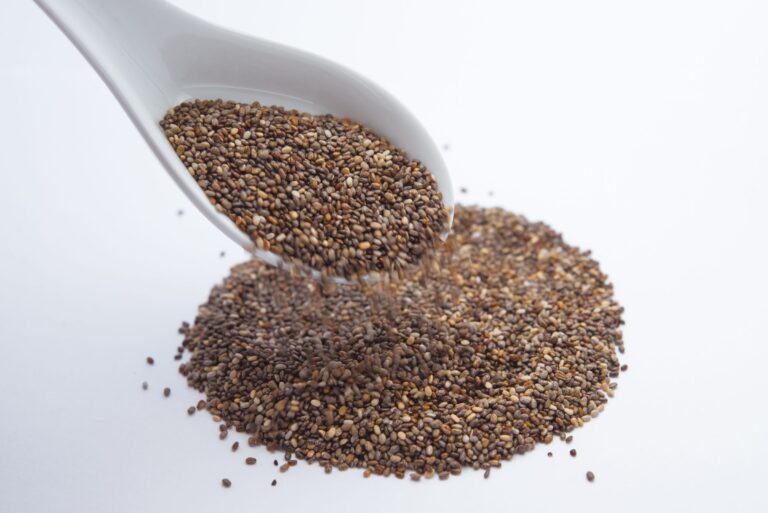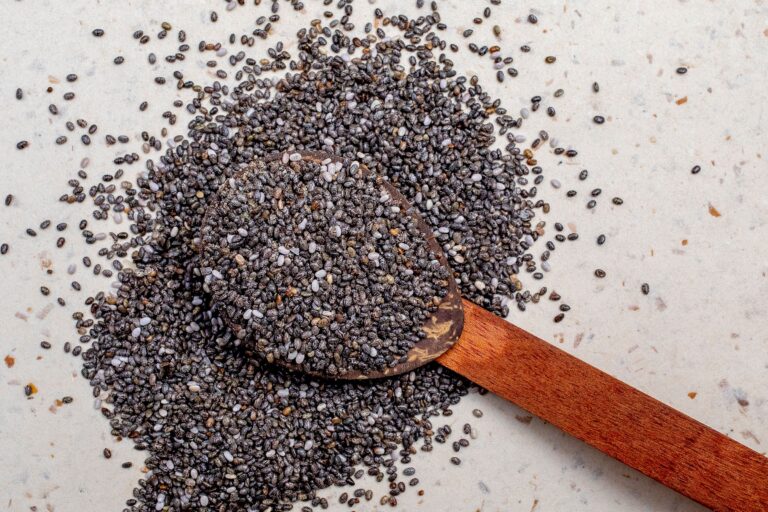
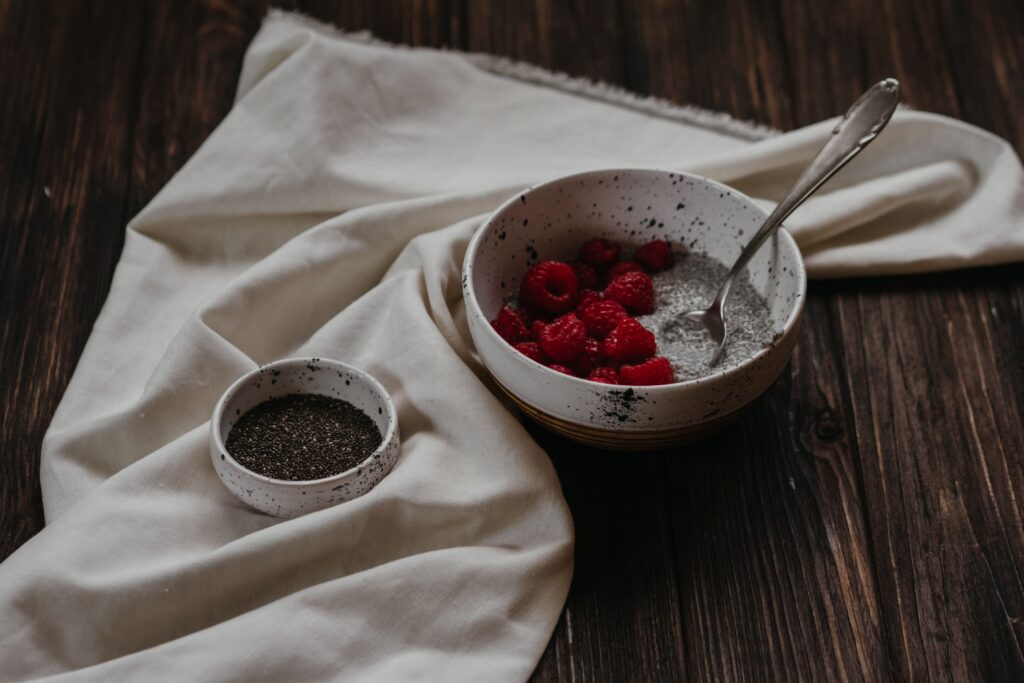
When you are looking for chia seeds benefits, it helps to separate the real science from the marketing hype. These small seeds and their chia seeds benefits have gained a massive following online, often presented as a cure for everything. However, the true value of chia seeds lies in their nutritional profile. They offer real, measurable value for your digestion, blood sugar regulation, and heart health. You do not need to buy expensive smoothie ingredients to get these benefits, because you can easily mix them into everyday Pakistani foods like dahi, lassi, and simple water.
Key takeaways
- Digestion and heart: Chia seeds provide a rich source of soluble fiber and omega-3 fatty acids that support your gut and cardiovascular system.
- Local pairings: You do not need expensive recipes. Stir them into plain dahi to enjoy chia seeds benefits, summer lassi, or a glass of lemon water.
- Weight loss reality: They help you feel full because they absorb water, but they are not a magic weight loss fix on their own.
How Do Chia Seeds Benefits Support Digestion?
Many people struggle with their digestion on a daily basis, often relying on temporary fixes rather than dietary changes. Limited evidence from a narrative review suggests that chia seeds provide bulk to stool, which may help relieve constipation, though this has not been confirmed in robust clinical trials yet.
The mechanism is simple. The soluble fiber in the seeds forms a thick, slippery gel when you mix it with water or milk. This gel moves slowly through your digestive tract and supports regular, comfortable bowel movements.
You do not need complicated recipes or expensive imported ingredients to get this daily fiber. You can simply soak a spoonful of chia seeds in a glass of water for ten to fifteen minutes and drink it before breakfast. Starting your day with this simple habit provides a gentle push for your digestive system. If you are not used to eating much dietary fiber, start with half a spoon for the first few days so your stomach can adjust slowly without causing gas or bloating.
What Are the Chia Seeds Benefits for Heart Health?
Protecting your cardiovascular system is a common concern as we age, especially in South Asian populations where heart risks are higher. Evidence suggests that the omega-3 fatty acids in chia seeds are associated with reduced inflammation and supported heart health. In a study of adults with type 2 diabetes, those eating chia seeds showed lower levels of a key inflammation marker over a period of several months, according to a study in Cardiovascular Diseases.
Inflammation plays a major role in long-term heart issues and chronic diseases. By adding these tiny seeds for their chia seeds benefits to your daily diet, you provide your body with plant-based fats that help calm that internal inflammation. A quick spoonful mixed into your afternoon dahi adds these essential nutrients without changing the taste or texture of your meal too much. You can read more about chia seeds side effects to understand how to start safely and avoid any digestive discomfort while supporting your heart.
Can Chia Seeds Benefits Help Regulate Blood Sugar?
Managing what happens in your body after you eat is important for maintaining steady energy levels throughout the day. Evidence suggests that consuming chia seeds can help regulate post-meal blood sugar levels. A study of healthy participants showed that eating chia seeds reduced peak glucose and slowed the time it took to reach that peak, compared to eating flax seeds, according to research in the European Journal of Clinical Nutrition.
This slow release of energy helps you avoid the sudden crash and fatigue that often follows a heavy meal of rice or roti. Because the thick fiber in the seeds slows down how fast your digestive system breaks down carbohydrates, your blood sugar stays more stable over the next few hours. If you are looking for more details on exactly how this mechanism works in the body, see our complete guide on chia seeds for diabetes and blood sugar.
Do Chia Seeds Benefits Include Weight Loss?
You might wonder if chia seeds actually help you lose weight, given how often they are marketed for this purpose. The soluble fiber in chia seeds expands in your stomach, increasing feelings of fullness to assist weight management. In clinical trials, healthy individuals reported lower hunger and higher satiety after eating yogurt mixed with chia seeds.
The effect becomes even clearer over a longer period of consistent use. Adults with type 2 diabetes who ate chia seeds lost more weight and reduced their waist size more than those who followed a control diet. When you feel physically full, you are much less likely to reach for extra snacks in the late afternoon or evening. This makes them a helpful dietary tool if you want to eat less between meals without feeling constantly hungry. You can find more specific, step-by-step advice on how to use chia seeds for weight loss.
What Are the Chia Seeds Benefits for Bone Strength?
Supporting your bone density becomes increasingly important as you age, especially for women going through hormonal changes. Evidence suggests that chia seeds provide essential minerals like calcium and iron that support bone health, based on compositional analysis of commercial seeds.
While dairy products like milk and yogurt are common calcium sources in Pakistan, seeds offer a highly concentrated, plant-based alternative for those who cannot tolerate lactose. You can easily sprinkle them over your food to boost the mineral content of a simple meal. If you are pregnant and thinking carefully about your daily calcium intake for your growing baby, check our detailed article on chia seeds in pregnancy.
How to Get Chia Seeds Benefits in Local Foods
You do not need western recipes, complicated baking, or special kitchen equipment to enjoy chia seeds. They fit perfectly into standard Pakistani meals. Because they have almost no flavor of their own, they absorb the taste of whatever dish you put them in.
When comparing the benefits of these two seeds, you should understand the differences between chia seeds vs tukh malanga. People often confuse them because they look similar and behave the same way in water, but they come from entirely different plants and have slightly different textures. If you want to know more about the local alternative, you can read about tukh malanga benefits and uses or tukh malanga side effects. If you need local names for buying them in the market, we have a helpful guide on chia seeds in Urdu.
Here are very simple ways to include them in your daily routine:
- Dahi (Yogurt): Stir a spoonful into a bowl of plain dahi for a mid-morning snack. Let it sit for a few minutes so the seeds soften and absorb the moisture.
- Lassi: Blend soaked seeds into sweet or salty lassi during the hot summer months for extra cooling properties.
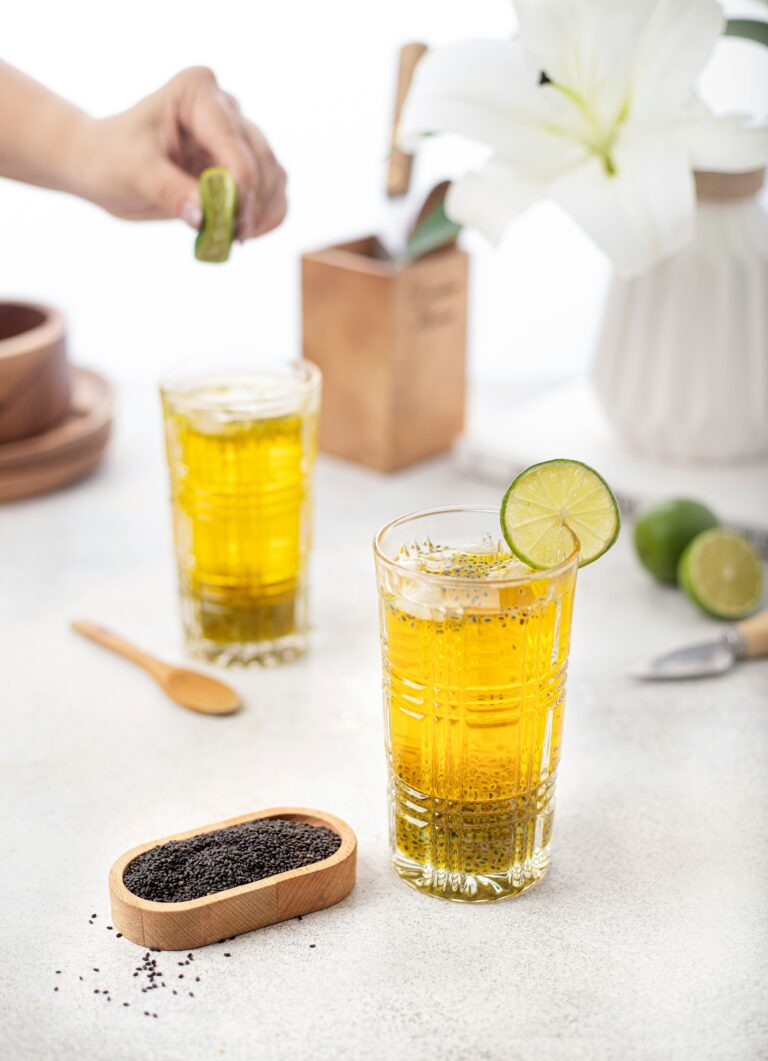
- Water: Soak them in a glass of water with a squeeze of fresh lemon and a pinch of black salt for a refreshing drink.
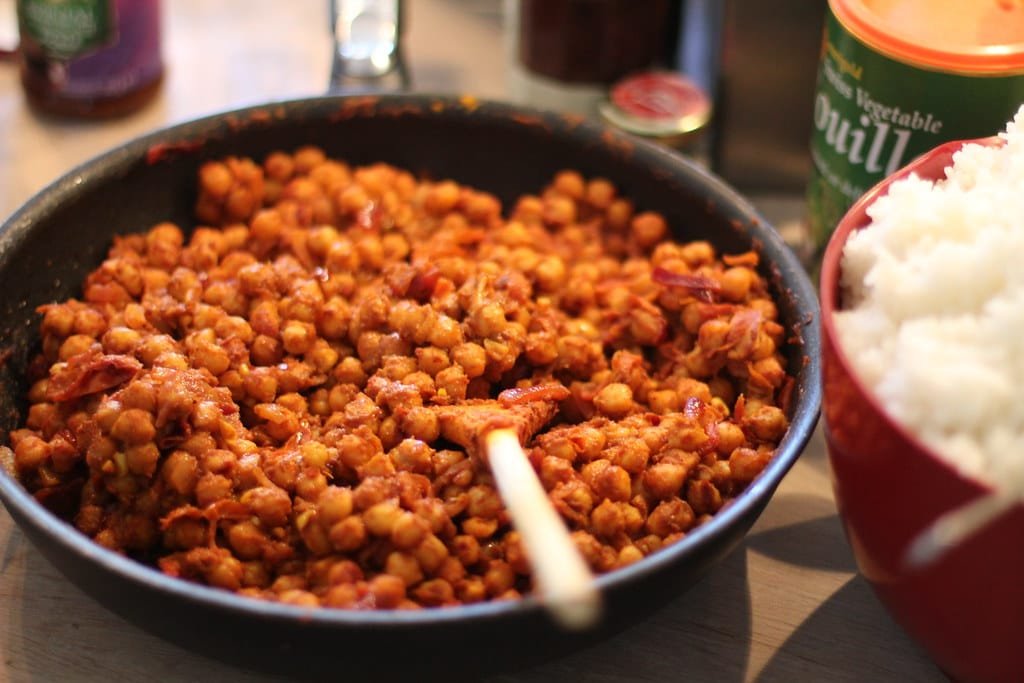
- Curries: Sprinkle a small amount over a bowl of palak, methi, or sarson just before eating. The seeds mix right into the thick gravy.
- Salads: Toss a dry spoonful over a simple kachumber salad of tomatoes, onions, and cucumbers for extra crunch.
For more practical ideas on preparing them in the kitchen, see how to eat chia seeds.
Frequently asked questions
What is the best time to get chia seeds benefits?
Eating them in the morning or before meals is helpful. The fiber expands in your stomach. It increases feelings of fullness, which can help you manage your appetite and weight throughout the day.
How many tablespoons are needed for chia seeds benefits?
Most guidelines recommend about one to two tablespoons per day. Start with a smaller amount. This gives your digestion time to adjust to the high fiber content without causing stomach upset.
Do chia seeds benefits actually include weight loss?
They are not a magic fix on their own, but they do help. The fiber in chia seeds increases satiety and reduces hunger. This can assist you in eating fewer calories overall as part of a balanced diet.
Can you get chia seeds benefits without soaking them?
You can eat them dry, but soaking them is safer. It is often better for your digestion. When soaked, they form a thick gel. This gel is easier to swallow and helps keep your body hydrated.
About the author

RD Saeed Ahmad, MSPHCo-founder and nutritionist, Nuritron
Nutritionist and public health researcher, and co-founder of Nuritron. Works in clinical and community nutrition, type 2 diabetes and One Health policy.
View full profile and articles