Many households in Pakistan rely on banaspati ghee for daily cooking, from frying morning parathas to preparing evening curries. However, the high levels of trans fats in banaspati have raised serious health concerns over the years. This article explains what these fats are, how they affect your heart, and what the government is doing to regulate them.
Key takeaways
- Banaspati ghee has historically been a major source of heart-harming trans fats in Pakistan.
- A new 2025 law limits trans fats to under 2%, but some brands still exceed this limit.
- Choosing liquid vegetable oils over solid hydrogenated ghee can significantly lower your risk of cardiovascular disease.
What Are Trans Fats and Why Are They in Banaspati?
Trans fats (or trans-fatty acids) are created when liquid vegetable oils undergo a chemical process called hydrogenation to make them solid at room temperature, producing what we know as banaspati ghee. This process gives the fat a longer shelf life and a texture that is ideal for frying foods like pakoras and samosas, or making flaky parathas.
Historically, data shows that banaspati ghee in Pakistan contained between 14% and 34% trans fats. Pakistan has long been among the nations with the highest intake of these specific fats, largely because of how heavily the population relies on commercial ghee for traditional cooking. For decades, affordable banaspati was heavily marketed as a modern, shelf-stable alternative to expensive desi ghee, leading to its widespread adoption across urban and rural kitchens alike.
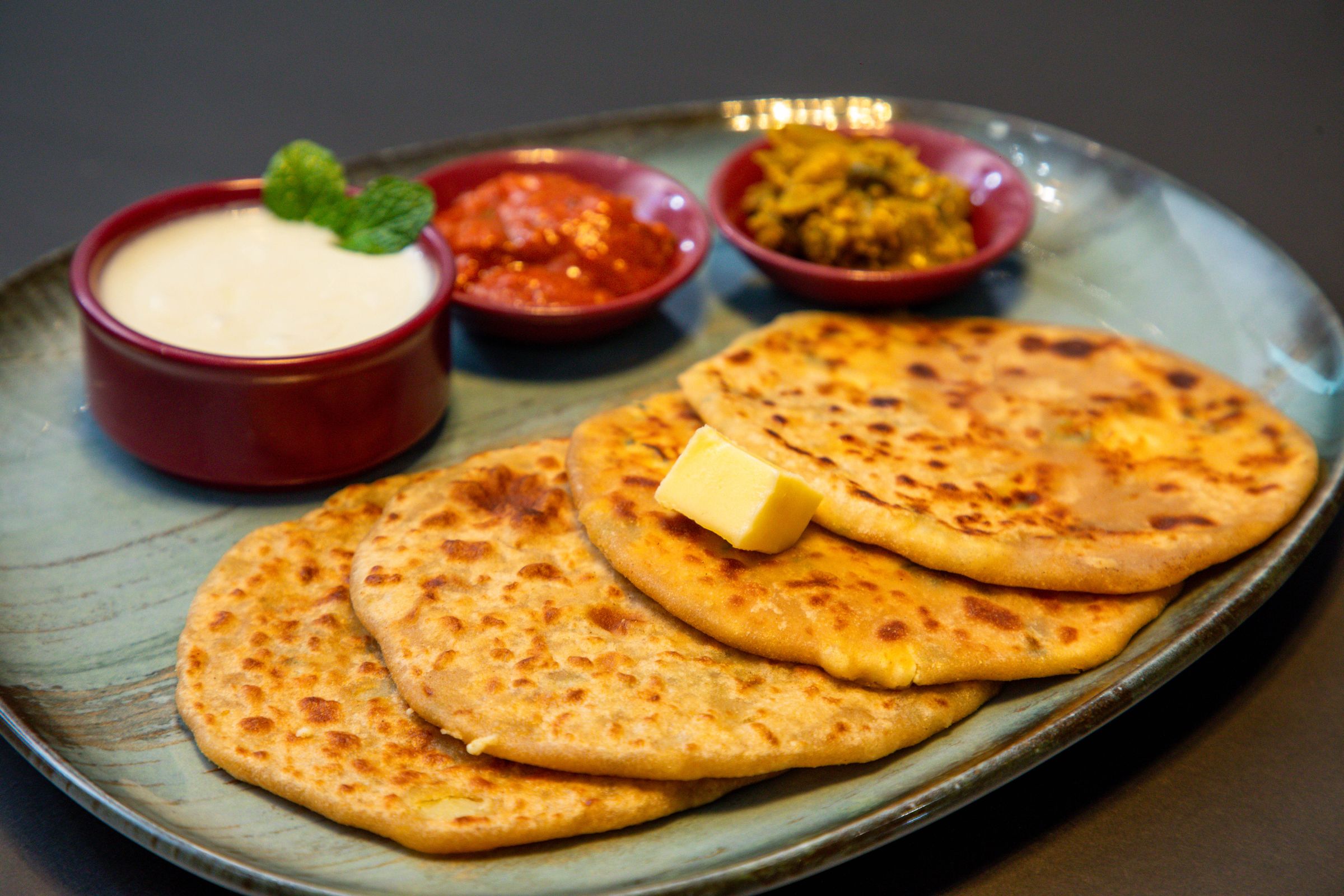
When you cook a daily meat curry or a vegetable dish like palak paneer using traditional banaspati, you are likely consuming these industrially produced fats. Unlike the fats found naturally in small amounts in dairy or meat, industrial trans fats offer absolutely no nutritional benefit. They are entirely artificial, created to reduce manufacturing costs and improve the texture of the oil, rather than to provide any value to your body. The body does not need them for any biological function, and human metabolism struggles to process them safely.
The Chemistry of Hydrogenation: Turning Liquid into Solid
To understand why banaspati ghee poses such a risk, it helps to understand how it is made. Manufacturers start with cheap, liquid vegetable oils, such as palm or soybean oil. In their natural state, these oils consist mostly of unsaturated fats, which are liquid at room temperature. However, liquid oils can spoil quickly in hot climates and do not provide the rich, solid texture that bakers and cooks desire for certain recipes.
To solve this, food engineers pump hydrogen gas into the heated liquid oil in the presence of a metal catalyst. This chemical reaction forces the hydrogen atoms to bond with the carbon atoms in the oil molecules. The process straightens out the molecular chains, causing the oil to thicken and eventually turn into a solid fat. This partial hydrogenation process is exactly what creates industrially produced trans fats.
The resulting product is highly resistant to turning rancid, meaning it can sit on a grocery store shelf in the summer heat of Punjab or Sindh for months without spoiling. While this chemical stability is excellent for corporate profits and supply chains, it is disastrous for human health. The rigid, unnatural shape of these fat molecules makes them particularly dangerous once they enter your bloodstream.
The Heart Disease Link: What the Evidence Says
High consumption of industrially produced trans fats is strongly associated with an increased risk of cardiovascular disease. The World Health Organization notes that a high intake of trans fat increases the risk of coronary heart disease deaths by 28% and the risk of death from any cause by 34%.
If you have a heart condition or take cholesterol medicine, do not change or stop your medication based on this article. Always speak with your doctor before altering your treatment plan. The risk from these fats comes from how they fundamentally alter your cardiovascular system.
Because heart disease is one of the leading causes of death in Pakistan, reducing the intake of these fats is a major public health priority. A diet that minimizes industrial fats is a core part of a heart healthy diet for anyone looking to protect their cardiovascular system. A staggering number of heart attacks in the country can be traced back to long-term dietary habits, specifically the reliance on partially hydrogenated cooking fats.
The damage caused by these fats builds up over years and decades. A young person consuming banaspati ghee daily may not feel any immediate effects, but the structural damage to their arteries begins early. The risk increases by 16% for every 2% increase in your daily energy intake that comes from trans fats. This means that even relatively small amounts of banaspati, eaten consistently over time, can drastically elevate your chances of suffering a severe cardiac event.
How Trans Fats Affect Cholesterol Levels
To understand the mechanics of the heart disease risk, you have to look at cholesterol. Cholesterol travels through your blood in two main forms: low-density lipoprotein (LDL) and high-density lipoprotein (HDL).
Trans fats are uniquely harmful because they attack your cholesterol profile from two different directions simultaneously. First, they aggressively increase the levels of LDL, which is the harmful type of cholesterol that builds up in your arteries. At the same time, they decrease HDL, which is the protective cholesterol that normally sweeps through your blood vessels and clears out excess fat.
This dangerous combination creates a perfect environment for plaque to form in the arteries. Over time, this fatty plaque hardens and narrows the blood vessels, a condition known as atherosclerosis. As the arteries narrow, your heart has to work much harder to pump blood through them, which elevates your blood pressure. If a piece of this hardened plaque ruptures, it can form a blood clot that completely blocks the artery, resulting in a sudden heart attack or stroke.
Pakistan’s New 2% Trans Fat Limit
In March 2025, Pakistan implemented a national standard limiting trans fats to less than 2% of total fat in foods, including banaspati ghee. This policy by the Pakistan Standards and Quality Control Authority (PSQCA) means that manufacturers are legally required to change their production methods. The goal is to virtually eliminate industrially produced trans fats from the food supply, aligning with global health targets set by the World Health Organization.
This regulatory milestone was the result of years of advocacy by public health experts who recognized the devastating toll that unregulated banaspati ghee was taking on the population. By forcing manufacturers to adopt better technologies, the government aims to protect consumers who might not have the health literacy to read nutrition labels or the financial means to switch to premium oils.
The new rules require factories to use modern blending techniques and alternative processes, such as interesterification, which can produce solid fats without generating harmful trans-fatty acids. While these newer fats are still heavily processed and should be consumed in moderation, they do not pose the exact same extreme cardiovascular risks as traditional partially hydrogenated oils.
Regulatory Testing and Market Realities in 2026
However, writing a law does not immediately fix the entire food supply chain. Evidence suggests that recent testing in August 2026 found some banaspati brands still exceed the 2% legal limit, with certain samples showing levels as high as 15.87g per 100g. This indicates that while the regulations are in place, enforcement and compliance across all brands remain uneven.
Consumers cannot assume that every tub of ghee on the supermarket shelf is automatically safe just because a law was passed. The transition requires factory upgrades and changes in chemical processing that smaller, regional manufacturers may struggle to implement quickly. There is a vast informal market in Pakistan where unbranded or loosely regulated cooking fats are sold in bulk, often escaping routine laboratory testing entirely.
Until regulatory testing completely clears the market of non-compliant products, buyers must remain cautious. Relying on government standards alone is not enough; you must take an active role in scrutinizing the products you bring into your kitchen.

How to Check Your Banaspati Ghee Label
Reading the nutrition label is your best defence against hidden fats. Liquid vegetable oils like sunflower, canola, and olive oil contain little to no industrially produced trans fats compared to partially hydrogenated banaspati. When you buy cooking oil or ghee, you must look closely at the ingredients and the nutrition facts panel.
| What to look for | What it means |
|---|---|
| “Partially hydrogenated oil” | The product contains industrial trans fats, even if the label claims zero grams per serving. |
| Trans fat: 0g | Check the serving size. If the serving size is very small, it might still contain a fraction of a gram that adds up quickly. |
| Total fat content | Ensure the saturated fat is also within reasonable limits for your daily dietary needs. |
If you are reading the label and you see the words “hydrogenated” or “partially hydrogenated” anywhere in the ingredients list, put the product back on the shelf immediately. This is the exact chemical process that creates the harmful fats. Even if a brand claims to meet the new PSQCA standards, the presence of those words means the product is fundamentally altered.
Food labels can sometimes be misleading due to small serving sizes that allow manufacturers to round down the trans fat content to zero. This is why reading the actual ingredient list is far more important than just glancing at the nutrition numbers. If you take medications, you can read more about how your diet interacts with them in our guide on blood pressure medication and food interactions.
Traditional Pakistani Foods Without Banaspati
Switching away from solid ghee does not mean you have to stop eating traditional Pakistani foods. You can cook almost every classic dish, from chicken karahi and nihari to bhindi masala, using liquid oils. Canola oil, sunflower oil, and mustard oil (sarson ka tel) are excellent alternatives that are widely available in local markets.
When choosing cooking fats, remember that liquid oils do not undergo the hydrogenation process that creates trans fats. They are naturally rich in unsaturated fats, which actively support heart health rather than harming it. While the texture of a paratha might be slightly different when made with liquid oil, the long-term health benefits far outweigh the minor change in crispness. For special occasions, many families choose to use a small amount of desi ghee for flavour, rather than relying on massive quantities of industrial banaspati.
For deep-frying foods like samosas and pakoras, which require high heat, it is better to use oils with a high smoke point and to avoid reusing the oil multiple times. Reheating liquid oils repeatedly can degrade them and create harmful compounds of their own. While moving away from banaspati might require a small adjustment in your cooking habits, it is one of the most effective steps you can take to protect your family’s cardiovascular health over a lifetime.
Frequently asked questions
Is all banaspati ghee banned in Pakistan?
No, banaspati ghee itself is not banned. The government has implemented a strict limit that requires all commercial ghee to contain less than two percent trans fats. Manufacturers must change their production methods to meet this new safety standard, but the product remains legal to sell across the country.
Are there trans fats in desi ghee?
Desi ghee contains very small amounts of naturally occurring trans fats from dairy, which behave differently in the body compared to industrial ones. It does not contain the harmful, industrially produced trans fats created by hydrogenating vegetable oils. However, it is still high in saturated fat and should be used in moderation.
Which cooking oil is safest for the heart?
Liquid vegetable oils such as olive, canola, and sunflower oils are much safer for the heart. They contain zero industrial trans fats and provide unsaturated fats that support cardiovascular health when used in normal cooking amounts.
How do trans fats in banaspati affect cholesterol?
They actively harm your cholesterol profile by raising the bad LDL cholesterol that clogs arteries and lowering the good HDL cholesterol that helps clear them. This combination strongly increases the risk of heart attacks and strokes over time.
About the author

RD Saeed Ahmad, MSPHCo-founder and nutritionist, Nuritron
Nutritionist and public health researcher, and co-founder of Nuritron. Works in clinical and community nutrition, type 2 diabetes and One Health policy.
View full profile and articlesAbout the medical reviewer
Dr. Amna Noor, Pharm-DCommunity Pharmacist, IMA Pharmacy Plus, Rahim Yar Khan
Community pharmacist in Rahim Yar Khan and co-founder of Life-Med Consultancy, a social enterprise for chronic disease management, with a focus on patient counselling and diabetes care.
View full profile and articles